AudioFu
AudioFu Chart · October 2026
Best General Digital Pianos Under $500 2026
The top pick is Alesis Concert 88-Key Digital Piano ($300). Gewa PP-3 leads the high end. Ranked by the AudioFu Index from 6 models across 4 brands, prices checked every night.
Last updated: October 11, 2026
Top 6
Full detail for the 6 highest AudioFu Index scores. Every other model is listed below.
-
- Weight7.1 kg
- Key actionSemi-weighted keys
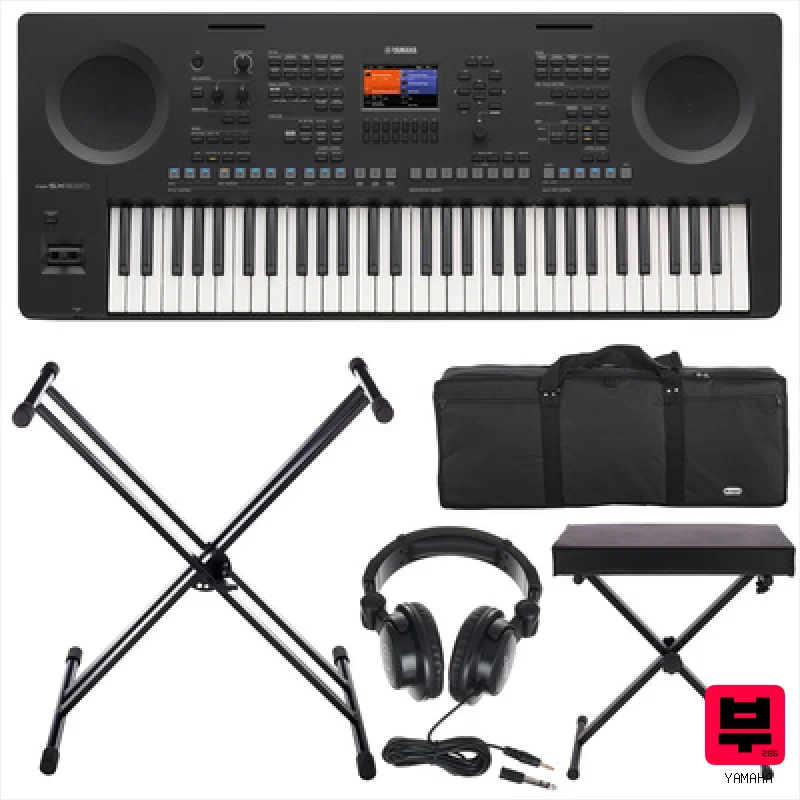
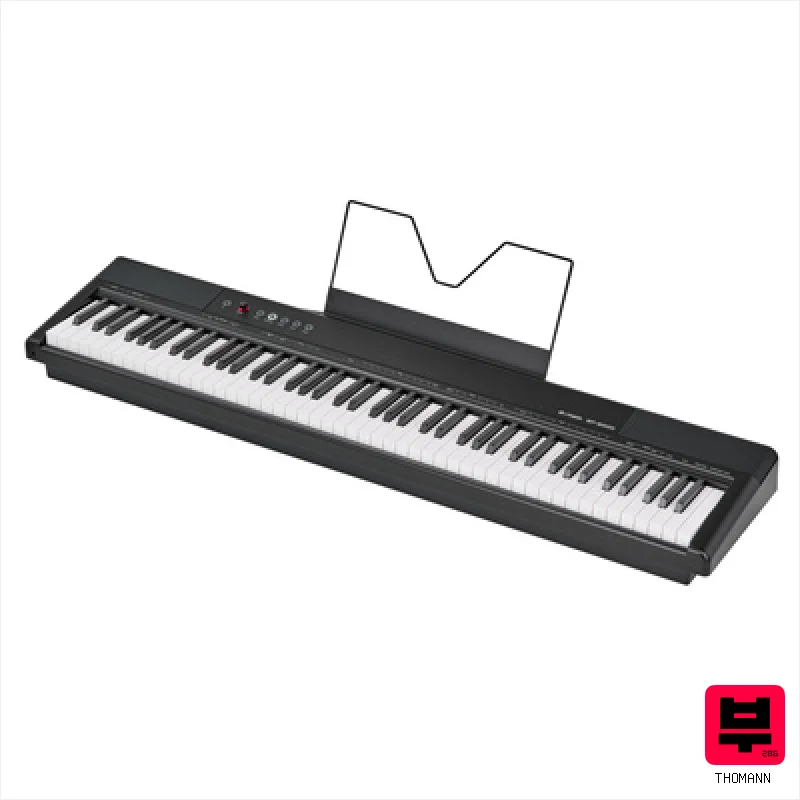
The Alesis Concert is a solid, budget-friendly option for beginners or those needing a portable practice instrument. It won't fool a seasoned pianist, but it's perfectly adequate for learning the basics and experimenting with different sounds. A great choice for students or anyone needing a compact, all-in-one solution.
Pros
- Affordable entry point for aspiring pianists.
- Decent selection of basic instrument voices.
- Integrated metronome is surprisingly useful for practice.
Cons
- Semi-weighted action lacks the nuance of a real piano.
- Polyphony limit can cause note drop with complex layering.
57AudioFu
Index↓ 13.5%since Aug 14 · lowest so far$347 · Aug 14$300 now$300€268 at Thomann · in stockCheck price ↗ -
- Weight5.3 kg
The CT-S1 76 BK is a surprisingly capable and remarkably light keyboard – a great option for beginners, students, or anyone needing a portable instrument. The extended 76-key range gives a more piano-like feel than smaller models, and the Chordana app is a real bonus for learning. Just don't expect a professional-grade keybed or booming sound.
Pros
- Lightweight design (5.3kg) makes it highly portable for lessons or gigs.
- 76 keys offer a more natural feel and wider range than smaller keyboards.
- AiX sound engine provides surprisingly realistic piano tones for its price point.
Cons
- Key action is synthetic and lacks the nuanced response of a weighted action.
- Polyphony limit (64 voices) can lead to dropouts with complex arrangements.
54AudioFu
Index↓ 28.5%since Aug 14 · lowest so far$357 · Aug 14$256 now$256€228 at Thomann · in stockCheck price ↗ -
Roland GO-61P GO:PIANO 61-Key Digital Piano
GO:PIANO 88PX · Roland
16 for sale on Reverb2 finishes at Thomann
The GO:PIANO 88 is a clever, portable solution for students, beginners, or anyone needing a lightweight 88-key instrument. It's surprisingly playable thanks to the Ivory Feel keys, and the Bluetooth integration is a real plus. Don't expect a concert grand experience, but for the price and convenience, it's hard to beat.
Pros
- Lightweight design facilitates easy transport for lessons or gigs.
- Ivory Feel keys offer a surprisingly realistic, tactile playing experience.
- Bluetooth connectivity simplifies integration with learning apps and mobile devices.
Cons
- Key action lacks the depth and responsiveness of higher-end weighted actions.
- Sound engine, while decent, isn’t as nuanced as more expensive digital pianos.
-
- Weight14.8 kg
- Key actionWeighted keys
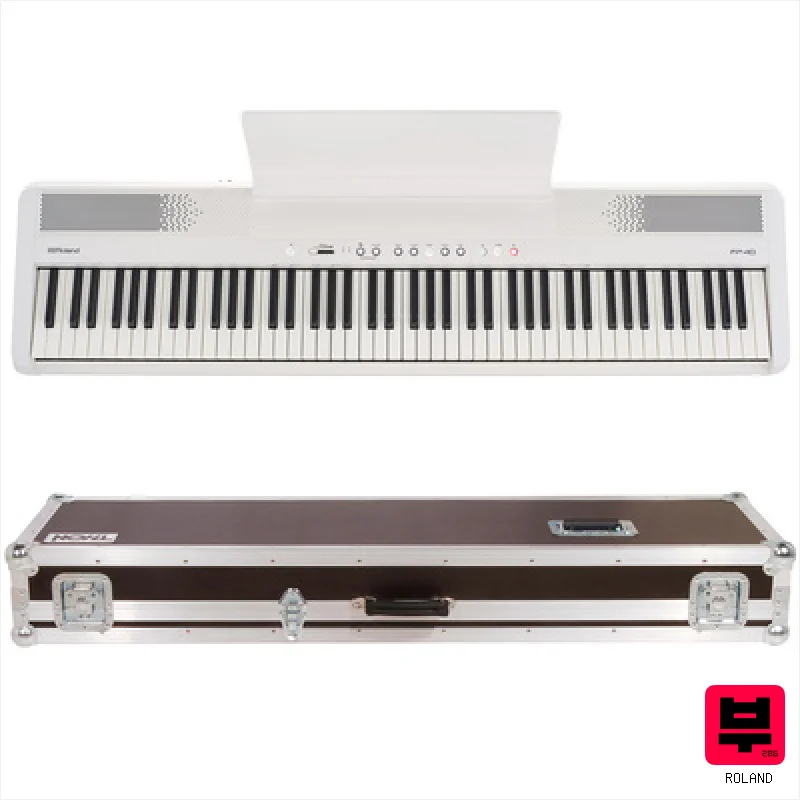
The Gewa PP-3 is a surprisingly capable entry-level digital piano. It's a solid choice for beginners, students, or anyone needing a compact and affordable instrument with a decent piano sound and surprisingly customizable features – especially if you appreciate the ability to tweak the virtual piano technician settings.
Pros
- GEWA Smart Touch action provides surprisingly realistic hammer feel.
- Steinway D274 sample delivers a warm, nuanced piano tone.
- Bluetooth MIDI/Audio simplifies connection to devices and apps.
Cons
- The plastic cabinet construction feels somewhat budget-oriented.
- Speaker system, while adequate, lacks the power for larger spaces.
50AudioFu
IndexStableno change since Aug 14Aug 14$498 now$498€444 at Thomann · in stockCheck price ↗ -
- Weight14 kg
- Key actionWeighted keys
This piano feels great with its hammer action keys and sounds like a real grand. You can tweak the touch and strings via the app, which is handy. It works well for students or anyone wanting a solid digital piano without breaking the bank.
Pros
- 88 keys with hammer action feel real
- High-resolution grand piano sample quality
- Smart app lets you adjust string resonance
Cons
- No speaker power ratings listed
- No specific keyboard depth given
46AudioFu
IndexStableno change since Aug 17Aug 17$414 now$414€369 at Thomann · in stockCheck price ↗ -
This is a great little starter piano for students or small apartments. The Ivory keys feel nice under your fingers, and the bundled bag makes it easy to carry. However, the tiny speakers sound thin, so you will likely need external speakers. It is a budget-friendly option that gets the job done without extra gear.
Pros
- Compact 61-key design fits small rooms and travel cases easily.
- Ivory feel keys provide a realistic touch for beginners.
- Includes gig bag, power supply, and music stand in one bundle.
Cons
- Loudspeakers are very weak at just 2.5 watts each.
- Batteries are not included, requiring extra purchase.
17AudioFu
IndexStableno change since Aug 17Aug 17$357 now$357€319 at Thomann · in stockCheck price ↗
General Digital Pianos by the numbers
Measured across all 10 models we track, not a sample.
Median $300 — half of all general digital pianos here cost less.
median of 7 models · 5.3 kg–14 kg
How to choose the best general digital pianos
Action
Forget graded hammer action - you're lucky to get something vaguely resembling it in this price range. Focus on responsiveness and consistent resistance across the keys. A mushy, uneven action will kill your articulation.
Sound Engine
Don't expect pristine, concert hall-quality piano sounds. You're looking for something usable - a decent fundamental tone with a bit of warmth, and a passable sustain that doesn't sound like a digital kazoo. Listen for unwanted digital artifacts or a thin, brittle tone.
Polyphony
64 voices is the absolute minimum. Anything less, and you'll hear notes drop out when playing complex chords or layering sounds, which sounds amateurish. More polyphony buys you headroom.
Connectivity
MIDI connectivity is essential for recording and expanding your sound palette. USB is a bonus. Don't get stuck with a piano that's an island; you need to be able to integrate it into a DAW or other gear.
Build Quality
Let's be real, the plastic is gonna feel... plasticky. But look for something that doesn't rattle or creak excessively. Solid construction translates to longevity, even if it's just a little bit.
Buying guide
So, you're looking for a decent digital piano without breaking the bank? Under $500 is a tough gig, but it's doable if you know what to look for. Forget those glossy marketing promises - we're talking about getting the most playable, gig-worthy instrument for your money, whether you're laying down tracks at home or backing up a singer at a pub gig.
At this price point, compromises are unavoidable. The biggest trade-off is almost always going to be the action - it simply won't feel like a real acoustic piano. Prioritize a usable sound and decent connectivity over fancy features you won't use.
Don't get lured in by a ton of sounds you'll never touch; a good piano sound is worth more than a library of cheesy presets.
How the AudioFu Index works
Five measured signals and nothing else — no stars from strangers, no “tested by experts” we didn’t do. The weights are fixed and public. We don’t play these instruments; we measure the market around them.
This chart covers 10 general digital pianos from the Thomann catalogue. Before you buy, read hands-on reviews and, where you can, play it. Full methodology.
AudioFu earns a commission when you buy through our Thomann links. It never changes the order — the index does.
- Demand40%
How many of this exact model are for sale on Reverb right now — what musicians actually buy and resell.
- Lineup20%
How many finishes Thomann stocks — makers expand the models that sell.
- Price15%
Where the price has moved since we started tracking in August.
- Specs15%
How completely the maker documents it.
- Maker10%
How deep the brand’s range is in this category.
Questions
Can I realistically expect a 'piano-like' feel for under $500?
Not really. You'll get some semblance of weighted action, but don't expect the nuanced response of an acoustic. Focus on consistent feel and responsiveness.
Are the built-in sounds any good?
They're... serviceable. The piano sounds are usually the best, but don't expect miracles. Use them as a starting point and plan on expanding with VSTs if you're serious about recording.
What about portability? Is it something I can easily move?
Most in this price range are relatively lightweight, but always check the weight. A full-size 88-key piano is still a handful, especially if you're gigging regularly.
Do I need to buy a stand and bench?
Almost certainly. Most come without them, so factor that into your budget. A sturdy X-frame stand is a worthwhile investment for stability.
Is it better to buy used?
Absolutely. You can often find higher-end models from a few years ago within your budget. Just be sure to inspect the action and keys for wear and tear before you commit.