AudioFu
AudioFu Chart · October 2026
Best General Digital Pianos 2026
The top pick is Casio CT-S200 Casiotone 61-Key Portable Keyboard ($963). Kawai ES-120 W gives you the most for the money at $671. Casio GP-310 Celviano Grand Hybrid 88-Key Digital Piano leads the high end. Ranked by the AudioFu Index from 48 models across 9 brands, prices checked every night.
Last updated: October 11, 2026
Narrow the chart
All General Digital PianosTop 10
Full detail for the 10 highest AudioFu Index scores. Every other model is listed below.
-
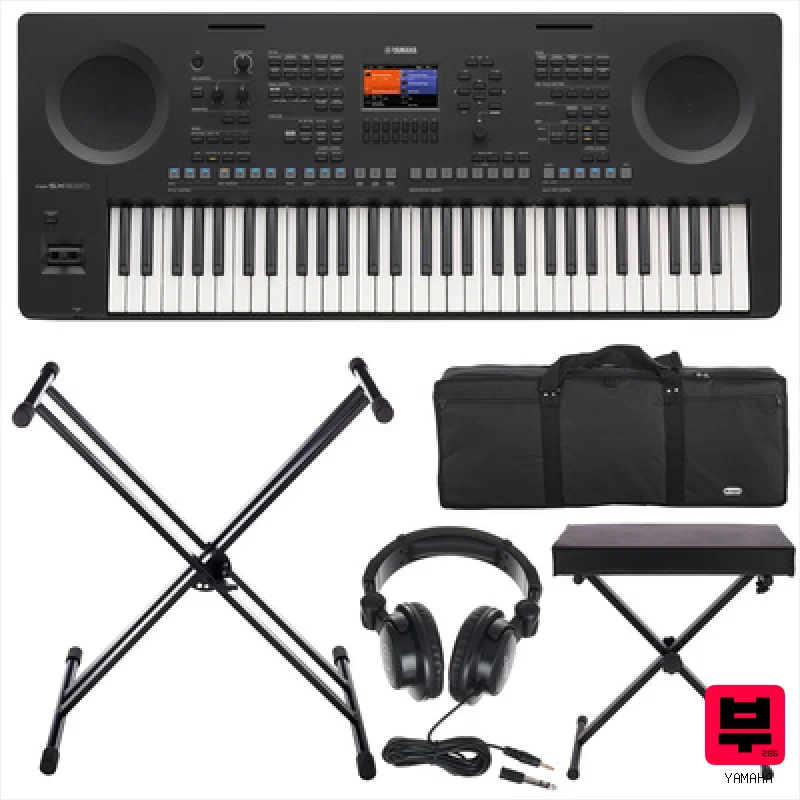
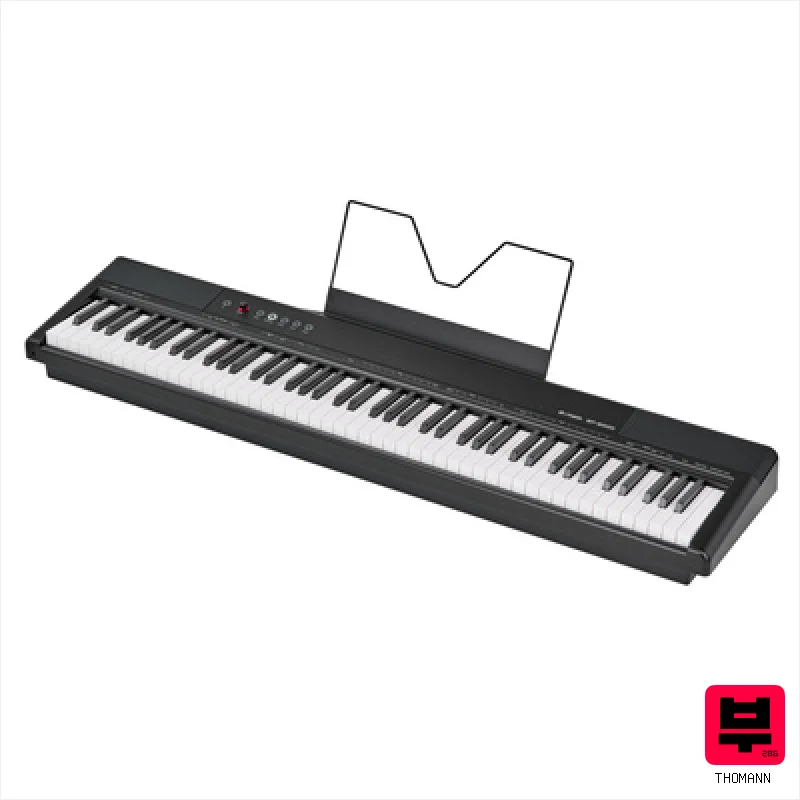
Casio CT-S200 Casiotone 61-Key Portable Keyboard
AP-S200 BN · Casio
70 for sale on Reverb6 finishes at Thomann
- Weight34 kg
- Key actionWeighted keys
The AP-S200 BN is a solid choice for beginners or intermediate players looking for a stylish and relatively affordable entry into the digital piano world. The action is surprisingly good for the price point, and the compact design makes it easy to fit into smaller spaces. It’s great for home practice and casual playing, but don't expect studio-level sound quality or a huge range of sonic textures.
Pros
- Attractive brown finish elevates aesthetics for modern living spaces.
- Smart Scaled Hammer Action provides a surprisingly realistic piano feel.
- Decent speaker system delivers clear, usable sound for practice and small performances.
Cons
- Sound engine, while adequate, lacks the nuance of higher-end digital pianos.
- The included 3-fold pedal feels somewhat plasticky and basic.
90AudioFu
Index↓ 23.9%since Aug 14 · lowest so far$1,265 · Aug 14$963 now$963€859 at Thomann · in stockCheck price ↗ -
Casio GP-310 Celviano Grand Hybrid 88-Key Digital Piano
GP-310 WE Celviano · Casio
9 for sale on Reverb4 finishes at Thomann
- Weight78.5 kg
- Keys88 keys
- Key actionWeighted keys
The Casio GP-310 WE is a seriously impressive hybrid digital piano, especially for those who want a realistic grand piano feel and sound without the space or upkeep of the real thing. The collaboration with C. Bechstein really shines through in the tone, making it a great choice for intermediate to advanced players looking for a premium-priced, versatile instrument for home practice and occasional performance.
Pros
- Bechstein collaboration elevates sound authenticity and nuance.
- Hammer action provides surprisingly realistic grand piano feel.
- Solid matte white finish adds a touch of understated elegance.
Cons
- DSP effects, while present, lack the depth of higher-end pianos.
- Polyphony, while adequate, might struggle with extremely complex layered sounds.
68AudioFu
Index↓ 3.8%since Aug 14 · lowest so far$2,912 · Aug 14$2,800 now$2,800€2,499 at Thomann · in stockCheck price ↗ -
- Weight43 kg
- Key actionWeighted keys
The CN-201 R is a really solid entry-level digital piano. The action is genuinely impressive for the price point, and it looks great with that Rosewood finish. It's perfect for beginners or intermediate players who want a realistic piano feel and a decent sound without a premium-priced investment.
Pros
- Responsive Hammer III action convincingly replicates acoustic piano feel
- Rosewood finish adds a touch of elegance and warmth to the instrument
- Bluetooth MIDI offers convenient connectivity for modern music production
Cons
- Limited sound selection compared to higher-end digital pianos
- Recorder functionality is basic, lacking advanced editing capabilities
65AudioFu
Index↑ 0.8%since Aug 14$1,377 · Aug 14$1,388 now$1,388€1,239 at Thomann · in stockCheck price ↗ -
- Weight47.5 kg
- Key actionWeighted keys
The CN-301 W is a solid choice for intermediate players and beginners looking for a realistic piano experience without the premium price tag. The RHIII action is genuinely impressive for this class of instrument, and the Bluetooth features are a welcome addition. It’s a great all-rounder for home practice and casual performance.
Pros
- Responsive Hammer III action delivers surprisingly realistic key weighting.
- Satin white finish is elegant and resists fingerprints well.
- The built-in speaker system provides a full, warm sound for practice.
Cons
- Limited sound selection compared to higher-end Kawai models.
- The OLED display, while clear, is relatively small for detailed editing.
64AudioFu
Index↓ 1.3%since Aug 14 · lowest so far$1,747 · Aug 14$1,725 now$1,725€1,539 at Thomann · in stockCheck price ↗ -
- Weight76.5 kg
- Key actionWeighted keys
The CA-701 W is a seriously impressive instrument, offering a truly authentic acoustic piano experience without the upkeep. It’s a fantastic choice for intermediate to advanced players seeking a high-quality, home-based piano with a beautiful aesthetic and reliable connectivity. This is a great option for someone who prioritizes realistic feel and sound over ultimate versatility.
Pros
- Grand Feel III action delivers remarkably realistic, nuanced hammer response.
- SK-EX Rendering accurately simulates the acoustic resonance of a flagship Steinway.
- Solid cabinet construction and attractive white finish exude a premium feel.
Cons
- The 5” touchscreen feels a bit small and cramped for extended use.
- Limited sound editing capabilities compared to higher-end digital pianos.
63AudioFu
Index↑ 1.1%since Aug 14$2,946 · Aug 14$2,980 now$2,980€2,659 at Thomann · in stockCheck price ↗ -
- Weight60 kg
- Key actionWeighted keys
The CLP-845 WB is a serious contender for intermediate to advanced players seeking a realistic piano experience without the space or maintenance of an acoustic. The action is truly impressive for a digital, and the sound quality is top-notch, making it a fantastic home practice tool or stage instrument for classical, jazz, or contemporary genres.
Pros
- Wooden white keys offer a refined feel and improved tactile response.
- GrandTouch-S action convincingly replicates acoustic piano key weighting.
- CFX and Bösendorfer sounds are exceptionally detailed and nuanced.
Cons
- The LCD screen, while functional, is relatively small and basic.
- Audio recording capabilities are limited to .wav format; lacks more modern options.
62AudioFu
Index↓ 4.7%since Aug 14 · lowest so far$2,610 · Aug 14$2,487 now$2,487€2,219 at Thomann · in stockCheck price ↗ -
- Weight57 kg
- Key actionWeighted keys
The CLP-835 is a solid, reliable digital piano offering a surprisingly authentic playing experience. The GrandTouch-S action is a standout feature, and the sound quality is excellent. This is a great choice for intermediate to advanced players wanting a high-quality instrument for home practice and performance, without the bulk and maintenance of an acoustic grand.
Pros
- GrandTouch-S action convincingly replicates acoustic piano feel.
- CFX and Bösendorfer sounds offer a genuinely premium tonal palette.
- Built-in recording capabilities simplify composition and practice workflows.
Cons
- The synthetic ivory/ebony feel isn't quite the same as real ivory.
- Limited speaker power might necessitate external amplification for larger spaces.
60AudioFu
Index↓ 1.2%since Aug 14 · lowest so far$1,894 · Aug 14$1,870 now$1,870€1,669 at Thomann · in stockCheck price ↗ -
- Weight12 kg
- Key actionWeighted keys
The ES-120 W is a solid entry-level digital piano, especially for students or gigging musicians needing portability. The RHC action is surprisingly good for its class, and the Bluetooth features make it easy to integrate into a modern setup. It's a dependable workhorse that gets the job done without breaking the bank.
Pros
- Responsive Hammer Compact action provides surprisingly realistic key feel.
- Solid build quality for a portable stage piano; feels durable.
- Bluetooth MIDI/Audio offers convenient connectivity and learning tools.
Cons
- RHC action lacks the depth and nuance of Kawai's higher-end actions.
- Speaker system is adequate but won't satisfy serious performance needs.
59AudioFu
IndexStableno change since Aug 14Aug 14$671 now$671€599 at Thomann · in stockCheck price ↗ -
- Weight37 kg
- Key actionWeighted keys
This piano feels great to play with its 88 weighted keys and smooth action. It offers three real Shigeru Kawai grand sounds plus plenty of polyphony. The small size makes it perfect for a home studio or a bedroom. It is a solid choice for players who want a reliable, compact instrument without needing a huge setup.
Pros
- 88 weighted keys using Responsive Hammer Compact II action
- Three specific Shigeru Kawai grand piano tones included
- 192 voice polyphony handles complex chords well
Cons
- Only 40 watts output limits loudness
- Missing USB audio for direct recording
59AudioFu
IndexStableno change since Aug 17Aug 17$1,321 now$1,321€1,179 at Thomann · in stockCheck price ↗ -
- Weight37.6 kg
- Key actionWeighted keys
The AP-S450BK is a really interesting offering – Casio’s Smart Hybrid action provides a surprisingly good playing experience for the money, and the Bechstein collaboration is a nice touch. It’s a great choice for students, apartment dwellers, or anyone wanting a portable, full-sized piano with a decent sound without the premium price tag.
Pros
- Smart Hybrid Hammer Action offers surprisingly realistic key feel.
- AiR sound engine delivers a warm, nuanced piano tone.
- Compact design balances portability with full 88-key functionality.
Cons
- The spruce/plastic hybrid action isn't a true acoustic feel.
- Limited sound selection compared to higher-end digital pianos.
59AudioFu
Index↓ 11.1%since Aug 14 · lowest so far$1,512 · Aug 14$1,344 now$1,344€1,199 at Thomann · in stockCheck price ↗
All 48 general digital pianos
Same index, same nightly prices — compact. Colour options of one model share a row. Tap a photo to zoom.
- 11
Yamaha CLP-825 WHYamaha · 8 finishes59↓ 1.5%$1,523€1,359$1,523€1,359Check ↗
- 12
Thomann DP-140WH UThomann · 6 finishes58↓ 9.2%$894€798$894€798Check ↗
- 13
Alesis Concert 88-Key Digital PianoConcert · Alesis57↓ 13.6%$300€268$300€268Check ↗
- 14
Casio AP-300 BNCasio · 4 finishes57↓ 12.0%$1,232€1,099$1,232€1,099Check ↗
- 15
Casio AP-750 BKCasio · 4 finishes57↓ 12.3%$1,915€1,709$1,915€1,709Check ↗
- 16
Thomann DP-51 WHThomann · 6 finishes56↓ 4.9%$670€598$670€598Check ↗
- 17
Casio GP-510BP Celviano Grand Hybrid 88-Key Digital PianoGP-510 BP Celviano · Casio · 2 finishes56Stable$4,246€3,789$4,246€3,789Check ↗
- 18
Gewa DP 510 WhiteGewa · 4 finishes55Stable$783€699$783€699Check ↗
- 19
Casio AP-550 BKCasio · 3 finishes55↓ 10.4%$1,456€1,299$1,456€1,299Check ↗
- 20
Kawai CA-401 WKawai · 6 finishes55↑ 2.7%$2,128€1,899$2,128€1,899Check ↗
- 21
Yamaha CLP-875 WHYamaha · 5 finishes55Stable$3,664€3,270$3,664€3,270Check ↗
- 22
Casio CT-S1 76 WECasio · 4 finishes54↓ 34.7%$256€228$256€228Check ↗
- 23
Roland GO-61P GO:PIANO 61-Key Digital PianoGO:PIANO 88PX · Roland · 2 finishes54↓ 30.4%$308€275$308€275Check ↗
- 24
Hemingway DP-501 MKII RWHemingway · 6 finishes54↓ 5.4%$593€529$593€529Check ↗
- 25
Kawai CA-501 WKawai · 6 finishes54↑ 6.1%$2,520€2,249$2,520€2,249Check ↗
- 26
Thomann DP-32 WHThomann · 4 finishes53↓ 5.9%$558€498$558€498Check ↗
- 27
Thomann DP-95 WHThomann · 4 finishes53↓ 5.2%$615€549$615€549Check ↗
- 28
Kawai CX-102 WKawai · 4 finishes53Stable$1,007€899$1,007€899Check ↗
- 29
Kawai CA901 88-Key Digital PianoCA-901 R · Kawai · 8 finishes53↑ 0.6%$3,742€3,339$3,742€3,339Check ↗
- 30
Gewa DP 520 BlackGewa · 2 finishes52↓ 2.0%$1,097€979$1,097€979Check ↗
- 31
Gewa UP 540 BlackGewa · 2 finishes52↓ 3.6%$1,512€1,349$1,512€1,349Check ↗
- 32
Gewa CP 510 BlackGewa · 2 finishes51Stable$783€699$783€699Check ↗
- 33
Yamaha CSP-255 WHYamaha · 3 finishes51Stable$3,093€2,760$3,093€2,760Check ↗
- 34
Yamaha CSP-275 BYamaha · 3 finishes51Stable$4,113€3,670$4,113€3,670Check ↗
- 35
Yamaha CLP-885 BYamaha · 3 finishes51Stable$5,547€4,950$5,547€4,950Check ↗
- 36
Yamaha CVP-909 BYamaha · 3 finishes51Stable$11,598€10,350$11,598€10,350Check ↗
- 37
Gewa PP-3Gewa · 4 finishes50Stable$498€444$498€444Check ↗
- 38
Yamaha CSP-295 BYamaha · 5 finishes50Stable$6,443€5,750$6,443€5,750Check ↗
- 39
Yamaha CVP-701 Clavinova 88-Key Digital PianoCVP-701 PE · Yamaha · 4 finishes49↓ 2.6%$3,798€3,389$3,798€3,389Check ↗
- 40
Yamaha NU1XA Avant GrandYamaha · 2 finishes49Stable$6,532€5,829$6,532€5,829Check ↗
- 41
Yamaha CVP-905 BYamaha · 2 finishes49Stable$7,004€6,250$7,004€6,250Check ↗
- 42
Yamaha CLP-895GP PEYamaha · 2 finishes49Stable$11,531€10,290$11,531€10,290Check ↗
- 43
Gewa PP-2Gewa · 2 finishes46Stable$414€369$414€369Check ↗
- 44
Kawai Novus NV-6Kawai46Stable$9,514€8,490$9,514€8,490Check ↗
- 45
Kawai Novus NV-12Kawai46Stable$15,677€13,990$15,677€13,990Check ↗
- 46
Yamaha N-1X Avant GrandYamaha41↑ 10.1%$8,626€7,698$8,626€7,698Check ↗
- 47
Korg Poetry MagnifiqueKorg37Stable$2,184€1,949$2,184€1,949Check ↗
- 48
Roland GO:PIANO Bag BundleRoland17Stable$357€319$357€319Check ↗
General Digital Pianos by the numbers
Measured across all 200 models we track, not a sample.
Median $1,725 — half of all general digital pianos here cost less.
median of 197 models · 12 kg–104 kg
median of 23 models · 88–88
most common · 181 models
How to choose the best general digital pianos
Action
This is HUGE. A heavy, clunky action will kill your feel and make fast passages a chore. Look for graded hammer action - the lower notes should feel heavier than the higher ones, mimicking an acoustic piano. There's a big difference between a basic "velocity-sensitive" action and a properly weighted, escapement-equipped one; the latter is worth the extra cost if you're serious.
Sound Engine
That 'fat midrange honk' you're chasing? It's all in the sound engine. Some digital pianos have thin, brittle tones that lack warmth or character. Listen for a full dynamic range, a believable sustain, and realistic pedal response. Don't be fooled by a huge number of sounds; a few well-sampled, high-quality pianos are far more valuable than a library of cheesy organs.
Polyphony
Don't get hung up on massive polyphony numbers, but it's still a factor. 128 voices is generally plenty for most playing scenarios, but if you layer a ton of sounds or use complex orchestral patches, you'll want to be sure you're not experiencing note dropouts. Note dropouts during a gig are a real buzzkill.
Connectivity
Think about your workflow. Do you need USB MIDI, audio outputs for recording, or Bluetooth for silent practice with headphones? Modern pianos are often hubs for your entire setup, so consider the ports and options available. A simple ¼" line out can be a lifesaver in a live band setting.
Build Quality & Features
Cheap pianos often use flimsy plastic keybeds and mediocre speakers. While you don't need a concert grand, a solid build will withstand the rigors of gigging. Consider features like split/layer modes, effects, and internal speakers if you plan on using the piano as a standalone instrument.
Buying guide
So, you're in the market for a digital piano? Smart move - they're incredibly versatile. Whether you're a gigging keyboardist needing something reliable, a songwriter tracking demos, or just want a decent practice rig in your apartment, choosing the right one can be a headache. This isn't about specs on a page; it's about finding an instrument that feels right and delivers the sound you need to get the job done.
Digital pianos are a compromise - you're trading acoustic authenticity for portability and features. Generally, you get what you pay for: cheaper models often cut corners on the action and sound engine. Don't be swayed by flashy features; prioritize a realistic feel and a good-sounding piano voice.
If you're gigging regularly, invest in a model with road-worthy build quality and decent speakers; a bright, ice-picky top end won't cut through a loud band without causing feedback headaches.
How the AudioFu Index works
Five measured signals and nothing else — no stars from strangers, no “tested by experts” we didn’t do. The weights are fixed and public. We don’t play these instruments; we measure the market around them.
This chart covers 200 general digital pianos from the Thomann catalogue. Before you buy, read hands-on reviews and, where you can, play it. Full methodology.
AudioFu earns a commission when you buy through our Thomann links. It never changes the order — the index does.
- Demand40%
How many of this exact model are for sale on Reverb right now — what musicians actually buy and resell.
- Lineup20%
How many finishes Thomann stocks — makers expand the models that sell.
- Price15%
Where the price has moved since we started tracking in August.
- Specs15%
How completely the maker documents it.
- Maker10%
How deep the brand’s range is in this category.
Questions
What's the difference between graded hammer action and velocity-sensitive?
Graded hammer action mimics the feel of an acoustic piano, with heavier low keys and a realistic escapement. Velocity-sensitive actions just respond to how hard you press a key, but lack the nuanced feel of a true graded action.
Do I really need weighted keys?
If you're transitioning from an acoustic piano or want to develop proper technique, yes. Unweighted keys feel like playing a glorified MIDI controller - it's fine for synths, but not ideal for piano playing.
How important are the speakers?
If you're primarily recording or using headphones, speakers are less critical. But for gigging or casual playing, decent speakers are essential for a full, balanced sound. Don't expect miracles - they're usually not as good as studio monitors.
What does polyphony mean?
Polyphony refers to the number of notes the piano can play simultaneously. More polyphony prevents note dropouts when using complex sounds or layers.
Should I buy online or try it in a store?
Ideally, try before you buy. The feel of the action is incredibly subjective. If online is your only option, research reviews thoroughly and check the return policy.