
Best General Digital Pianos for Reliable Practice 2026
Look, you're serious about practicing. You're not just noodling around; you're building chops, working on voicings, and trying to nail those tricky chord changes. A flaky digital piano that cuts out mid-phrase or has an action that feels like dragging cement across a fretboard isn't gonna cut it. We've got a few solid contenders here that prioritize reliability and a playable feel, so you can actually focus on playing.
Last updated: July 22, 2026 • Next update: July 29, 2026
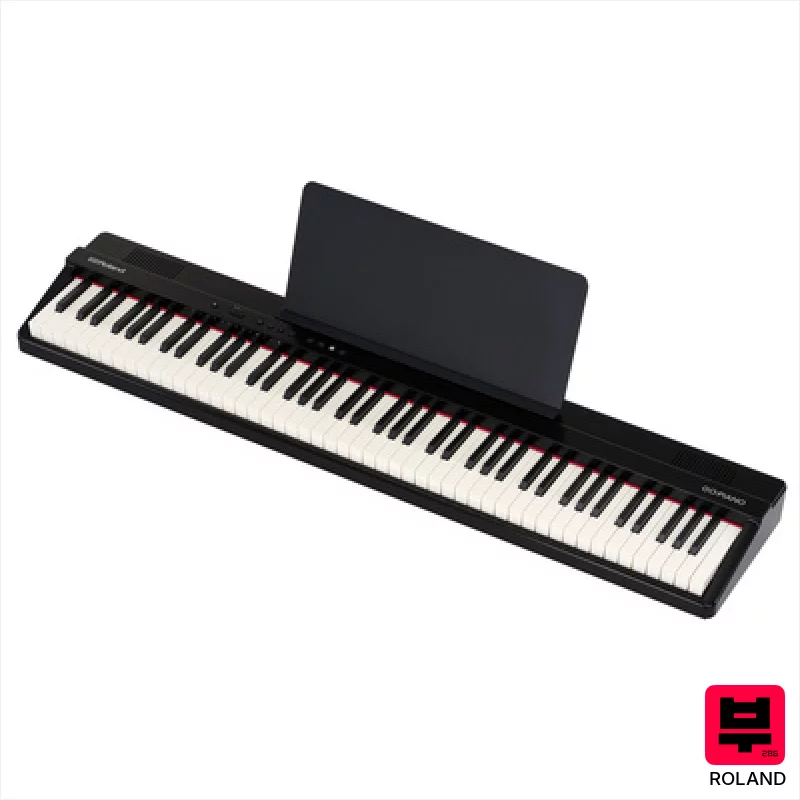
Roland GO:PIANO 88
- • Lightweight design facilitates easy transport for lessons or gigs.
- • Ivory Feel keys offer a surprisingly realistic, tactile playing experience.
- • Bluetooth connectivity simplifies integration with learning apps and mobile devices.
- • Compact box-shape design maximizes portability without sacrificing 88 keys.
- • Key action lacks the depth and responsiveness of higher-end weighted actions.
- • Sound engine, while decent, isn’t as nuanced as more expensive digital pianos.
- • Limited speaker power restricts performance in larger rooms or louder environments.
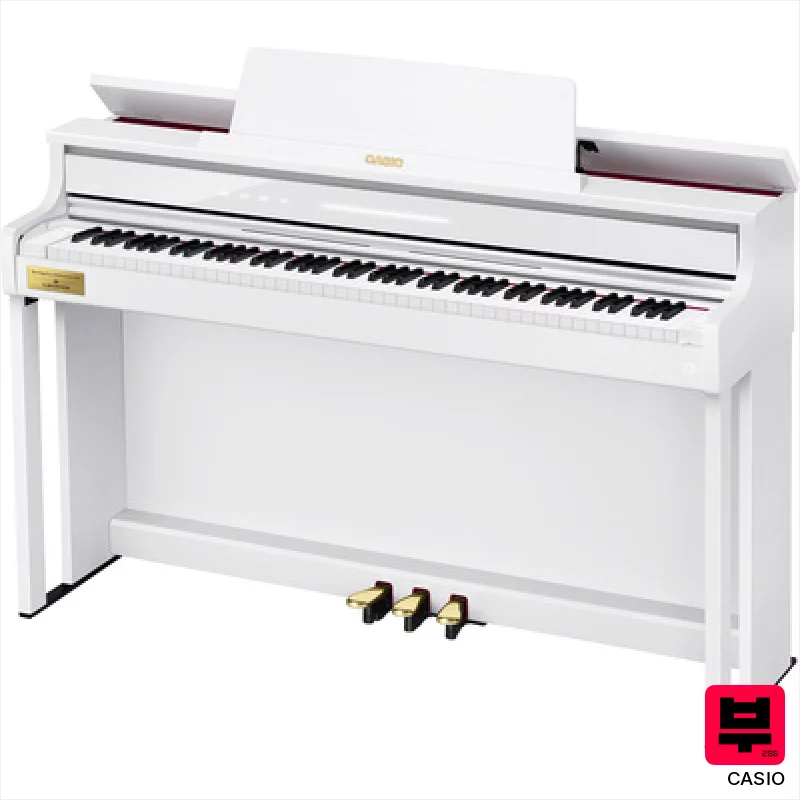
Casio AP-750 WE
- • Smart Hybrid Hammer Action delivers surprisingly realistic piano feel.
- • AiR Grand engine produces a warm, nuanced piano tone.
- • Collaboration with C. Bechstein lends credibility and refinement.
- • Visual Information Bar offers convenient, at-a-glance feedback.
- • Plastic components, while functional, feel less premium than all-wood construction.
- • Limited sound selection compared to higher-end digital pianos.
- • The built-in speakers, while decent, won't satisfy serious performance needs.
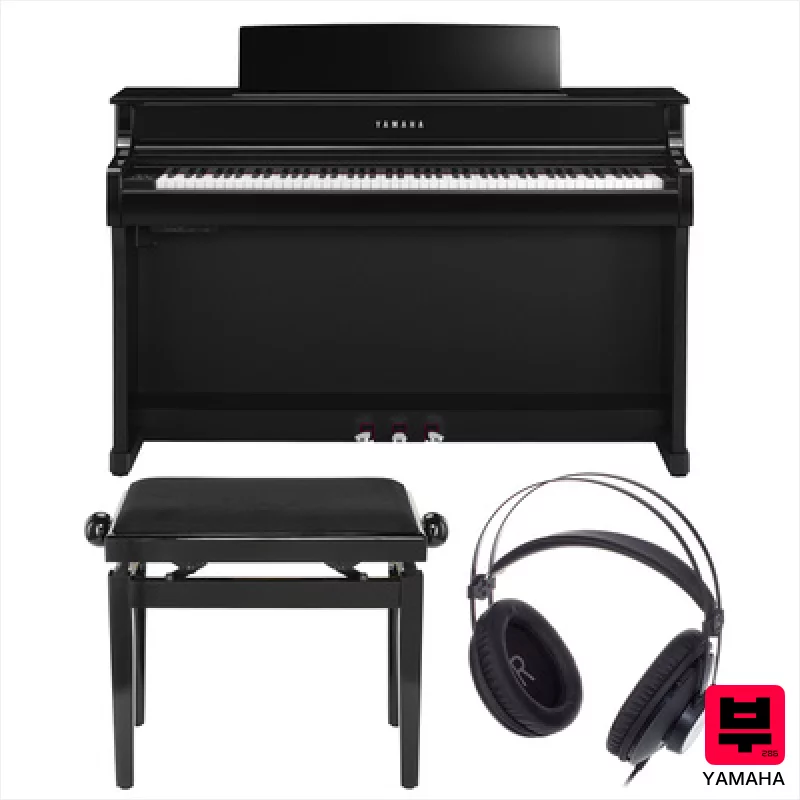
Yamaha CLP-845 PE Set
- • GrandTouch-S action delivers nuanced touch and realistic escapement.
- • CFX and Bösendorfer sounds offer a wide range of expressive piano tones.
- • Comprehensive recording capabilities allow for song creation and analysis.
- • Bluetooth MIDI expands connectivity and app integration options.
- • The LCD display, while functional, is relatively small and basic.
- • The bundled stand and bench are adequate, but not premium quality.
- • Limited effects compared to higher-end stage pianos or workstations.
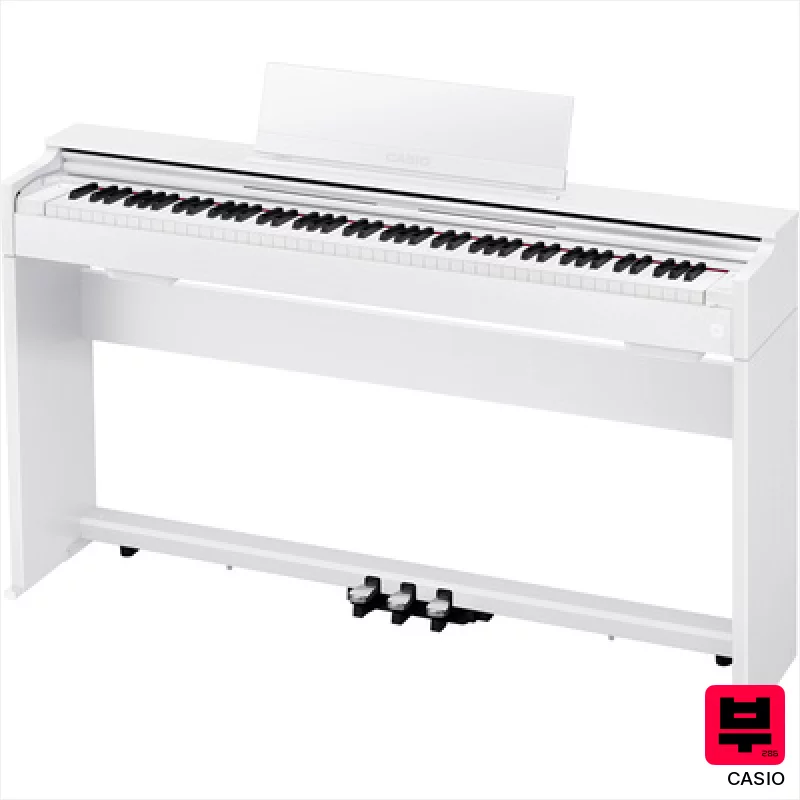
Casio AP-S200 WE
- • Excellent value for an 88-key weighted action piano.
- • Smart Scaled Hammer Action feels surprisingly responsive and nuanced.
- • Compact design allows for placement in smaller living spaces.
- • Built-in speakers deliver a decent, usable sound for practice.
- • Sound engine lacks the depth and complexity of higher-end digital pianos.
- • Pedal unit feels plasticky and lacks the refinement of professional units.
- • Limited sound selection compared to competing instruments in its class.

Casio AP-750 WE Celviano Set
- • Smart Hybrid Hammer Action offers surprisingly realistic key feel.
- • AiR Grand sound engine delivers a warm, expressive piano tone.
- • Bluetooth MIDI/Audio provides convenient wireless connectivity options.
- • Collaboration with C. Bechstein lends a touch of respected pedigree.
- • Polyphony, while decent, might be limiting for complex layered arrangements.
- • The visual information bar can feel a little basic compared to competitors.
- • Plastic components, while functional, detract slightly from a premium feel.
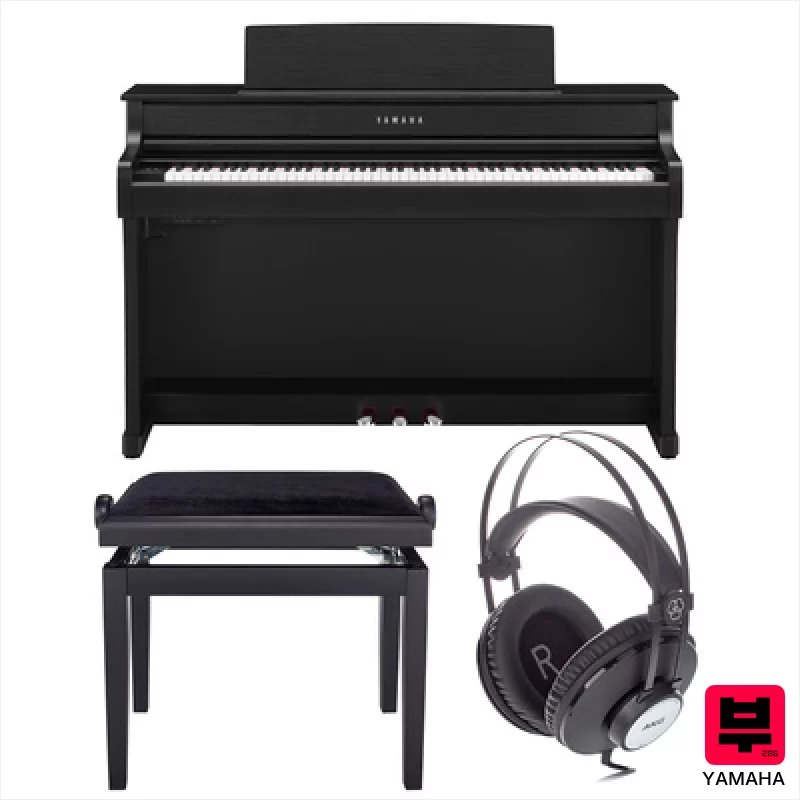
Yamaha CLP-845 B Set
- • GrandTouch-S action delivers realistic hammer feel and escapement.
- • CFX and Bösendorfer sounds offer a wide range of tonal palettes.
- • Excellent recording capabilities with .wav audio and MIDI tracks.
- • Smart Pianist app integration enhances learning and customization.
- • The LCD screen, while functional, is a bit small for detailed editing.
- • Cabinet finish, while attractive, isn't quite as premium as higher-end models.
- • Limited physical controls can make some functions feel less intuitive.
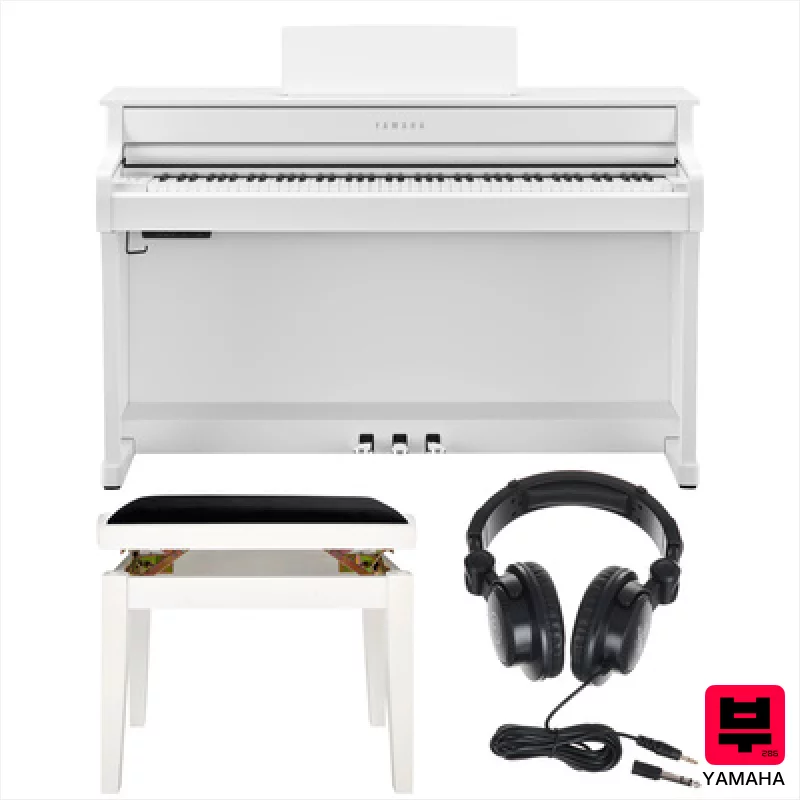
Yamaha CLP-835 WH Set
- • GrandTouch-S action convincingly mimics acoustic piano feel.
- • CFX and Bösendorfer sounds offer a wide tonal palette.
- • Built-in recording capabilities simplify song creation and practice.
- • Bluetooth MIDI expands connectivity and learning options.
- • The LCD screen is relatively small, impacting readability.
- • Sound projection, while decent, lacks the power of a stage piano.
- • The synthetic ivory/ebony feel, while good, isn't a perfect substitute.
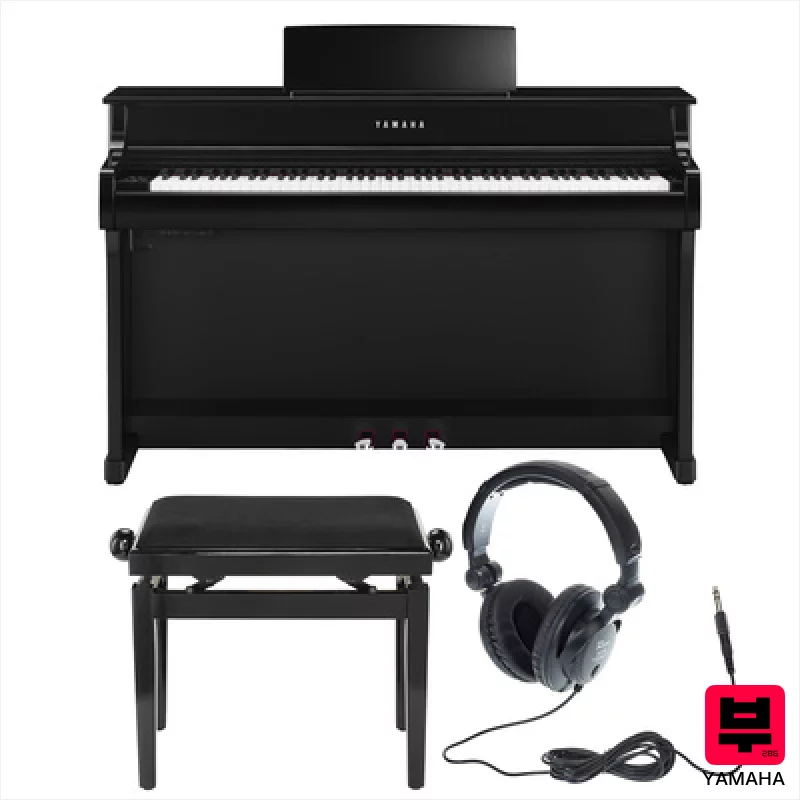
Yamaha CLP-835 PE Set
- • GrandTouch-S action convincingly replicates acoustic piano feel with realistic escapement.
- • CFX and Bösendorfer sounds offer a wide dynamic range and nuanced tonal character.
- • Excellent recording capabilities for both audio and MIDI, facilitating composition and practice.
- • Bluetooth MIDI connectivity expands versatility for learning and performance apps.
- • The LCD display, while functional, feels a bit dated compared to competitors’ color screens.
- • The included cabinet finish, while attractive, may not appeal to all aesthetic preferences.
- • While versatile, the effects are somewhat basic, limiting advanced sound sculpting options.
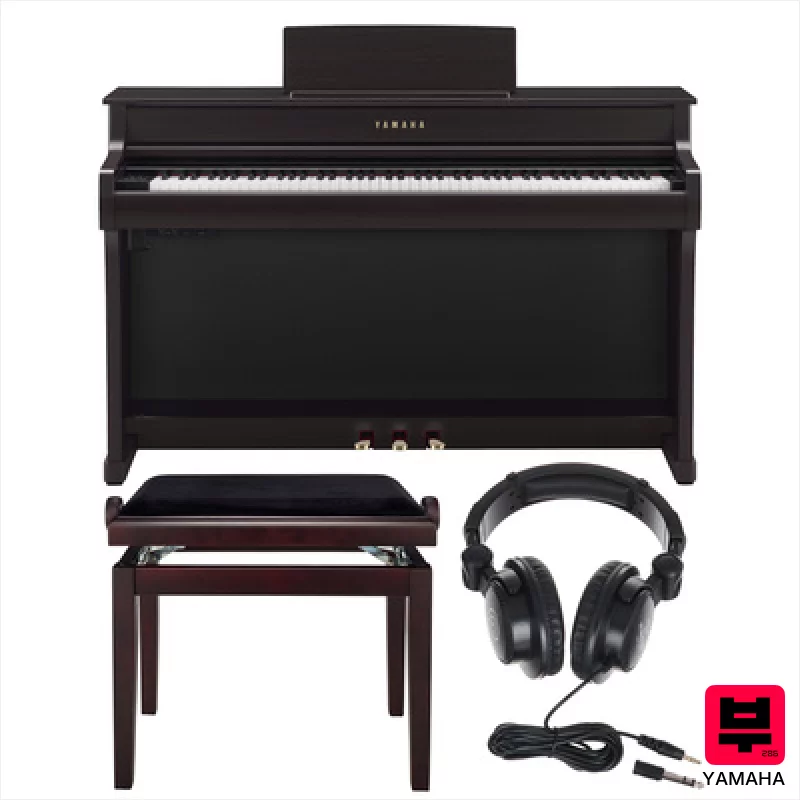
Yamaha CLP-835 R Set
- • GrandTouch-S action delivers excellent dynamic range and realistic escapement.
- • CFX and Bösendorfer sounds offer a truly premium piano tone palette.
- • Built-in audio recording capabilities are surprisingly robust and convenient.
- • Bluetooth MIDI and audio provide seamless connectivity for modern workflows.
- • The LCD display is functional but a bit small and lacks refinement.
- • The plastic cabinet construction, while sturdy, isn't as luxurious as higher-end models.
- • Limited effects compared to dedicated workstations or software pianos.
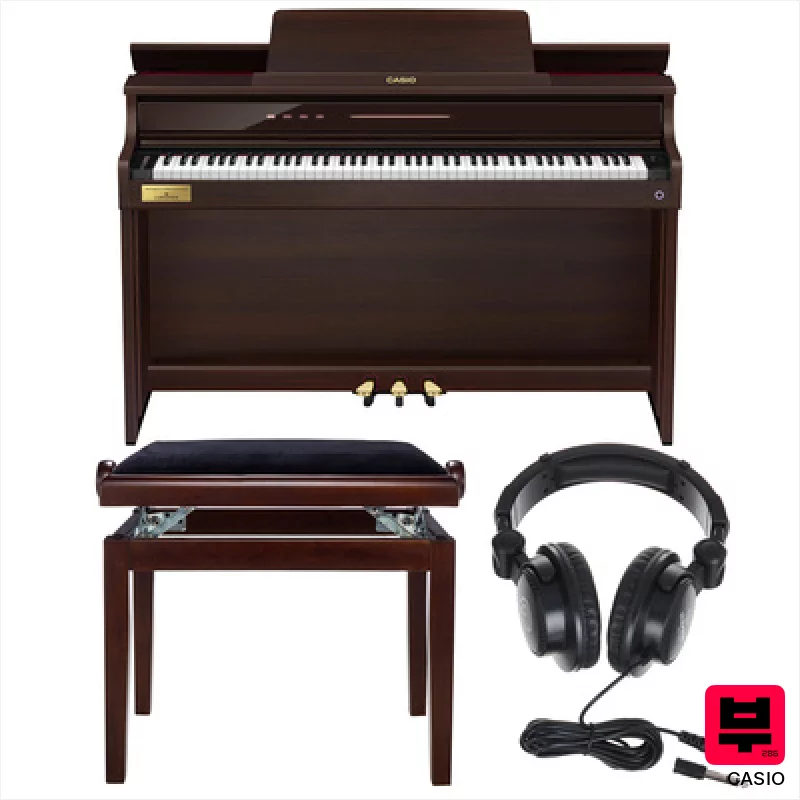
Casio AP-750 BN Celviano Set
- • Smart Hybrid Hammer Action delivers surprisingly realistic piano feel.
- • AiR Grand engine provides a warm, nuanced acoustic piano tone.
- • Collaboration with C. Bechstein lends a degree of acoustic piano authenticity.
- • Bluetooth MIDI/Audio adds convenient wireless connectivity options.
- • Plastic/spruce hybrid action, while good, lacks the all-wood feel of higher-end pianos.
- • Sound engine, while improved, still exhibits digital piano artifacts upon close listening.
- • Limited sound selection compared to more versatile stage pianos.
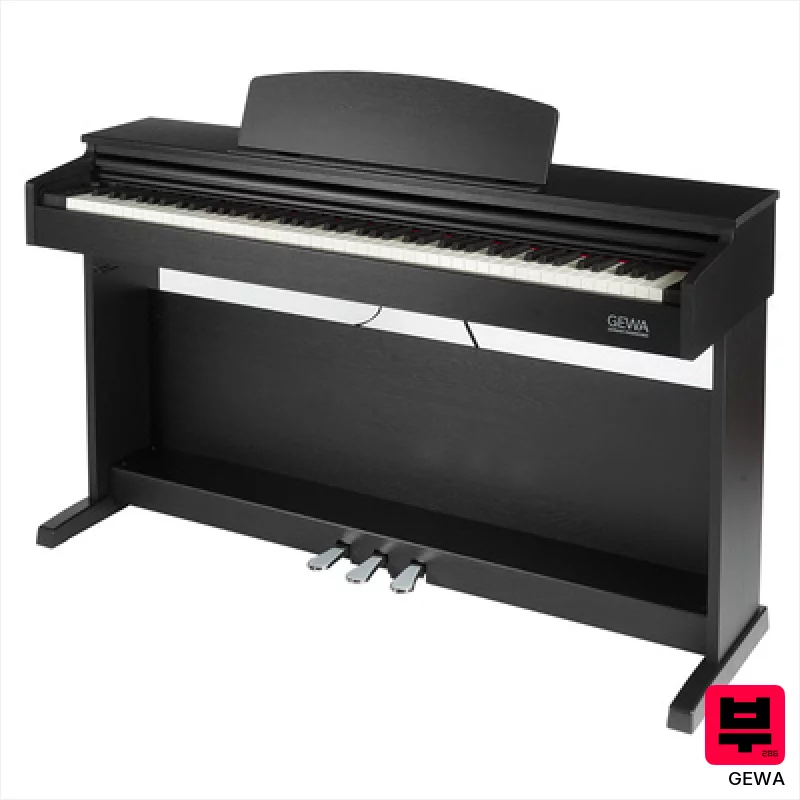
Gewa DP 510 Black
- • Steinway D274 sample delivers a surprisingly authentic, warm grand piano tone.
- • GEWA Piano Remote App offers genuinely useful customization and control.
- • Illuminated soft-touch buttons are a surprisingly elegant and practical touch.
- • User Calibration Tool allows fine-tuning for personalized key feel responsiveness.
- • Speaker system, while decent, lacks the depth for serious performance environments.
- • Limited sound library, though the core piano sounds are excellent, restricts versatility.
- • Plastic construction, while acceptable at this price point, isn't as premium as wood.
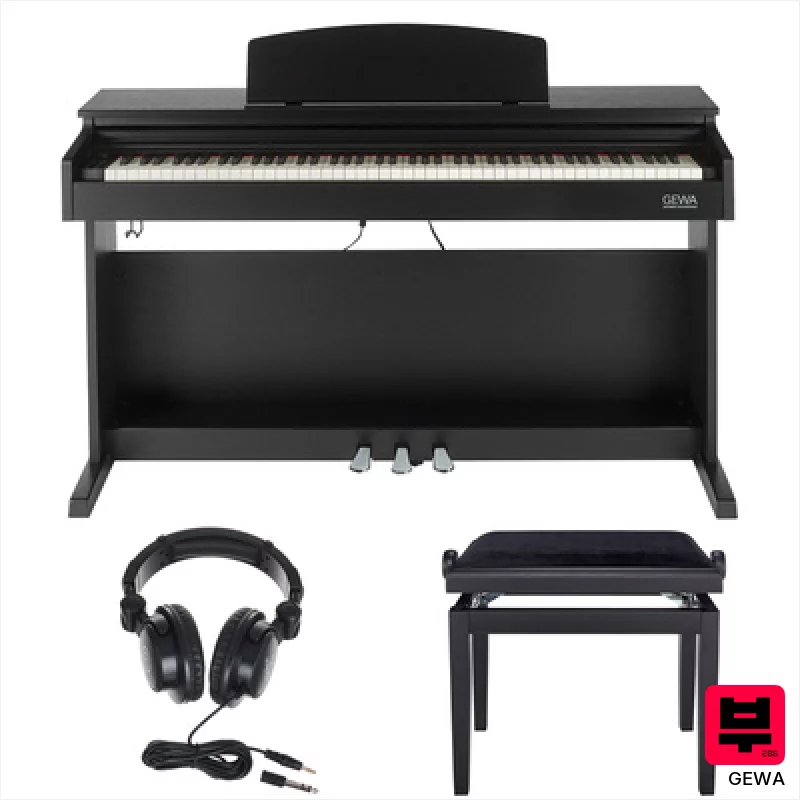
Gewa DP 510 Black Set
- • Solid weighted action provides a surprisingly realistic piano feel.
- • Steinway D274 sample offers a warm, nuanced, and expressive tone.
- • The GEWA Piano Remote App simplifies operation and customization.
- • Bluetooth MIDI/Audio connectivity expands versatility for learning and performance.
- • The speaker system, while decent, lacks the richness of external monitors.
- • Limited sound selection compared to more premium digital pianos.
- • The plastic casing, though functional, doesn't exude a premium feel.
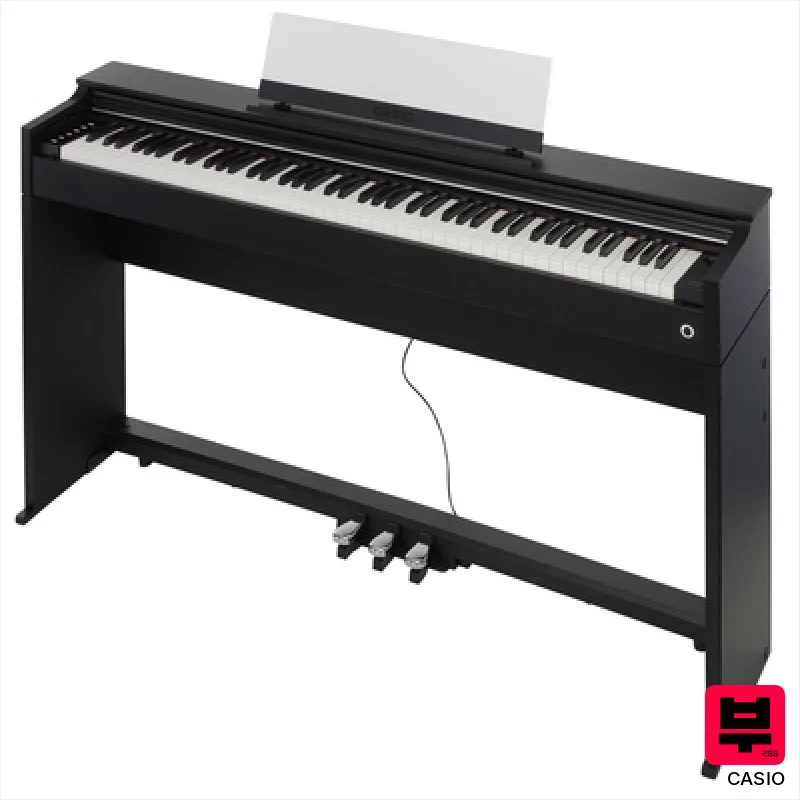
Casio AP-S200 BK
- • Excellent, responsive Smart Scaled Hammer Action keyboard for nuanced playing.
- • Surprisingly full and warm piano tones for an entry-level digital.
- • Compact design and slim profile suit smaller spaces or apartments.
- • The included WU-BT10 adapter offers convenient Bluetooth MIDI and audio connectivity.
- • The built-in speaker system, while decent, lacks true dynamic range for performance.
- • Sound engine, while improved, still exhibits some digital piano artifacting at extremes.
- • Limited sound selection compared to higher-end digital pianos.
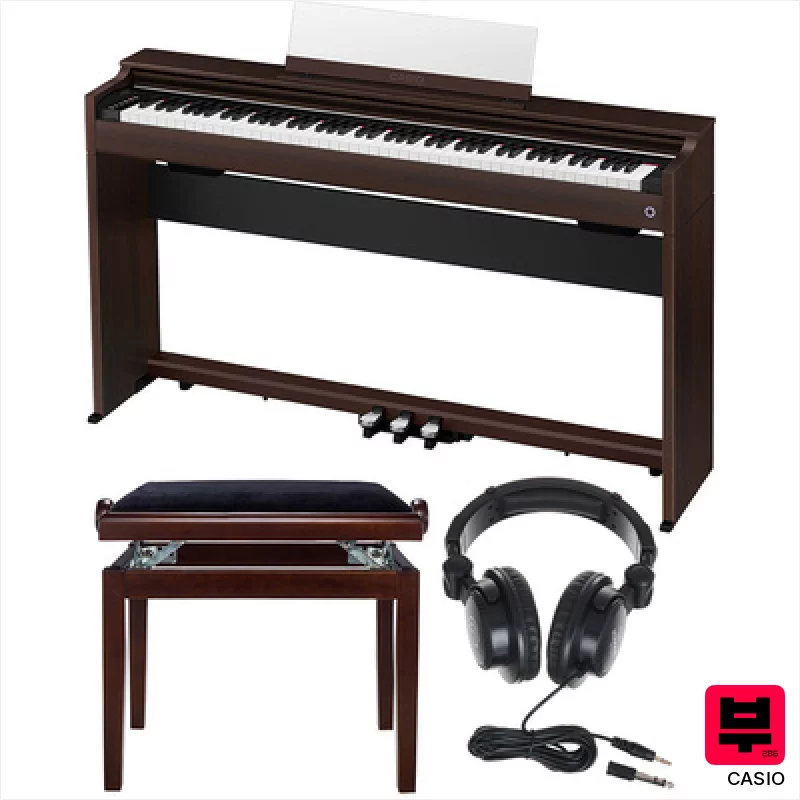
Casio AP-S200 BN Set
- • Attractive brown finish elevates aesthetics compared to typical black pianos.
- • Smart Scaled Hammer Action provides surprisingly realistic key feel for its price bracket.
- • Dual/Layer functionality allows creative sound layering and experimentation.
- • Built-in audio recording is a genuinely useful feature for practice and composition.
- • Limited sound palette compared to higher-end digital pianos; 19 sounds is restrictive.
- • Speaker system, while adequate, lacks the depth and richness for performance-level use.
- • The bundled WU-BT10 adapter feels like an afterthought; Bluetooth implementation is basic.
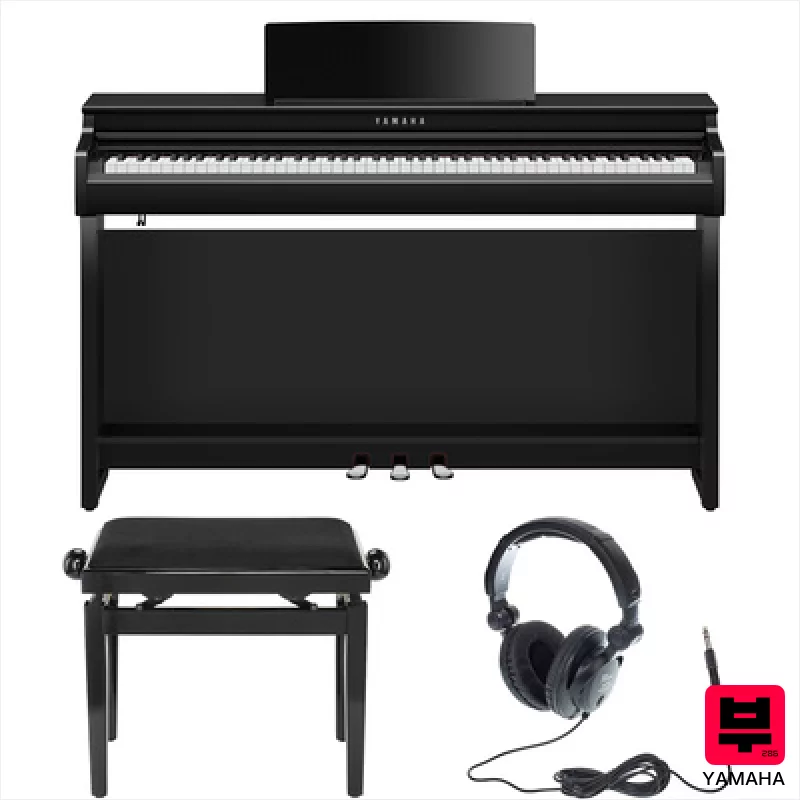
Yamaha CLP-825 PE Set
- • GrandTouch-S action delivers realistic piano feel with nuanced escapement.
- • CFX and Bösendorfer sounds offer a broad spectrum of tonal character.
- • Bluetooth MIDI simplifies connectivity and app integration for learning.
- • Solid 3-way pedal unit provides expressive dynamic control.
- • The speaker system, while decent, lacks the depth for truly immersive performance.
- • The USB recording functionality is fairly basic, limiting advanced production workflows.
- • The polished ebony finish is a fingerprint magnet requiring frequent cleaning.
How to Choose the Best General Digital Pianos
Action
This is everything. A heavy, uneven, or mushy action will kill your technique faster than you can say 'pentatonic scale.' We're looking for something responsive, with decent weighting and consistent escapement - something that mimics a real acoustic action, even if it's graded hammer. The Yamaha GH3 action is a benchmark for a reason.
Tone
'Piano sound' isn't enough. We need a balanced response across the spectrum. Too bright and it'll be fatiguing, too dark and it'll lack articulation. That 'fat midrange honk' is crucial for cutting through a band mix, and a decent low-end thump is essential for gospel or blues. A few different piano voicings are a bonus, but don't chase 'perfect' - find something that inspires you.
Reliability
Let's be blunt: cheap electronics fail. Look for reputable brands, solid build quality, and decent power supply. A piano that dies mid-take or during a gig is useless. Check online forums for common failure points - that's your best real-world review.
Connectivity
Modern practice involves recording, looping, and playing along with backing tracks. USB MIDI, audio outputs, and even Bluetooth are essential. You want to be able to integrate your piano into your workflow without fighting with drivers or compatibility issues.
Polyphony
128 voices is pretty much the minimum these days. Anything less, and you'll hear notes dropping out when you get into complex chords or layered sounds. It's not a sexy spec, but it's a critical one for avoiding frustration.
Buying Guide
Don't be fooled by flashy features you'll never use. A solid action and a usable piano tone are the priorities. The cheaper the piano, the more likely it is corners have been cut - often in the action or the quality of the internal speakers. Paying a bit more for a name-brand action like Yamaha or Roland is almost always worth it if you're serious about developing good technique.
Our Methodology
We don't just look at spec sheets here. We've spent hours putting these pianos through their paces - everything from quiet bedroom practice to simulating band rehearsals and even a few quick recording sessions. We're A/B-ing against each other, comparing action feel, and listening critically for that sweet spot between realistic piano tone and usable versatility. It's about real-world performance, not marketing buzz.

