
Best Expander Modules for Complex Setups 2026
So, you've built a modular system that's sprawling across your studio, patching everything from noise generators to complex FM oscillators, and you're realizing you need more voices, more modulation destinations, more something. Expander modules are the unsung heroes of complex modular setups - they're not about inventing new sounds, they're about managing and multiplying the ones you already have. Let's talk about what makes an expander module actually useful when you're wrestling a system with this much potential.
Last updated: July 22, 2026 • Next update: July 29, 2026
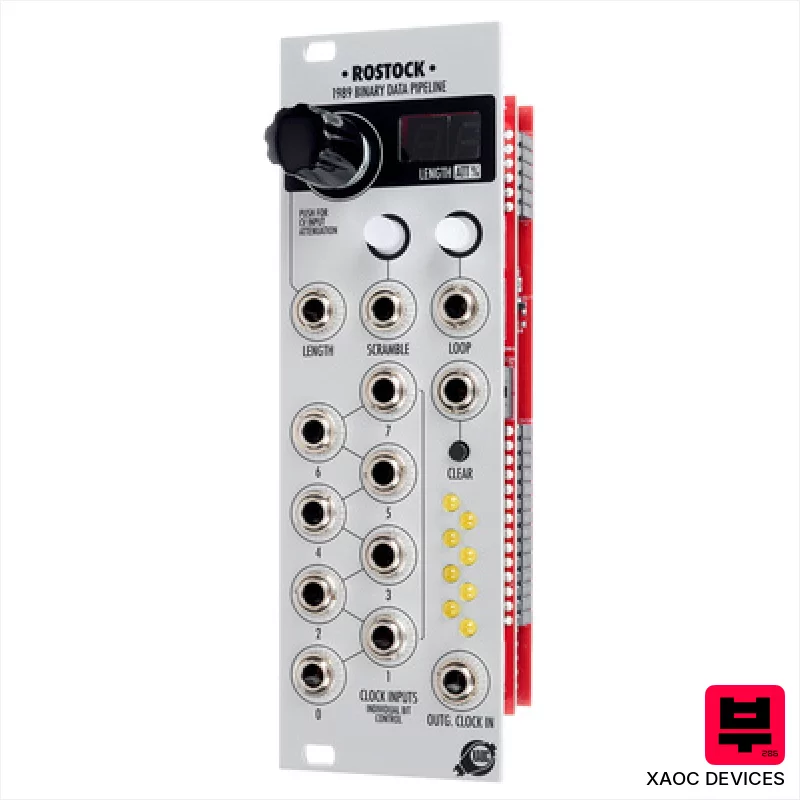
XAOC Devices Rostock
- • Exceptional bit-level manipulation for complex rhythmic textures.
- • Leibniz system integration unlocks truly unique sequencing possibilities.
- • Scramble function creates unpredictable, chaotic melodic variations.
- • Compact 8HP footprint maximizes valuable rack space.
- • Relatively high power draw compared to simpler utility modules.
- • Steep learning curve; requires understanding of binary data concepts.
- • Limited standalone utility; designed as part of a larger system.
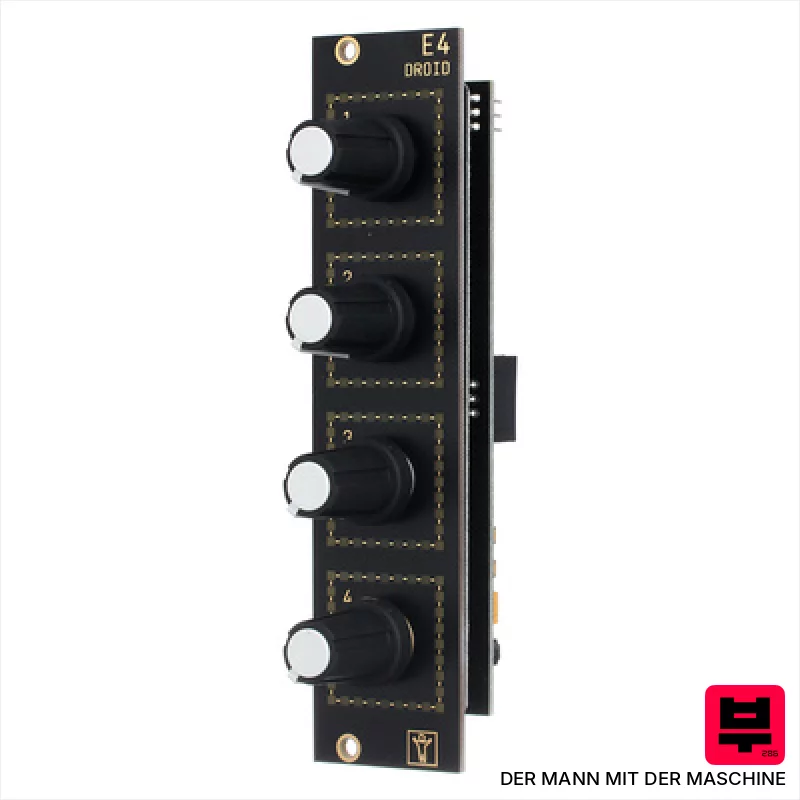
Der Mann mit der Maschine E4 Controller
- • Excellent build quality with robust, smooth multiturn encoders.
- • LEDs offer clear, customizable visual feedback for parameter tracking.
- • 6U width maximizes space efficiency within a Eurorack system.
- • Seamless integration with Droid Master expands its control capabilities.
- • Requires Droid Master – not a standalone controller.
- • 6U width might be restrictive for smaller Eurorack cases.
- • Limited to 4 encoders; more complex control schemes may feel constrained.
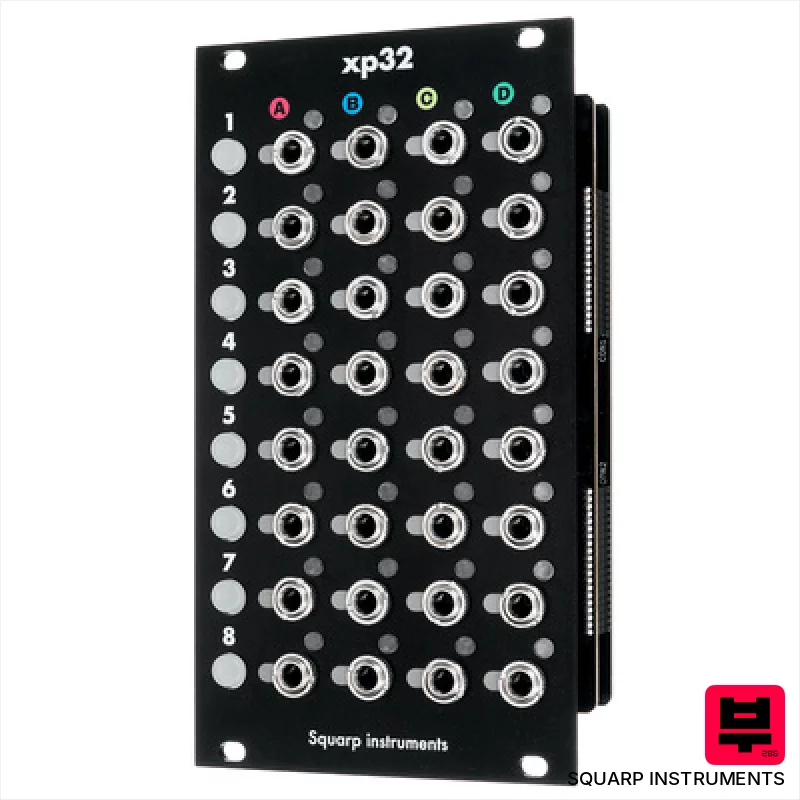
Squarp Instruments xp32
- • Exceptional 16-bit AD conversion delivers clean, precise signal routing.
- • 32 outputs significantly expand Hermod+ sequencing possibilities.
- • Compact 14HP footprint maximizes Eurorack space efficiency.
- • Dedicated modulation sources unlock creative, complex rhythmic patterns.
- • Requires Hermod+; not a standalone module, limiting its appeal.
- • Power draw, while manageable, can be a consideration in dense racks.
- • Learning curve exists to fully utilize all 32 outputs and modulation.

Vermona Modular MEX3
- • Expands meloDICER functionality significantly, unlocking its full potential.
- • Three-part chord generation provides complex harmonic textures.
- • Comprehensive MIDI control via CC commands allows for deep sequencing.
- • Compact 4U width makes it suitable for dense Eurorack setups.
- • Requires a Vermona meloDICER to function; it's not standalone.
- • Limited MIDI connectivity with only 3.5mm TRS jacks.
- • Power draw, while modest, can still impact smaller power supplies.

Neuzeit Instruments WarpEX
- • Four CV/Gate inputs unlock true polyphonic sequencing capabilities.
- • Compact 4U width maximizes space in tight Eurorack setups.
- • MIDI In/Out simplifies integration with external hardware and DAWs.
- • Robust construction, typical of Neuzeit’s dependable build quality.
- • Requires the Neuzeit Warp core module; it's not standalone.
- • 3.5mm jack MIDI implementation can be finicky with some cables.
- • Power draw, while manageable, could impact power budget in dense systems.
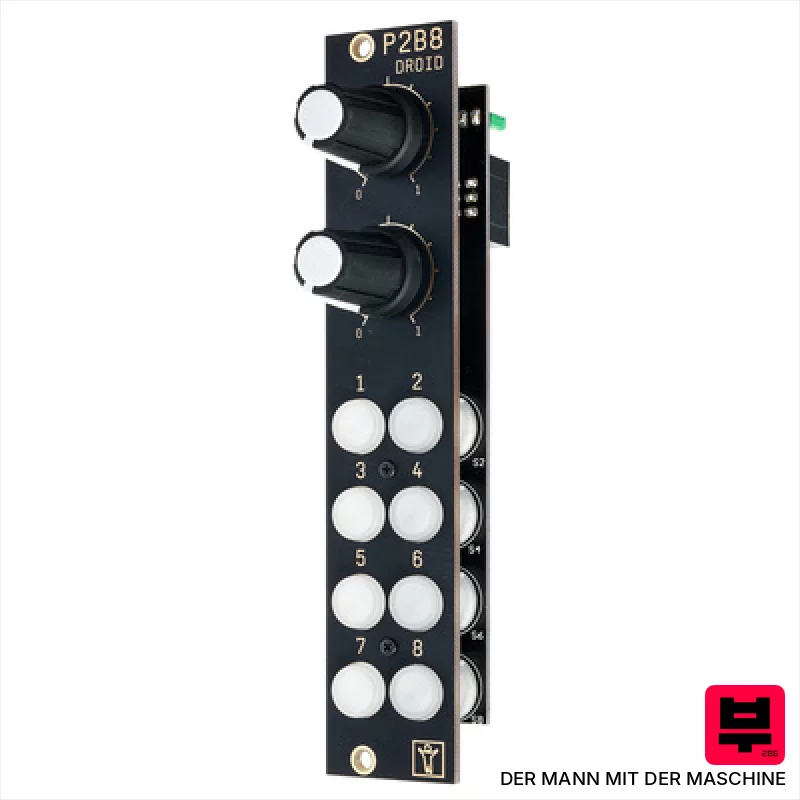
Der Mann mit der Maschine P2B8 Controller Green
- • Excellent build quality; feels robust with a solid, metal enclosure.
- • Green illumination is visually appealing and offers good visibility in darker environments.
- • The 6-pin ribbon cable connection is secure and simplifies integration with Droid Master.
- • Provides a tangible, hands-on control layer for Droid Master’s complex parameters.
- • Requires the Droid Master module, significantly increasing overall system cost.
- • Limited to Droid Master functionality; lacks standalone operation capabilities.
- • 5HP footprint can be restrictive in densely populated Eurorack cases.
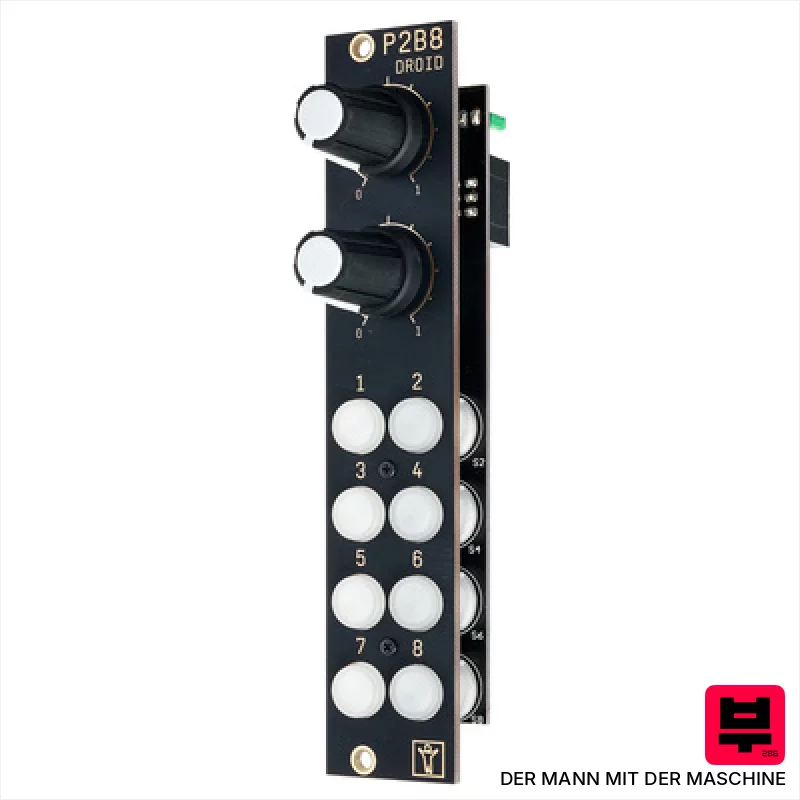
Der Mann mit der Maschine P2B8 Controller Red
- • Excellent tactile knobs offer precise, immediate parameter adjustments.
- • Bright red LEDs provide clear visual feedback in dimly lit environments.
- • Compact 5U width maximizes space efficiency within a Eurorack case.
- • Ribbon cable included simplifies initial setup and connection.
- • Requires the Droid Master module; standalone functionality is nonexistent.
- • Limited to only two knobs; more extensive control needs additional modules.
- • Plastic construction feels slightly less robust than higher-end Eurorack modules.

Der Mann mit der Maschine P2B8 Controller
- • Excellent build quality; feels robust despite the small size.
- • Assignable knobs offer precise, hands-on parameter control.
- • Illuminated buttons provide clear visual feedback in low-light conditions.
- • Compact 5U form factor saves valuable space in tight Eurorack setups.
- • Requires the Droid Master module, increasing overall investment.
- • Limited to only two knobs, may not suit complex modulation needs.
- • Ribbon cable connection feels a little flimsy, potential for wear.

XAOC Devices Bohumin
- • Expands Ostrawa’s routing significantly, unlocking complex stereo effects.
- • Provides precise level control over aux returns, crucial for mix shaping.
- • CV and gate inputs offer dynamic, performance-driven aux sends and mutes.
- • Compact 10HP footprint maximizes space in dense modular systems.
- • Requires Ostrawa, limiting its standalone utility and increasing overall cost.
- • Aux send B CV input lacks attenuation, potentially overwhelming the return.
- • Limited to two aux returns; more complex routing demands further expansion.
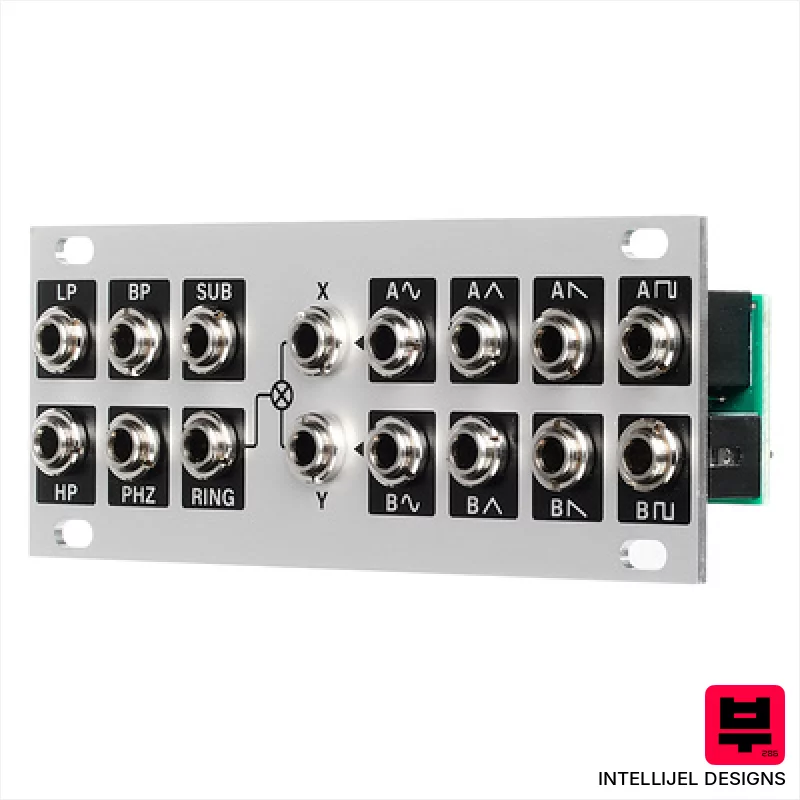
Intellijel Designs Atlx 1U
- • Expands Atlantix functionality significantly, adding ring modulation.
- • Provides multiple outputs for complex oscillator routing.
- • Robust Intellijel build quality; feels very solid.
- • Compact 20HP footprint maximizes space in a modular system.
- • Requires an Atlantix system; not standalone functionality.
- • Ring modulation can be harsh; requires careful parameter adjustment.
- • Limited utility outside of Atlantix system integration.
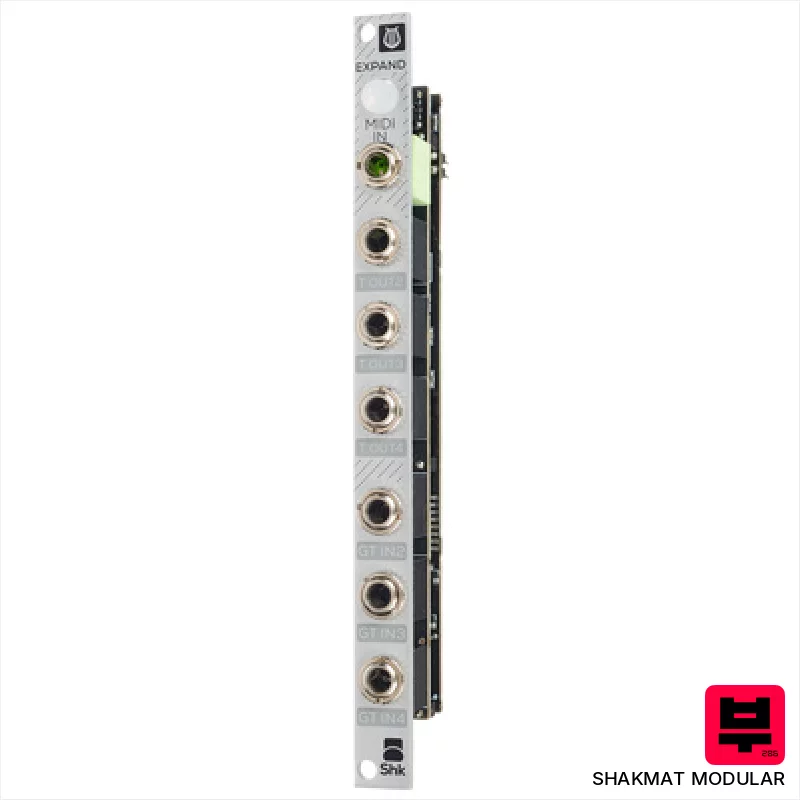
Shakmat Modular Bard Quartet Expand
- • MIDI control expands Bard Quartet’s functionality significantly.
- • Compact 2U form factor maximizes Eurorack space efficiency.
- • Dedicated MIDI button offers tactile control and workflow boost.
- • Firmware update compatibility ensures future-proofing and upgrades.
- • Requires Serial Programmer for older Bard Quartet modules, adding cost/complexity.
- • Limited power draw necessitates careful Eurorack power planning.
- • 3.5mm MIDI input is less robust than standard 5-pin DIN.
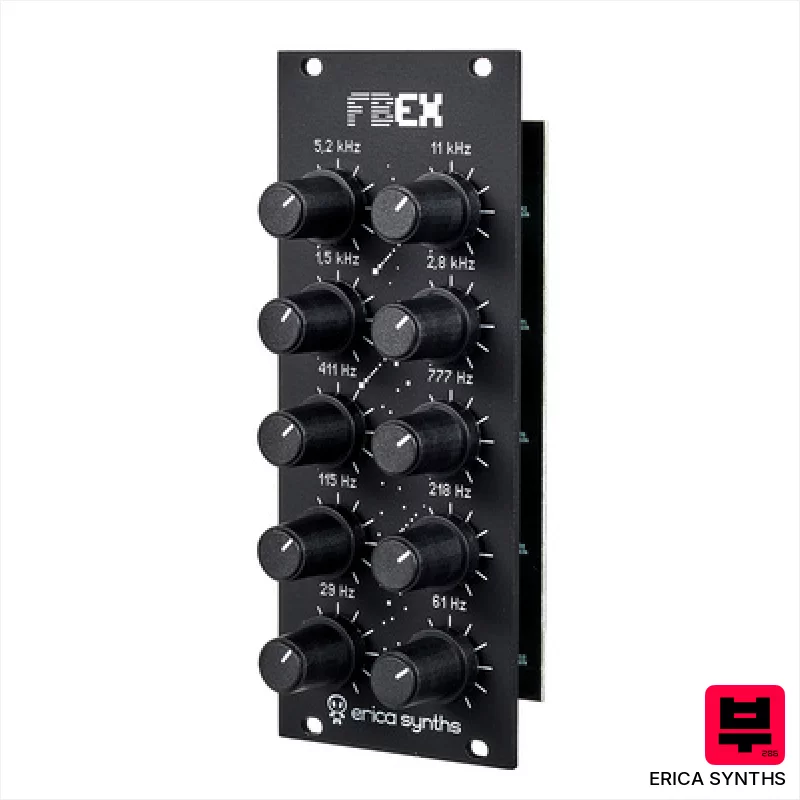
Erica Synths Graphic Resonant FB Expander
- • Provides precise, band-specific EQ shaping beyond the base unit's capabilities.
- • Adds a crucial level of control for sculpting resonant feedback loops.
- • Compact 10HP footprint maximizes space within a modular rack.
- • Erica Synths' robust build quality ensures reliable long-term performance.
- • Requires the Graphic Resonant FB module; it's not a standalone unit.
- • Limited power draw necessitates careful power distribution in your system.
- • The control range might feel slightly constrained for extreme tonal shifts.
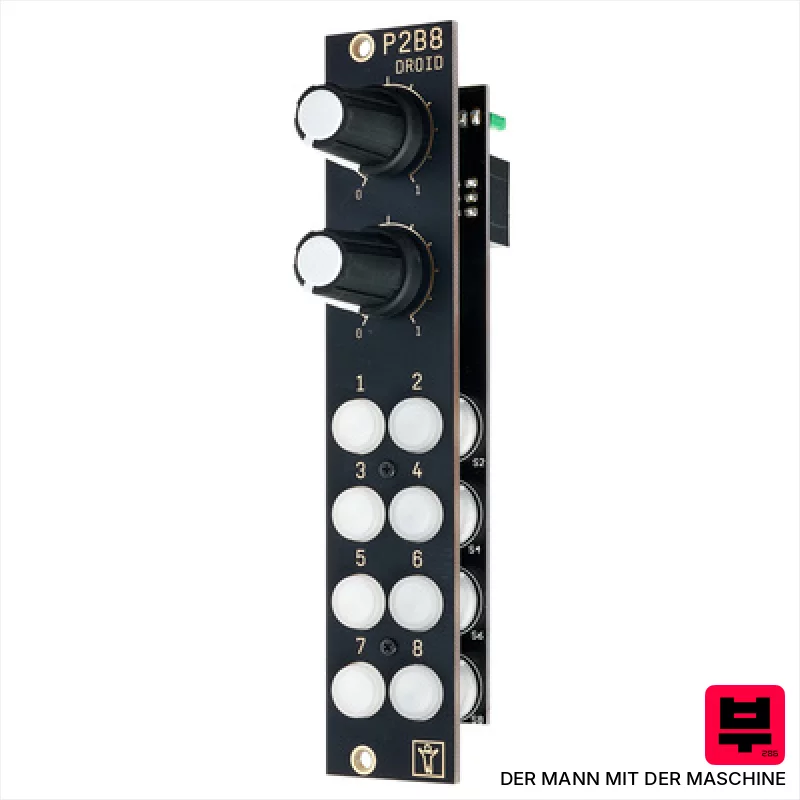
Der Mann mit der Maschine P2B8 Controller Blue
- • Excellent tactile feel from the robust, plastic knobs.
- • Bright blue LEDs provide clear visual feedback in low-light conditions.
- • Compact 5U width maximizes Eurorack panel real estate.
- • Simple ribbon cable connection simplifies integration with Droid Master.
- • Limited to Droid Master functionality; lacks standalone operation.
- • Plastic construction feels less premium than metal-encased modules.
- • Button travel is a bit short; could feel more substantial.

4ms MetaAIO
- • Expands Meta's utility dramatically with ample I/O.
- • 24-bit/48kHz resolution offers clean, detailed audio routing.
- • Compact 6HP footprint maximizes rack space efficiency.
- • Robust build quality consistent with 4ms's reputation.
- • Provides precise voltage control across a -10V to +10V range.
- • Seamlessly integrates with the existing 4ms ecosystem.
- • Requires a 4ms Meta module to function – a significant investment.
- • Power draw (140mA) can be a factor in smaller power supplies.
- • Limited to 4ms's specific workflow; less flexible with other systems.

XAOC Devices Ustka
- • Passive design eliminates power draw, simplifying Ostrawa integration.
- • Stereo direct outputs provide clean, immediate signal routing.
- • Compact 4HP footprint minimizes valuable rack space.
- • Simple, elegant design maintains XAOC's signature aesthetic.
- • Requires an Ostrawa to function; it's not a standalone module.
- • Passive design means no adjustable output level control.
- • Limited functionality compared to active expander options.
How to Choose the Best Expander Modules
Voice Count & Routing
This is obvious, but the way those voices are routed is crucial. Can you easily split a single oscillator across multiple destinations? Do you need individual outs for each voice for mixing flexibility? The more granular control, the better for intricate patching.
Modulation Matrix Flexibility
A great expander isn't just about adding voices; it's about letting you connect those voices in interesting ways. Look for a matrix that allows for complex modulation routings - LFO to filter, envelope to pitch, the whole shebang. Limited routings will quickly bottleneck your creativity.
Noise Floor & Artifacts
Cheap expanders often introduce a noticeable hiss or digital artifacts, especially when driving multiple voices simultaneously. This can ruin a carefully crafted soundscape, so listen carefully for unwanted noise - it's a sign of compromised components.
Latency & Response Time
In a complex system, even a tiny bit of latency can throw off the timing and feel. Expander modules that introduce noticeable delays in response to modulation signals are a pain to work with, particularly when syncing to external clocks.
Physical I/O & Connectivity
Don't underestimate the importance of enough jacks! Think about your typical patching workflow - do you need multiple gate signals, multiple CV inputs, or a dedicated headphone output for monitoring? Having to constantly rewire because you ran out of connections is a major workflow killer.
Buying Guide
Expanders are one of those areas where you really get what you pay for. The absolute cheapest modules will often be noisy and have limited routing options, feeling more like a frustrating constraint than a creative tool. Spending a bit more gets you cleaner signals, more flexible routing, and a more reliable performance. Don't chase the biggest voice count; prioritize a well-designed matrix and low noise floor - those will serve you far better in the long run.
Our Methodology
We're not just looking at spec sheets here. We've spent weeks patching these modules into a variety of setups - everything from minimalist drones to full-blown polyphonic textures - and comparing them directly against each other. We're evaluating them in the context of what a serious modular user actually needs: stability, reliable routing, and a sound that doesn't introduce unwanted artifacts when pushed hard.

