AudioFu
AudioFu Chart · October 2026
Best Doepfer Expander Modules 2026
The top pick is Doepfer A-154 Sequencer Controller ($223). Doepfer A-161 Clock Sequencer gives you the most for the money at $71. Ranked by the AudioFu Index from 4 models, prices checked every night.
Last updated: October 15, 2026
Top 4
Full detail for the 4 highest AudioFu Index scores. Every other model is listed below.
-
Doepfer A-154 Sequencer Controller
A-154 Vintage Edition · Doepfer
4 for sale on Reverb2 finishes at Thomann
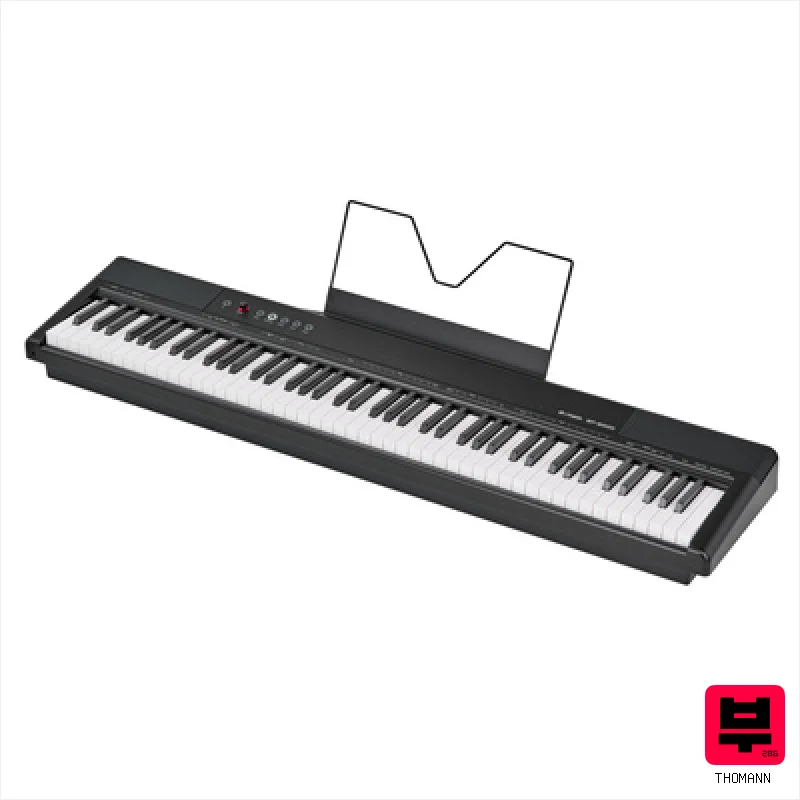
The A-154 Vintage Edition is a fantastic, budget-friendly sequencer expander for Doepfer systems. It’s perfect for anyone wanting that classic, analog sequencing vibe, especially if you're already invested in the A-155 ecosystem. The black faceplate really nails the vintage look and feel.
Pros
- Vintage black faceplate adds a classy, retro aesthetic appeal
- Solid Doepfer build quality; feels robust and dependable
- Offers versatile sequencing modes for varied rhythmic patterns
Cons
- Requires two A-155 modules for full 16-step functionality
- LED display can be a bit dim in brightly lit environments
73AudioFu
Index↓ 4.8%since Aug 14 · lowest so far$234 · Aug 14$223 now$223€199 at Thomann · in stockCheck price ↗ -
The A-161 is a brilliant little module if you already own the A-160. It expands your rhythmic possibilities without taking up much space, offering a straightforward way to trigger multiple events from a single, precisely divided clock source – perfect for creating polyrhythms or driving multiple oscillators in a modular setup.
Pros
- Compact 4HP footprint maximizes valuable modular space
- Simple, reliable Doepfer build quality ensures long-term operation
- Provides eight discrete clock outputs for complex rhythmic patterns
Cons
- Requires A-160 for functionality; a standalone solution it is not
- Limited flexibility compared to more advanced step sequencers
-
This little expander is a clever way to really milk the A-126-2 for all it’s worth. It’s a budget-friendly solution for experimental sound design, especially if you’re into evolving textures and unusual modulation paths. Ideal for those wanting to push a single core module to its absolute limits.
Pros
- Expands A-126-2's sonic palette with distinct filter/mod outputs
- Provides unique down/up-shift signals for complex textures
- Envelope follower output adds modulation possibilities easily
Cons
- Limited functionality as a standalone module; requires A-126-2
- Outputs can be noisy depending on signal levels and grounding
-
This little expander is a neat trick for anyone already using the A-149-1. It gives you a quick boost of random voltage sources for sequencing or modulation, and it’s impressively compact. Perfect for experimental sound design and adding controlled chaos to your Doepfer system.
Pros
- Expands A-149-1's random voltage capabilities significantly
- Compact 4HP footprint maximizes space efficiency
- Reliable Doepfer build quality ensures long-term stability
Cons
- Completely dependent on the A-149-1 for operation; not standalone
- Limited voltage range restricts creative possibilities slightly
How to choose the best expander modules
Heritage & Sound
Doepfer set the bar for Eurorack. Their expander modules inherit that signature sound - a warmth and clarity that's often missing in more modern designs. It's not necessarily 'better,' but it's a distinct character, especially noticeable in the filters and oscillators; that fat midrange honk is a Doepfer trademark.
Build Quality
These are tank-like. Seriously. The metalwork is thick, the jacks are robust, and the knobs feel solid. You're not going to worry about these falling apart on stage, which is more than I can say for some of the cheaper alternatives.
Consistency
Integrating Doepfer expanders with your existing Doepfer core modules ensures a sonic cohesion. You're avoiding that jarring shift in tone that can happen when mixing different brands - it's a subtle thing, but it makes a big difference in the overall soundscape.
Modularity & Flexibility
While not always the most feature-rich compared to some newer modules, Doepfer expanders are built around core functionality, offering maximum flexibility in how you integrate them into your system. They're designed to be building blocks, not pre-baked solutions.
Jack Density & Routing
Doepfer's expanders prioritize a high density of robust jacks. This is a huge deal for complex patching; less time hunting for available inputs means more time actually creating sounds. The jack spacing is also well-considered, avoiding that cramped feeling you get with some other expanders.
Buying guide
Alright, so you're diving into the Doepfer world - smart move. Expanding your Eurorack system is essential eventually, and Doepfer expander modules are the gold standard for a reason. They're not just about more jacks; they're about keeping that classic Doepfer sound and build quality consistent with your core modules, which is critical for a cohesive patch. Let's break down what makes them special and which ones are actually worth the investment.
Doepfer expanders aren't cheap, and that's reflected in the build and consistency. The older, discontinued modules can be a gamble - condition is key, and you're relying on the previous owner's care. If you're building a fully Doepfer system, it's worth the investment; if you're just dipping your toes in, there are more budget-friendly options, but you'll be sacrificing some of that core Doepfer character.
How the AudioFu Index works
Five measured signals and nothing else — no stars from strangers, no “tested by experts” we didn’t do. The weights are fixed and public. We don’t play these instruments; we measure the market around them.
This chart covers 5 expander modules from the Thomann catalogue (of 72 in the category). Before you buy, read hands-on reviews and, where you can, play it. Full methodology.
AudioFu earns a commission when you buy through our Thomann links. It never changes the order — the index does.
- Demand40%
How many of this exact model are for sale on Reverb right now — what musicians actually buy and resell.
- Lineup20%
How many finishes Thomann stocks — makers expand the models that sell.
- Price15%
Where the price has moved since we started tracking in August.
- Specs15%
How completely the maker documents it.
- Maker10%
How deep the brand’s range is in this category.
Questions
Are Doepfer expanders really worth the price compared to cheaper alternatives?
They're worth it if you value that specific Doepfer tone and the rock-solid build. Cheaper expanders often use lower-quality jacks and thinner metal, which can lead to reliability issues down the line, especially on stage. It's an upfront investment that saves you headaches later.
I see a lot of discontinued Doepfer expanders for sale. Should I buy one?
Discontinued modules can be great deals, but be very careful about condition. Ask for detailed photos and inquire about any repairs. A faulty jack is a pain to replace, and the older pots can sometimes be noisy.
What's the difference between a Doepfer A-147 and a more modern expander?
The A-147 is a classic for a reason - it's a simple, reliable jack panel. Modern expanders often add extra features like attenuators or mixers, but the A-147's purity is its strength. It's a blank canvas for your patching needs.
Can I use a Doepfer expander with a non-Doepfer system?
Absolutely. The Eurorack format is open standard. The sonic integration will be best with other Doepfer modules, but it will still function perfectly well with any Eurorack system. You might notice a slight tonal difference, but that's part of the fun of experimentation.
I'm new to modular. Should I start with a Doepfer expander?
It's not essential to start with Doepfer, but it's a good long-term goal. Focus on getting a few core modules first, then consider an expander to maximize their potential. A simple A-147 is a great first expander - it's straightforward and reliable.