Best Yamaha Electric Cellos 2026

Premium Yamaha electric cellos - legendary tone and craftsmanship

Last updated: September 6, 2026

The best electric cellos in 2026 are Yamaha SVC 50 Silent Cello (top pick), Yamaha SVC300F Silent Cello for tighter budgets, and Yamaha SVC300FPW Silent Cello for pros — selected from 5 options, priced $2,555–$4,532, ranked by brand, price and popularity.
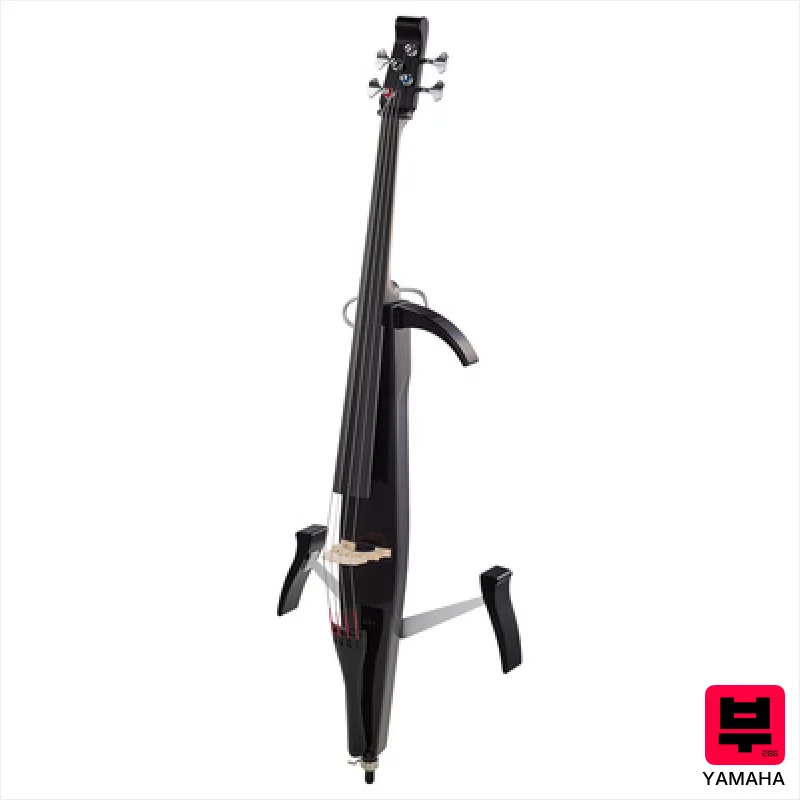
Yamaha SVC 50 Silent Cello - Professional Music Instrument Photo
#1

Yamaha SVC 50 Silent Cello

Body Alder body Fingerboard Ebony fingerboard Weight 3.5 kg
Contemporary Recording Studio Jazz Fusion
Key Feature:
The Yamaha SVC 50 is a seriously clever bit of kit for cellists needing silent practice or reliable stage amplification. It's a great option for students, gigging musicians, or anyone wanting to play without disturbing others – just don't expect a completely acoustic cello experience. The build quality is solid, and it's surprisingly portable.
PROS
  • • Maple neck & bridge offer a familiar, responsive feel for cellists
  • • Alder body provides a lightweight, resonant platform for the electronics
  • • Piezo pickup system delivers surprisingly natural and usable amplified tone
  • • Compact design and softbag simplify transport and storage significantly
CONS
  • • Piezo pickups, while improved, still lack the nuance of a microphone
  • • Ebony fingerboard might feel slightly harder than traditional oiled ebony
  • • Silent Cello's tone is best suited for practice or stage reinforcement, not standalone performance
4.6/5 AudioFu Score
Specs:
6/10
Detail:
7/10
Value:
5/10
Art. 172227
$2,556
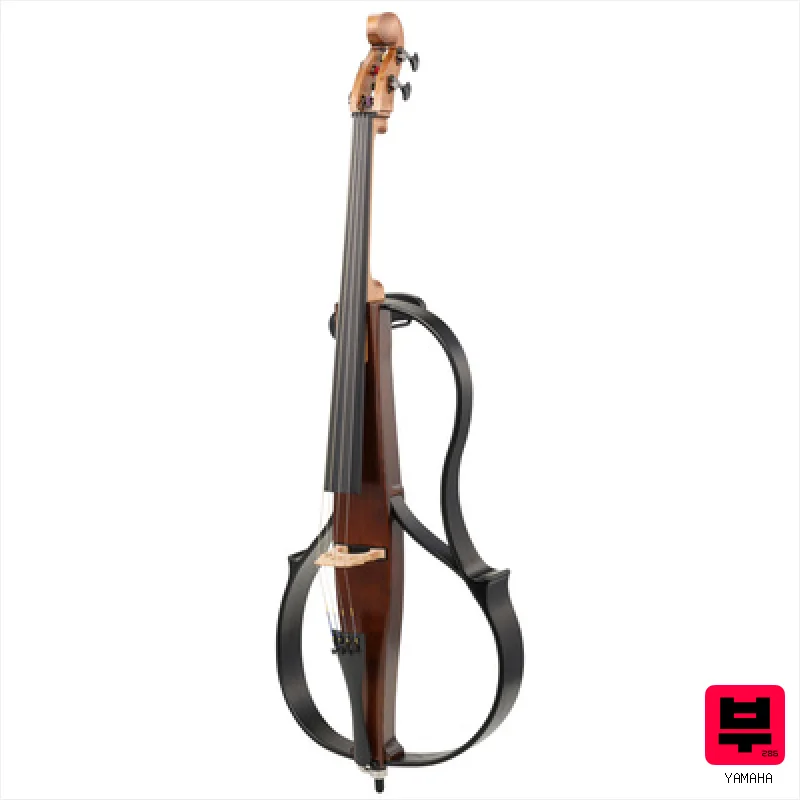
Yamaha SVC300F Silent Cello - Professional Music Instrument Photo
#2

Yamaha SVC300F Silent Cello

Fingerboard Ebony fingerboard
Jazz Fusion Pop Amplified Performance
Key Feature:
This cello uses a special resonance chamber to sound like an acoustic instrument without amplifiers. The spruce and maple body gives it a warm, traditional tone while the built-in system lets you mix the sound easily. It is great for players who want a natural feel but need reliable power options for practice or recording.
PROS
  • • Authentic sound via dedicated resonance chamber design
  • • Spruce and maple body for traditional tone quality
  • • Adjustable outputs for flexible recording setups
  • • Built-in SRT powered system with blend control
CONS
  • • Power sources not included in the box
  • • No pickup system mentioned in the description
  • • Weight and bow are not specified in text
4.3/5 AudioFu Score
Specs:
2/10
Detail:
7/10
Value:
4/10
Art. 626221
$4,008
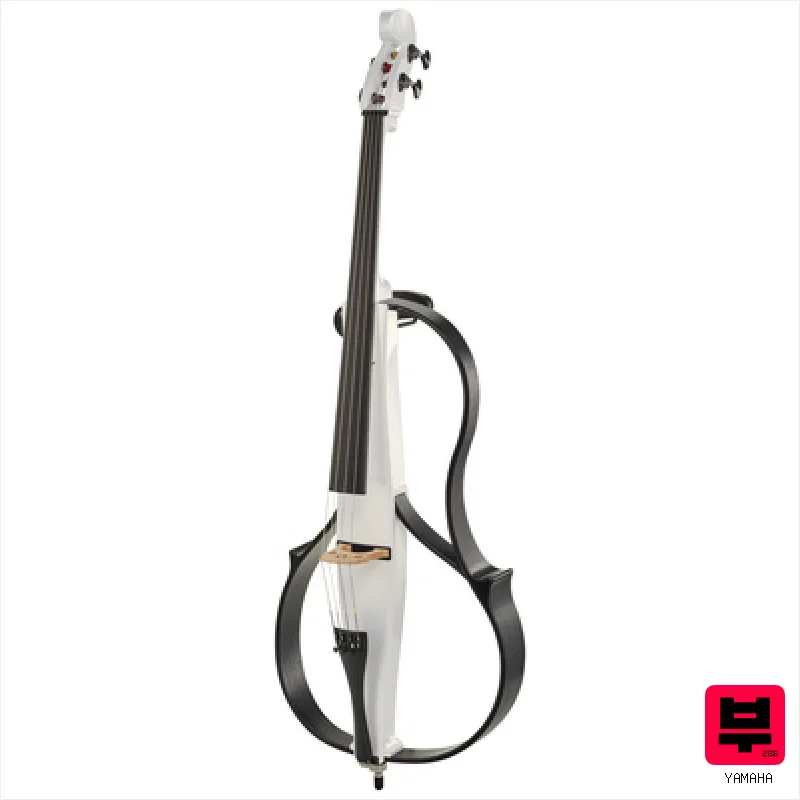
Yamaha SVC300FPW Silent Cello - Professional Music Instrument Photo
#3

Yamaha SVC300FPW Silent Cello

Amplified Performance Recording Studio Contemporary
Key Feature:
This cello uses a resonance chamber to keep the sound natural while adding modern controls like reverb and EQ. It plays through either a phone jack or line out, but you must supply your own batteries or AC adapter. The spruce and maple build gives it a solid feel, making it a good choice for players who want electric features without losing acoustic character.
PROS
  • • Natural sound via resonance chamber design
  • • Spruce and maple body construction
  • • Adjustable audio output options
  • • Built-in reverb and EQ controls
CONS
  • • Power source not included in box
  • • No pickup system mentioned in text
  • • Weight not listed for potential buyers
4.2/5 AudioFu Score
Specs:
1/10
Detail:
7/10
Value:
3/10
Art. 626225
$4,533
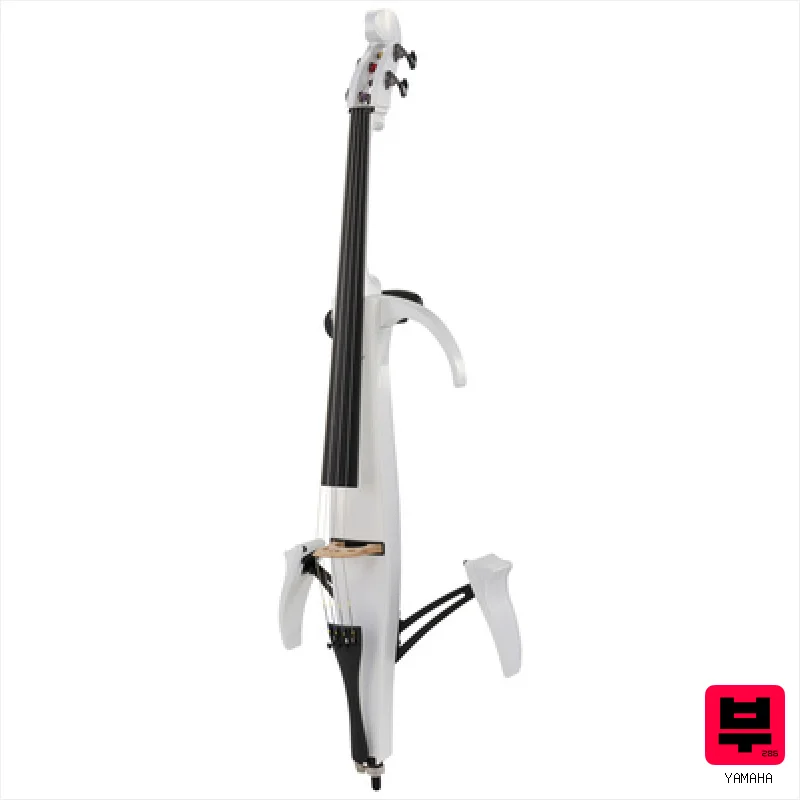
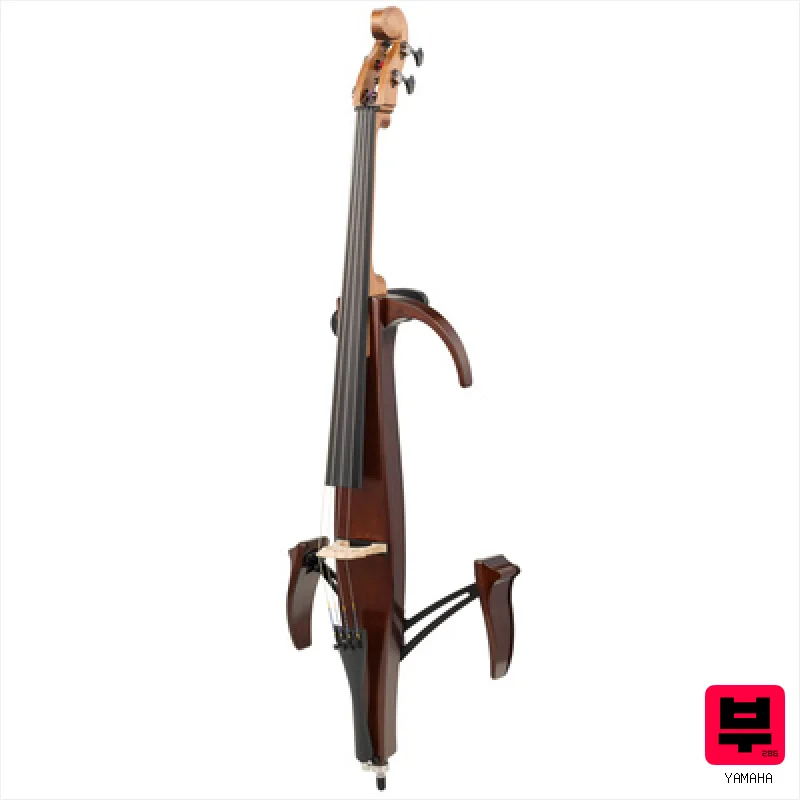
Yamaha SVC300CPW Silent Cello - Professional Music Instrument Photo
#4

Yamaha SVC300CPW Silent Cello

Jazz Fusion Amplified Performance Contemporary
Key Feature:
This cello sounds great because of its resonance chamber and solid wood body. It is easy to move thanks to its foldable legs and removable sides. It works well for students or teachers who want a natural tone without carrying a heavy instrument. Just remember to bring your own batteries or power cord.
PROS
  • • Foldable legs make moving the cello very easy for students.
  • • Resonance chamber creates an authentic and natural sound.
  • • Spruce and maple body provides classic tonal character.
  • • SRT Powered System offers blend and reverb control.
CONS
  • • Batteries and AC power supplies are not included in the box.
  • • No strings, pickups, or bow are listed in the provided text.
  • • Weight is not stated, which matters for student portability.
4.3/5 AudioFu Score
Specs:
1/10
Detail:
9/10
Value:
3/10
Art. 626216
$4,533
Yamaha SVC300C Silent Cello - Professional Music Instrument Photo
#5

Yamaha SVC300C Silent Cello

Amplified Performance Pop Recording Studio
Key Feature:
This silent cello folds down for easy travel and uses spruce and maple for a natural tone. You can adjust the sound with EQ and a reverb controller, but you must provide your own power source. It is a great choice for players who need portability without losing acoustic feel.
PROS
  • • Foldable legs make it incredibly easy to transport anywhere.
  • • Resonance chamber delivers authentic and natural sound quality.
  • • Spruce and maple body construction ensures warm, classic tone.
  • • Built-in EQ lets you shape treble and bass levels easily.
CONS
  • • Requires separate batteries or AC power to operate.
  • • No power supply is included in the standard package.
  • • Missing specific pickup model details in the description.
4.3/5 AudioFu Score
Specs:
1/10
Detail:
9/10
Value:
4/10
Art. 626209
$3,940

Electric Cellos by the numbers

Measured across all 49 models in this category, so «wide», «short» or «expensive» mean something you can check.

Price
median $3,184
from $463 to $5,799
Strings
median 5-string
from 4-string to 5-string · 30 models
Weight
median 1.9 kg
from 1.9 kg to 1.9 kg · 11 models
Body
maple, basswood, alder
most common · 11 models

How This List Is Built

We don't play these instruments — we're a catalog, not a review desk, and we'd rather say so than pretend otherwise. This page covers 5 of 49 electric cellos from the Thomann catalogue, which is the largest single source of specification data in this category: 5 in detail, the rest listed with their specifications.

Position is computed, not curated. We parse the manufacturer's own description into actual values — nut width, scale, fret count, fingerboard radius, size, alloy — and rank on them: how many specifications a model has published, how many of them are measurable numbers, and how precisely it meets this page's criterion. A product image adds a little. Price is not a ranking signal: it tells you nothing about whether a neck fits your hand. The same inputs always produce the same order, so nothing here is shuffled to look fresh.

What this list is good for: narrowing a category down to a shortlist by spec and budget. What it isn't: a substitute for hearing an instrument. Before you buy, read hands-on reviews and, where you can, play it. Full methodology.

How to Choose the Best Electric Cellos

Budget Planning

  • • Under $200: Entry-level
  • • $200-$500: Intermediate
  • • $500-$1000: Advanced
  • • $1000+: Professional

Quality Check

  • • Sound clarity & tone
  • • Build materials & finish
  • • Hardware durability
  • • Overall craftsmanship

Key Features

  • • Your musical style
  • • Skill level match
  • • Intended use case
  • • Brand reputation

Frequently Asked Questions

Key factors include build quality, sound characteristics, playability, brand reputation, warranty coverage, and value for money. Consider your musical style, skill level, and intended use to find the best match.
Budget depends on your needs and experience level. Beginners can find quality options for $200-500, intermediate players should consider $500-1500 range, while professionals often invest $1500+ for premium features.
Higher-priced electric cellos typically offer better materials, craftsmanship, and performance. They're worth it if you're serious about music, perform regularly, or need professional-grade features.
Top brands combine quality, innovation, and reliability. We evaluate brands based on build quality, sound performance, durability, and customer satisfaction to recommend the best options for different budgets.
Both have advantages. Online offers better prices and selection, while stores allow hands-on testing. We recommend researching online first, then testing in stores if possible. Many online retailers offer excellent return policies.

We use cookies to improve your experience. Learn more