AudioFu Chart · October 2026
Best Gewa Electric Cellos 2026
The top pick is Gewa Novita 3.0 Electric Cello GB ($2,894). Ranked by the AudioFu Index from 2 models, prices checked every night.
Last updated: October 31, 2026
Top 2
Full detail for the 2 highest AudioFu Index scores. Every other model is listed below.
-
- BodyBasswood body
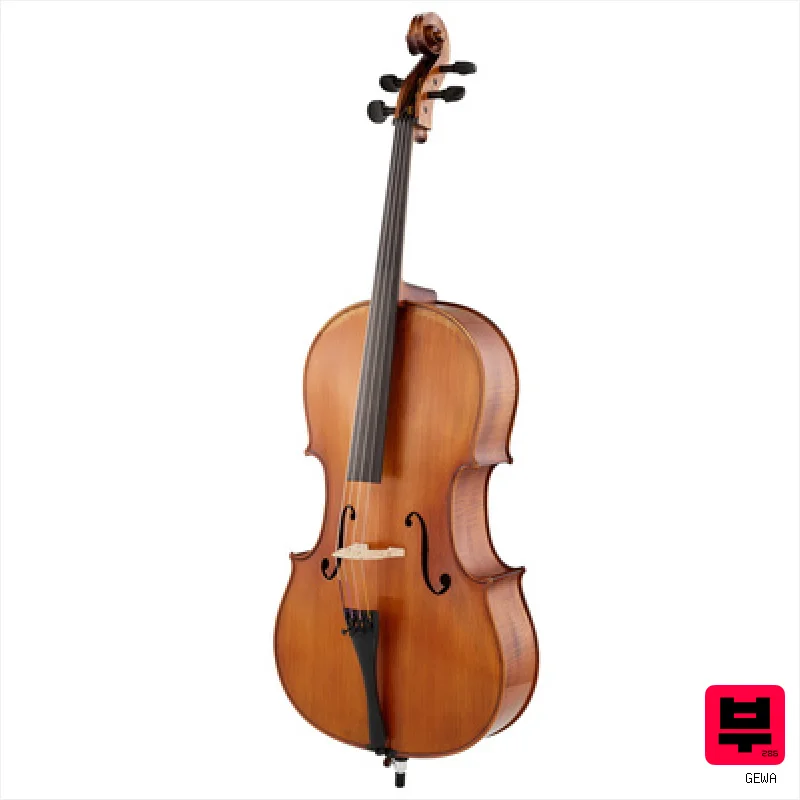
The Gewa Novita 3.0 is a solid entry point into amplified cello playing. It’s surprisingly well-built for the price, offering a respectable sound and comfortable feel. Ideal for students, gigging musicians, or anyone wanting a versatile, amplified cello without a premium-priced investment.
Pros
- Solid maple neck provides excellent sustain and response.
- GEWA pickup delivers a usable, amplified acoustic cello tone.
- Carbon frame enhances structural stability and reduces feedback.
Cons
- Basswood body offers a warmer tone, potentially lacking brightness for some styles.
- Piezo pickup system may exhibit a characteristic 'quack' when overdriven.
44AudioFu
IndexStableno change since Aug 17Aug 17$2,894 now$2,894€2,590 at Thomann · in stockCheck price ↗ -
This electric cello looks and feels like a real instrument with a solid maple neck and carbon frame. It plays through headphones or an amp using a bridge-mounted piezo system. It suits players who want a reliable electric cello without needing a battery right out of the box.
Pros
- Solid maple neck provides stable tuning stability for long practice sessions.
- High-quality carbon frame keeps the instrument light yet sturdy.
- Wittner fine tuning pegs ensure precise pitch adjustments quickly.
Cons
- Battery not included, requiring an extra purchase for power.
- Not compatible with Gewa Idea or Air series gig bags.
39AudioFu
IndexStableno change since Aug 17Aug 17$3,340 now$3,340€2,990 at Thomann · in stockCheck price ↗
Electric Cellos by the numbers
Measured across all 50 models we track, not a sample.
median of 30 models · 4-string–5-string
most common · 11 models
median of 12 models · 1.9 kg–3.3 kg
How the AudioFu Index works
Five measured signals and nothing else — no stars from strangers, no “tested by experts” we didn’t do. The weights are fixed and public. We don’t play these instruments; we measure the market around them.
This chart covers 6 electric cellos from the Thomann catalogue (of 50 in the category). Before you buy, read hands-on reviews and, where you can, play it. Full methodology.
AudioFu earns a commission when you buy through our Thomann links. It never changes the order — the index does.
- Demand40%
How many of this exact model are for sale on Reverb right now — what musicians actually buy and resell.
- Lineup20%
How many finishes Thomann stocks — makers expand the models that sell.
- Price15%
Where the price has moved since we started tracking in August.
- Specs15%
How completely the maker documents it.
- Maker10%
How deep the brand’s range is in this category.
Questions
What should I look for when buying electric cellos?
Key factors include build quality, sound characteristics, playability, brand reputation, warranty coverage, and value for money. Consider your musical style, skill level, and intended use to find the best match.
How much should I spend on electric cellos?
Budget depends on your needs and experience level. Beginners can find quality options for $200-500, intermediate players should consider $500-1500 range, while professionals often invest $1500+ for premium features.
Are expensive electric cellos worth the investment?
Higher-priced electric cellos typically offer better materials, craftsmanship, and performance. They're worth it if you're serious about music, perform regularly, or need professional-grade features.
What are the best brands for electric cellos?
Top brands combine quality, innovation, and reliability. We evaluate brands based on build quality, sound performance, durability, and customer satisfaction to recommend the best options for different budgets.
Should I buy electric cellos online or in-store?
Both have advantages. Online offers better prices and selection, while stores allow hands-on testing. We recommend researching online first, then testing in stores if possible. Many online retailers offer excellent return policies.