
Best Electric Cellos for Rock 2026
So, you want to bring the cello thunder to your rock band? It's a bold move, but when done right, an electric cello can add a depth and texture no bass guitar can touch. Forget the classical vibe - we're talking about instruments that can handle distortion, cut through a wall of guitars, and still retain that cello's unique character. This isn't about a pizzicato backing track; it's about a full-on, expressive cello presence in a rock context.
Last updated: September 29, 2026

NS Design NXT5a-CO-SB-F Fretted Low F
- • Richlite fingerboard offers exceptional fret stability and comfortable playing feel.
- • Polar pickup system delivers a remarkably natural and balanced amplified tone.
- • Maple construction provides a warm, resonant core with excellent projection.
- • Low F string expands range, ideal for solo work and orchestral textures.
- • The lighter weight (1.9 kg) might feel unstable for some traditional cellists.
- • Fretted design limits expressive sliding and vibrato techniques.
- • Dual-mode output may require experimentation to find optimal settings.
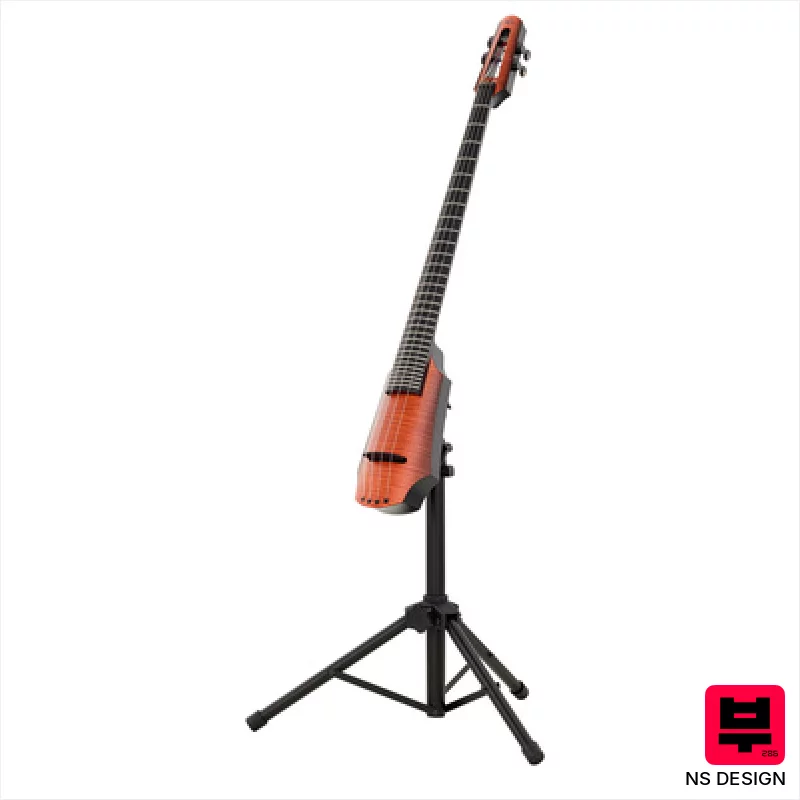
NS Design NXT4a-CO-SB-F Fretted Cello
- • Richlite fingerboard offers exceptional playability and fret stability
- • Polar pickup system delivers a surprisingly natural, warm amplified tone
- • Maple construction provides a balanced, resonant acoustic foundation
- • Fretted design simplifies learning and allows for easier intonation
- • Lightweight design might feel 'floppy' to players accustomed to heavier cellos
- • Dual-mode output can introduce noise if grounding isn’t perfect
- • Satin sunburst finish, while attractive, can be prone to fingerprints
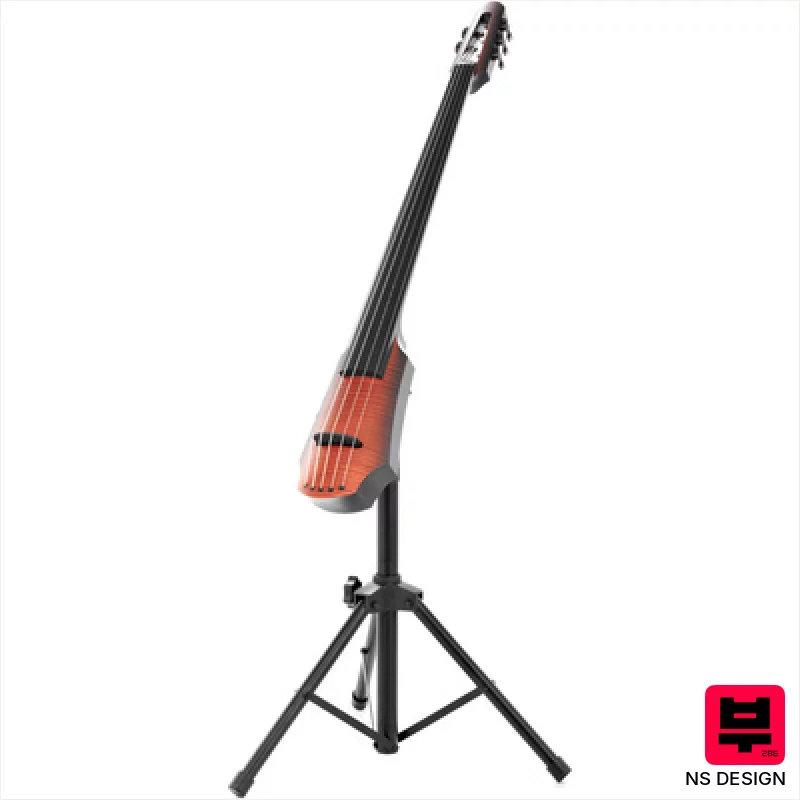
NS Design NXT5a-CO-SB Low F Cello
- • Richlite fingerboard offers excellent playability and stability.
- • Polar pickup system delivers a remarkably natural and balanced tone.
- • Low F string expands range and provides cello bass versatility.
- • Lightweight construction (1.9 kg) enhances comfort during extended playing.
- • Richlite, while stable, lacks the traditional feel of ebony.
- • Dual-mode output might require experimentation to find preferred settings.
- • Sunburst finish, while attractive, may not suit all performance aesthetics.
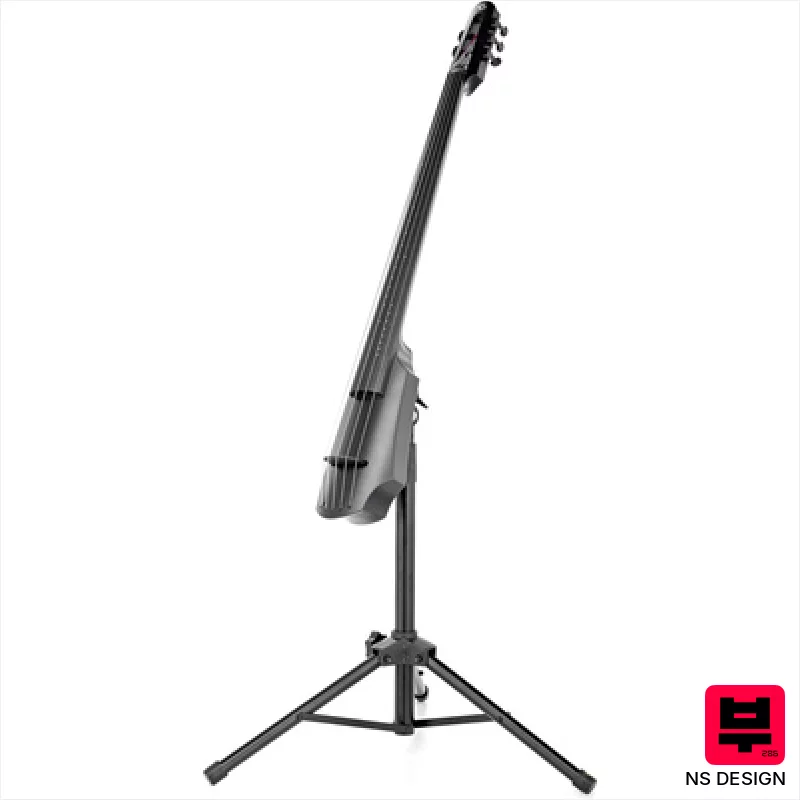
NS Design NXT5a-CO-BK Low F Cello
- • Richlite fingerboard offers consistent playability and avoids temperature-related issues
- • Polar pickup system delivers a remarkably natural and balanced amplified tone
- • Low F string expands range, ideal for solo work and orchestral passages
- • Maple body provides a warm, resonant foundation even when amplified
- • Lightweight design may feel 'floaty' for players accustomed to heavier cellos
- • Richlite, while stable, lacks the traditional feel of ebony for some players
- • Dual-mode output can introduce noise if gain staging isn't carefully managed

NS Design NXT5a-CO-BK High E
- • Richlite fingerboard offers exceptional playability and stability.
- • Polar pickup system delivers a clear, amplified cello tone with good projection.
- • Maple body provides a warm, resonant acoustic foundation.
- • Steel-reinforced neck ensures stability and resists unwanted warping over time.
- • The lighter weight (1.9 kg) may feel 'floaty' for some experienced cellists.
- • High E string can be a bit finicky to tune initially, requiring patience.
- • Dual-mode output limits versatility compared to more complex preamp options.
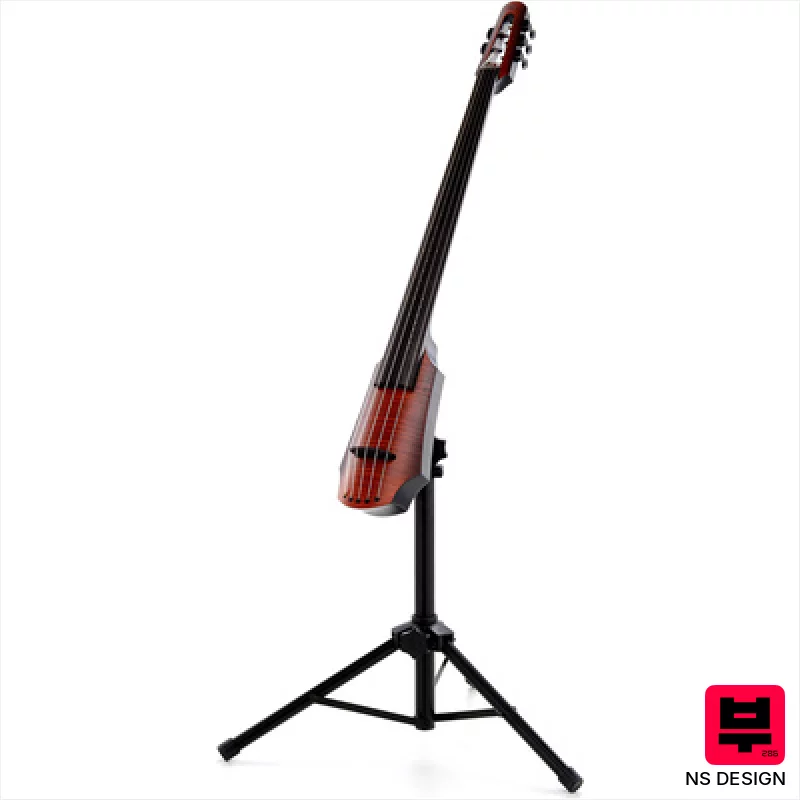
NS Design NXT5a-CO-SB High E Cello
- • Richlite fingerboard offers exceptional playability and stability.
- • Polar pickup system delivers a clear, amplified acoustic cello tone.
- • Maple construction provides a warm, resonant body with good projection.
- • High E string expands range, enabling higher melodies and complex arrangements.
- • The lighter weight (1.9 kg) might feel insubstantial to experienced cellists.
- • Satin Sunburst finish, while attractive, can be prone to fingerprints and smudges.
- • Active electronics require power, adding a dependency on the included charger.

NS Design NXT4a-CO-BK Cello
- • Richlite fingerboard offers excellent playability and consistent feel.
- • Polar pickup system delivers a warm, natural acoustic cello tone.
- • Maple construction provides a resonant body with good projection.
- • Lightweight design (1.9 kg) makes it comfortable for extended playing.
- • Dual-mode output might require experimentation to find preferred settings.
- • Maple body, while resonant, lacks the extreme projection of higher-end instruments.
- • Gig bag is functional, but a hard case would offer superior protection.
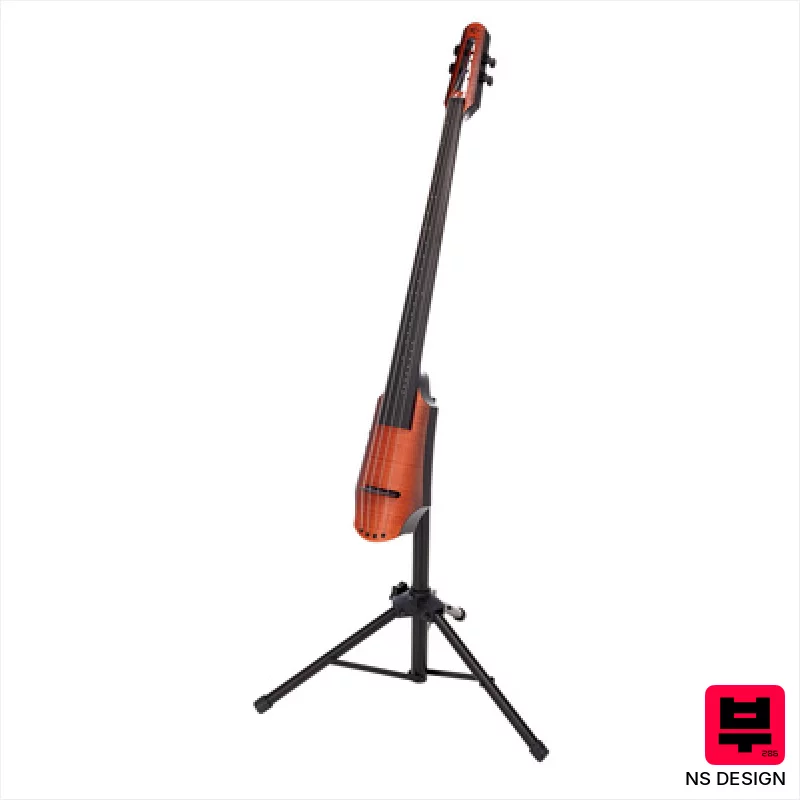
NS Design NXT4a-CO-SB Cello
- • Richlite fingerboard offers consistent playability and resists temperature changes
- • Polar pickup system delivers a surprisingly natural and warm amplified tone
- • Maple construction provides a resonant body with good projection
- • Lightweight design (1.9 kg) makes extended playing much more comfortable
- • Richlite, while stable, lacks the traditional feel of ebony for some players
- • Dual-mode active output can be a bit noisy if gain staging isn't careful
- • Satin sunburst finish, while attractive, can be prone to fingerprints
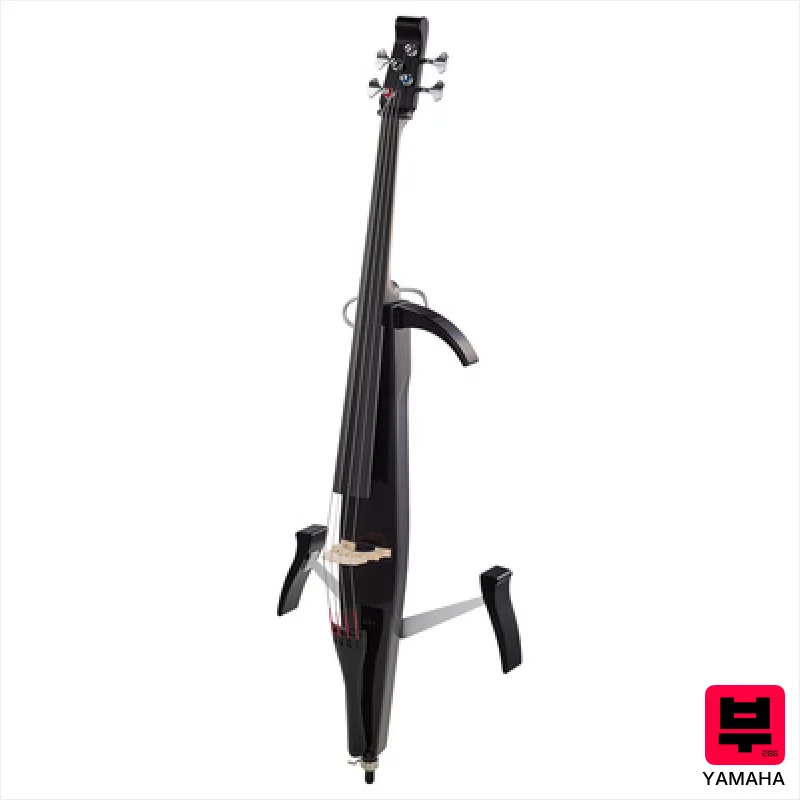
Yamaha SVC 50 Silent Cello
- • Maple neck & bridge offer a familiar, responsive feel for cellists
- • Alder body provides a lightweight, resonant platform for the electronics
- • Piezo pickup system delivers surprisingly natural and usable amplified tone
- • Compact design and softbag simplify transport and storage significantly
- • Piezo pickups, while improved, still lack the nuance of a microphone
- • Ebony fingerboard might feel slightly harder than traditional oiled ebony
- • Silent Cello's tone is best suited for practice or stage reinforcement, not standalone performance
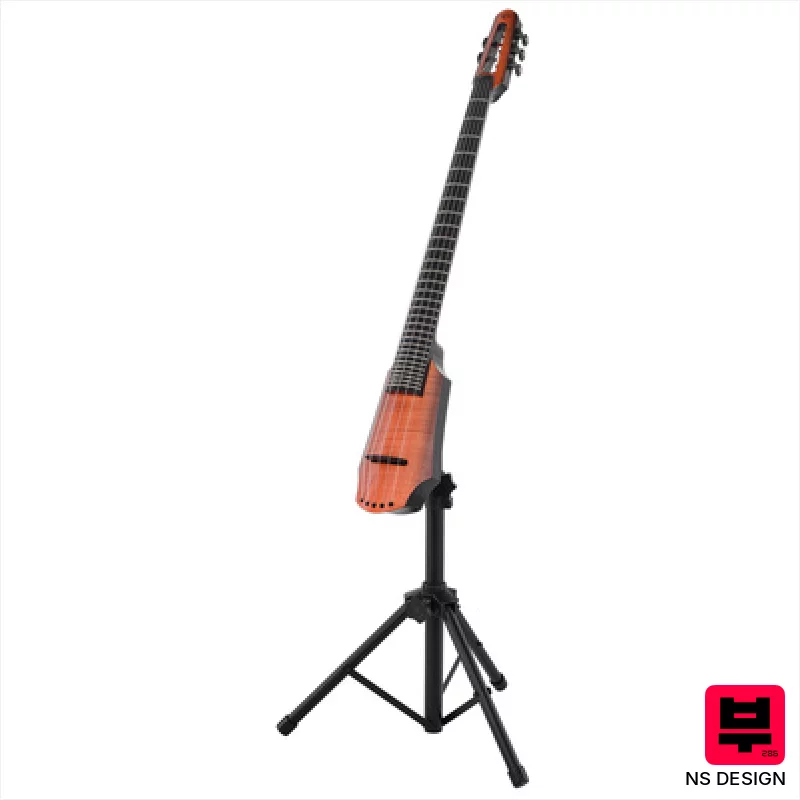
NS Design NXT5a-CO-SB-F Fretted High E
- • Richlite fingerboard offers exceptional feel and fret stability.
- • Maple body provides a balanced, resonant tone with good projection.
- • Steel-reinforced neck ensures stability and resists unwanted warping over time.
- • Dual-mode active output offers versatility for various performance scenarios.
- • The lightweight design, while convenient, might feel 'floaty' for some experienced cellists.
- • The high-E string adds complexity for traditional cellists; a learning curve exists.
- • Sunburst finish, while attractive, can be prone to fingerprints and smudging.

NS Design NXT4a-CO-BK-F Fretted Cello
- • Richlite fingerboard offers consistent feel and intonation.
- • Steel-reinforced neck prevents warping, crucial for cellos.
- • Dual-mode output provides flexibility for direct recording or amplification.
- • Lightweight (1.9 kg) enhances playability, especially for extended practice.
- • Fretted design limits expressive slides common in traditional cello playing.
- • Polar pickup system can be prone to feedback at high volumes.
- • Maple construction, while good, isn't the most premium tonewood available.
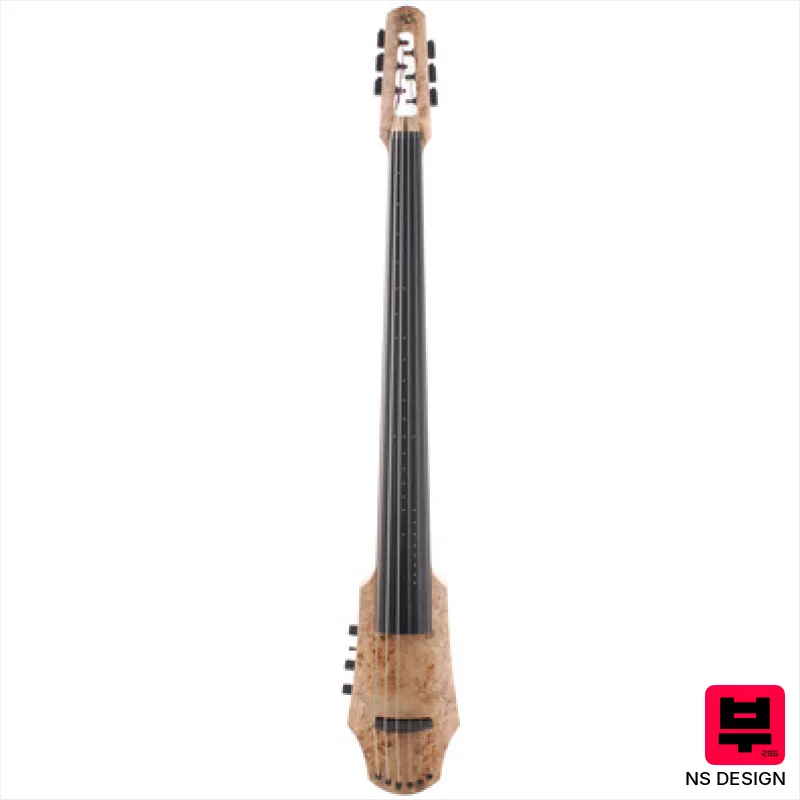
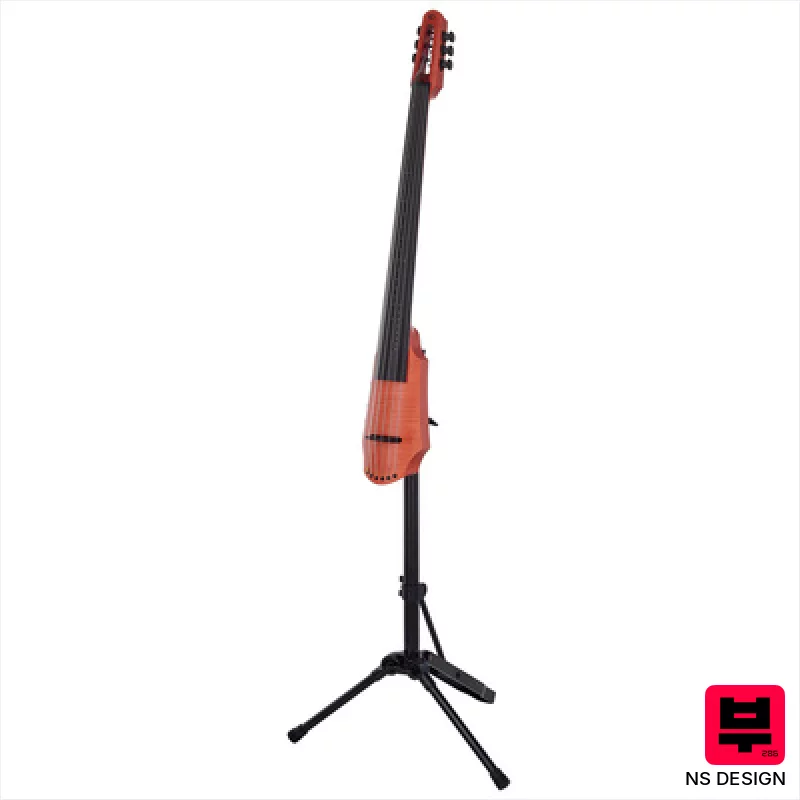
NS Design CR6-CO-PB Poplar Burl Cello
- • Richlite fingerboard offers exceptional clarity and comfortable playability.
- • Solid sycamore body provides a surprisingly resonant and balanced tone.
- • Active pickup system delivers a powerful, amplified signal with low noise.
- • Built-in EQ and headphone output allow for versatile practice and performance.
- • Sycamore body, while resonant, lacks the traditional warmth of a maple cello.
- • Poplar burl finish, while visually appealing, can be susceptible to minor dings.
- • The CR6’s 6-string configuration limits its appeal to those seeking traditional cello sound.
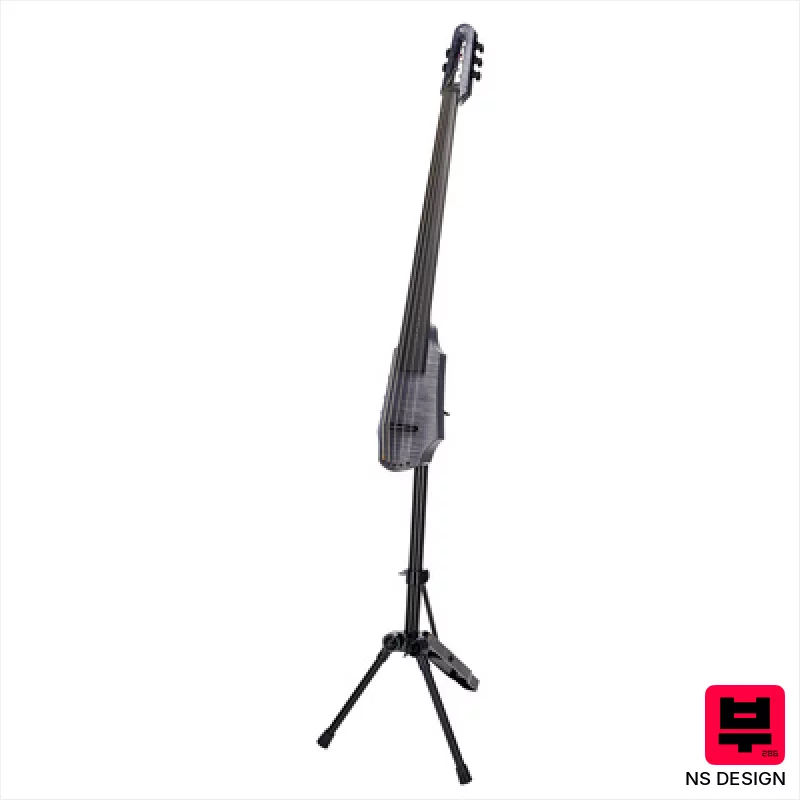
NS Design CR6-CO-AM Amber Cello
- • Sycamore body delivers surprisingly warm, resonant acoustic tone.
- • Richlite fingerboard offers smooth playability, resisting temperature changes.
- • Active pickup system provides clean amplification with low noise floor.
- • Built-in EQ and headphone jack offer convenient practice and performance options.
- • Sycamore construction can be prone to minor finish checking with heavy use.
- • 6-string configuration might feel unwieldy for traditional cellists.
- • The overall tone, while versatile, lacks the complex character of a truly high-end acoustic.
NS Design CR5-CO-SG Low F Cello
- • Solid sycamore body delivers a surprisingly warm, resonant tone.
- • Richlite fingerboard offers excellent playability and consistent feel.
- • Active pickup system provides a clean, amplified signal with low noise.
- • Low F string expands range and offers unique sonic possibilities.
- • Sycamore body, while resonant, isn't as tonally complex as aged spruce.
- • Slate Grey finish can appear a bit plain compared to traditional varnish.
- • The active electronics require a power source, limiting purely acoustic use.
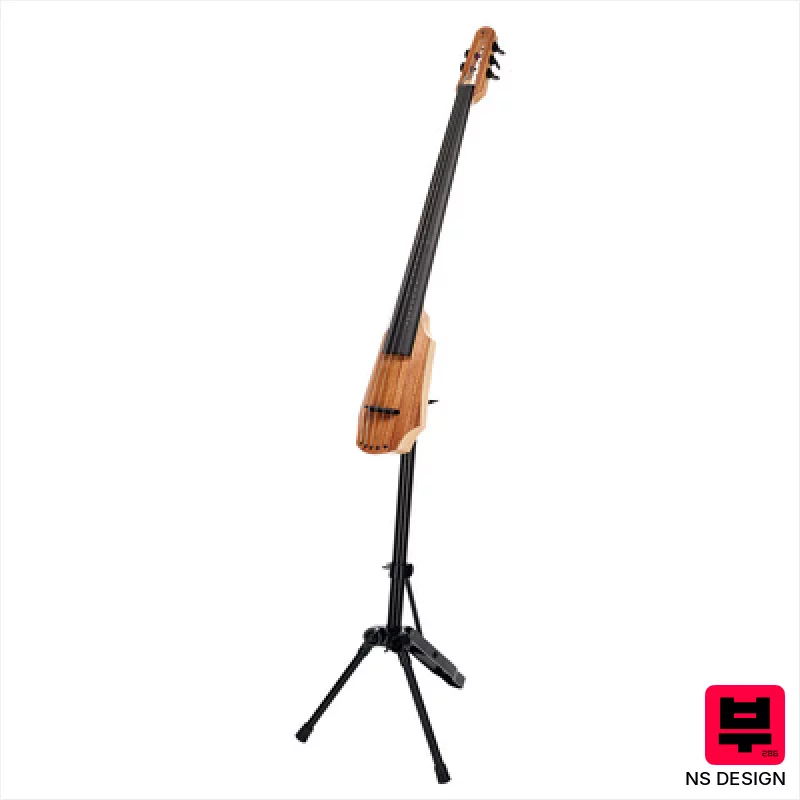
NS Design CR5-CO-ZW Low F Cello
- • Solid sycamore body provides excellent resonance and sustain
- • Richlite fingerboard offers a smooth, consistent playing surface
- • Active pickup system delivers a clear, amplified tone with minimal feedback
- • Low F string expands range and offers unique tonal possibilities
- • Sycamore body, while resonant, can feel less 'traditional' than maple
- • Zebra wood finish, while visually striking, can be prone to minor cosmetic scratches
- • The active electronics require power, necessitating battery changes or external power supply
Every electric cellos that matches
49 models match this page. The 15 above are covered in detail; the rest are listed here with their published specifications.
Electric Cellos by the numbers
Measured across all 49 models in this category, so «wide», «short» or «expensive» mean something you can check.
How to Choose the Best Electric Cellos
Pickup Voicing
A clean, bright pickup is useless if it turns to ice-picky harshness with gain. What we want is a pickup that captures the cello's warmth and woodiness, while still having enough headroom to handle some grit without sounding brittle. Piezo pickups often lack this; magnetic pickups are generally better for rock tones.
Body Resonance & Feedback
Cellos are inherently prone to feedback, especially when amplified. A well-built body, often with strategic bracing and dampening, is crucial to taming unwanted resonance and maintaining clarity at higher volumes. Solid bodies are generally better than hollow bodies for rock, but a semi-hollow can offer a nice compromise.
Neck Profile & Action
Let's be honest, a cello neck isn't always the most comfortable for guitar players. A thinner, more modern 'C' or 'D' profile will be easier to adapt to, and a low action is essential for fast, aggressive playing. High action makes it feel like you're wrestling the instrument.
Output Options & Controls
Beyond a basic 1/4" output, consider instruments with onboard EQ or blending options. The ability to shape your tone before it hits the amp or interface is invaluable, especially when dealing with varying PA systems or recording situations. A simple bass/treble control can save your bacon.
Hardware Quality & Durability
Gigging cellos take a beating. Cheap pots, flaky finishes, and poorly installed pickups won't last. Solid hardware - reliable tuners, a robust tailpiece, and a comfortable strap button - are essential for keeping your instrument in playing condition night after night.
Buying Guide
Don't fall for the 'electric cello' label alone. Many are designed for classical amplification and won't handle rock tones well. Budget instruments often skimp on the pickup quality and body construction, resulting in a brittle, feedback-prone sound. Spend a little more for a cello specifically designed for amplified performance, and prioritize a comfortable neck and solid hardware; those are the things that'll keep you playing.
How This List Is Built
We don't play these instruments — we're a catalog, not a review desk, and we'd rather say so than pretend otherwise. This page covers 49 electric cellos from the Thomann catalogue, which is the largest single source of specification data in this category: 15 in detail, the rest listed with their specifications.
Position is computed, not curated. We parse the manufacturer's own description into actual values — nut width, scale, fret count, fingerboard radius, size, alloy — and rank on them: how many specifications a model has published, how many of them are measurable numbers, and how precisely it meets this page's criterion. A product image adds a little. Price is not a ranking signal: it tells you nothing about whether a neck fits your hand. The same inputs always produce the same order, so nothing here is shuffled to look fresh.
What this list is good for: narrowing a category down to a shortlist by spec and budget. What it isn't: a substitute for hearing an instrument. Before you buy, read hands-on reviews and, where you can, play it. Full methodology.

