
Best Dynamic Microphones Under $5,000 2026
Alright, so you need a serious dynamic mic but you're not looking to mortgage the house. Under $5000, you can get a lot of performance, especially if you're smart about where you spend. We're not talking about mics that'll replace a Neumann U87 in a high-end studio, but these will flat-out work for vocals, instruments, and even live sound - and they'll sound good doing it. Let's break down the best options for getting that pro sound without the pro price tag.
Last updated: April 11, 2026
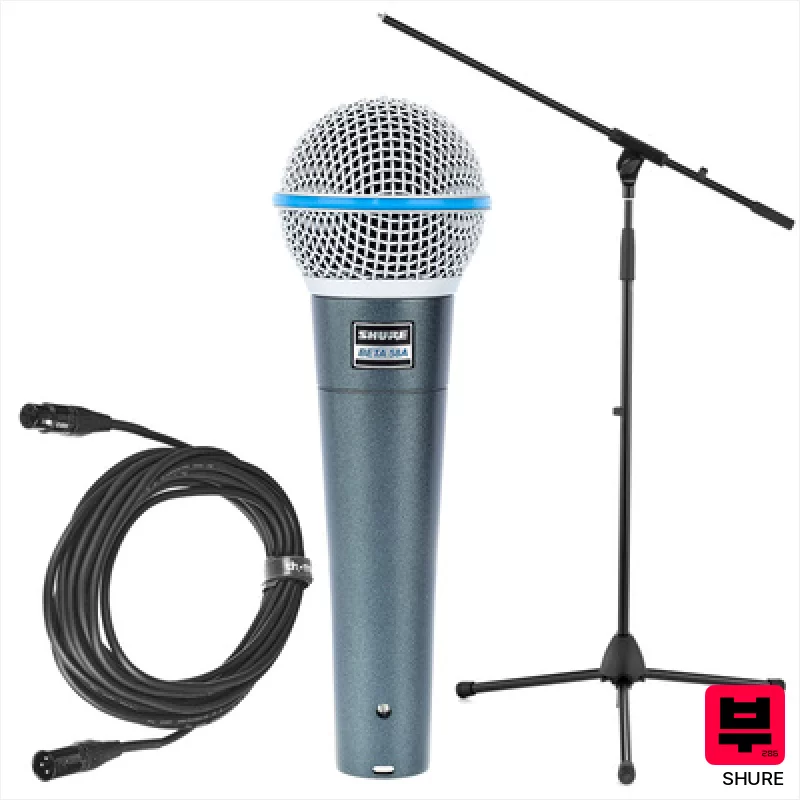
Shure Beta 58 A Stativ+Kabel Bundle
- • Supercardioid pattern provides excellent feedback rejection on stage
- • Robust construction with hardened steel windscreen ensures durability
- • High-output design delivers clear vocals even in loud environments
- • Includes a sturdy stand and cable for immediate use and convenience
- • Supercardioid pattern requires precise mic placement for optimal sound
- • Can sound slightly harsh on vocals with very bright or thin timbres
- • The bundled stand is functional but not a premium-grade option
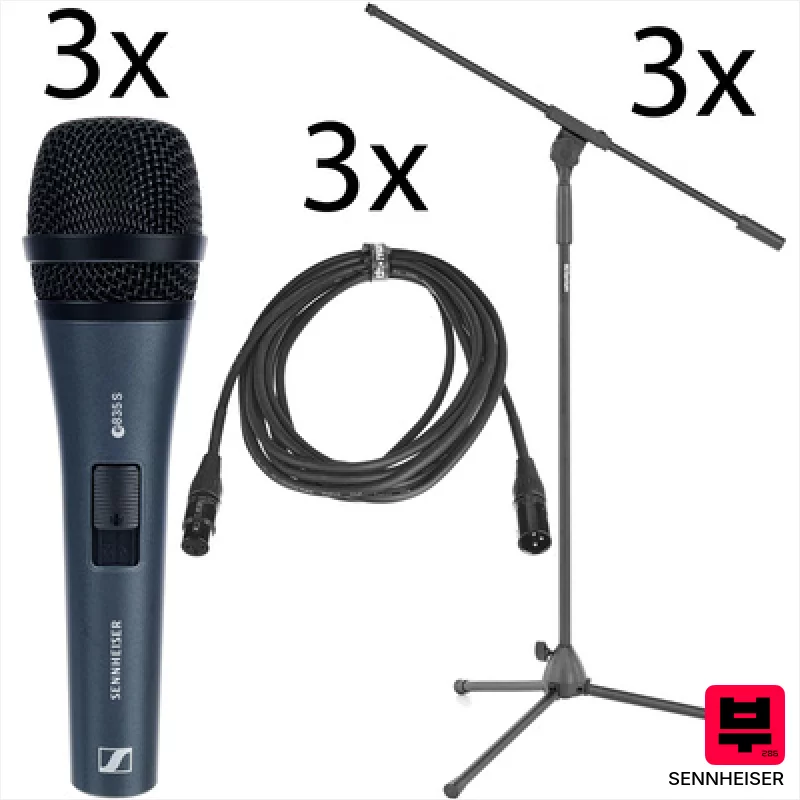
Sennheiser E835 S 3Pack Bundle
- • Robust build quality; feels like it'll survive countless gigs
- • Cardioid pattern effectively isolates vocals from stage noise
- • Included stands offer decent stability for live performance
- • Rean XLR connectors ensure reliable signal transfer and durability
- • The bundled stands are basic, not ideal for studio use
- • E835’s sound can be slightly muddy in dense mixes
- • Microphone weight (330g) might be fatiguing for extended handheld use
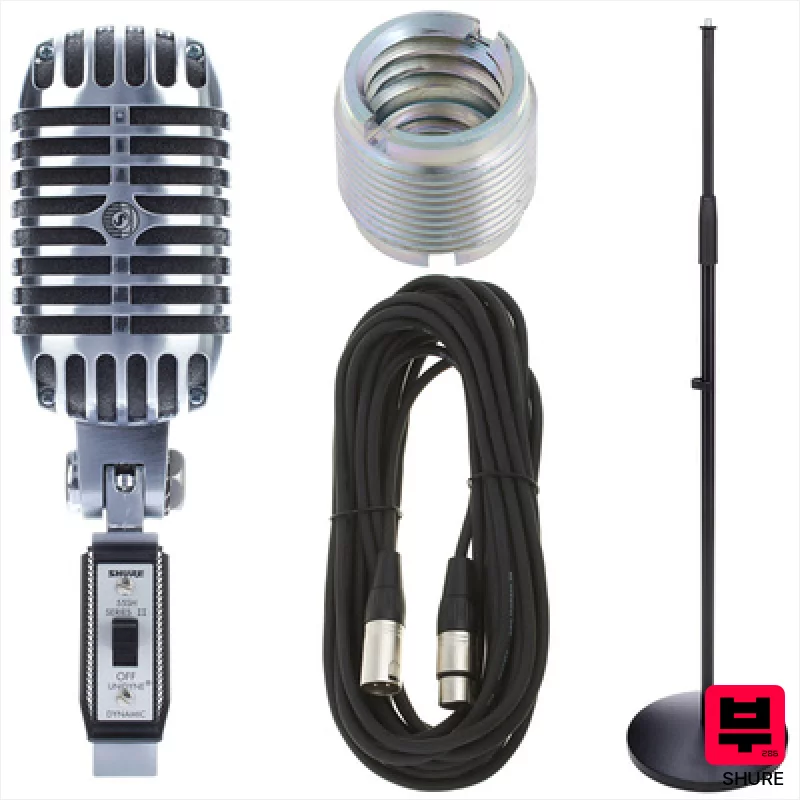
Shure SH55 Series II Bundle
- • Classic UNIDYNE II design provides recognizable stage presence
- • Cardioid pattern excels in live environments, minimizes feedback
- • Robust build quality ensures durability for frequent use
- • Presence boost adds clarity and cut to vocal performances
- • Limited frequency response compared to modern condenser mics
- • Heavier than many stage vocal microphones, can be tiring for some
- • Sound signature leans towards vintage, may not suit all vocal styles
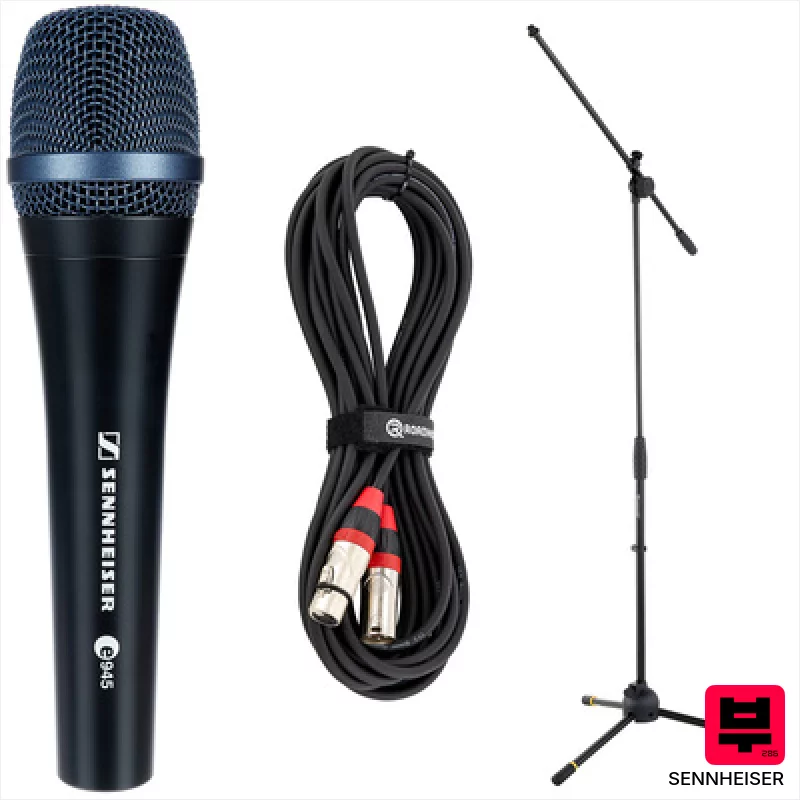
Sennheiser E 945 Complete Bundle
- • Supercardioid pattern excels in live, loud environments minimizing bleed
- • Roadworx stand provides surprising stability for a budget setup
- • MZQ 800 clamp offers secure, reliable mic mounting
- • Natural, gentle sound captures vocal nuances effectively
- • Supercardioid's proximity effect can muddy low-end without proper technique
- • Bundle cable is serviceable but not a premium-grade XLR
- • Heavier than many stage vocal mics; can be fatiguing for some

Sennheiser E 935 FetAmp Bundle
- • Robust metal housing ensures gig-ready durability and longevity.
- • FetAmp provides clean gain, especially useful for dynamic mics' lower output.
- • Cardioid pattern effectively isolates vocals in loud stage environments.
- • Shock-mounted capsule minimizes handling noise and stage vibrations.
- • The 350 Ohm impedance can require a higher-gain preamp for optimal results.
- • While versatile, it’s not the absolute *best* choice for very nuanced studio vocal work.
- • Weight (330g) can be fatiguing for some performers during long sets.
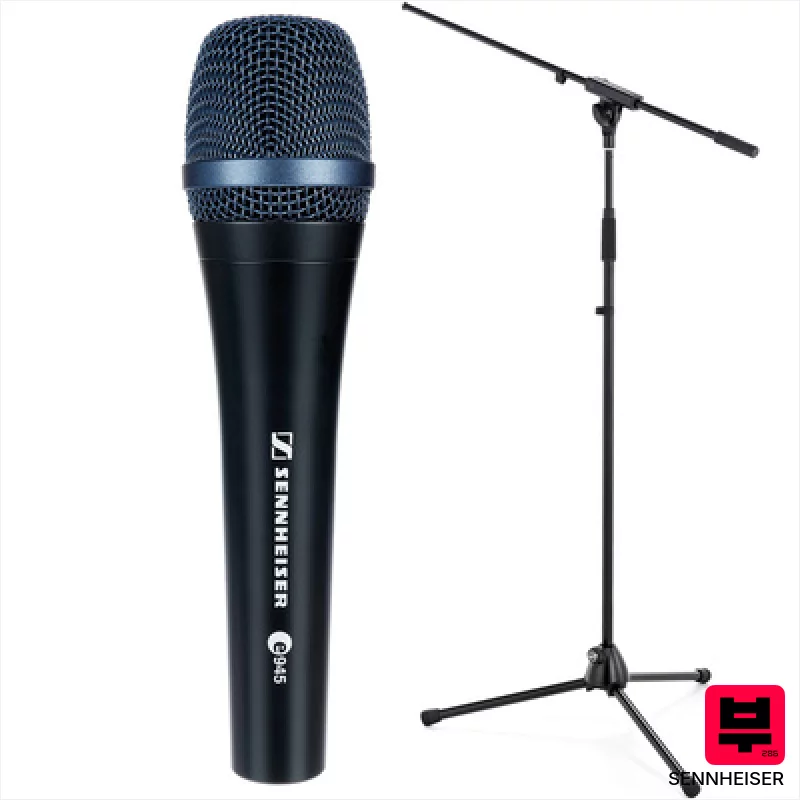
Sennheiser E 945 Stand Bundle
- • Supercardioid pattern excels at isolating vocals in loud live environments.
- • K&M stand offers exceptional stability with its die-cast base and boom arm.
- • E 945's robust build ensures durability for frequent gigging and travel.
- • Natural, gentle sound captures vocal nuances without harshness or artificiality.
- • Supercardioid pattern demands careful mic placement to avoid off-axis coloration.
- • Bundle's weight (over 3kg) can be cumbersome for solo performers or travel.
- • Impedance requires a preamp with sufficient gain for optimal signal level.
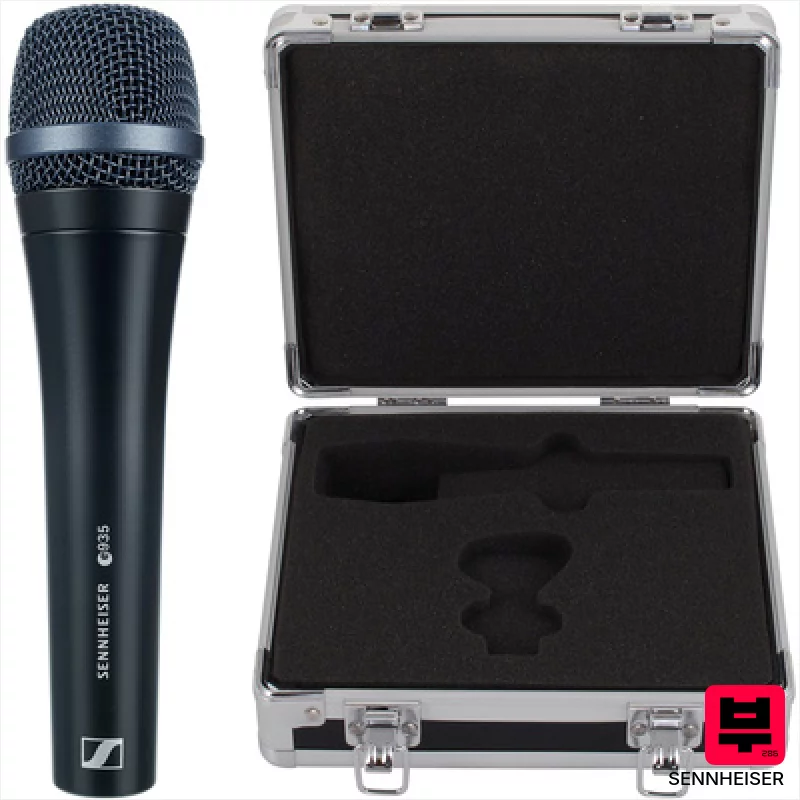
Sennheiser E 935 Case Bundle
- • Robust metal housing provides excellent durability on demanding stages
- • Cardioid pattern excels at isolating vocals in loud environments
- • Shock-mounted capsule minimizes handling noise and stage rumble
- • Included case offers practical protection and organization for transport
- • Can be slightly dark sounding, requiring EQ adjustments in some mixes
- • Impedance might necessitate a preamp with sufficient gain
- • Weight (330g) can be fatiguing during extended performances
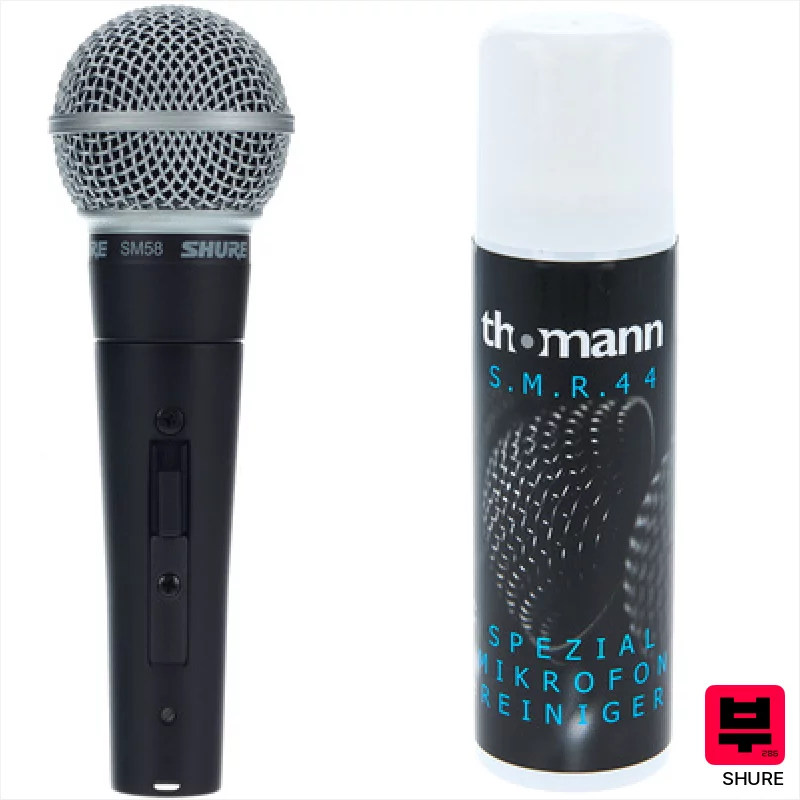
Shure SM58 S Cleaner Bundle
- • Legendary vocal clarity with a warm, balanced sonic signature
- • Rugged steel mesh grille withstands serious stage abuse
- • Cardioid pattern effectively rejects background noise and feedback
- • Integrated pop filter minimizes breathiness and plosives
- • Limited frequency response compared to studio condenser mics
- • Can sound slightly muddy in very bright or untreated rooms
- • Relatively heavy for extended handheld use
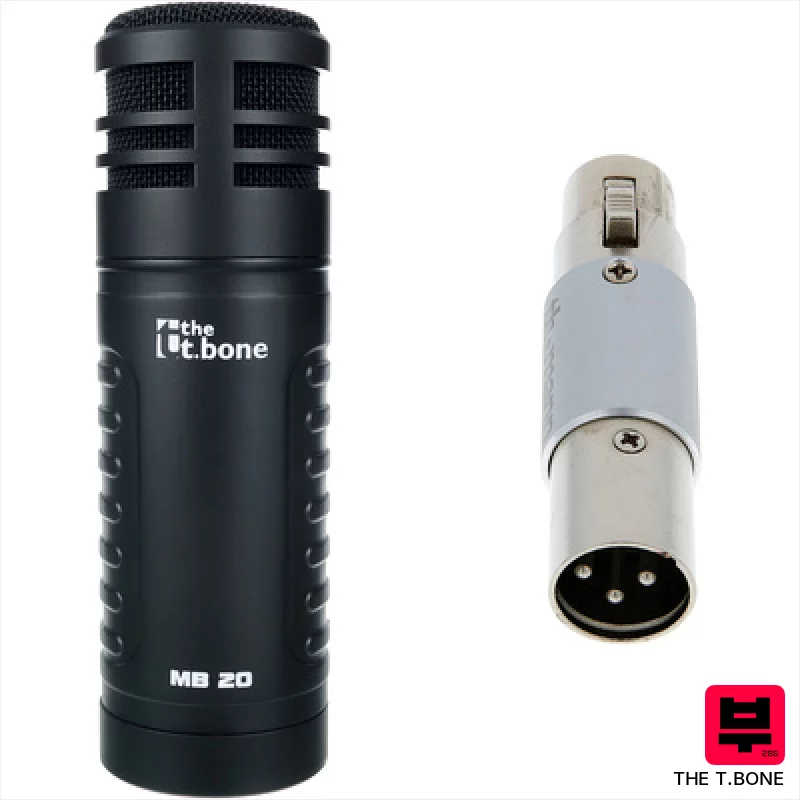
the t.bone MB 20 FetAmp Bundle
- • Hypercardioid pattern excels at isolating vocals in noisy environments
- • FetAmp provides significant gain, cleans up dynamic mic signal
- • Included shock mount minimizes handling noise and vibrations
- • Solid build quality for a budget-friendly microphone bundle
- • Hypercardioid's narrow pickup pattern demands precise mic technique
- • MB 20's frequency response might lack refinement for critical recording
- • FetAmp's Class A design can run warm, requiring ventilation
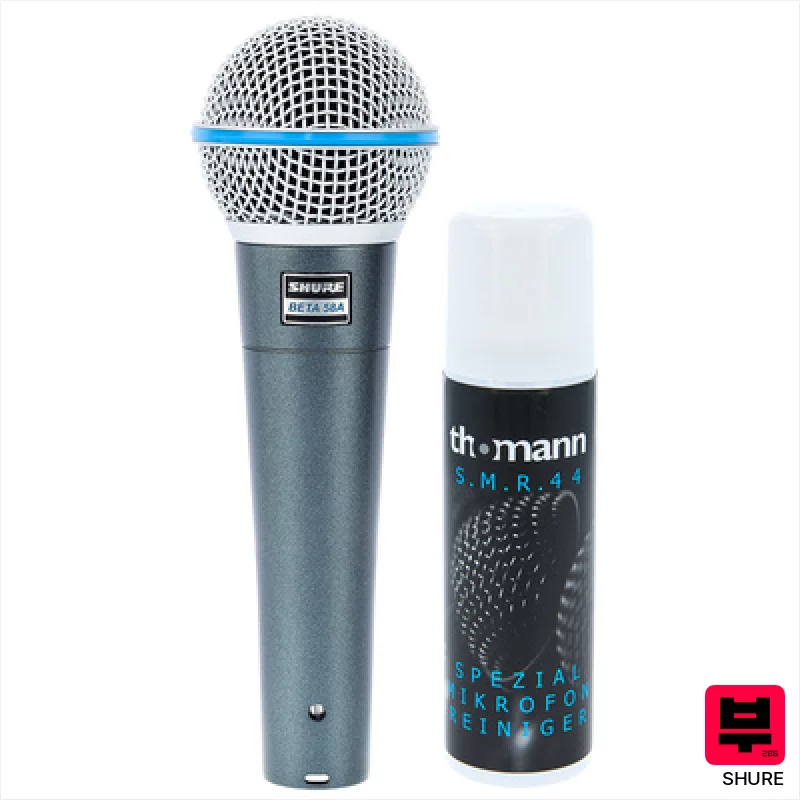
Shure Beta 58 A Bundle
- • Supercardioid pattern offers excellent feedback rejection on stage.
- • Robust build with hardened steel windscreen withstands heavy use.
- • High output provides strong signal, reducing need for preamp gain.
- • Contoured frequency response enhances vocal clarity and presence.
- • Supercardioid pattern can be tricky to manage with mic placement.
- • Less forgiving with proximity effect than omnidirectional mics.
- • Can sound slightly harsh on vocals lacking a warm lower-midrange.
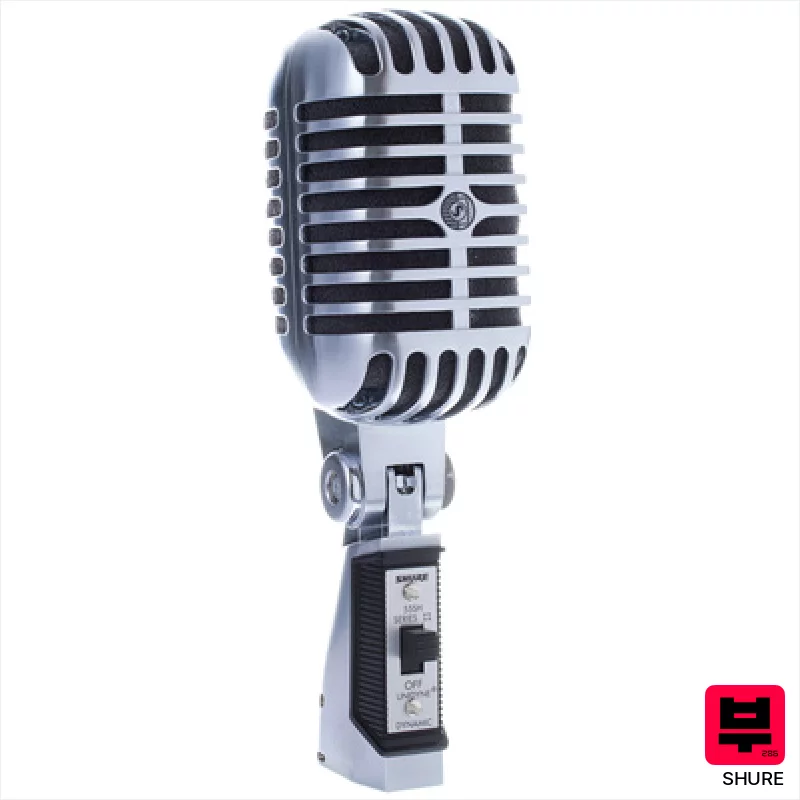
Shure SH55 Series II
- • Classic UNIDYNE II design offers iconic stage presence
- • Cardioid pattern excels at feedback rejection on loud stages
- • Robust build quality ensures reliable performance over time
- • Presence boost adds clarity and cut to vocal performances
- • Lacks the extended frequency response of more modern mics
- • Can sound slightly boxy with certain vocal timbres
- • Limited versatility compared to multi-pattern condensers
- • Heavier than many stage vocal microphones
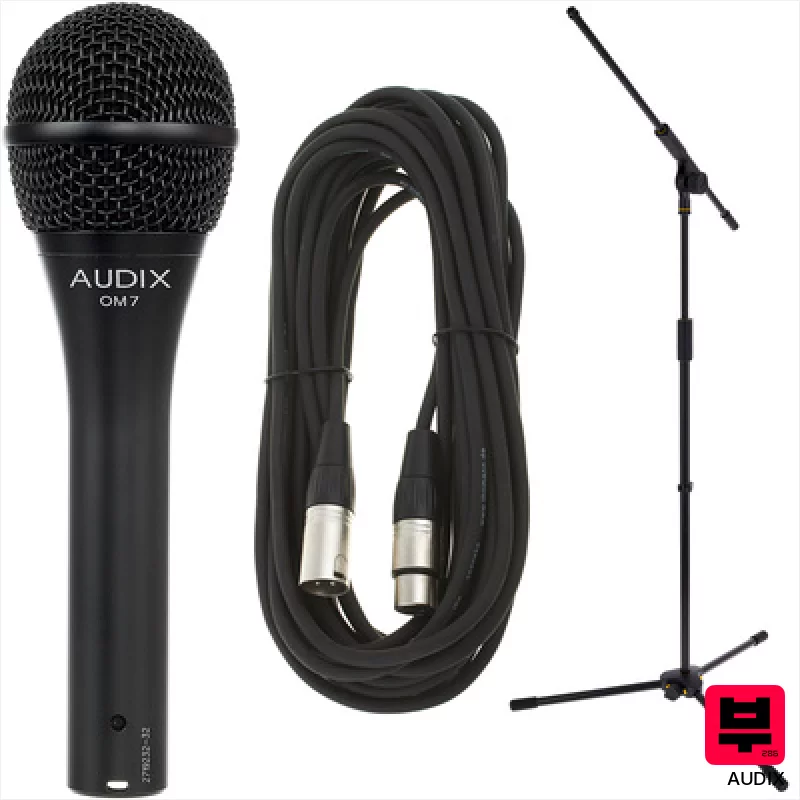
Audix OM7 Bundle
- • Hypercardioid pattern excels at isolating vocals in loud stage environments.
- • Robust build and high SPL handling (140 dB+) withstands demanding live performances.
- • Roadworx stand offers stable, adjustable positioning for various stage setups.
- • Included sssnake cable provides a reliable, low-noise connection for pristine audio.
- • Hypercardioid pattern demands precise mic technique to avoid feedback.
- • OM7’s sound signature is lean and may lack warmth for some vocal styles.
- • Bundle’s stand is functional but lacks premium features like memory locks.

Audix PDX520
- • VLM capsule delivers a surprisingly natural, detailed vocal reproduction.
- • Robust build quality; feels solid and well-assembled, ready for stage use.
- • The low-cut switch is genuinely useful for taming proximity effect in close-mic situations.
- • Excellent rejection of background noise thanks to the tight cardioid pattern.
- • Slightly heavier than some competing vocal mics, could be fatiguing for extended handheld use.
- • While versatile, it leans toward warmer sounds; may need EQ for brighter vocal styles.
- • Impedance is relatively high, requiring a good preamp for optimal performance.
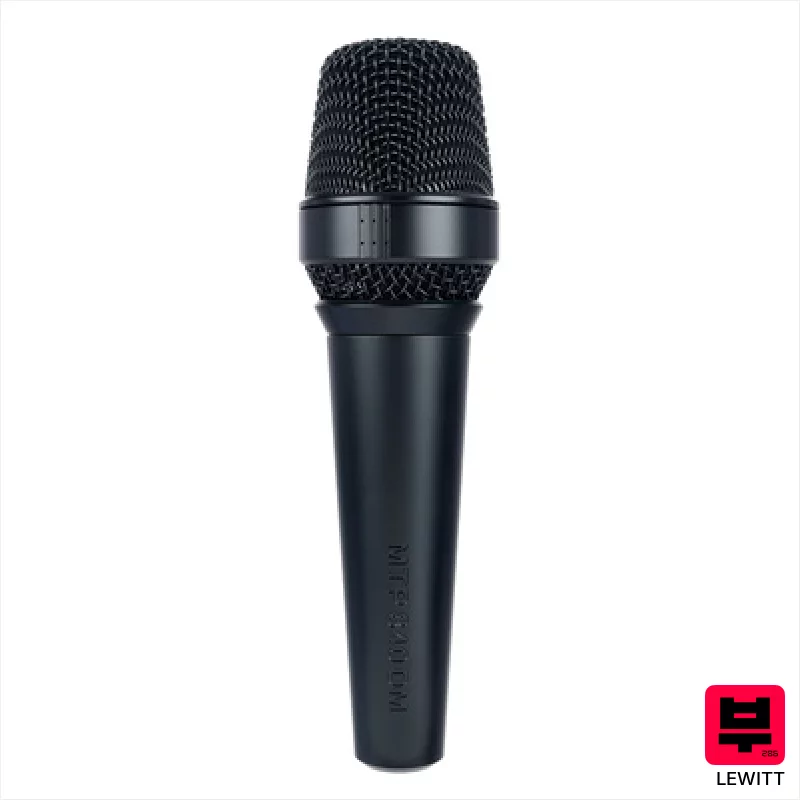
Lewitt MTP 840 DM
- • Excellent off-axis rejection minimizes stage bleed effectively.
- • The built-in switchable low-cut is genuinely useful for taming proximity effect.
- • Robust zinc die-cast construction feels solid and durable for live use.
- • Surprisingly smooth mid-range presence for a dynamic, cuts through mixes.
- • Supercardioid pattern demands precise mic technique for optimal results.
- • Limited versatility compared to multi-pattern condensers for studio tracking.
- • The 0dB gain setting can be a little low for some preamps, requiring gain boosting.
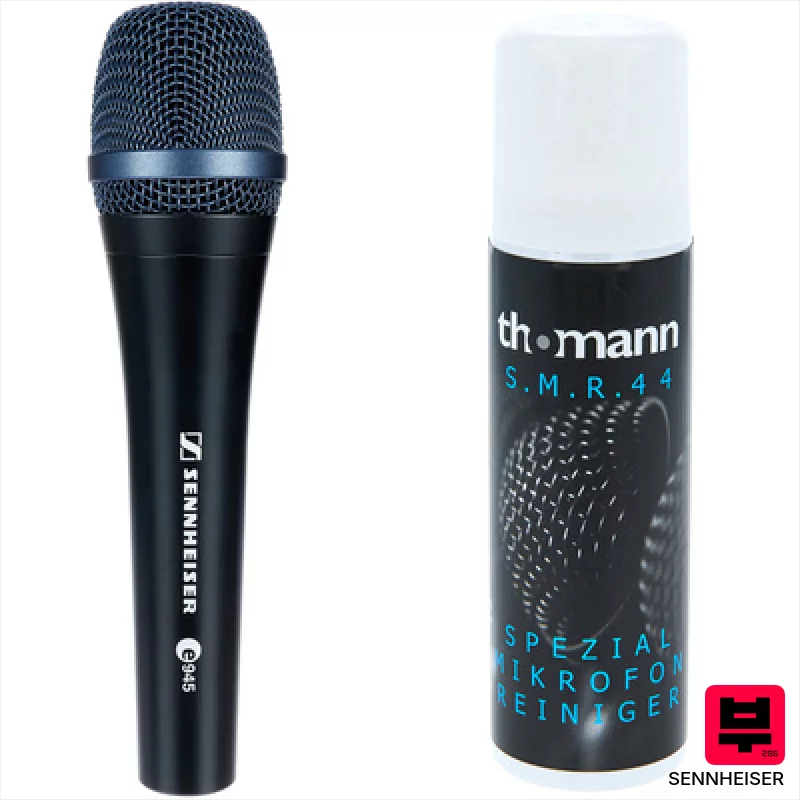
Sennheiser E 945 Bundle
- • Supercardioid pattern excels in loud stage environments
- • Robust zinc die-cast body ensures lasting durability
- • Natural, gentle sound captures vocal nuances effectively
- • Included accessories offer immediate usability and care
- • Supercardioid pattern demands precise mic technique
- • Higher impedance might require a preamp for optimal signal
- • Weight (365g) can be fatiguing for extended handheld use
How to Choose the Best Dynamic Microphones
Frequency Response
It's not just about range; it's about shape. Do you want a mic that's hyped in the high-mids for cutting through a loud band, or something smoother for a more intimate vocal? Look beyond the numbers and listen for the character.
Sensitivity & Output
A hotter signal means less gain needed, which can translate to cleaner recordings and less noise. But too hot can lead to clipping, so find a balance. Important for both live and studio work.
Polar Pattern
Cardioid is the workhorse, but consider hypercardioid for tighter isolation or omni for a more natural room sound. Some mics offer multiple patterns, which adds versatility.
Durability & Build Quality
Let's be honest, these mics are getting tossed around on gigs. A robust build is a must - solid metal construction, a reliable capsule, and a decent shock mount are key.
Off-Axis Rejection
How well does the mic reject sound from the sides and rear? This is crucial for minimizing bleed from other instruments or vocals, especially in less-than-ideal recording environments.
Buying Guide
At this price range, you're trading off something somewhere. Some mics might have incredible low-end thump but a slightly harsh high-end. Others might be super-detailed but lack the 'oomph' to cut through a loud mix. Don't get hung up on marketing buzzwords; focus on what you need for your specific application. Paying extra for multiple polar patterns or a truly road-worthy build is usually worth it - those are the things that age well.
How This List Is Built
We don't play these instruments — we're a catalog, not a review desk, and we'd rather say so than pretend otherwise. This page ranks 15 dynamic microphones from the Thomann catalogue, which is the largest single source of specification data in this category.
Position is computed, not curated. Four signals, in order of weight: how completely the manufacturer documents the instrument (number of published specifications), where it sits in the price range, how specific the model designation is — which filters out generic accessories — and whether a product image exists. The same inputs always produce the same order, so nothing here is shuffled to look fresh.
What this list is good for: narrowing a category down to a shortlist by spec and budget. What it isn't: a substitute for hearing an instrument. Before you buy, read hands-on reviews and, where you can, play it. Full methodology.

