AudioFu Chart · October 2026
Best Dynamic Microphones for Metal 2026
The top pick is sE Electronics V7 Handheld Supercardioid Dynamic Microphone ($167). Shure SM58 Handheld Cardioid Dynamic Microphone gives you the most for the money at $129. Ranked by the AudioFu Index from 73 models across 23 brands, prices checked every night.
Last updated: October 27, 2026
Top 10
Full detail for the 10 highest AudioFu Index scores. Every other model is listed below.
-
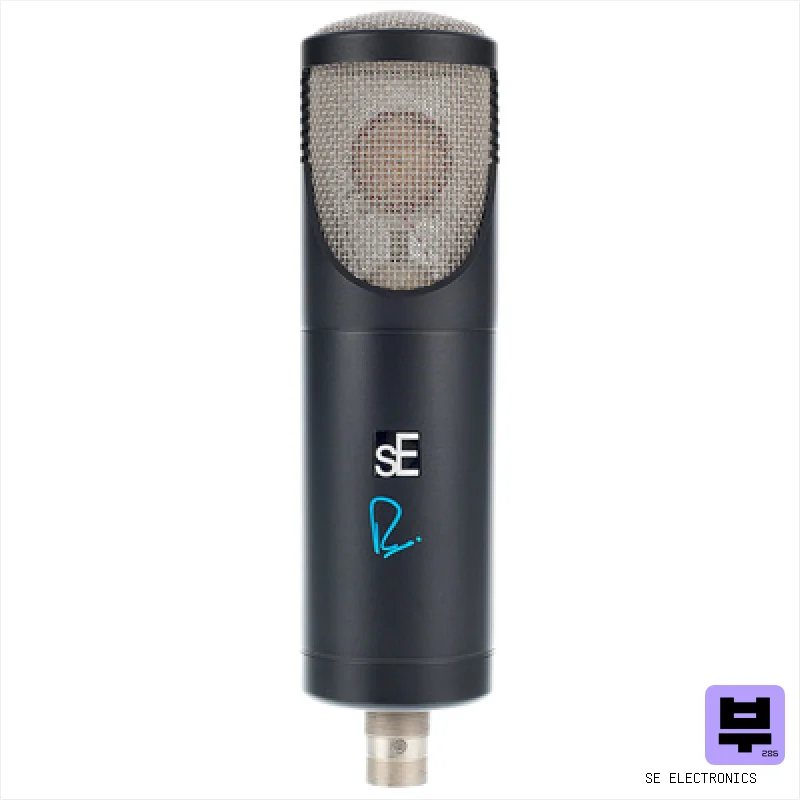
sE Electronics V7 Handheld Supercardioid Dynamic Microphone
V7 PTT · sE Electronics
161 for sale on Reverb14 finishes at Thomann
- Size8"
The V7 PTT is a seriously solid little mic. Built like a tank with that spring steel head, it's perfect for stage managers, broadcast, or anyone needing a reliable talkback solution. It's a workhorse, plain and simple, and delivers clear, intelligible speech.
Pros
- Robust spring steel head provides excellent durability and shock resistance.
- Supercardioid pattern minimizes bleed, ideal for talkback and monitoring.
- Integrated windscreen tames harsh sibilance for cleaner vocal capture.
Cons
- Supercardioid pattern demands precise mic technique for optimal results.
- Sensitivity is relatively low, requiring a preamp with ample gain.
81AudioFu
IndexStableno change since Aug 17Aug 17$167 now$167€149 at Thomann · in stockCheck price ↗ -
Shure SM58 Handheld Cardioid Dynamic Microphone
SM58 LC · Shure
241 for sale on Reverb4 finishes at Thomann
- Size8"
The SM58 LC is the workhorse vocal mic for a reason. It's incredibly durable, sounds great for live vocals, and has a natural warmth that's perfect for rock, pop, and even spoken word. Seriously, if you need a reliable mic that'll last, this is it.
Pros
- Legendary vocal clarity; cuts through live mixes effortlessly.
- Steel mesh grille offers exceptional protection from stage abuse.
- Cardioid pattern minimizes feedback and isolates the vocal source.
Cons
- Limited frequency response; lacks detail for critical studio work.
- Can sound 'muddy' without proper EQ in less-than-ideal acoustics.
76AudioFu
IndexStableno change since Aug 17Aug 17$129 now$129€115 at Thomann · in stockCheck price ↗ -
Sennheiser e835 Handheld Cardioid Dynamic Vocal Microphone
E835-S-PTT · Sennheiser
72 for sale on Reverb5 finishes at Thomann
- Weight0.67 kg
This mic is great for anyone who needs to talk and sing without changing cables. The metal body feels solid, and the push-to-talk button is a real lifesaver on stage. Just remember you still need your own preamp to get the best sound out of it.
Pros
- Push-to-talk button makes switching between talk and sing super easy
- Metal housing keeps the mic sturdy and durable for long tours
- Compact 48mm width fits perfectly in small venues or tight rigs
Cons
- No built-in preamp means you need an external sound board
- Single cardioid pattern limits stereo or omni recording options
69AudioFu
IndexStableno change since Aug 17Aug 17$133 now$133€119 at Thomann · in stockCheck price ↗ -
Shure BETA 58A Handheld Supercardioid Dynamic Microphone
Beta 58 A · Shure
143 for sale on Reverb2 finishes at Thomann
- Size8"
The Beta 58A is a modern evolution of the legendary SM58, offering a more aggressive and detailed sound. It's a workhorse mic, perfect for rock, pop, and any genre needing a powerful, focused vocal presence. This is your go-to if you need to cut through a loud stage mix and demand reliability.
Pros
- Supercardioid pattern delivers excellent feedback rejection on stage
- High-output design handles loud vocals and amplifiers effortlessly
- Hardened steel windscreen and shock mount ensure durability under heavy use
Cons
- Can be overly aggressive for quieter, more nuanced vocal styles
- Supercardioid pattern requires precise mic placement for optimal results
68AudioFu
IndexStableno change since Aug 17Aug 17$207 now$207€185 at Thomann · in stockCheck price ↗ -
Sennheiser e935 Handheld Cardioid Dynamic Vocal Microphone
E 935 · Sennheiser
51 for sale on Reverb5 finishes at Thomann
The E 935 is a workhorse vocal mic – seriously reliable and cuts through the mix really well. It's a solid choice for lead vocals in rock, pop, and country bands where stage volume is high. It’s built to last and delivers a clear, present sound without getting overly fancy.
Pros
- Excellent off-axis rejection minimizes bleed in loud stage environments.
- Robust metal housing provides exceptional durability for gigging musicians.
- Shock-mounted capsule reduces handling noise and unwanted vibrations.
Cons
- Lacks the extended high-frequency detail of premium condenser microphones.
- Relatively heavy, potentially fatiguing for some performers during long sets.
61AudioFu
Index↓ 2.5%since Aug 17 · lowest so far$178 · Aug 17$173 now$173€155 at Thomann · in stockCheck price ↗ -
Sennheiser e945 Handheld Supercardioid Dynamic Vocal Microphone
E 945 · Sennheiser
38 for sale on Reverb6 finishes at Thomann
The E 945 is a workhorse vocal mic, plain and simple. It’s built like a tank and its supercardioid pattern helps it cut through loud bands. Perfect for lead singers in rock, pop, or any genre where vocal clarity and feedback resistance are paramount.
Pros
- Excellent feedback rejection for loud stage environments
- Supercardioid pattern isolates vocals effectively
- Robust zinc die-cast body handles heavy use
Cons
- Can be a bit unwieldy due to its size and weight
- Supercardioid pattern demands precise mic technique
-
Sennheiser e845 Supercardioid Dynamic Handheld Vocal Microphone
E845 · Sennheiser
30 for sale on Reverb3 finishes at Thomann
The E845 is a workhorse vocal mic – seriously reliable and punches above its weight class. It's a great choice for gigging musicians, especially those needing feedback rejection in loud environments, and brass players who want a focused, clear sound. Don't expect studio-grade nuance, but for live performance, it's hard to beat the value.
Pros
- Robust zinc die-cast construction feels incredibly durable on stage
- Supercardioid pickup pattern effectively rejects stage bleed, crucial for live use
- Clear, focused vocal presence with a slight mid-range boost for cut
Cons
- Supercardioid pattern requires precise mic technique to avoid phase issues
- Lacks the warmth and low-end extension of higher-end vocal mics
55AudioFu
Index↓ 4.2%since Aug 17 · lowest so far$106 · Aug 17$102 now$102€91 at Thomann · in stockCheck price ↗ -
Shure BETA 57A Supercardioid Dynamic Instrument Microphone
Beta 57 A · Shure
98 for sale on Reverb1 finish at Thomann
The Beta 57 A is a workhorse mic for a reason. It’s a fantastic, affordable option for live vocals, snare drums, and brass instruments needing a focused, punchy sound. This mic cuts through a loud mix and holds up well to demanding stage conditions.
Pros
- Exceptional feedback rejection thanks to the supercardioid pattern
- Robust all-metal construction ensures long-term durability
- The tailored frequency response delivers a crisp, articulate sound
Cons
- Can be unforgiving with proximity effect, requiring careful mic technique
- Supercardioid pattern demands precise mic placement for optimal sound
55AudioFu
IndexStableno change since Aug 17Aug 17$189 now$189€169 at Thomann · in stockCheck price ↗ -
Shure Nexadyne 8/
C Cardioid Dynamic Microphone Nexadyne 8/C · Shure
42 for sale on Reverb2 finishes at Thomann
The Nexadyne 8/C is a solid workhorse vocal mic—really shines in loud, energetic live settings. Shure's Revonic tech makes a noticeable difference in clarity and noise rejection. It’s a great choice for gigging vocalists and bands needing a dependable, affordable stage mic.
Pros
- Revonic dual-capsule design significantly reduces handling noise.
- Cardioid pattern offers excellent gain-before-feedback on stage.
- Robust zinc alloy body feels durable and roadworthy.
Cons
- Lacks the warmth and low-end extension of premium vocal mics.
- Sensitivity is lower, requiring more preamp gain for quiet stages.
54AudioFu
Index↓ 5.6%since Aug 17 · lowest so far$397 · Aug 17$375 now$375€335 at Thomann · in stockCheck price ↗ -
Shure Super 55 Deluxe Supercardioid Dynamic Microphone
Super 55 Deluxe · Shure
59 for sale on Reverb1 finish at Thomann
The Super 55 Deluxe is a workhorse vocal mic—a direct descendant of the legendary 55 SH, but with some welcome refinements. It delivers a focused, powerful sound with excellent feedback rejection, making it a solid choice for lead vocalists and performers needing strong isolation in live settings. This mic is a premium-priced option that delivers a classic, reliable performance.
Pros
- Super-cardioid pattern offers excellent isolation on stage
- Improved capsule noticeably reduces handling noise and capsule resonance
- Robust all-metal construction ensures lasting durability for touring
Cons
- Super-cardioid pickup can be tricky to manage in less-than-ideal acoustics
- Heavier than many modern vocal microphones, may fatigue some performers
51AudioFu
IndexStableno change since Aug 17Aug 17$312 now$312€279 at Thomann · in stockCheck price ↗
All 73 dynamic microphones
Same index, same nightly prices — compact. Colour options of one model share a row. Tap a photo to zoom.
- 11
Shure KSM8 Dualdyne Handheld Cardioid Dynamic MicrophoneKSM8 B · Shure51Stable$464€415$464€415Check ↗
- 12
EV ND76EV · 2 finishes50↓ 3.7%$148€132$148€132Check ↗
- 13
Audix OMX-E Cardioid Dynamic MicrophoneOMX-E · Audix49↓ 19.3%$103€92$103€92Check ↗
- 14
sE Electronics V2 Switch Supercardioid Dynamic MicrophoneV2 Switch · sE Electronics48Stable$66€59$66€59Check ↗
- 15
Audix PDX520Audix48Stable$386€345$386€345Check ↗
- 16
Warm Audio Retro 64 Cardioid Dynamic MicrophoneRetro 64 · Warm Audio47Stable$167€149$167€149Check ↗
- 17
Audix OM7 Handheld Hypercardioid Dynamic Vocal MicrophoneOM7 · Audix · 2 finishes46Stable$251€224$251€224Check ↗
- 18
Telefunken M80 Satin ChromeTelefunken · 5 finishes46Stable$480€429$480€429Check ↗
- 19
Shure PGA48-XLRPGA48 · Shure45Stable$65€58$65€58Check ↗
- 20
sE Electronics V3 Handheld Dynamic MicrophoneV3 · sE Electronics45Stable$77€69$77€69Check ↗
- 21
Audix OM2 Handheld Hypercardioid Dynamic MicrophoneOM2 · Audix45Stable$104€93$104€93Check ↗
- 22
Audix OM5 Handheld Hypercardioid Dynamic Vocal MicrophoneOM5 · Audix45Stable$178€159$178€159Check ↗
- 23
sE Electronics V8 BlacksE Electronics · 2 finishes45Stable$245€219$245€219Check ↗
- 24
AKG D 5 Vocal MicrophoneD5 · AKG · 2 finishes44Stable$95€85$95€85Check ↗
- 25
Audix OM3 Hypercardioid Vocal MicrophoneOM3 · Audix43Stable$126€113$126€113Check ↗
- 26
EV ND96EV43Stable$215€192$215€192Check ↗
- 27
Austrian Audio OD505 Handheld Supercardioid Dynamic MicrophoneOD505 · Austrian Audio42Stable$254€227$254€227Check ↗
- 28
Audix OMX-E Cardioid Dynamic MicrophoneOMX-M · Audix41Stable$139€124$139€124Check ↗
- 29
Audix OMX-E Cardioid Dynamic MicrophoneOMX-T · Audix41Stable$156€139$156€139Check ↗
- 30
Warm Audio WA-19NWarm Audio · 2 finishes41↓ 2.7%$206€184$206€184Check ↗
- 31
Audix F50 Handheld Cardioid Dynamic MicrophoneF50S · Audix40Stable$67€60$67€60Check ↗
- 32
Sennheiser MD 445 Supercardioid Handheld Dynamic MicrophoneMD 445 · Sennheiser40↓ 0.5%$443€396$443€396Check ↗
- 33
the t.bone GM 55the t.bone39Stable$77€69$77€69Check ↗
- 34
RODE M1 Handheld Dynamic MicrophoneM1-S · Rode · 2 finishes39↓ 2.9%$111€99$111€99Check ↗
- 35
Beyerdynamic TG-V70D Hypercardioid Dynamic Vocal MicrophoneTG V70 · beyerdynamic · 2 finishes39↓ 1.6%$211€189$211€189Check ↗
- 36
Superlux TM58SSuperlux37Stable$28€25$28€25Check ↗
- 37
Warm Audio Retro 64 ChromeWarm Audio37Stable$167€149$167€149Check ↗
- 38
Lewitt MTP 840 DMLewitt37Stable$223€199$223€199Check ↗
- 39
Beyerdynamic TG V50d Dynamic Cardioid MicrophoneTG V50 · beyerdynamic · 2 finishes36Stable$105€94$105€94Check ↗
- 40
Austrian Audio OD303 Supercardioid Dynamic Handheld MicrophoneOD303 · Austrian Audio35Stable$100€89$100€89Check ↗
- 41
Sennheiser MD431II ProfipowerSennheiser35Stable$552€493$552€493Check ↗
- 42
Behringer SL 84CBehringer · 2 finishes34Stable$11€10$11€10Check ↗
- 43
the t.bone MB 45 IIthe t.bone · 2 finishes34Stable$13€12$13€12Check ↗
- 44
Behringer Ultravoice XM8500 Cardioid Dynamic Vocal MicrophoneXM8500 · Behringer · 2 finishes34Stable$22€20$22€20Check ↗
- 45
the t.bone MB 85the t.bone · 2 finishes34Stable$29€26$29€26Check ↗
- 46
AKG Perception Live P5sAKG33↓ 6.5%$48€43$48€43Check ↗
- 47
Yamaha YDM505Yamaha · 2 finishes33Stable$103€92$103€92Check ↗
- 48
Yamaha YDM707 BYamaha · 2 finishes33Stable$167€149$167€149Check ↗
- 49
Sennheiser MD 435 Dynamic Cardioid Handheld MicrophoneMD 435 · Sennheiser33↑ 7.8%$480€429$480€429Check ↗
- 50
Lewitt MTP 5Lewitt · 2 finishes32Stable$98€88$98€88Check ↗
Dynamic Microphones by the numbers
Measured across all 126 models we track, not a sample.
Median $148 — half of all dynamic microphones here cost less.
median of 24 models · 0.18 kg–2.5 kg
median of 22 models · 8"–8"
How to choose the best dynamic microphones
Durability
Metal gigs aren't gentle. We're talking about mics that can survive dropped stages, sweaty hands, and general abuse without sounding worse. A brittle plastic body isn't gonna cut it.
Proximity Effect
That low-end thump is crucial for growls and aggressive vocals. A mic that doesn't deliver a noticeable proximity effect when you get up close will sound thin and weak.
High SPL Handling
Metal is LOUD. The mic needs serious headroom to handle those screaming vocals and crushing guitar riffs without distorting or clipping - and not in a cool, saturated way, but in a muddy, unusable way.
Feedback Rejection
Stage monitors are a necessary evil. A mic with good off-axis rejection helps minimize feedback, allowing you to crank the volume without ear-splitting squeals.
Articulation & Clarity
While a raw, aggressive tone is key, you still need some clarity. The mic needs to reproduce the nuances of your vocal delivery - the snarl, the grit, the subtle changes in tone - without sounding muffled or indistinct.
Buying guide
So, you're screaming your heart out in a metal band and your mic sounds like it's swallowing your vocals? That's a problem. Forget those pristine, airy condensers - for metal, you need a dynamic mic that can handle serious volume, proximity effect, and the inevitable abuse of gigging. We're breaking down the best dynamic mics to cut through the wall of distortion and give your vocals the presence they deserve.
Don't fall for the hype. A cheap mic might look cool, but it'll likely lack the robust build and consistent performance you need. Spending a little more on a reputable brand gets you better components and a more reliable capsule.
Consider your vocal style: a smoother mic is better for soaring cleans, while a more aggressive mic is ideal for guttural vocals. Ultimately, try before you buy if you can - what sounds brutal in one room might sound muddy in another.
How the AudioFu Index works
Five measured signals and nothing else — no stars from strangers, no “tested by experts” we didn’t do. The weights are fixed and public. We don’t play these instruments; we measure the market around them.
This chart covers 126 dynamic microphones from the Thomann catalogue. Before you buy, read hands-on reviews and, where you can, play it. Full methodology.
AudioFu earns a commission when you buy through our Thomann links. It never changes the order — the index does.
- Demand40%
How many of this exact model are for sale on Reverb right now — what musicians actually buy and resell.
- Lineup20%
How many finishes Thomann stocks — makers expand the models that sell.
- Price15%
Where the price has moved since we started tracking in August.
- Specs15%
How completely the maker documents it.
- Maker10%
How deep the brand’s range is in this category.
Questions
Are dynamic mics always better for metal than condensers?
Not always, but generally yes. Condensers are more fragile and often have less headroom. Dynamics are built to take a beating and handle high SPLs better, which is crucial for metal's intensity.
What's the deal with 'proximity effect'? Is it good or bad?
It's a tool! It adds low-end warmth and fullness when you're close to the mic. Too much, and it gets muddy; too little, and your vocals sound thin. Learn to control it by adjusting your mic technique.
I'm on a tight budget. What's the best value dynamic mic for metal?
The Shure SM58 is a classic for a reason. It's durable, handles high SPLs decently, and has a respectable proximity effect. It's not going to blow you away, but it's a solid workhorse.
My vocals sound 'harsh' through my mic. What can I do?
Check your EQ. A slight cut around 2-4 kHz can soften harshness. Also, consider mic technique - moving slightly further away from the mic can reduce the proximity effect and tame the high-end edge.
Can I use a dynamic mic for recording acoustic guitar?
Sure, but it won't have the same airy, detailed sound as a condenser. It'll be darker and more intimate, which can work well for certain styles of metal acoustic passages or if you want a more 'vintage' tone.