
Best DJ Headphones for Mobile Djing 2026
Alright, so you're doing the mobile DJ thing - weddings, corporate events, maybe a bar gig or two. That means your headphones aren't just about sounding good in your bedroom; they're about surviving a chaotic environment, letting you hear your cue points over a loud room, and looking presentable doing it. Forget those audiophile headphones; we need workhorses here, something that can handle the beatdowns and still give you a decent read on your tracks. Let's dial in some solid options.
Last updated: July 15, 2026 • Next update: July 22, 2026
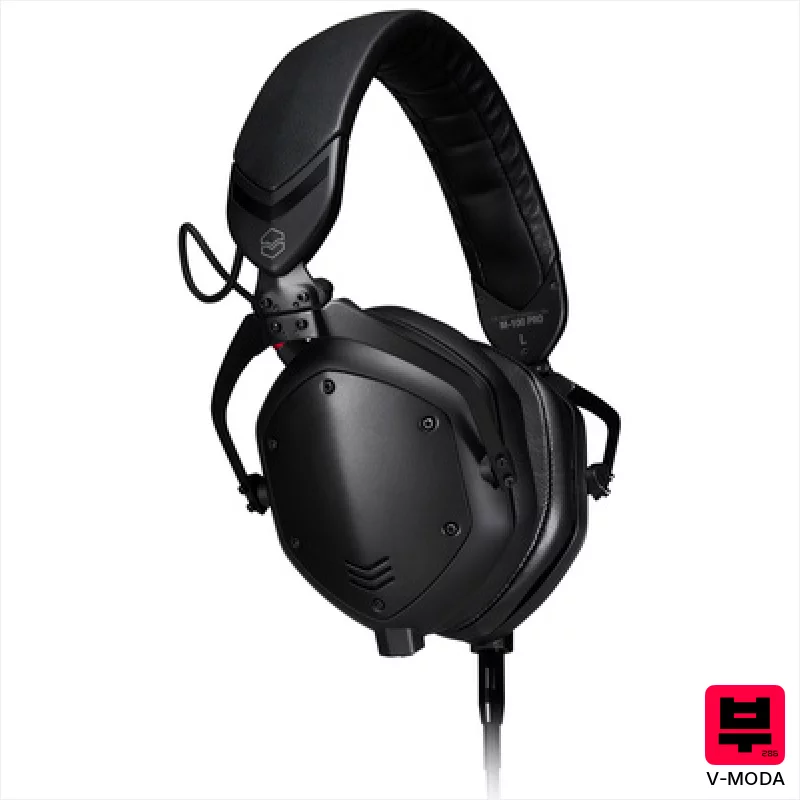
V-Moda M-100 Pro
- • Solid metal frame and earcups provide excellent durability for demanding DJ use.
- • Dual-diaphragm drivers deliver a surprisingly balanced sound for monitoring.
- • The included coiled and straight cables offer versatility for different setups.
- • Memory foam ear pads offer long-term comfort during extended DJ sets.
- • At 319g, they're noticeably heavier than some competitor models, potentially fatiguing.
- • The imitation leather ear pads, while comfortable, may not be as breathable as genuine leather.
- • The frequency response, while balanced, lacks a pronounced low-end for bass-heavy genres.

Technics EAH-DJ 1200
- • Solid build quality; feels robust despite the price point.
- • Punchy, well-defined bass response suits electronic and hip-hop genres.
- • The 270° swivel is genuinely useful for cueing and extended use.
- • Spiral cable is convenient and reduces tangling during DJing.
- • 50mm drivers lack ultimate detail compared to higher-end models.
- • Slightly heavy; prolonged use might cause fatigue for some.
- • Cable routing feels a little flimsy and could be improved.

Audio-Technica ATH-PRO5 X WH
- • Solid build quality; the headband clamp provides secure, comfortable wear.
- • The 40mm drivers deliver a surprisingly punchy, well-defined low-end response.
- • Removable cable with locking mechanism is a huge plus for durability in the club.
- • Swiveling earcups offer excellent flexibility for cueing and one-ear monitoring.
- • Sound signature leans towards bass-heavy; may not suit all genres.
- • Plastic construction feels a bit budget-friendly compared to higher-end models.
- • While comfortable initially, long sessions may induce ear fatigue.

Sennheiser HD-25
- • Robust build quality; these are built to survive a club gig.
- • Excellent transient response; tight and accurate for monitoring mixes.
- • Neutral sound signature; revealing without being overly colored.
- • Swiveling earcups offer comfortable, adaptable fit for extended use.
- • Can be a bit clamping; might cause discomfort for some users initially.
- • Sound isolation isn't top-tier; bleed can be an issue in loud environments.
- • Single-sided cable is prone to tangling and can be inconvenient.
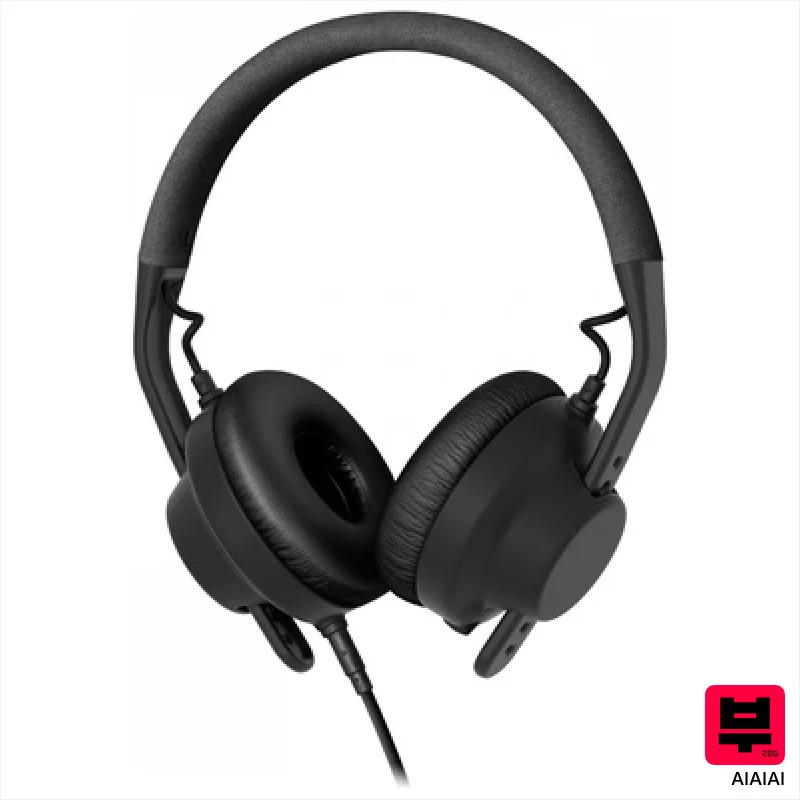
AIAIAI TMA-2 DJ XE
- • Bio-cellulose drivers offer a surprisingly clean, detailed soundstage.
- • Nylon headband provides excellent durability and comfortable clamping force.
- • Interchangeable ear pads allow for customization and long-term comfort.
- • Lightweight design (0.16kg) minimizes fatigue during long DJ sets.
- • The PU ear pads, while comfortable initially, can get warm during extended use.
- • 32 Ohm impedance requires a powered source for optimal volume in some scenarios.
- • Closed-back design sacrifices some natural soundstage and airiness.
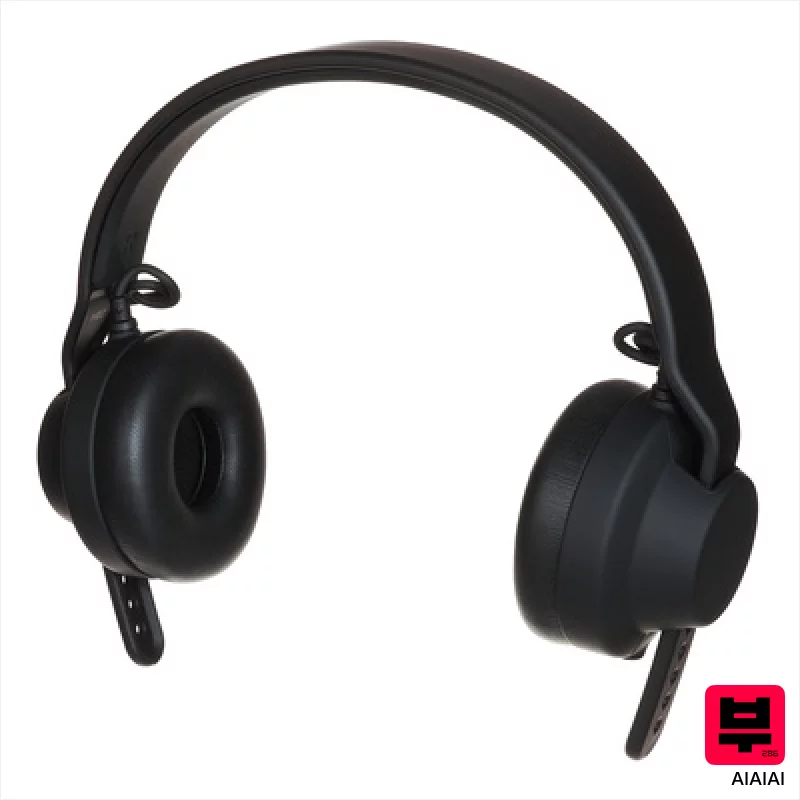
AIAIAI TMA-2 DJ
- • Robust build with Nylon headband and durable PU earcups.
- • Bio-cellulose drivers deliver a surprisingly balanced and detailed sound.
- • Low impedance (32 Ohms) makes them easily driven by laptops and mixers.
- • Coiled cable minimizes tangling and provides a professional feel.
- • Supra-aural design can become fatiguing during extended DJ sets.
- • Sound isolation isn't exceptional compared to fully closed-back options.
- • The aesthetic, while minimalist, might not appeal to everyone.
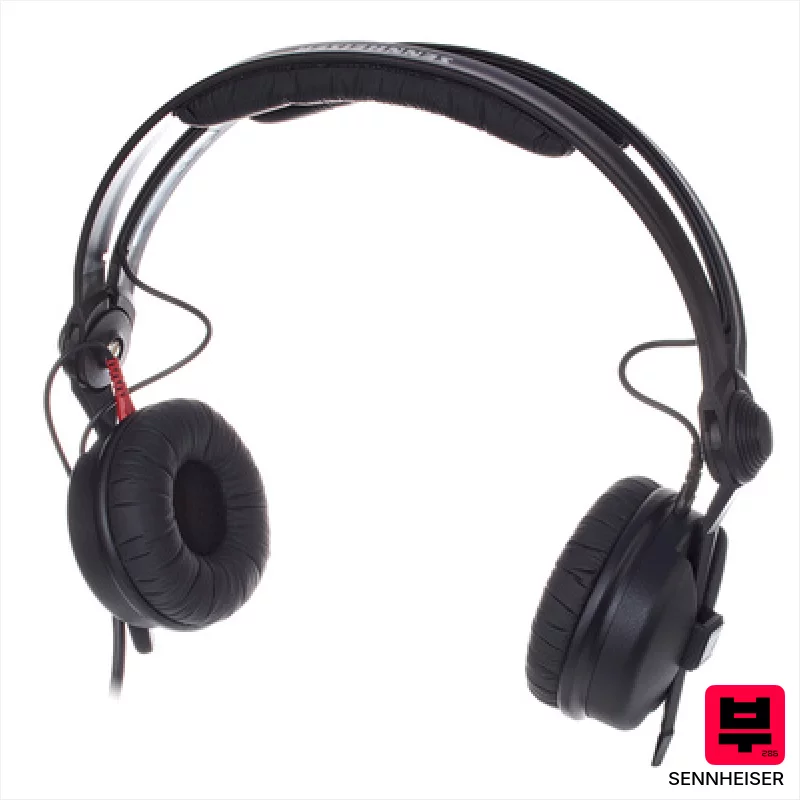
Sennheiser HD-25 Plus
- • Robust build quality; feels incredibly durable for on-ear headphones
- • Excellent transient response; tight, accurate bass for DJing
- • Swiveling earcups improve comfort and versatility for extended use
- • Improved cable design reduces tangling and increases longevity
- • On-ear design may become fatiguing during very long sessions
- • Sound signature leans slightly analytical; lacks warmth for some genres
- • Clamping force can be a bit tight initially, requires some break-in

Fun Generation HP 5
- • Surprisingly robust plastic headband provides decent clamping force
- • Lightweight for extended use, minimizing fatigue during long sets
- • Decent sound isolation for club environments and practice
- • Includes 6.3mm adapter for wider compatibility with older gear
- • Plastic construction feels noticeably cheap, limiting long-term durability
- • Sound lacks detail and clarity; muddy bass response overall
- • Cable, while long, feels flimsy and prone to tangling easily
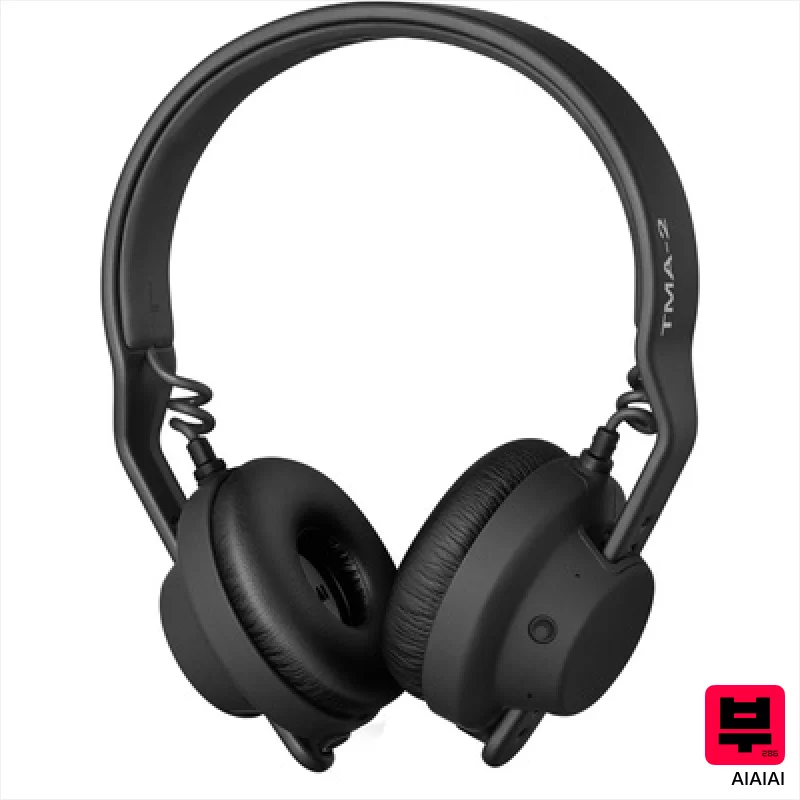
AIAIAI TMA-2 DJ Wireless
- • Robust build with premium materials like the H02 headband provides excellent durability.
- • W+ Link offers exceptionally low latency, crucial for precise beatmatching.
- • The S11 drivers deliver a balanced, clear sound signature – surprisingly detailed.
- • Switchable Bluetooth offers versatility for studio and on-the-go use.
- • The clamping force can be a bit tight for extended wear, especially initially.
- • While balanced, the sound profile may lack the emphasized bass some DJs prefer.
- • The modular design, while clever, adds to the perceived complexity for some users.

Audio-Technica ATH-M20xWH
- • Clear, balanced sound profile suitable for monitoring
- • Lightweight design improves long-term comfort during extended use
- • Durable CCAW voice coils enhance driver efficiency and longevity
- • 90-degree swivel cups allow for easy one-ear monitoring
- • Plastic build feels budget-oriented; lacks premium robustness
- • Limited sound isolation compared to higher-end closed-back models
- • 47 Ohm impedance might require more power for optimal volume
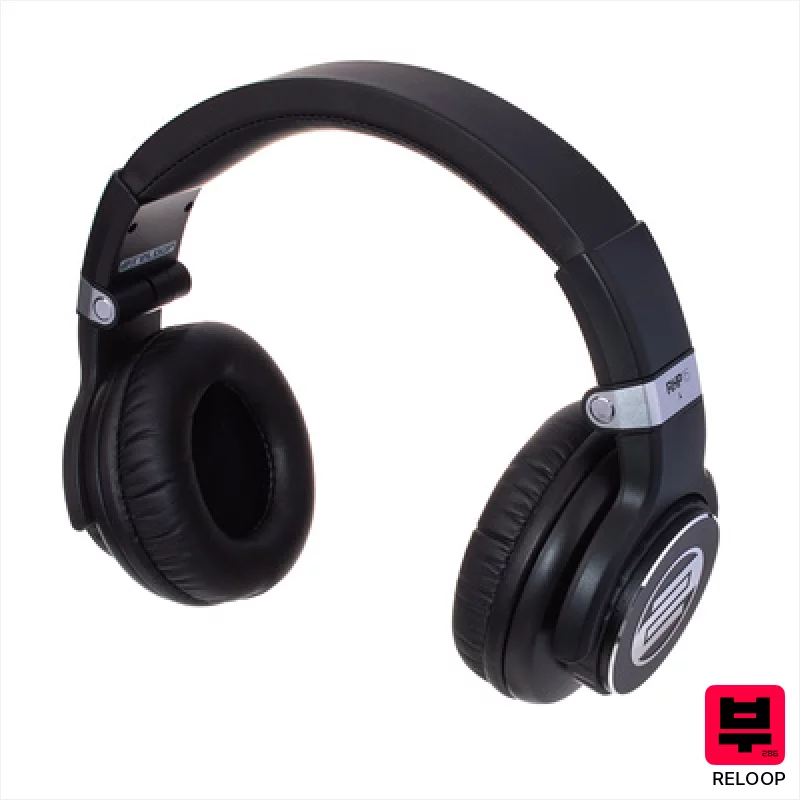
Reloop RHP-15
- • Aluminum inlays add a touch of class and rigidity.
- • 42 Ohm impedance suits both professional and consumer gear.
- • Foldable design and one-sided cable routing enhance portability.
- • Decent sound isolation for club environments and practice.
- • Sound lacks the nuanced detail of higher-end models.
- • Plastic headband construction feels less premium than all-metal alternatives.
- • Bass response can be slightly muddy at higher volumes.

Sennheiser HD-25 Thomann Edition
- • Robust, all-metal housing ensures exceptional durability for demanding environments.
- • The dynamic driver delivers a surprisingly detailed and punchy low-end for DJing.
- • Included extra ear pads offer customizable comfort and sound isolation options.
- • Single-sided cable minimizes tangling and simplifies storage during gigs.
- • The clamping force can be intense initially, requiring a break-in period for extended use.
- • While versatile, the closed-back design lacks the open, airy feel preferred by some audiophiles.
- • The 70-ohm impedance might necessitate an amp for optimal performance with mobile devices.
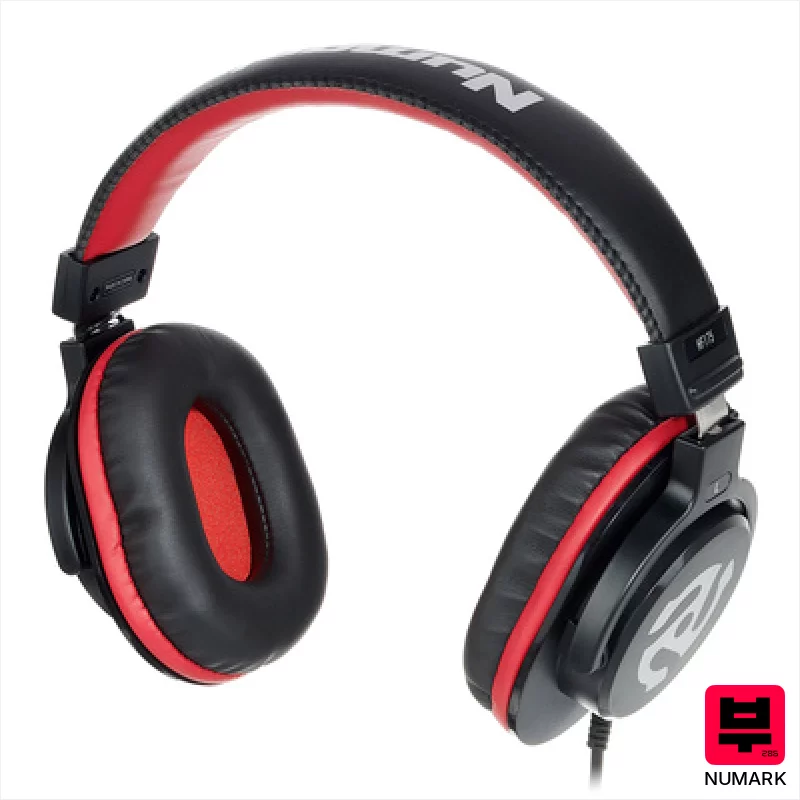
Numark HF175
- • Lightweight design reduces fatigue during extended DJ sessions.
- • Leatherette earcups offer decent initial comfort, a step above basic vinyl.
- • Rotatable earcups allow for easy one-ear monitoring for cueing.
- • Includes a 6.3mm adapter, broadening compatibility with older gear.
- • Build quality feels noticeably cheap, especially the headband adjustment.
- • Sound lacks dynamic range and detail; muddy bass response at higher volumes.
- • Leatherette earcups will likely degrade quickly with heavy use.
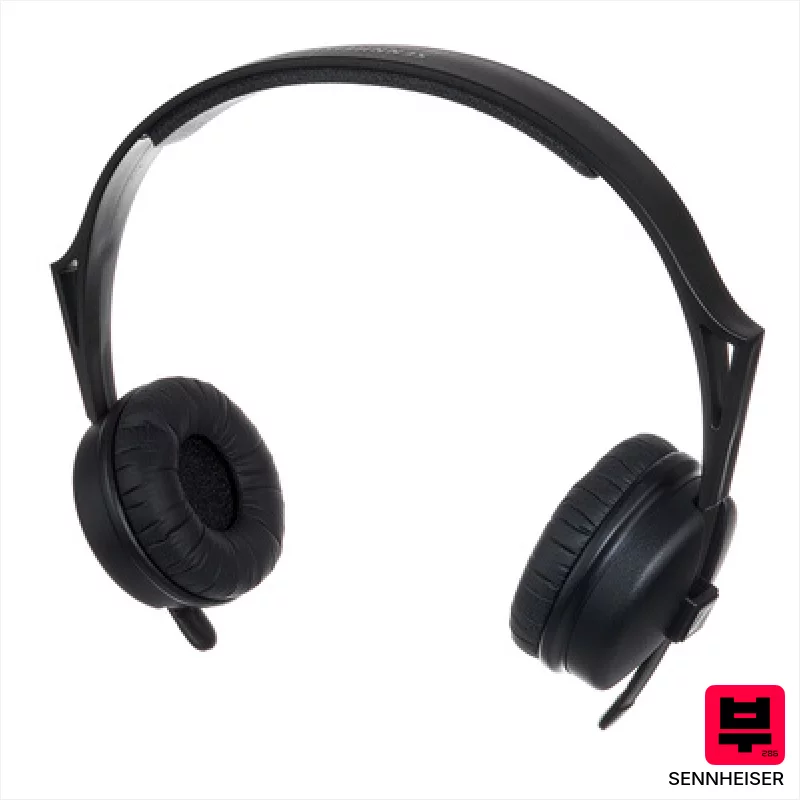
Sennheiser HD-25 Light New Version
- • Robust build with durable plastic housing and headband padding
- • Classic HD-25 sound signature: clear mids, punchy bass response
- • Lightweight design (120g) offers comfortable extended use
- • Detachable cable simplifies replacement and reduces long-term costs
- • Soundstage is somewhat limited compared to open-back alternatives
- • Clamp force can be a bit tight for some users initially
- • Plastic construction, while durable, lacks the premium feel of higher-end models

Audio-Technica ATH-M20x
- • Copper-clad aluminum voice coils deliver surprisingly clean, articulate sound
- • Closed-back design provides decent isolation for monitoring
- • 90-degree swivel cups offer comfortable listening angles
- • Lightweight build makes them practical for extended use and travel
- • Plastic construction feels budget-oriented, lacks premium robustness
- • Sound lacks a truly impactful low-end for serious bass monitoring
- • Cable single-sided exit can create awkward cable management issues
How to Choose the Best DJ Headphones
Durability
Mobile DJing isn't kind to gear. We're talking sweat, accidental kicks, being tossed in a gig bag - these headphones need to survive. Look for robust construction, swivel joints that don't feel like they'll snap, and comfortable earpads that won't disintegrate after a few gigs.
Sound Isolation
This is huge. You need to hear your cue points over the crowd, the MC, and the band. Passive isolation (good earcup design) is a baseline, but active noise cancellation (ANC) can be a game-changer in really loud venues, though it can sometimes color the sound - a trade-off to consider.
Frequency Response & Clarity
You don't need a perfectly flat response, but you need to hear the details. Mobile DJs often deal with a wide range of genres, so you need to be able to discern subtle changes in the mix, identify EQ problems, and make adjustments on the fly. That muddy low-end that sounds cool at home? It'll be a disaster on a sound system that already lacks definition.
Comfort & Weight
You'll be wearing these for hours. Lightweight designs and well-padded earcups are essential to avoid fatigue. A clamp that's too tight will make your head ache; one that's too loose will bounce around. Finding that sweet spot is key.
Cable & Connectivity
A detachable cable is a must - saves you a ton of headaches when a cable inevitably gets snagged or damaged. Look for a reinforced cable to prevent fraying. Multiple connectivity options (3.5mm, 1/4") are a bonus for compatibility with different gear.
Buying Guide
Don't fall for the hype. A lot of headphones marketed towards DJs are overpriced for what they offer. You're paying for the branding as much as the performance. A solid pair of headphones in the $100-$250 range will often outperform something twice as expensive. Look for durable materials, a comfortable fit, and a clear, detailed sound - don't get caught up in flashy features you won't use. A long lasting cable is worth more than fancy lighting.
Our Methodology
We're not looking at spec sheets here. We've spent countless hours with these headphones - on stage, in rehearsals, and in less-than-ideal environments. We've A/B'd them against each other, and most importantly, we've put them through the ringer to see how they hold up when you're battling a boomy dance floor or a chatty wedding party. It's about real-world performance, not marketing claims.

