
Best DJ Headphones for Dj Monitoring 2026
Alright, so you're serious about DJing and want headphones that aren't just for blasting tunes on the beach. Monitoring headphones are a different beast - you need to hear every subtle cue, every transient, every bit of EQ adjustment as you're blending tracks. It's not about bass-boosted thump, it's about accurate representation so you can actually mix well. Let's break down what to look for in a solid pair for the booth.
Last updated: July 15, 2026 • Next update: July 22, 2026
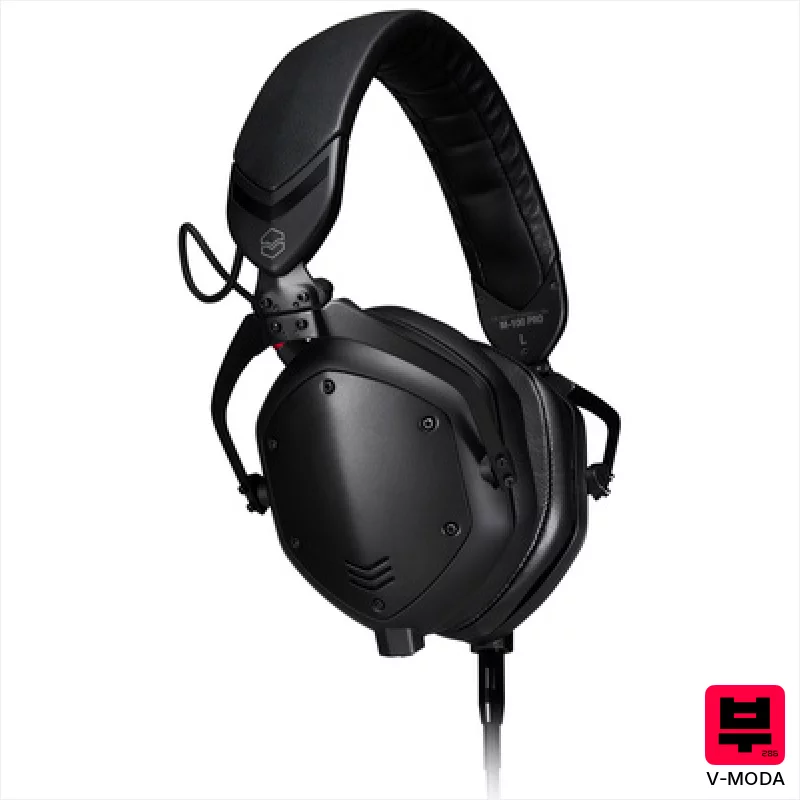
V-Moda M-100 Pro
- • Solid metal frame and earcups provide excellent durability for demanding DJ use.
- • Dual-diaphragm drivers deliver a surprisingly balanced sound for monitoring.
- • The included coiled and straight cables offer versatility for different setups.
- • Memory foam ear pads offer long-term comfort during extended DJ sets.
- • At 319g, they're noticeably heavier than some competitor models, potentially fatiguing.
- • The imitation leather ear pads, while comfortable, may not be as breathable as genuine leather.
- • The frequency response, while balanced, lacks a pronounced low-end for bass-heavy genres.
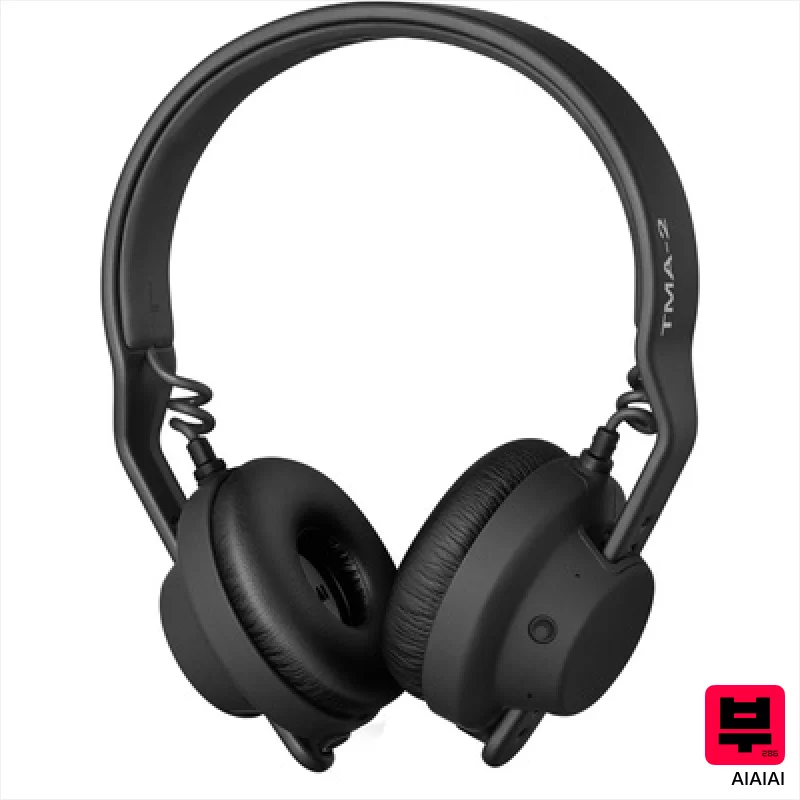
AIAIAI TMA-2 DJ Wireless
- • Robust build with premium materials like the H02 headband provides excellent durability.
- • W+ Link offers exceptionally low latency, crucial for precise beatmatching.
- • The S11 drivers deliver a balanced, clear sound signature – surprisingly detailed.
- • Switchable Bluetooth offers versatility for studio and on-the-go use.
- • The clamping force can be a bit tight for extended wear, especially initially.
- • While balanced, the sound profile may lack the emphasized bass some DJs prefer.
- • The modular design, while clever, adds to the perceived complexity for some users.

Sennheiser HD-280 Pro
- • Solid build quality; headband improvement enhances long-term comfort noticeably.
- • Closed-back design provides excellent isolation for DJing in loud environments.
- • 64-ohm impedance makes them easily drivable from most mixers and mobile devices.
- • Clear, detailed sound signature ideal for cueing and critical listening.
- • Bass response can feel slightly lacking for some modern electronic music genres.
- • The clamping force is considerable, potentially uncomfortable for users with larger heads.
- • Plastic construction, while durable, doesn't feel as premium as higher-end options.

Sennheiser HD-25
- • Robust build quality; these are built to survive a club gig.
- • Excellent transient response; tight and accurate for monitoring mixes.
- • Neutral sound signature; revealing without being overly colored.
- • Swiveling earcups offer comfortable, adaptable fit for extended use.
- • Can be a bit clamping; might cause discomfort for some users initially.
- • Sound isolation isn't top-tier; bleed can be an issue in loud environments.
- • Single-sided cable is prone to tangling and can be inconvenient.
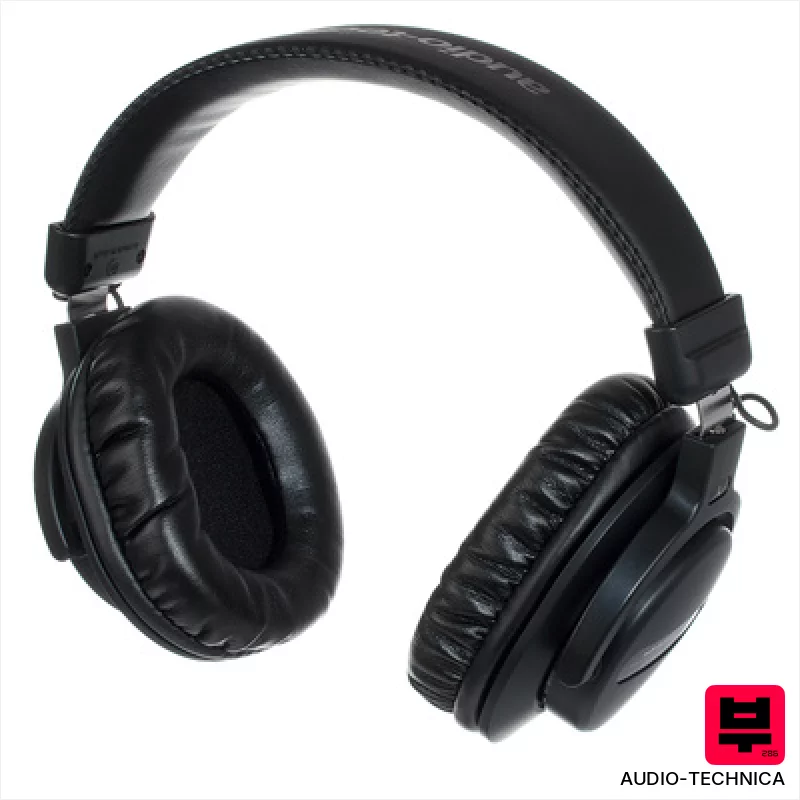
Audio-Technica ATH-PRO5 X BK
- • Solid build quality; robust plastic housing and metal headband provide durability.
- • Clear, punchy low-end response ideal for monitoring bass and kick drums.
- • Swiveling earcups allow for comfortable one-ear monitoring during DJing.
- • Removable cable with locking mechanism minimizes cable pull-out issues during use.
- • Soundstage is somewhat narrow, lacking exceptional spatial imaging.
- • Clamping force can be a bit tight for extended wear sessions.
- • While durable, the plastic housing feels less premium than higher-end models.
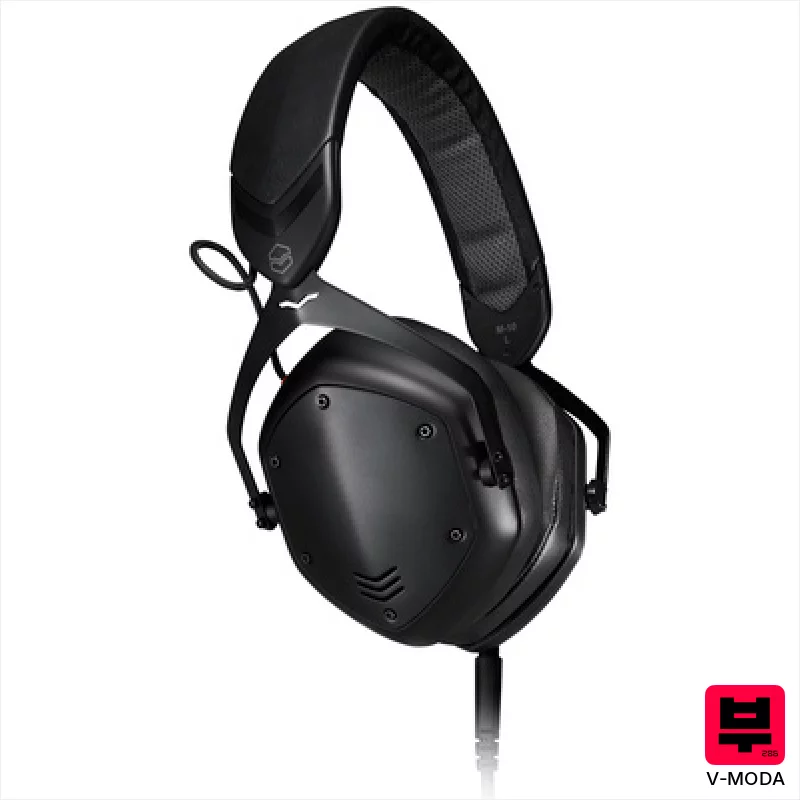
V-Moda M-10
- • Robust metal frame and covers offer excellent durability for gigging DJs.
- • 50mm dual-diaphragm drivers deliver surprisingly clear and punchy low-end response.
- • Memory foam ear pads provide comfortable extended wear, a crucial DJ need.
- • Detachable cables, including a coiled option, enhance portability and prevent cable damage.
- • The 275g weight can become fatiguing during long mixing sessions.
- • While versatile, the 32 Ohm impedance isn't ideal for professional studio monitoring.
- • Artificial leather ear pads, while comfortable, might not be as breathable as genuine leather.
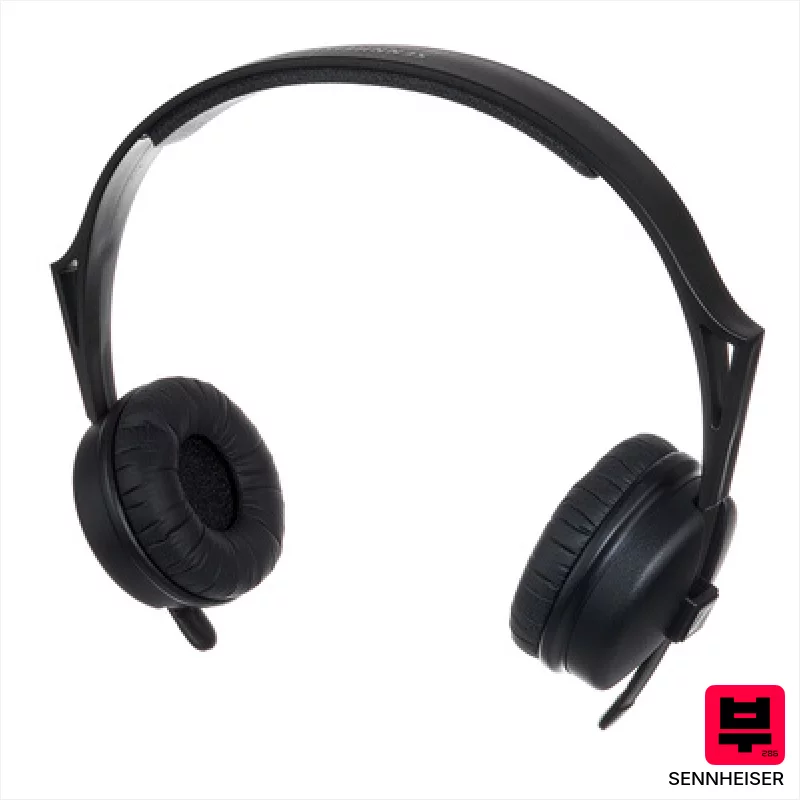
Sennheiser HD-25 Light New Version
- • Robust build with durable plastic housing and headband padding
- • Classic HD-25 sound signature: clear mids, punchy bass response
- • Lightweight design (120g) offers comfortable extended use
- • Detachable cable simplifies replacement and reduces long-term costs
- • Soundstage is somewhat limited compared to open-back alternatives
- • Clamp force can be a bit tight for some users initially
- • Plastic construction, while durable, lacks the premium feel of higher-end models
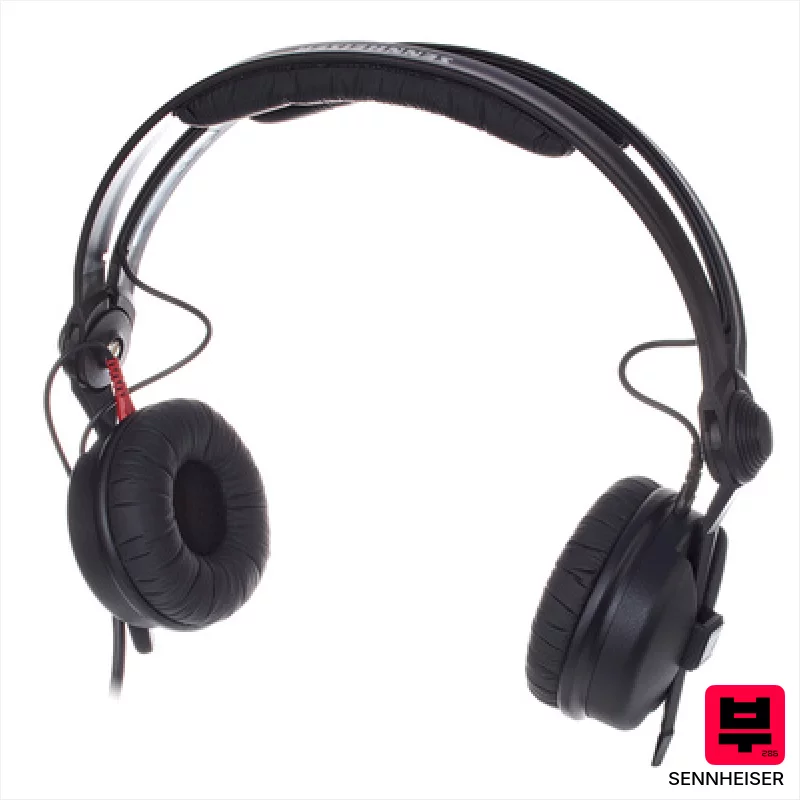
Sennheiser HD-25 Plus
- • Robust build quality; feels incredibly durable for on-ear headphones
- • Excellent transient response; tight, accurate bass for DJing
- • Swiveling earcups improve comfort and versatility for extended use
- • Improved cable design reduces tangling and increases longevity
- • On-ear design may become fatiguing during very long sessions
- • Sound signature leans slightly analytical; lacks warmth for some genres
- • Clamping force can be a bit tight initially, requires some break-in

Technics EAH-DJ 1200
- • Solid build quality; feels robust despite the price point.
- • Punchy, well-defined bass response suits electronic and hip-hop genres.
- • The 270° swivel is genuinely useful for cueing and extended use.
- • Spiral cable is convenient and reduces tangling during DJing.
- • 50mm drivers lack ultimate detail compared to higher-end models.
- • Slightly heavy; prolonged use might cause fatigue for some.
- • Cable routing feels a little flimsy and could be improved.

Audio-Technica ATH-PRO5 X WH
- • Solid build quality; the headband clamp provides secure, comfortable wear.
- • The 40mm drivers deliver a surprisingly punchy, well-defined low-end response.
- • Removable cable with locking mechanism is a huge plus for durability in the club.
- • Swiveling earcups offer excellent flexibility for cueing and one-ear monitoring.
- • Sound signature leans towards bass-heavy; may not suit all genres.
- • Plastic construction feels a bit budget-friendly compared to higher-end models.
- • While comfortable initially, long sessions may induce ear fatigue.
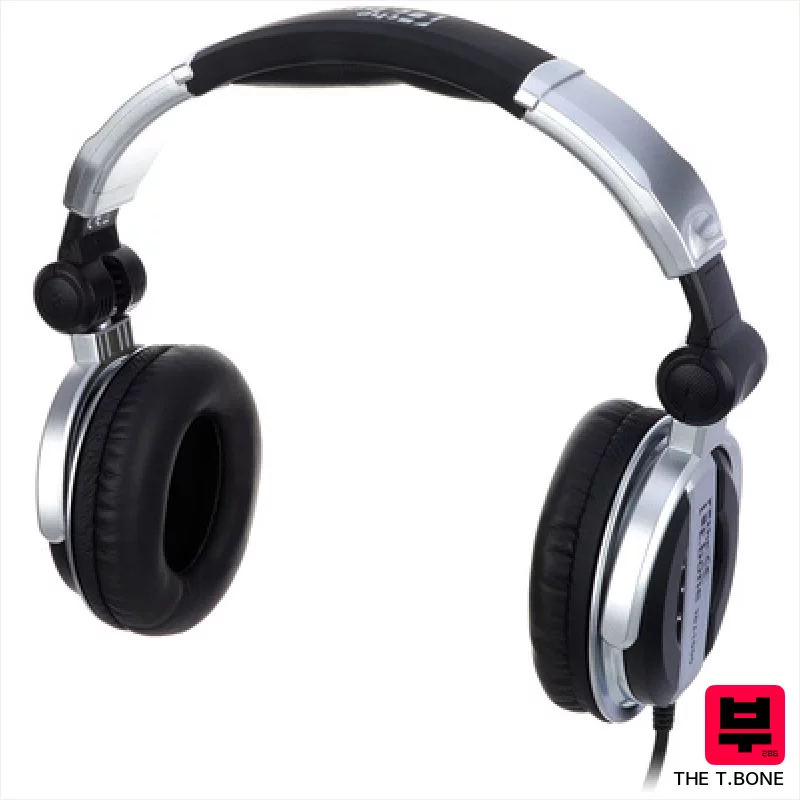
the t.bone TDJ 1000
- • Surprisingly robust build for the price point, feels more substantial than expected
- • 57mm drivers deliver a decent, if slightly bass-heavy, sound signature
- • Coiled cable is a practical touch for DJing, reduces tangling
- • Includes adapter and bag – a nice bonus at this budget
- • Sound isolation isn't stellar; bleed will be noticeable in loud environments
- • Artificial leather ear pads will likely degrade faster than genuine leather
- • Limited frequency response detail; lacks finesse for critical listening
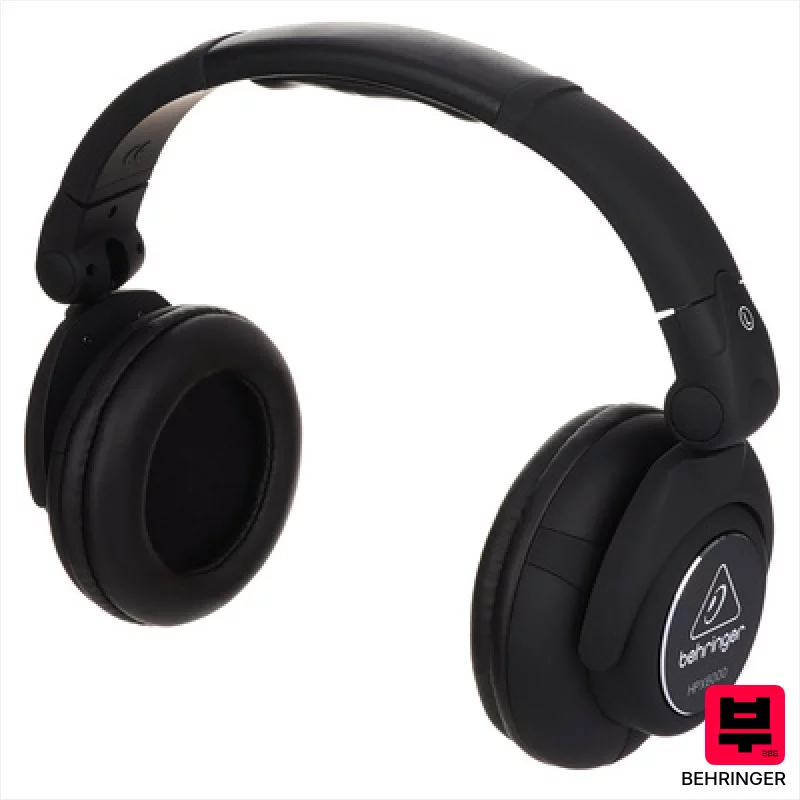
Behringer HPX6000
- • Surprisingly robust headband construction with reinforced stitching
- • Decent bass response for monitoring low-end tracks in loud environments
- • The long, detachable cable reduces cable clutter and potential damage
- • Includes both 3.5mm and 6.35mm adapters for broad compatibility
- • Plastic build feels noticeably cheap, impacting long-term durability
- • Soundstage is narrow; lacks detail and refinement for critical listening
- • Heavy clamping force can cause discomfort during extended use
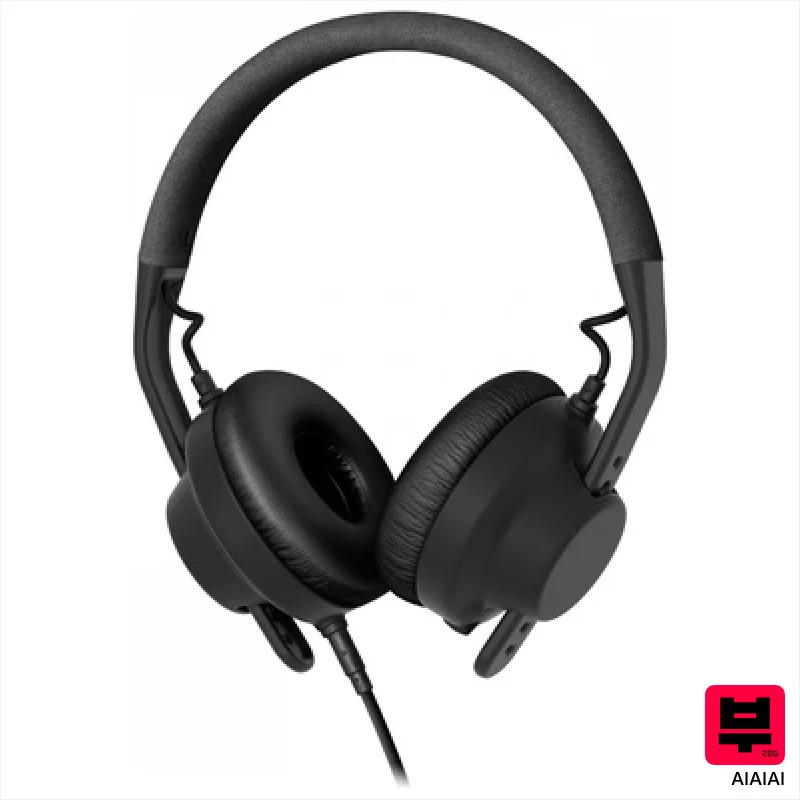
AIAIAI TMA-2 DJ XE
- • Bio-cellulose drivers offer a surprisingly clean, detailed soundstage.
- • Nylon headband provides excellent durability and comfortable clamping force.
- • Interchangeable ear pads allow for customization and long-term comfort.
- • Lightweight design (0.16kg) minimizes fatigue during long DJ sets.
- • The PU ear pads, while comfortable initially, can get warm during extended use.
- • 32 Ohm impedance requires a powered source for optimal volume in some scenarios.
- • Closed-back design sacrifices some natural soundstage and airiness.

Behringer HPX4000
- • Cobalt capsule delivers surprisingly detailed audio for the price.
- • Oxygen-free copper cable minimizes signal loss and resists tangling.
- • Robust headband construction suggests durability beyond its cost.
- • Rotating earcups offer comfortable and adaptable listening angles.
- • Soundstage is noticeably narrow, lacking spaciousness for critical mixing.
- • Plastic construction feels budget-oriented; longevity is a question.
- • Bass response, while present, can be slightly muddy at higher volumes.
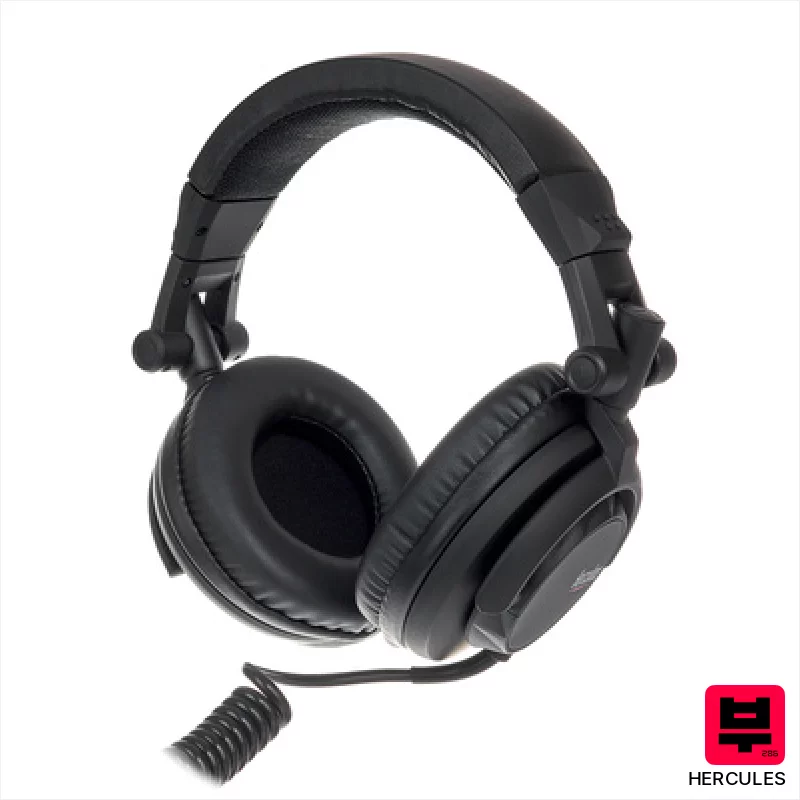
Hercules HDP DJ45
- • Surprisingly robust plastic construction for the price point
- • Decent sound isolation for basic DJing tasks
- • Extensive swivel range allows for comfortable one-ear monitoring
- • Included 6.35mm adapter expands compatibility with older gear
- • Sound lacks detail and clarity for critical mixing or mastering
- • Plastic headband can feel tight and uncomfortable during long sessions
- • Cable feels a bit thin and potentially prone to wear with heavy use
How to Choose the Best DJ Headphones
Frequency Response
Forget the marketing hype - you want a relatively flat response, not a bass-heavy curve. We're looking for clarity in the mids and highs so you can hear subtle EQ changes and avoid muddy mixes. Too much emphasis in the low end will mask critical details.
Isolation
This is crucial. A leaky headphone means you're hearing the room bleed into your mix, making it impossible to cue properly. The better the isolation, the more you can hear what's happening in your headphones versus what's blasting out to the crowd.
Transient Response
How quickly the headphones react to sudden sounds. Sloppy transient response makes everything sound blurry and indistinct - you'll miss beat drops and transitions. Fast, clean transients are what let you hear the micro-dynamics of a track.
Comfort & Build
You're going to be wearing these for hours, often in less-than-ideal conditions. Comfort is paramount, but so is durability. Cheap plastic hinges and flimsy headbands won't last a gigging career.
Soundstage & Detail Retrieval
While not as critical as accuracy, a wider soundstage helps you place instruments and sounds within the mix. Detail retrieval lets you hear the nuances in recordings - the subtle reverb tails, the breath sounds, the tiny imperfections that make a track feel alive.
Buying Guide
Don't fall for the marketing - a ton of headphones claim to be 'DJ monitoring' headphones, but many are just bass-boosted consumer models. You're often paying for branding. Build quality is a big deal; a cheap pair will fall apart quickly. Realistically, spending $150-$300 will get you a pair that'll hold up to the rigors of gigging and offer the accuracy you need.
Our Methodology
We're not just looking at spec sheets here. We've spent countless hours A/B testing these cans against each other, using them in actual DJ sets - everything from sweaty club gigs to late-night studio sessions. We've judged them on how they perform under pressure, how they isolate, and most importantly, how accurately they reproduce the frequency spectrum.

