
Best DJ Headphones for Cueing 2026
So, you're serious about cueing? It's more than just slapping on some headphones; it's about hearing the nuances, the subtle shifts in the mix, so you can build a seamless transition. Cheap headphones often muddy the low-end and lack the clarity needed to really hear what's going on - you end up guessing more than listening. Let's cut through the noise and find some headphones that'll actually help you level up your mixing game.
Last updated: July 15, 2026 • Next update: July 22, 2026
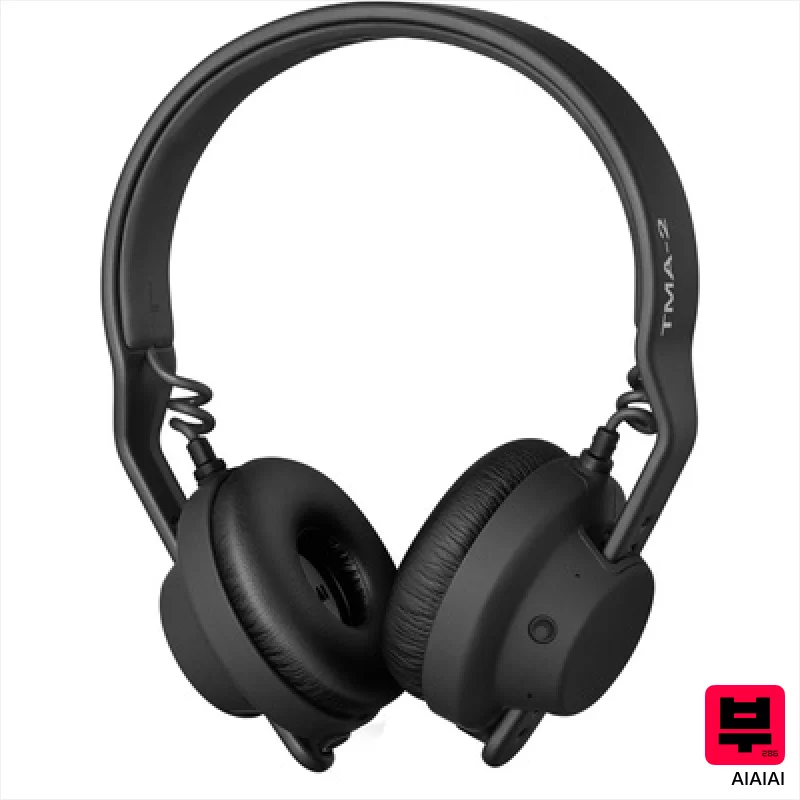
AIAIAI TMA-2 DJ Wireless
- • Robust build with premium materials like the H02 headband provides excellent durability.
- • W+ Link offers exceptionally low latency, crucial for precise beatmatching.
- • The S11 drivers deliver a balanced, clear sound signature – surprisingly detailed.
- • Switchable Bluetooth offers versatility for studio and on-the-go use.
- • The clamping force can be a bit tight for extended wear, especially initially.
- • While balanced, the sound profile may lack the emphasized bass some DJs prefer.
- • The modular design, while clever, adds to the perceived complexity for some users.
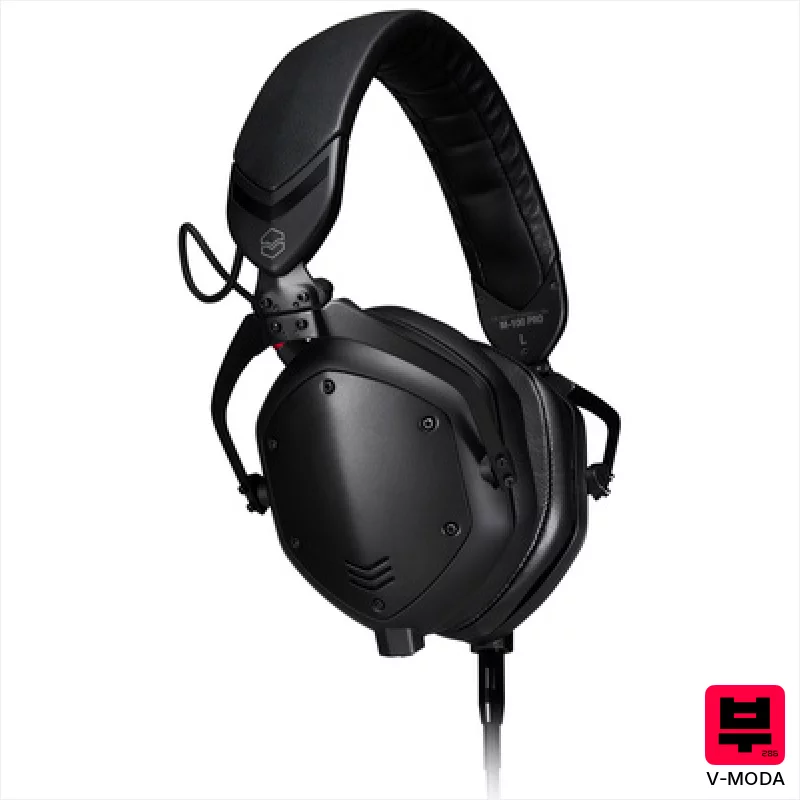
V-Moda M-100 Pro
- • Solid metal frame and earcups provide excellent durability for demanding DJ use.
- • Dual-diaphragm drivers deliver a surprisingly balanced sound for monitoring.
- • The included coiled and straight cables offer versatility for different setups.
- • Memory foam ear pads offer long-term comfort during extended DJ sets.
- • At 319g, they're noticeably heavier than some competitor models, potentially fatiguing.
- • The imitation leather ear pads, while comfortable, may not be as breathable as genuine leather.
- • The frequency response, while balanced, lacks a pronounced low-end for bass-heavy genres.
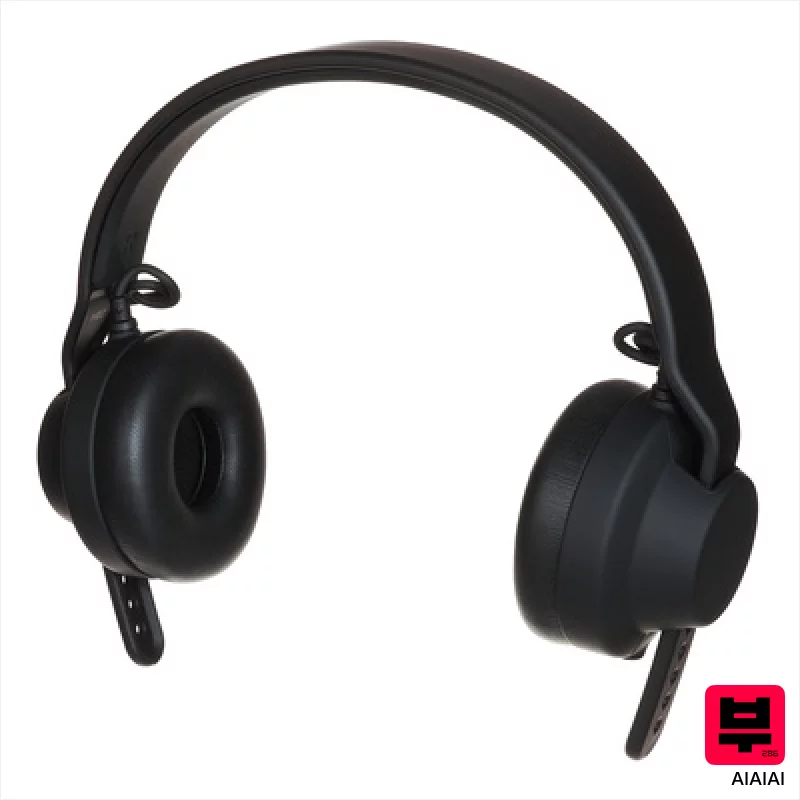
AIAIAI TMA-2 DJ
- • Robust build with Nylon headband and durable PU earcups.
- • Bio-cellulose drivers deliver a surprisingly balanced and detailed sound.
- • Low impedance (32 Ohms) makes them easily driven by laptops and mixers.
- • Coiled cable minimizes tangling and provides a professional feel.
- • Supra-aural design can become fatiguing during extended DJ sets.
- • Sound isolation isn't exceptional compared to fully closed-back options.
- • The aesthetic, while minimalist, might not appeal to everyone.

Sennheiser HD-25
- • Robust build quality; these are built to survive a club gig.
- • Excellent transient response; tight and accurate for monitoring mixes.
- • Neutral sound signature; revealing without being overly colored.
- • Swiveling earcups offer comfortable, adaptable fit for extended use.
- • Can be a bit clamping; might cause discomfort for some users initially.
- • Sound isolation isn't top-tier; bleed can be an issue in loud environments.
- • Single-sided cable is prone to tangling and can be inconvenient.
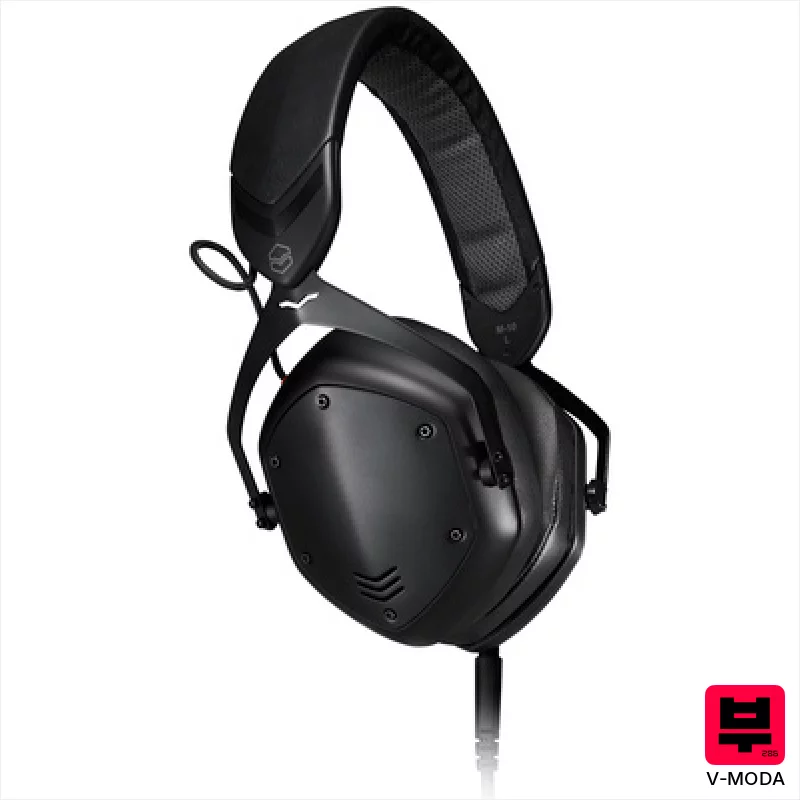
V-Moda M-10
- • Robust metal frame and covers offer excellent durability for gigging DJs.
- • 50mm dual-diaphragm drivers deliver surprisingly clear and punchy low-end response.
- • Memory foam ear pads provide comfortable extended wear, a crucial DJ need.
- • Detachable cables, including a coiled option, enhance portability and prevent cable damage.
- • The 275g weight can become fatiguing during long mixing sessions.
- • While versatile, the 32 Ohm impedance isn't ideal for professional studio monitoring.
- • Artificial leather ear pads, while comfortable, might not be as breathable as genuine leather.
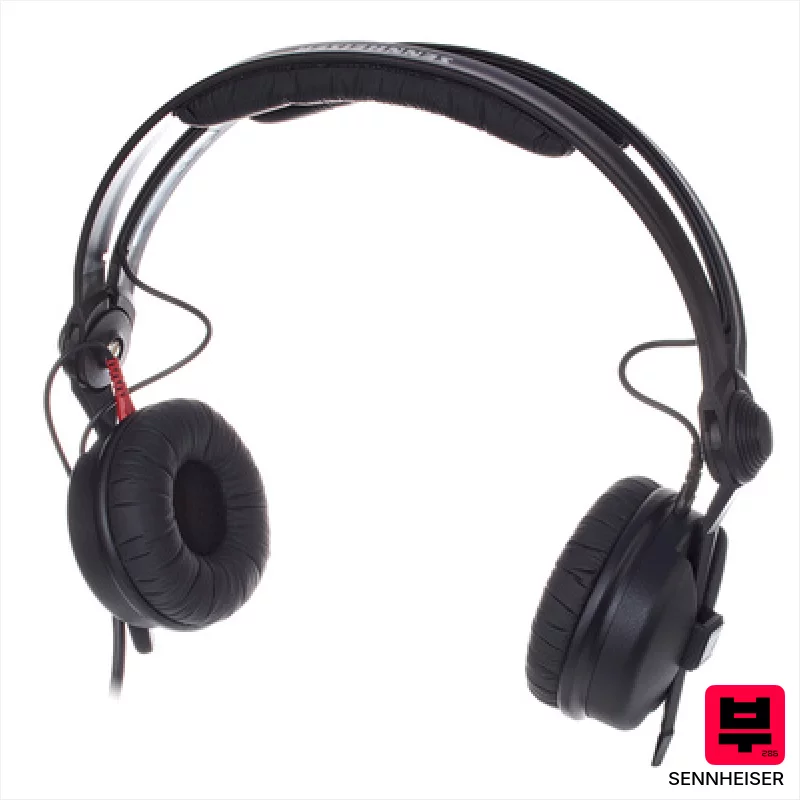
Sennheiser HD-25 Plus
- • Robust build quality; feels incredibly durable for on-ear headphones
- • Excellent transient response; tight, accurate bass for DJing
- • Swiveling earcups improve comfort and versatility for extended use
- • Improved cable design reduces tangling and increases longevity
- • On-ear design may become fatiguing during very long sessions
- • Sound signature leans slightly analytical; lacks warmth for some genres
- • Clamping force can be a bit tight initially, requires some break-in

Fun Generation HP 5
- • Surprisingly robust plastic headband provides decent clamping force
- • Lightweight for extended use, minimizing fatigue during long sets
- • Decent sound isolation for club environments and practice
- • Includes 6.3mm adapter for wider compatibility with older gear
- • Plastic construction feels noticeably cheap, limiting long-term durability
- • Sound lacks detail and clarity; muddy bass response overall
- • Cable, while long, feels flimsy and prone to tangling easily
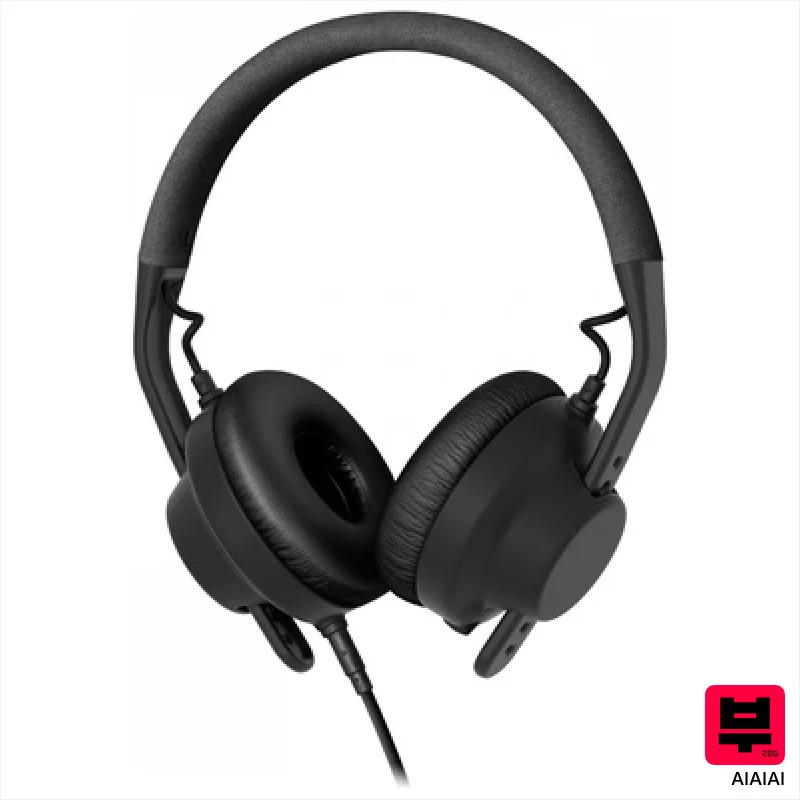
AIAIAI TMA-2 DJ XE
- • Bio-cellulose drivers offer a surprisingly clean, detailed soundstage.
- • Nylon headband provides excellent durability and comfortable clamping force.
- • Interchangeable ear pads allow for customization and long-term comfort.
- • Lightweight design (0.16kg) minimizes fatigue during long DJ sets.
- • The PU ear pads, while comfortable initially, can get warm during extended use.
- • 32 Ohm impedance requires a powered source for optimal volume in some scenarios.
- • Closed-back design sacrifices some natural soundstage and airiness.

Sennheiser HD-280 Pro
- • Solid build quality; headband improvement enhances long-term comfort noticeably.
- • Closed-back design provides excellent isolation for DJing in loud environments.
- • 64-ohm impedance makes them easily drivable from most mixers and mobile devices.
- • Clear, detailed sound signature ideal for cueing and critical listening.
- • Bass response can feel slightly lacking for some modern electronic music genres.
- • The clamping force is considerable, potentially uncomfortable for users with larger heads.
- • Plastic construction, while durable, doesn't feel as premium as higher-end options.

Audio-Technica ATH-M20x
- • Copper-clad aluminum voice coils deliver surprisingly clean, articulate sound
- • Closed-back design provides decent isolation for monitoring
- • 90-degree swivel cups offer comfortable listening angles
- • Lightweight build makes them practical for extended use and travel
- • Plastic construction feels budget-oriented, lacks premium robustness
- • Sound lacks a truly impactful low-end for serious bass monitoring
- • Cable single-sided exit can create awkward cable management issues
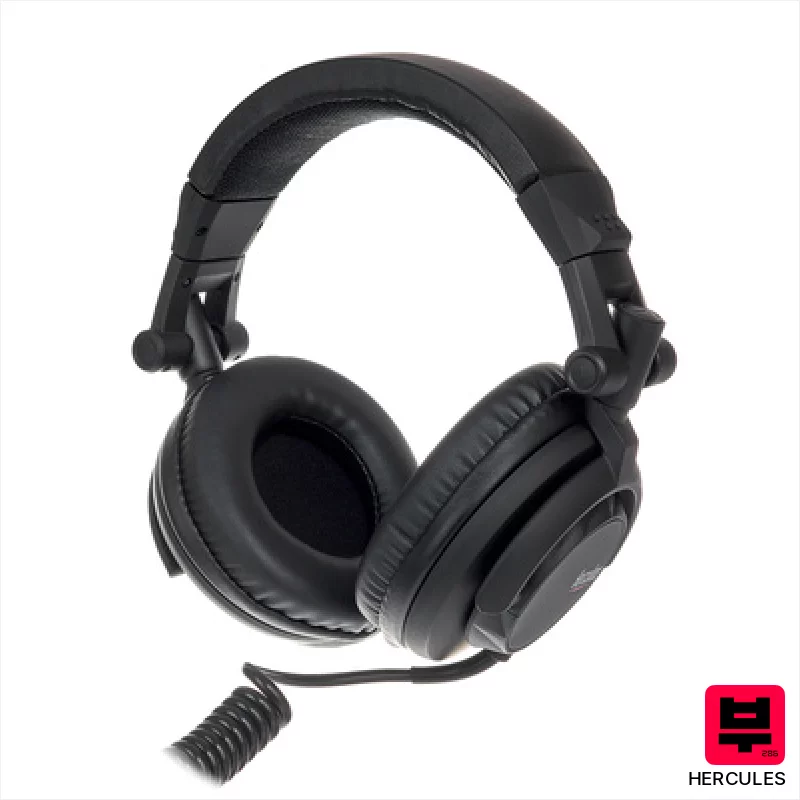
Hercules HDP DJ45
- • Surprisingly robust plastic construction for the price point
- • Decent sound isolation for basic DJing tasks
- • Extensive swivel range allows for comfortable one-ear monitoring
- • Included 6.35mm adapter expands compatibility with older gear
- • Sound lacks detail and clarity for critical mixing or mastering
- • Plastic headband can feel tight and uncomfortable during long sessions
- • Cable feels a bit thin and potentially prone to wear with heavy use
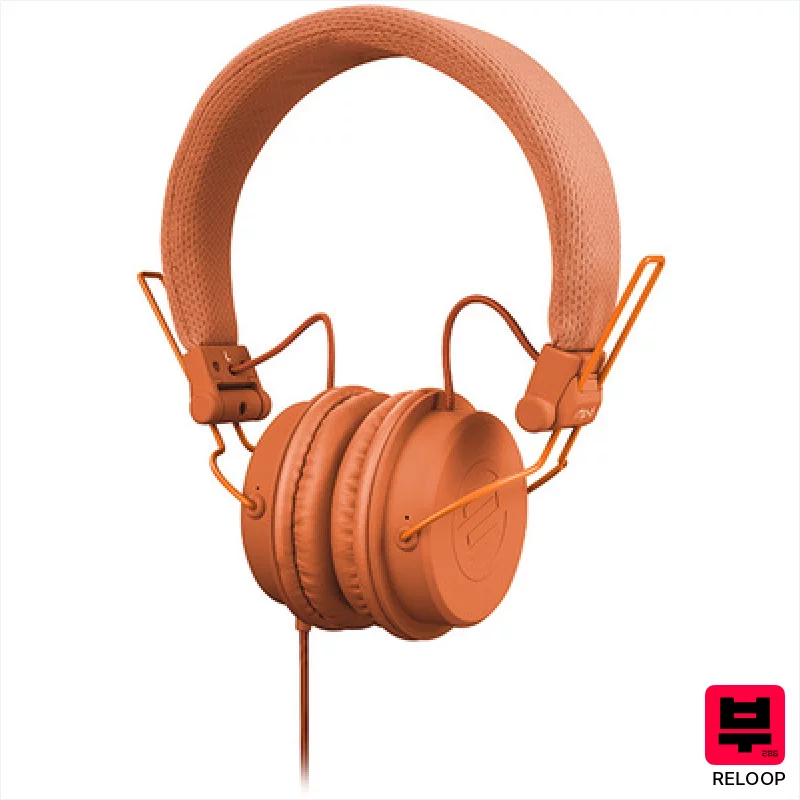
Reloop RHP-6 Series Orange
- • Smart folding design offers genuine portability for on-the-go DJs.
- • Climabsorb headband provides surprisingly comfortable extended wear.
- • Gold-plated connections suggest attention to detail at this price point.
- • Music sharing function is a genuinely useful feature for collaborative mixing.
- • The 32 Ohm impedance limits their use with high-end audio interfaces.
- • Plastic construction feels budget-oriented; durability is a concern.
- • Bass response, while present, can be muddy and lack definition.
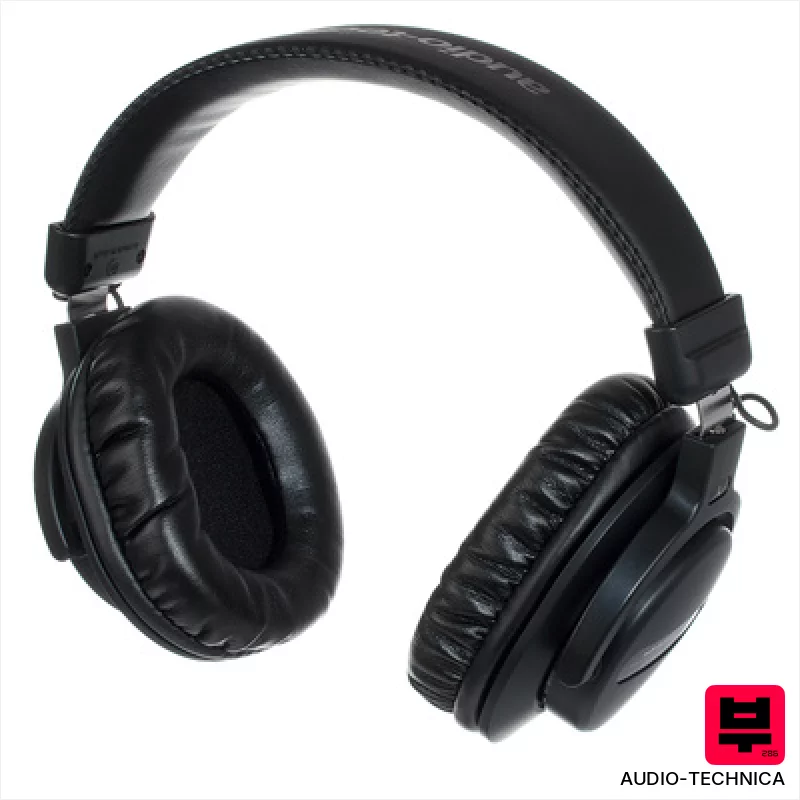
Audio-Technica ATH-PRO5 X BK
- • Solid build quality; robust plastic housing and metal headband provide durability.
- • Clear, punchy low-end response ideal for monitoring bass and kick drums.
- • Swiveling earcups allow for comfortable one-ear monitoring during DJing.
- • Removable cable with locking mechanism minimizes cable pull-out issues during use.
- • Soundstage is somewhat narrow, lacking exceptional spatial imaging.
- • Clamping force can be a bit tight for extended wear sessions.
- • While durable, the plastic housing feels less premium than higher-end models.
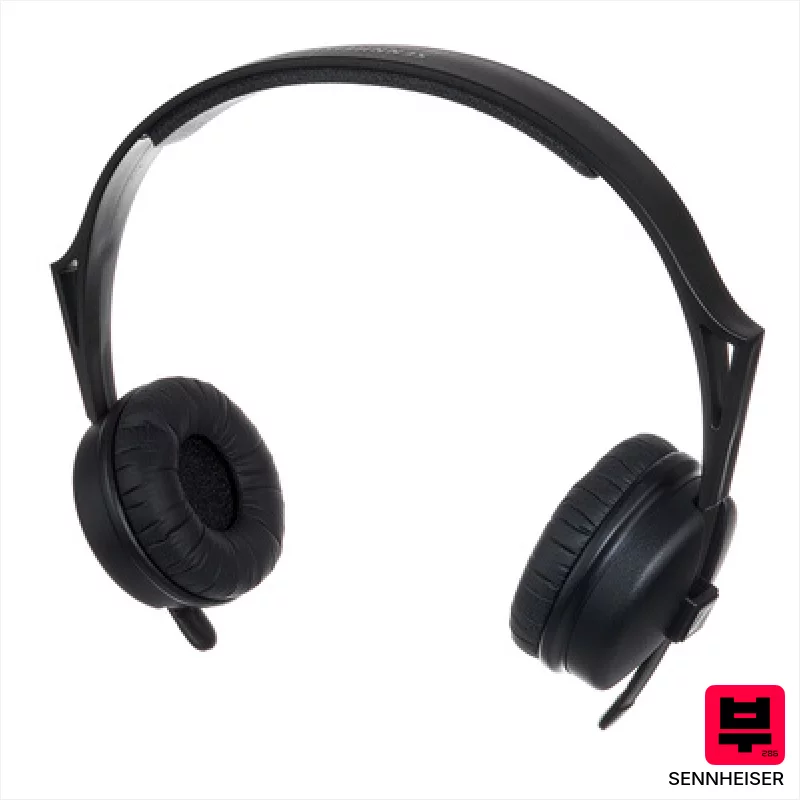
Sennheiser HD-25 Light New Version
- • Robust build with durable plastic housing and headband padding
- • Classic HD-25 sound signature: clear mids, punchy bass response
- • Lightweight design (120g) offers comfortable extended use
- • Detachable cable simplifies replacement and reduces long-term costs
- • Soundstage is somewhat limited compared to open-back alternatives
- • Clamp force can be a bit tight for some users initially
- • Plastic construction, while durable, lacks the premium feel of higher-end models

Sennheiser HD-25 Thomann Edition
- • Robust, all-metal housing ensures exceptional durability for demanding environments.
- • The dynamic driver delivers a surprisingly detailed and punchy low-end for DJing.
- • Included extra ear pads offer customizable comfort and sound isolation options.
- • Single-sided cable minimizes tangling and simplifies storage during gigs.
- • The clamping force can be intense initially, requiring a break-in period for extended use.
- • While versatile, the closed-back design lacks the open, airy feel preferred by some audiophiles.
- • The 70-ohm impedance might necessitate an amp for optimal performance with mobile devices.
How to Choose the Best DJ Headphones
Frequency Response
It's not just about 'flat' - we're looking for clarity in the mids and highs, especially around 2-4kHz where vocal frequencies live. A muddy midrange makes beatmatching a guessing game, and a harsh top end will fatigue you quickly. Ideally, you want a response that's detailed without being overly colored.
Isolation
This is crucial. You need to block out the noise of the club, the crowd, or even just your bandmates. Poor isolation means you're cranking the volume to hear yourself, which leads to ear fatigue and inaccuracies. Passive isolation is good, but active noise cancellation can be a game-changer in really loud environments.
Soundstage & Detail Retrieval
A wider soundstage lets you hear the individual elements of the track more distinctly. Detail retrieval allows you to pick up on subtle cues - the ghost kick, the vocal harmonies - that inform your mix decisions. It's about more than just hearing the notes; it's about hearing the space between them.
Comfort & Build Quality
You're going to be wearing these for hours. Uncomfortable headphones are useless, no matter how great they sound. Build quality matters too - you don't want something that's going to fall apart after a few gigs.
Impedance & Sensitivity
Lower impedance is generally better for DJs - it means they'll play loud enough with most mixers. High sensitivity means you don't need a ton of power to get a good volume level. Check your mixer's headphone output specs to ensure compatibility.
Buying Guide
Don't get lured in by marketing hype. A lot of headphones claim to be 'DJ headphones,' but many are just bass-boosted consumer models. You're paying for clarity and isolation, not just a flashy design. The sweet spot often lies between $150 and $350; below that, you're likely sacrificing something important - usually isolation or detail. Remember, a little extra cash spent upfront can save you a lot of headaches (and ear fatigue) down the road.
Our Methodology
We're not relying on spec sheets here. We've spent countless hours in clubs, studios, and even just our own practice spaces with these headphones, A/B'ing them against each other and against what we consider industry benchmarks. It's about real-world performance - how they feel on your head after a long set, how they translate the music, and whether they cut through the noise of a loud club or a chaotic rehearsal.

