
Best Behringer DJ Headphones 2026
Alright, so you're looking at Behringer DJ headphones? Look, I get it. You're probably on a budget, and you've heard the whispers - the 'they're surprisingly good for the price' kind of thing. Behringer's been building a reputation for offering a lot of features for little dough, and their headphones are part of that story, but let's be real, they aren't going to compete with a Sennheiser HD 25 in every way. Let's break down which models deliver and where they fall short.
Last updated: July 22, 2026 • Next update: July 29, 2026
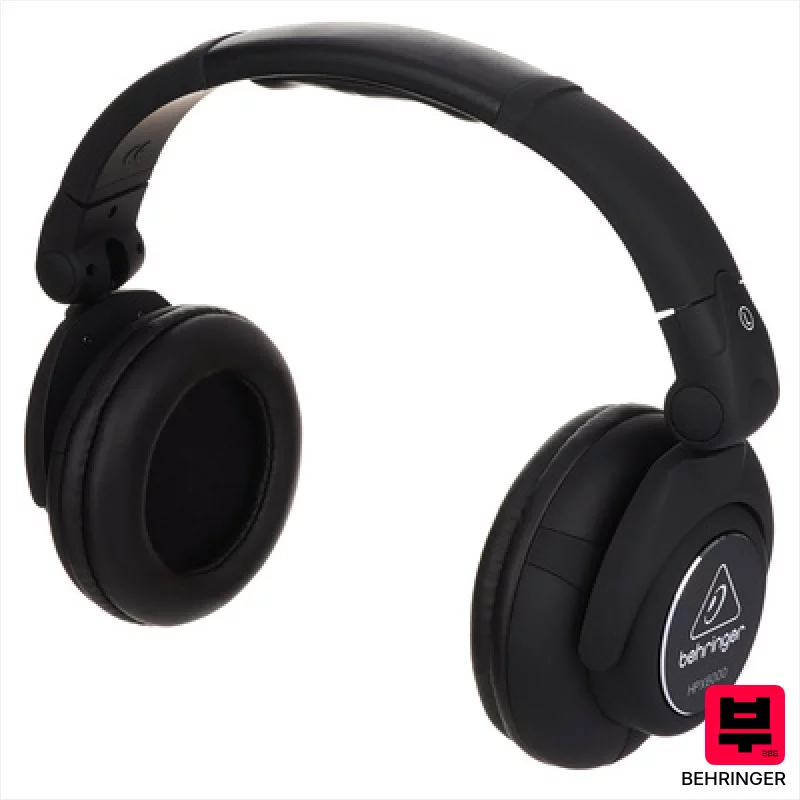
Behringer HPX6000
- • Surprisingly robust headband construction with reinforced stitching
- • Decent bass response for monitoring low-end tracks in loud environments
- • The long, detachable cable reduces cable clutter and potential damage
- • Includes both 3.5mm and 6.35mm adapters for broad compatibility
- • Plastic build feels noticeably cheap, impacting long-term durability
- • Soundstage is narrow; lacks detail and refinement for critical listening
- • Heavy clamping force can cause discomfort during extended use

Behringer HPX4000
- • Cobalt capsule delivers surprisingly detailed audio for the price.
- • Oxygen-free copper cable minimizes signal loss and resists tangling.
- • Robust headband construction suggests durability beyond its cost.
- • Rotating earcups offer comfortable and adaptable listening angles.
- • Soundstage is noticeably narrow, lacking spaciousness for critical mixing.
- • Plastic construction feels budget-oriented; longevity is a question.
- • Bass response, while present, can be slightly muddy at higher volumes.

Behringer BH30
- • Surprisingly robust headband clamping force for extended DJing sessions.
- • 3-meter cable offers excellent freedom of movement behind the decks.
- • 30mm drivers deliver a decent, if slightly bass-heavy, low-end response.
- • Included 6.3mm adapter expands compatibility with professional audio gear.
- • Plastic construction feels noticeably cheap and prone to cracking with heavy use.
- • Sound lacks detail and clarity; muddy mids and a rolled-off high end.
- • 70 Ohm impedance can be challenging to drive adequately with lower-powered devices.

Behringer HC 200
- • Surprisingly robust plastic construction for the price point
- • 57mm drivers deliver a decent, if slightly muddy, low-end response
- • Coiled cable minimizes tangling and is a practical design choice
- • Lightweight and comfortable for extended DJing sessions.
- • Sound isolation isn’t truly exceptional; bleed is noticeable in loud environments
- • Driver lacks refinement; high frequencies can sound a bit harsh and brittle
- • Build quality, while adequate, feels noticeably cheap compared to higher-end options

Behringer HPX2000
- • Surprisingly robust headband construction for the price point
- • Decent sound isolation thanks to the half-open back design
- • Lightweight and comfortable for extended DJing sessions
- • Includes a 6.3mm adapter for wider compatibility
- • Plastic construction feels noticeably cheap compared to higher-end models
- • Sound lacks the detail and clarity of more premium headphones
- • Cable, while long, is prone to tangling and feels somewhat flimsy
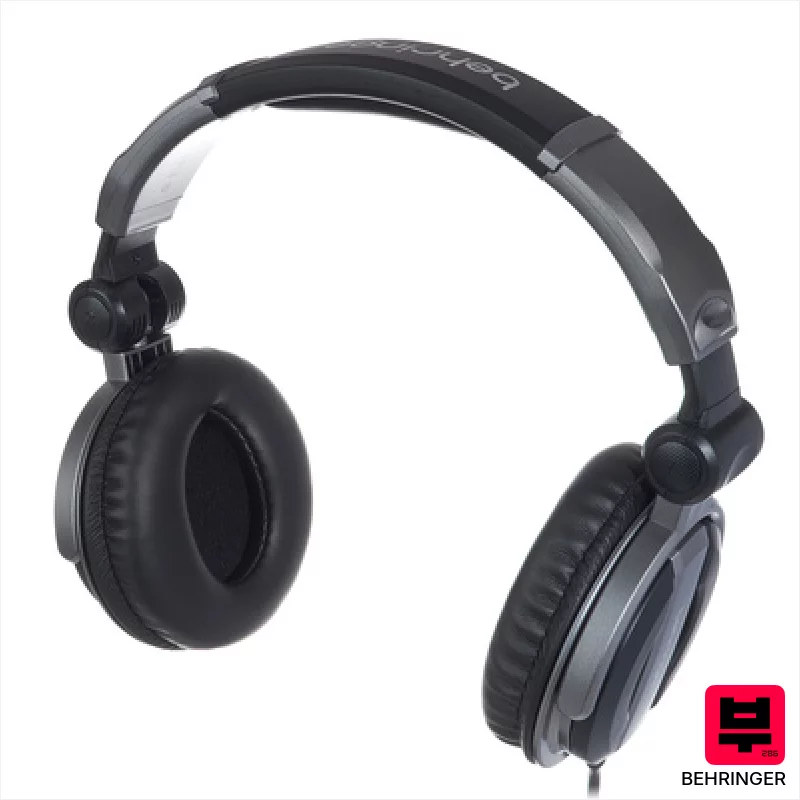
Behringer BDJ 1000
- • Surprisingly robust plastic construction for the price point
- • 57mm drivers offer a decent, if slightly bass-heavy, soundstage
- • Circumaural design provides good passive noise isolation
- • Foldable design and swivel cups enhance portability and DJing flexibility
- • Sound quality lacks refinement and detail compared to higher-end options
- • Cable feels cheap and may be prone to breakage with heavy use
- • Limited frequency response detail, particularly in the higher frequencies
How to Choose the Best DJ Headphones
Sound Signature
Behringer headphones often lean towards a slightly boosted low-end, which can be great for hip-hop and electronic music, but might muddy up more complex mixes if you're not careful. It's not a flat response, that's for sure, but it's generally a fairly balanced starting point for DJs.
Build Quality
Let's be honest - the plastic construction feels a little... plasticky. They're not going to survive a dropped set like a metal-bodied headphone, but for the price, it's a compromise you can live with. The swivel mechanism can feel a bit flimsy too.
Comfort & Ergonomics
The earcups are generally decent for shorter sessions, but extended mixing can get a bit warm and sweaty. The headband padding could be better; it's not terrible, but it's not what you'd call luxurious. Adjustability is adequate.
Isolation
These aren't noise-canceling headphones. They offer reasonable passive isolation, enough to hear your music over a moderately loud bar crowd, but don't expect to block out a full-on rock show. The open-back designs (where available) are even less isolating, prioritizing a wider soundstage.
Value Proposition
This is where Behringer shines. You're getting a headphone with a decent frequency response and adequate functionality for a fraction of the cost of established brands. The sheer bang-for-your-buck is undeniable, making them perfect for beginners or those needing a spare pair.
Buying Guide
Don't expect audiophile-grade detail or rock-solid durability. These are workhorse headphones, not heirloom pieces. Pay attention to the specific model - some have detachable cables (a huge plus!), while others don't. If you're mixing in loud environments, consider a closed-back model to minimize bleed into your microphones; otherwise, the open-back models offer a wider soundstage, which can be beneficial.
Our Methodology
We don't just look at specs here. We've spent countless hours with these headphones - mixing at home, monitoring on stage, even using them for basic tracking during recording sessions. Our evaluations involve A/B comparisons against industry standards in the same price bracket and beyond, focusing on how they perform in actual, messy, real-world situations, not just in a sterile lab.

