AudioFu Chart · October 2026
Best Conference Microphones for Conference 2026
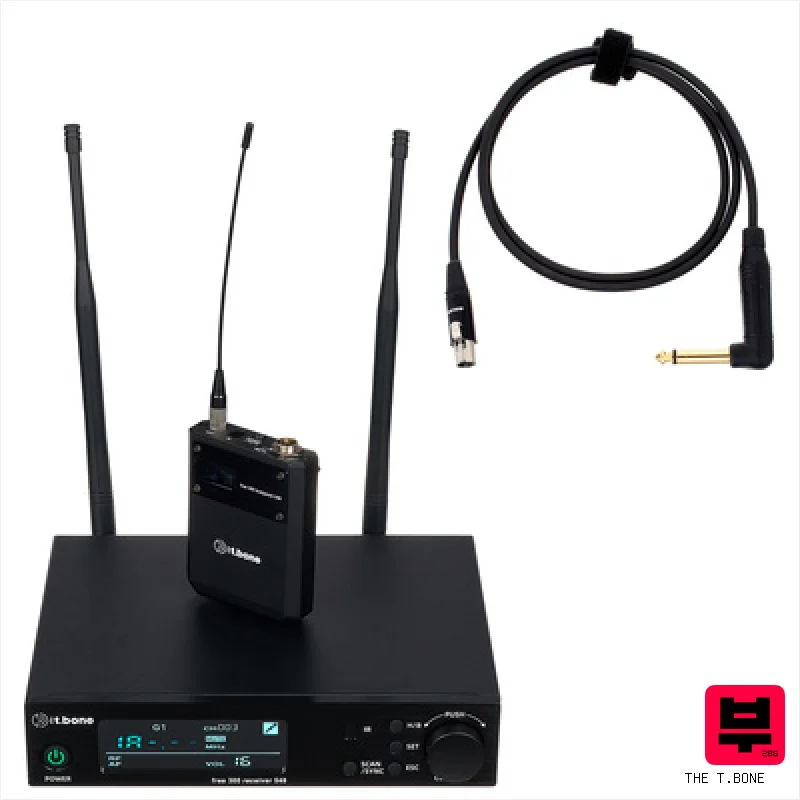
The top pick is the t.bone Speech 100 M ($528). Biamp Systems MICPAT-D gives you the most for the money at $134. Bosch CCSD-CURD leads the high end. Ranked by the AudioFu Index from 13 models across 7 brands, prices checked every night.
Last updated: October 19, 2026
Top 10
Full detail for the 10 highest AudioFu Index scores. Every other model is listed below.
-
- Size19"
- Weight5.5 kg
The t.bone Speech 100 M is a solid, purpose-built conference system controller. It’s ideal for boardrooms, lecture halls, or anywhere needing multiple mics and reliable control – just be prepared to deal with its size. It's a well-engineered solution for those prioritizing functionality and ease of use over ultimate audio fidelity.
Pros
- Robust 19in rackmount design simplifies integration into professional setups
- Flexible discussion modes cater to varied conference formats and participant numbers
- Integrated USB recording offers convenient meeting archiving and distribution
Cons
- Size and weight (5.5 kg) make portability impractical for smaller spaces
- RCA outputs limit high-end audio connectivity options
64AudioFu
IndexStableno change since Aug 17Aug 17$528 now$528€469 at Thomann · in stockCheck price ↗ -
- Size19"
- Weight4.12 kg
This Bosch EXU is a solid piece for expanding your CCS 1000 D conference system. It’s a workhorse designed for professional installations, providing a reliable way to power and connect a good number of call stations without complex routing. Ideal for corporate boardrooms and large meeting spaces needing a scalable digital conference solution.
Pros
- Robust rackmount design allows for easy integration into existing infrastructure.
- Integrated splitter simplifies cabling and system flexibility significantly.
- Power delivery for up to 85 stations reduces external power supply needs.
Cons
- Limited to Bosch CCS 1000 D system, lacks standalone operation.
- Weight (4.12 kg) necessitates careful handling during installation.
52AudioFu
IndexStableno change since Aug 17Aug 17$1,124 now$1,124€999 at Thomann · in stockCheck price ↗ -
- Size19"
- Weight3.4 kg
This Bosch controller is a solid piece of kit if you're already invested in the CCS 1000 D conference system. It’s designed to be a central hub for managing multiple microphones and recording sessions, with that feedback suppression being a real lifesaver in bigger rooms. Perfect for corporate boardrooms or high-end meeting facilities.
Pros
- Integrated recorder offers convenient meeting documentation.
- Plug-and-play simplicity drastically reduces installation time.
- Feedback suppression minimizes audio artifacts in challenging rooms.
Cons
- Limited audio output options restrict flexibility for external systems.
- Reliance on Bosch CCS 1000 D system limits standalone functionality.
50AudioFu
Index↑ 5.3%since Aug 17$1,912 · Aug 17$2,013 now$2,013€1,789 at Thomann · in stockCheck price ↗ -
- Weight1 kg
The Bosch CCSD-DL is a solid choice for professional conference rooms utilizing the CCS 1000 D system. The cardioid mic provides excellent speech intelligibility and the design is thoughtfully ergonomic. It's a reliable, purpose-built solution for clear communication in formal meeting environments.
Pros
- Robust gooseneck provides stable mic positioning for consistent capture.
- Cardioid pickup minimizes room noise and focuses on the speaker.
- Plug-and-Play setup simplifies integration into CCS 1000 D systems.
Cons
- Limited flexibility outside of the CCS 1000 D conference system.
- The 1kg weight can be cumbersome for extended portable use.
45AudioFu
IndexStableno change since Aug 17Aug 17$494 now$494€439 at Thomann · in stockCheck price ↗ -
- Weight1 kg
The Bosch CCSD-DS is a thoughtfully designed conference station, clearly built for professional digital conferencing environments. Its robust construction and focused cardioid pickup make it ideal for boardrooms and meeting spaces where clear communication is paramount, and the unique indicator is a nice touch for chairpersons managing discussions.
Pros
- Solid build quality; the base feels substantial and well-dampened.
- Cardioid pattern effectively minimizes room noise and feedback.
- The gooseneck length provides excellent mic positioning flexibility.
Cons
- Limited to the CCS 1000 D system; not a standalone microphone.
- The black finish can show fingerprints and smudges easily.
45AudioFu
IndexStableno change since Aug 17Aug 17$517 now$517€459 at Thomann · in stockCheck price ↗ -
Sennheiser MEG 14-40 Gooseneck Condenser
MEG 14-40-L B Stand Bundle · Sennheiser
7 for sale on Reverb1 finish at Thomann
- Weight1.206 kg
This Sennheiser bundle is a serious step up for conference calls or presentations where clear audio is essential. The cardioid pattern really isolates voices, minimizing room noise, and the illuminated ring is a nice touch for larger meetings. It's a well-engineered package, but be mindful of the fixed gooseneck length and its premium price tag.
Pros
- Excellent speech intelligibility thanks to the cardioid pickup pattern.
- The illuminated ring provides a subtle visual cue for speaking turns.
- Solid build quality; the gooseneck feels robust and well-supported.
Cons
- The 450mm gooseneck length might be restrictive in smaller spaces.
- The bundle's price point positions it as a premium-priced solution.
40AudioFu
IndexStableno change since Aug 17Aug 17$595 now$595€529 at Thomann · in stockCheck price ↗ -
AKG CGN521 STS Tabletop Cardioid Gooseneck Condenser Microphone Set
CGN521 STS · AKG
1 for sale on Reverb1 finish at Thomann
The AKG CGN521 STS is a solid, dependable option for conference rooms and huddle spaces. Its clear voice pickup and programmable button are real assets, and the build quality feels premium. Perfect for installations where reliability and focused audio capture are key, even if you need a little extra amplification power.
Pros
- Robust metal housing provides excellent durability for demanding environments
- Cardioid pattern effectively isolates voices, minimizing room noise
- Programmable button offers flexibility for meeting configurations
Cons
- 600 Ohm impedance requires a preamp or microphone amplifier
- Weight (950g) makes it less suitable for portable setups
36AudioFu
IndexStableno change since Aug 17Aug 17$359 now$359€319 at Thomann · in stockCheck price ↗ -
This Biamp MICPAT-D is a solid, no-frills tabletop mic perfect for conference rooms and presentations. The dynamic capsule provides good clarity and handles loud voices well, and the simple design makes it easy for anyone to use. It's a reliable workhorse for basic audio needs.
Pros
- Robust build quality; feels solid and dependable for tabletop use
- Dynamic capsule handles high SPLs without distortion
- DIN connector provides a reliable, low-noise connection
Cons
- Limited frequency response; won't suit nuanced vocal recordings
- Dynamic mic requires a preamp with sufficient gain
34AudioFu
IndexStableno change since Aug 17Aug 17$134 now$134€119 at Thomann · in stockCheck price ↗ -
The MICPAT-2 is a surprisingly capable tabletop mic, perfect for conference rooms and huddle spaces where durability and ease of use are key. It’s a solid, no-fuss option, especially if you're already in the Apart ecosystem – the integration is really well done. Don’t expect studio-grade sound, but for clear communication, it does the job reliably.
Pros
- Robust construction; feels solid and well-built for daily use
- Clear vocal pickup, surprisingly good for a dynamic mic
- Zone-specific talk button simplifies meeting participation
Cons
- Limited frequency response; lacks nuance for critical audio applications
- Cable length (5m) might be restrictive in larger rooms
34AudioFu
IndexStableno change since Aug 17Aug 17$179 now$179€159 at Thomann · in stockCheck price ↗ -
The AKG CGN321 STS is a solid choice for conference rooms and huddle spaces needing clear, focused audio. Its programmable button is a nice touch for streamlining workflows, and the build quality feels genuinely premium. It's a no-nonsense mic, designed for reliable performance in a professional setting.
Pros
- Robust metal housing provides excellent durability for demanding environments
- Cardioid pickup pattern effectively isolates voices, minimizing room noise
- Programmable button offers flexible control for meeting customization
Cons
- 600 Ohm impedance requires a preamp or microphone amplifier for optimal performance
- Limited frequency response compared to studio condenser microphones
34AudioFu
IndexStableno change since Aug 17Aug 17$325 now$325€289 at Thomann · in stockCheck price ↗
All 13 conference microphones
Same index, same nightly prices — compact. Colour options of one model share a row. Tap a photo to zoom.
Conference Microphones by the numbers
Measured across all 16 models we track, not a sample.
Median $359 — half of all conference microphones here cost less.
median of 10 models · 0.7 kg–5.5 kg
How to choose the best conference microphones
Polar Pattern
Cardioid is the sweet spot for conference mics. It's directional, rejecting noise from the sides and rear, focusing on the speaker. Supercardioid gets even more rejection, but can be tricky to position properly without creating dead spots. Omnidirectional is a no-go unless you want to capture every cough and chair squeak.
Frequency Response
You're not looking for a hyped low-end thump or a brittle high-end sparkle. A relatively flat response (80Hz - 12kHz) with a slight presence boost around 3-5kHz will help voices cut through without sounding unnatural. Avoid anything with a dramatic dip in the mids - that's where the clarity lives.
Sensitivity & Gain Handling
A mic with decent sensitivity will require less preamp gain, reducing noise. But more importantly, it needs to handle sudden dynamic changes - a presenter getting excited, a loud question from the audience - without clipping or distorting. Headroom is crucial.
Feedback Rejection
This is huge. In a room with speakers, feedback is the enemy. Look for mics with good feedback rejection characteristics, especially if you're using ceiling-mounted or gooseneck microphones. It's a delicate balance between clarity and preventing that ear-piercing squeal.
Build Quality & Aesthetics
Let's be honest, these mics are going to be on display. A solid, reliable build means they'll last. But the aesthetic matters too - a cheap, plasticky mic looks unprofessional. Think about how it integrates with the room's overall design.
Buying guide
So, you're setting up a conference room or boardroom, huh? Forget those tinny, lifeless mics that sound like you're talking through a cardboard tube. We're talking about clear, intelligible audio for everyone in the room - presenters and listeners alike. This isn't about chasing 'studio quality' here, it's about getting a natural, present sound that cuts through the room without sounding harsh or processed.
Don't fall for the marketing hype. A lot of cheap conference mics cut corners on the capsule - that's what actually captures the sound. You'll end up with a muddy, indistinct signal.
Spending a little more on a mic with a decent capsule and good build will pay dividends in clarity and reliability. And remember, a good mixer or DSP can often fix a mediocre mic, but you can't fix a bad capsule.
How the AudioFu Index works
Five measured signals and nothing else — no stars from strangers, no “tested by experts” we didn’t do. The weights are fixed and public. We don’t play these instruments; we measure the market around them.
This chart covers 16 conference microphones from the Thomann catalogue. Before you buy, read hands-on reviews and, where you can, play it. Full methodology.
AudioFu earns a commission when you buy through our Thomann links. It never changes the order — the index does.
- Demand40%
How many of this exact model are for sale on Reverb right now — what musicians actually buy and resell.
- Lineup20%
How many finishes Thomann stocks — makers expand the models that sell.
- Price15%
Where the price has moved since we started tracking in August.
- Specs15%
How completely the maker documents it.
- Maker10%
How deep the brand’s range is in this category.
Questions
What's the difference between a gooseneck and a ceiling microphone?
Goosnecks are great for flexibility and individual speaker control, allowing for precise positioning. Ceiling mics are more discreet and offer wider coverage but require careful placement to avoid feedback and dead spots. It's really about the room layout and desired aesthetic.
Do I need phantom power?
Almost certainly, yes. Most conference mics are condenser mics and require 48V phantom power from a mixer or amplifier. Make sure your equipment can supply it.
What about wireless conference microphones?
Wireless offers freedom, but introduces potential for interference and latency. For critical meetings, wired is generally more reliable. If you go wireless, invest in a quality system with a dedicated frequency band.
How do I minimize feedback?
Careful mic placement is key. Keep mics away from speakers, reduce speaker volume, and use EQ to notch out frequencies where feedback occurs. A good DSP with feedback suppression can also help.
Are condenser mics always better for conferences?
Not necessarily. Dynamic mics can be more forgiving in less-than-ideal acoustic environments, as they are less sensitive to background noise. However, condensers generally offer better clarity and detail when properly used.