
Best Conference Microphones for Boardroom 2026
Alright, so you're setting up a boardroom - not a stadium, but clarity and intelligibility are still paramount. You don't want that crucial quarterly report sounding like it's being beamed in from a tin can. This isn't about mic'ing a drum kit; it's about capturing nuanced vocal delivery and minimizing room reflections, and that takes a different approach than your SM57. Let's cut through the noise and find the right conference mics.
Last updated: July 22, 2026 • Next update: July 29, 2026
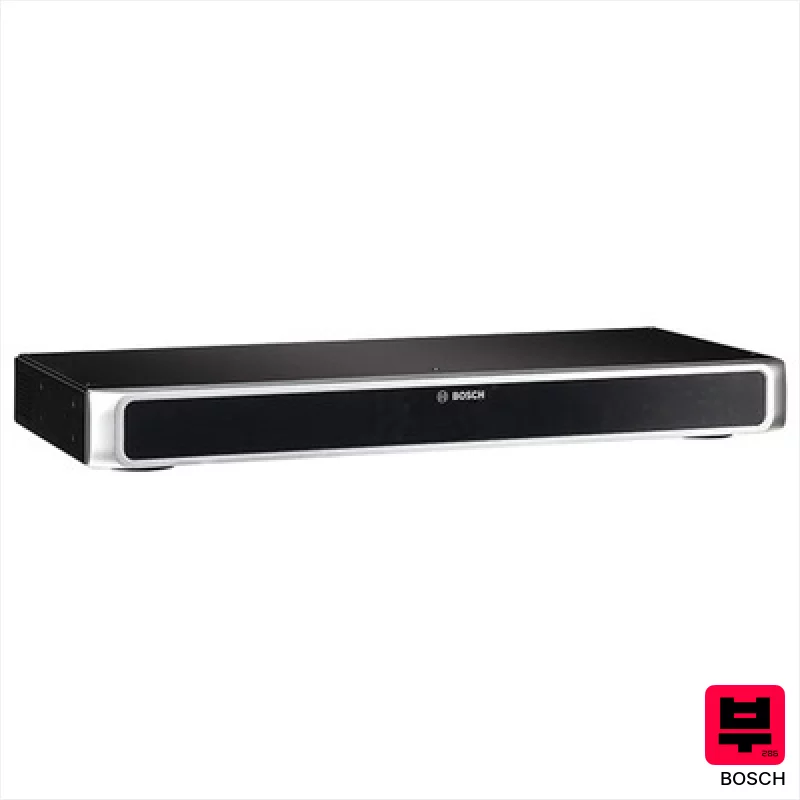
Bosch CCSD-EXU
- • Robust rackmount design allows for easy integration into existing infrastructure.
- • Integrated splitter simplifies cabling and system flexibility significantly.
- • Power delivery for up to 85 stations reduces external power supply needs.
- • 19” rack bracket provides secure and standardized installation options.
- • Limited to Bosch CCS 1000 D system, lacks standalone operation.
- • Weight (4.12 kg) necessitates careful handling during installation.
- • Expansion capacity, while substantial, may still be restrictive for very large conferences.

Bosch CCSD-CURD
- • Integrated recorder offers convenient meeting documentation.
- • Plug-and-play simplicity drastically reduces installation time.
- • Feedback suppression minimizes audio artifacts in challenging rooms.
- • Rack-mountable design enhances system integration and organization.
- • Limited audio output options restrict flexibility for external systems.
- • Reliance on Bosch CCS 1000 D system limits standalone functionality.
- • The unit's weight can be cumbersome for portable or smaller installations.
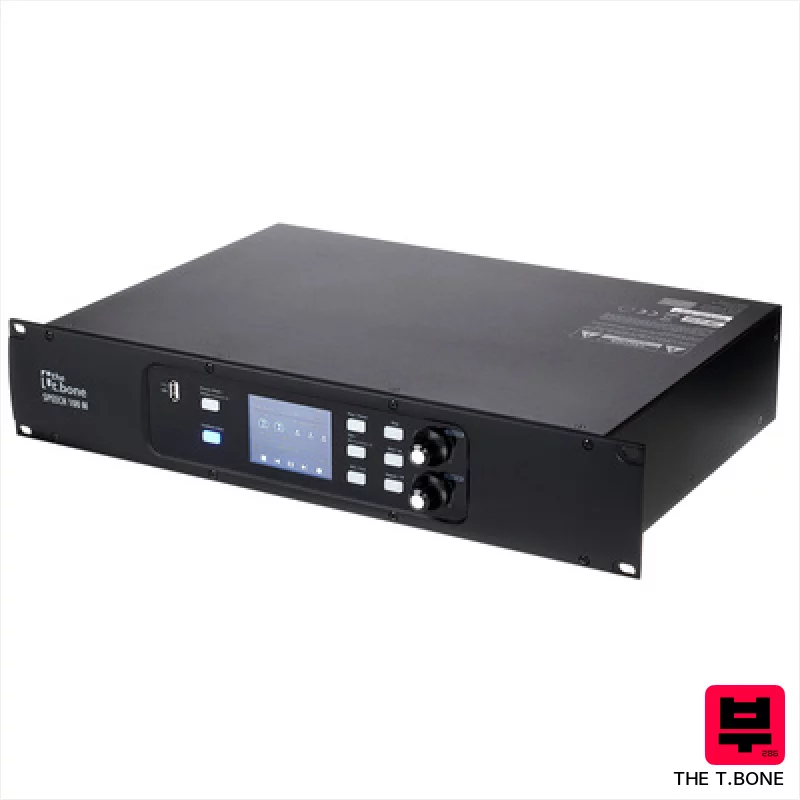
the t.bone Speech 100 M
- • Robust 19in rackmount design simplifies integration into professional setups
- • Flexible discussion modes cater to varied conference formats and participant numbers
- • Integrated USB recording offers convenient meeting archiving and distribution
- • Feedback suppression significantly improves clarity in challenging acoustic environments
- • Size and weight (5.5 kg) make portability impractical for smaller spaces
- • RCA outputs limit high-end audio connectivity options
- • Limited versatility outside of dedicated conference/presentation applications

the t.bone Speech 100 M+B 46+2 Bundle
- • Flexible digital conference system with impressive scalability
- • Comprehensive feature set including USB recording and feedback suppression
- • Robust 19in rackmount chassis suitable for professional installations
- • Multiple discussion modes offer tailored meeting control
- • Significant size and weight necessitate dedicated rack space
- • Premium-priced, representing a substantial investment
- • Limited suitability for mobile or ad-hoc conference scenarios
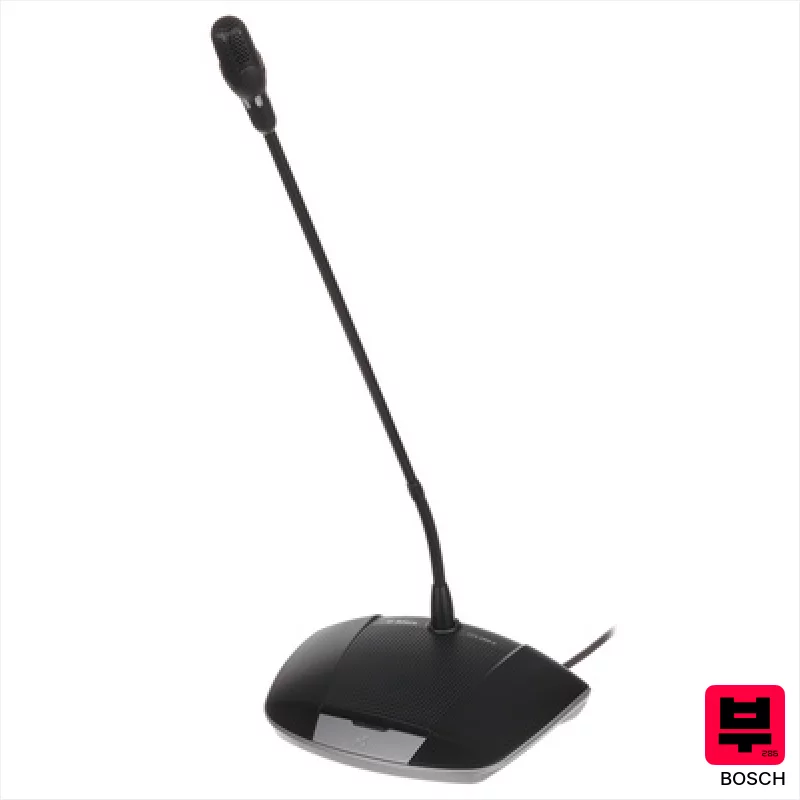
Bosch CCSD-DL
- • Robust gooseneck provides stable mic positioning for consistent capture.
- • Cardioid pickup minimizes room noise and focuses on the speaker.
- • Plug-and-Play setup simplifies integration into CCS 1000 D systems.
- • Unique 'possible-to-speak' indicator enhances meeting flow and clarity.
- • Limited flexibility outside of the CCS 1000 D conference system.
- • The 1kg weight can be cumbersome for extended portable use.
- • Gooseneck length, while long, might be restrictive in some layouts.

Bosch CCSD-DS
- • Solid build quality; the base feels substantial and well-dampened.
- • Cardioid pattern effectively minimizes room noise and feedback.
- • The gooseneck length provides excellent mic positioning flexibility.
- • Unique 'possible-to-speak' indicator is a genuinely useful visual cue.
- • Limited to the CCS 1000 D system; not a standalone microphone.
- • The black finish can show fingerprints and smudges easily.
- • Gooseneck, while long, could benefit from a more robust locking mechanism.

Sennheiser MEG 14-40-L B Stand Bundle
- • Excellent speech intelligibility thanks to the cardioid pickup pattern.
- • The illuminated ring provides a subtle visual cue for speaking turns.
- • Solid build quality; the gooseneck feels robust and well-supported.
- • The MAT 153-S table stand offers convenient talk/mute functionality.
- • The 450mm gooseneck length might be restrictive in smaller spaces.
- • The bundle's price point positions it as a premium-priced solution.
- • Limited versatility; primarily designed for conference/presentation use.
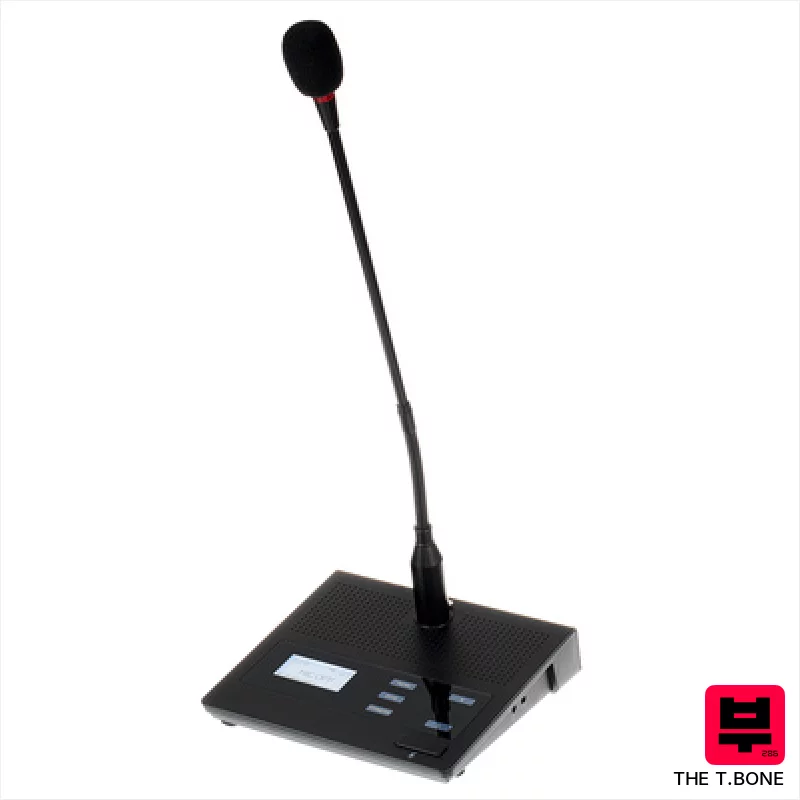
the t.bone Speech 100 D
- • Solid build quality with a reassuringly weighty feel.
- • Integrated loudspeaker provides clear, localized feedback for the speaker.
- • Dedicated Agree/Disagree buttons streamline meeting participation.
- • Network connectivity simplifies installation and management within digital conference systems.
- • Gooseneck length is somewhat limiting for larger conference tables.
- • Condenser design makes it susceptible to background noise in less-than-ideal environments.
- • Limited frequency response may slightly dull the natural timbre of voices.
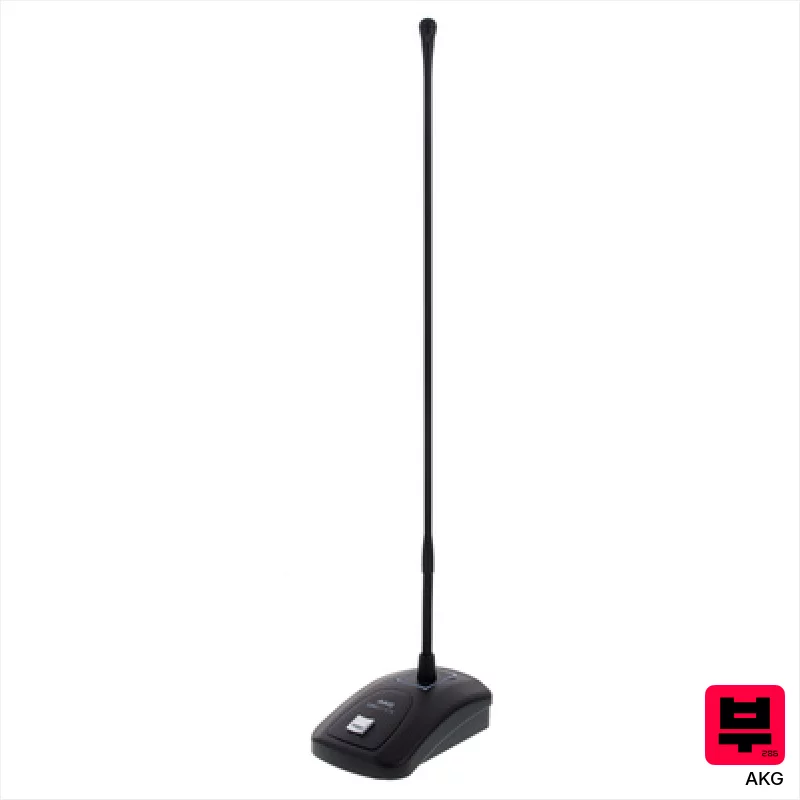
AKG CGN521 STS
- • Robust metal housing provides excellent durability for demanding environments
- • Cardioid pattern effectively isolates voices, minimizing room noise
- • Programmable button offers flexibility for meeting configurations
- • Slim gooseneck design allows for precise mic positioning and discreet aesthetics
- • 600 Ohm impedance requires a preamp or microphone amplifier
- • Weight (950g) makes it less suitable for portable setups
- • Limited frequency response compared to higher-end studio microphones

the t.bone Speech 100 B
- • Extends system capacity to a surprising 72 microphones with multiple units
- • Robust power distribution for reliable conference audio clarity
- • Compact footprint minimizes rack space usage in tight installations
- • Solid build quality suggests longevity in demanding environments
- • Limited to Speech 100 system; not a standalone microphone solution
- • Significant weight necessitates secure rack mounting or placement
- • No user-adjustable gain or EQ for fine-tuning power delivery

RCS VLM 100 A
- • Robust construction suitable for demanding installation environments
- • RJ45 integration simplifies control and priority functionality
- • Pre-chime feature offers clear signaling for meeting participants
- • Compact design minimizes visual impact in conference settings
- • Limited frequency response may dull high-end detail in critical applications
- • Reliance on VLA 120/240 limits flexibility and independent use
- • Omnidirectional pickup can capture unwanted background noise
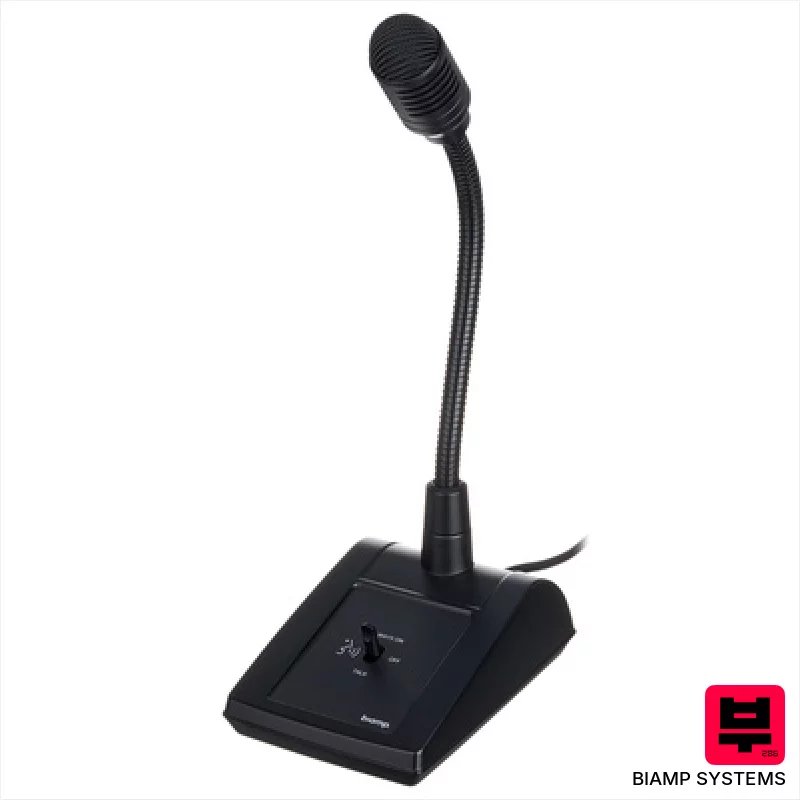
Biamp Systems MICPAT-D
- • Robust build quality; feels solid and dependable for tabletop use
- • Dynamic capsule handles high SPLs without distortion
- • DIN connector provides a reliable, low-noise connection
- • Simple on/off switch offers intuitive, continuous talk functionality
- • Limited frequency response; won't suit nuanced vocal recordings
- • Dynamic mic requires a preamp with sufficient gain
- • Cable length (3m) might be restrictive in some setups
- • Polar pattern isn't specified, likely cardioid for conferencing
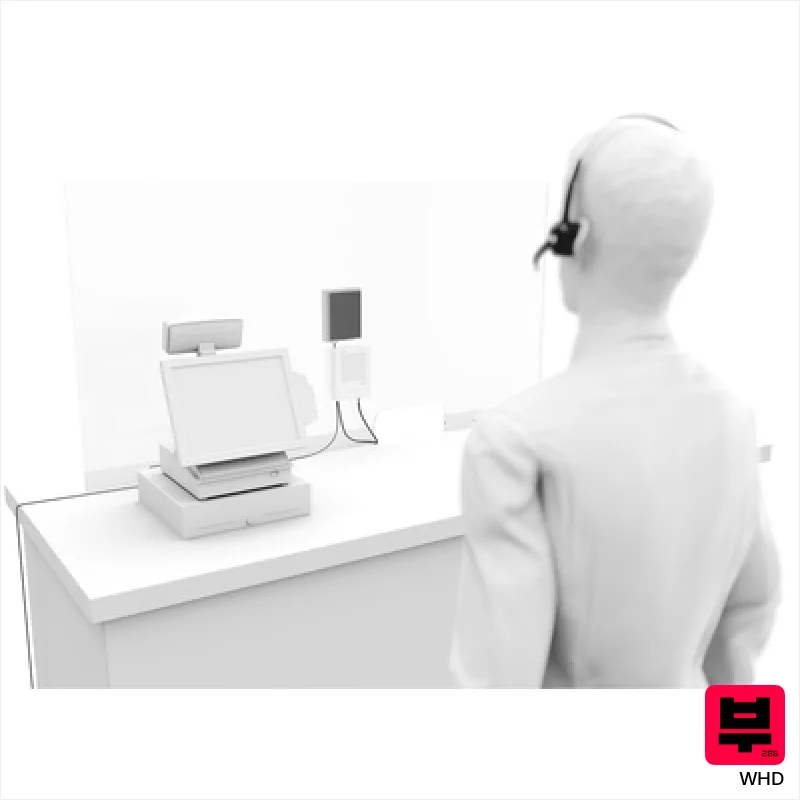
WHD VoiceBridge Standard/Bluetooth
- • Contactless operation enhances hygiene in sensitive environments
- • AEC and NR deliver surprisingly clean audio in noisy spaces
- • Bluetooth connectivity adds flexibility for mobile headset use
- • Compact size and lightweight design (160g) simplify installation
- • Limited frequency response likely restricts high-end detail
- • Small form factor might compromise microphone sensitivity
- • Dependence on infrared sensors could be unreliable in bright light
- • White color might show smudges and require frequent cleaning

the t.bone Speech 100 C
- • Dedicated priority control offers clear intervention capabilities.
- • Integrated loudspeaker provides convenient feedback for the user.
- • Intuitive LCD display simplifies operation and settings adjustments.
- • Robust gooseneck provides stable positioning and reduces handling noise.
- • Limited frequency response may not suit all vocal nuances or recording applications.
- • Network-dependent functionality restricts usage outside of compatible systems.
- • Gooseneck length may feel short for some users or table configurations.
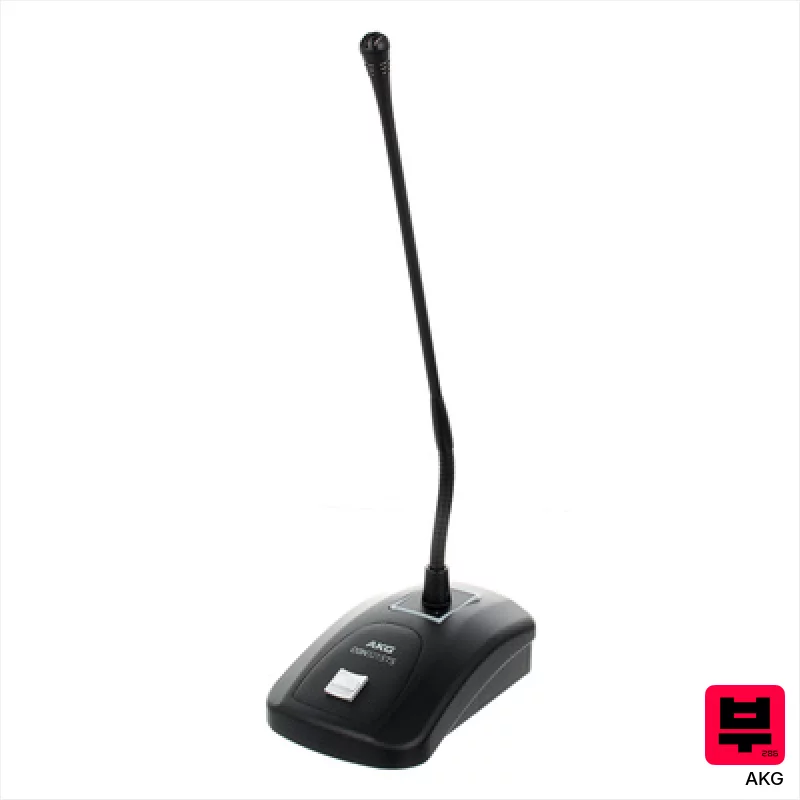
AKG CGN321 STS
- • Robust metal housing provides excellent durability for demanding environments
- • Cardioid pickup pattern effectively isolates voices, minimizing room noise
- • Programmable button offers flexible control for meeting customization
- • Slim-line design integrates discreetly into professional conference setups
- • 600 Ohm impedance requires a preamp or microphone amplifier for optimal performance
- • Limited frequency response compared to studio condenser microphones
- • Heavier construction (950g) may require a stable mounting surface
How to Choose the Best Conference Microphones
Polar Pattern
Cardioid is your baseline. It rejects sound from the back, minimizing hallway noise or distracting hums from the HVAC. Supercardioid offers even tighter pickup, crucial for larger tables but can be more sensitive to mic placement.
Frequency Response
You're not looking for a hyped-up, sparkly top end. A slightly rolled-off high-end can actually be better in a boardroom, taming harshness and reducing sibilance - that 'ess' sound that can be fatiguing. We want a natural, present midrange, not a scooped-out mess.
Sensitivity & Gain
Higher sensitivity means less preamp gain needed, which reduces noise floor. This is especially important in smaller rooms where a little extra noise can be amplified. Think of it like having more headroom on your amp - you can push it without it breaking up unpleasantly.
Proximity Effect
This is the bass boost you get when you're close to a mic. Too much proximity effect can make voices sound muddy and boomy. Look for mics with a controlled proximity effect, or be mindful of mic placement.
Build Quality & Aesthetics
Boardrooms are professional environments. Cheap plastic feels cheap. Solid construction not only ensures longevity but also projects a sense of quality. Think of it like a well-built pedal - it just feels right.
Buying Guide
Don't chase the cheapest option. Those mics often skimp on components, leading to a noisy signal and a brittle, unnatural tone. A slightly higher price point often gets you better capsule design, improved build, and a more natural response. Consider the table size - a gooseneck mic is great for individual speakers, but for a larger table, boundary mics or ceiling arrays might be a better solution. Ultimately, clarity and naturalness trump everything else - you want people to focus on what's being said, not the equipment.
Our Methodology
We're not just looking at spec sheets here. We've put these microphones through the wringer - simulated boardroom environments, A/B comparisons against established standards, and focused on how they handle dynamic speaking ranges. We're listening for clarity, naturalness, and how well they handle the inevitable room acoustics - because a great mic can only do so much if the room's a sonic disaster.

