AudioFu Chart · October 2026
Best Child / Youth Double Basses for Beginner 2026
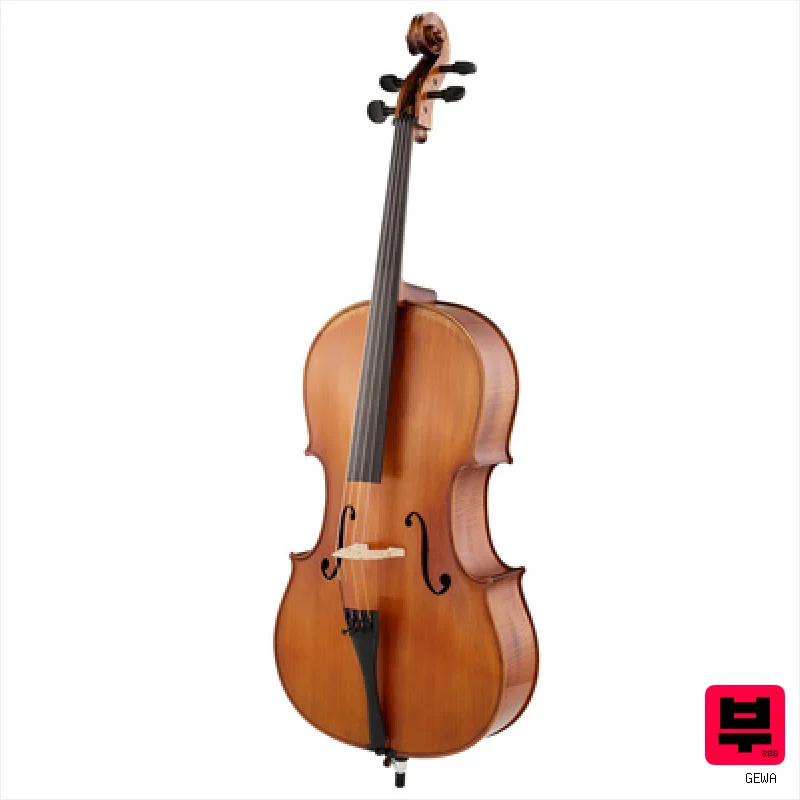
The top pick is Gewa Basic Line Laminated Bass 1/16 ($1,227). Alfred Stingl by Höfner AS-180-B Double Bass 1/2 leads the high end. Ranked by the AudioFu Index from 23 models across 4 brands, prices checked every night.
Last updated: October 18, 2026
Top 10
Full detail for the 10 highest AudioFu Index scores. Every other model is listed below.
-
- FingerboardEbony fingerboard
- Size1/16 size
This tiny bass is built for kids with its light wood and easy-to-turn knobs. It has a nice ebony fingerboard but comes without a bow. Great for learning the basics but not for serious playing yet.
Pros
- Lightweight laminated wood construction for small hands
- Solid ebony fingerboard for smooth playability
- Durable Tyrolean-style machine heads for tuning
Cons
- No bow included for starting practice
- Laminated wood lacks traditional solid resonance
56AudioFu
IndexStableno change since Aug 17Aug 17$1,227 now$1,227€1,090 at Thomann · in stockCheck price ↗ -
- Size1/8 size
This small double bass has a sturdy laminated wood body and a golden finish. It uses ebony for the fingerboard and has Tyrolean-style tuning pegs. It is perfect for kids who need a durable instrument that fits their small frame.
Pros
- Laminated wood makes the bass durable for travel and rough handling.
Cons
- No pickup is mentioned, so playing in loud venues is difficult.
- No bow is included, requiring a separate purchase for practice.
49AudioFu
IndexStableno change since Aug 17Aug 17$1,227 now$1,227€1,090 at Thomann · in stockCheck price ↗ -
- Size1/2 size
This small double bass looks great and holds up to bumps because of its laminated wood. The ebony fingerboard feels nice to play, but you will need to buy a bow separately. It is a solid choice for a young student who needs something sturdy.
Pros
- Laminated wood top, back, and sides resist cracking well
- Ebony fingerboard provides a smooth, fast playing surface
- Golden brown finish offers a classic, traditional look
Cons
- No pickup mentioned for modern amplification
- Bow not included in this basic line set
49AudioFu
IndexStableno change since Aug 17Aug 17$1,227 now$1,227€1,090 at Thomann · in stockCheck price ↗ -
- Size1/4 size
This small double bass is perfect for young beginners who need something light and easy to handle. The laminated wood body makes it sturdy without being heavy, while the ebony fingerboard feels great under the fingers. It looks nice with its golden finish and tunes well with Tyrolean heads, but it lacks a pickup for playing with an amp.
Pros
- Laminated wood body keeps instrument very light for young players.
- Ebony fingerboard provides smooth playability and bright response.
- Golden brown finish adds a warm visual appeal to the instrument.
Cons
- Solid wood construction is missing for deeper resonance.
- No pickup system is mentioned for amplified use.
49AudioFu
IndexStableno change since Aug 17Aug 17$1,227 now$1,227€1,090 at Thomann · in stockCheck price ↗ -
- Size1/8 size
This Thomann 1/8 double bass is a solid entry point for young students or smaller players getting into the instrument. The German-made construction and spruce top give it a surprisingly good sound, and the setup process means it'll be playable right out of the box. It's a well-rounded package for a beginner, offering a good foundation for developing proper technique.
Pros
- Solid spruce top delivers surprisingly warm, resonant tone for its class
- German craftsmanship ensures good build quality and consistent playability
- Ebony fretboard offers a smooth playing surface, resisting wear
Cons
- Laminated back and sides limit potential for complex overtones and projection
- 1/8 size is strictly for younger or smaller players, limiting long-term use
50AudioFu
IndexStableno change since Aug 14Aug 14$1,339 now$1,339€1,190 at Thomann · in stockCheck price ↗ -
- Size1/10 size
This Thomann 1/10 Europa is a solid starter bass for younger students or those needing a smaller instrument. The European setup is a real bonus, meaning it's playable right away, and the laminated construction provides decent volume without being overly complex. It's a well-built option for those just starting their double bass journey.
Pros
- European workshop setup ensures a playable instrument out of the box
- Laminated maple back provides good projection for a student bass
- Ebony fingerboard offers a smooth playing experience and durability
Cons
- Laminated construction limits tonal complexity compared to solid wood models
- 1/10 size is restrictive for taller players or those needing a full-scale feel
46AudioFu
Index↑ 8.4%since Aug 14$1,339 · Aug 14$1,452 now$1,452€1,290 at Thomann · in stockCheck price ↗ -
- Size1/2 size
This small bass uses a real spruce top for a bright sound, but the laminated sides keep it light. The gold brown finish and purfling give it a nice look. It is a solid choice for young players who want something affordable and easy to tune.
Pros
- Solid spruce top delivers bright attack
- Inlaid purfling adds classic detail
- Ebony fingerboard offers smooth play
Cons
- Laminated back and sides limit depth
- No pickup mentioned for stage use
49AudioFu
IndexStableno change since Aug 17Aug 17$1,530 now$1,530€1,360 at Thomann · in stockCheck price ↗ -
- Size1/8 size
This is a solid choice for a young musician wanting a traditional sound. The spruce top gives a nice, bright voice while the laminated sides keep it sturdy. It works well as a first step toward bigger instruments without needing extra gear. Parents might like the affordable price and simple build.
Pros
- Solid spruce top provides a bright, traditional tone.
- Inlaid purfling adds visual detail and structural integrity.
- Laminated wood sides ensure stability for young players.
Cons
- No pickups listed means no built-in amplification.
- Back and sides are laminated rather than solid wood.
49AudioFu
IndexStableno change since Aug 17Aug 17$1,530 now$1,530€1,360 at Thomann · in stockCheck price ↗ -
- Size1/4 size
This young player gets a bright spruce top that cuts through small rooms, while the laminated back and sides keep it safe in changing climates. The ebony fingerboard feels smooth under the hand, but there is no pickup listed for quiet practice. It suits a student who wants a sturdy, reliable instrument without the risk of a solid body cracking.
Pros
- Solid spruce top delivers strong, bright fundamental notes
- Laminated wood back and sides resist cracking in humid stages
- Ebony fingerboard provides smooth, consistent playing feel
Cons
- No pickup system mentioned for low-volume room settings
- Gold brown lacquer finish may wear easily on touring
49AudioFu
IndexStableno change since Aug 17Aug 17$1,530 now$1,530€1,360 at Thomann · in stockCheck price ↗ -
Alfred Stingl by Höfner AS-180-B Double Bass 1/
2 Not on Reverb yet2 finishes at Thomann
- Size1/2 size
This Alfred Stingl AS-180-B is a fantastic option for younger or smaller-statured students just starting out on the double bass. The gamba shape is visually appealing and helps with initial posture, and the spruce top delivers a good, clear sound. It’s a well-built instrument that offers a solid foundation for learning the instrument.
Pros
- Viola da gamba shape offers a unique aesthetic and comfortable playing posture.
- Spruce top provides a responsive, bright tone suitable for various styles.
- Hand-applied spirit varnish enhances beauty and protects the instrument’s wood.
Cons
- 1/2 size limits its suitability for taller or more experienced players.
- Veneered construction, while cost-effective, might lack the tonal complexity of solid wood.
59AudioFu
Index↓ 50.2%since Aug 14 · lowest so far$3,365 · Aug 14$1,677 now$1,677€1,490 at Thomann · in stockCheck price ↗
All 23 child / youth double basses
Same index, same nightly prices — compact. Colour options of one model share a row. Tap a photo to zoom.
- 11
Stentor SR1438 Double Bass 1/2Stentor · 2 finishes59↓ 13.9%$2,801€2,489$2,801€2,489Check ↗
- 12
Thomann 33 1/2 Europe Double BassThomann54↑ 6.1%$1,969€1,750$1,969€1,750Check ↗
- 13
Thomann 33 1/4 Europe Double BassThomann54↑ 5.9%$2,014€1,790$2,014€1,790Check ↗
- 14
Thomann 11 1/2 Europe Double BassThomann50Stable$1,789€1,590$1,789€1,590Check ↗
- 15
Gewa Premium Line Solid Top DB 1/4Gewa49Stable$2,127€1,890$2,127€1,890Check ↗
- 16
Gewa Premium Line Solid Top DB 1/2Gewa49Stable$2,239€1,990$2,239€1,990Check ↗
- 17
Thomann 22 1/4 Europe Double BassThomann47↑ 6.3%$1,902€1,690$1,902€1,690Check ↗
- 18
Thomann 22 1/2 Europe Double BassThomann47↑ 6.1%$1,969€1,750$1,969€1,750Check ↗
- 19
Thomann 33 1/8 Europe Double BassThomann46↑ 7.8%$1,564€1,390$1,564€1,390Check ↗
- 20
Thomann 22 1/8 Europe Double BassThomann46↑ 7.8%$1,564€1,390$1,564€1,390Check ↗
- 21
Thomann 22 1/10 Europe Double BassThomann46↑ 7.8%$1,564€1,390$1,564€1,390Check ↗
- 22
Thomann 11 1/4 Europe Double BassThomann46↑ 7.2%$1,677€1,490$1,677€1,490Check ↗
- 23
Stentor SR1950 Double Bass Stud.1/16Stentor45Stable$2,081€1,849$2,081€1,849Check ↗
Child/Youth Double Basses by the numbers
Measured across all 25 models we track, not a sample.
Median $1,677 — half of all child/youth double basses here cost less.
most common · 25 models
How to choose the best child/youth double basses
Size & Scale Length
This is paramount. A 3/4 size is common for younger players, but even within that, scale length varies. Too long, and reaching those lower notes becomes a workout; too short, and intonation suffers. It needs to feel comfortable and proportional to their body.
Action & Neck Profile
High action (string height) makes it brutally difficult to press down strings, especially for smaller hands. A thin, comfortable neck profile will encourage better technique and prevent fatigue - a fat, unwieldy neck will just lead to frustration. Getting a setup is almost mandatory.
Wood & Construction
Solid wood (spruce top, maple back/sides) generally yields better tone and sustain compared to laminated woods, but it also comes at a higher price. Laminates are fine for a first bass, but be aware they'll lack that responsive, resonant quality. Look for clean joinery - sloppy construction leads to buzzing and uneven tone.
Bridge & Soundpost
The bridge is a critical component for transferring string vibration to the body. A poorly fitted or low-quality bridge will choke the bass's tone. The soundpost, a small wooden dowel inside, is equally important - its placement dramatically impacts the bass's character. A good luthier can adjust these for optimal tone.
Overall Tone & Articulation
You want a bass that allows for clear articulation - the ability to cleanly separate notes. A muddy, indistinct tone makes it hard to hear what you're playing, especially in a band setting. It shouldn't be overly bright or harsh, but have a fundamental warmth with enough projection to cut through the mix.
Buying guide
So, your kiddo wants to learn the double bass? Awesome! It's a commitment, but a rewarding one. Finding the right instrument is half the battle - a bass that's too big or stiff will just make learning a frustrating chore. Let's break down what to look for in a youth double bass that'll keep them inspired and progressing.
Don't chase the prettiest finish. Focus on playability - get the kid involved in the selection process if possible. Expect to spend at least $500 for a decent solid wood 3/4 size bass, and factor in a professional setup (around $100-$150) - it's non-negotiable.
Cheap basses often cut corners on the bridge and soundpost, which will severely limit the instrument's potential. A slightly used, better-quality bass is often a smarter investment than a brand-new budget model.
How the AudioFu Index works
Five measured signals and nothing else — no stars from strangers, no “tested by experts” we didn’t do. The weights are fixed and public. We don’t play these instruments; we measure the market around them.
This chart covers 25 child/youth double basses from the Thomann catalogue. Before you buy, read hands-on reviews and, where you can, play it. Full methodology.
AudioFu earns a commission when you buy through our Thomann links. It never changes the order — the index does.
- Demand40%
How many of this exact model are for sale on Reverb right now — what musicians actually buy and resell.
- Lineup20%
How many finishes Thomann stocks — makers expand the models that sell.
- Price15%
Where the price has moved since we started tracking in August.
- Specs15%
How completely the maker documents it.
- Maker10%
How deep the brand’s range is in this category.
Questions
What's the difference between a 3/4 and a 1/2 size bass?
3/4 is generally for ages 8-12, 1/2 for younger players (5-8). But it's all about the child's height and arm length - have them try both if possible. A 1/2 bass has a significantly shorter scale length, which can impact intonation.
Can I get away with a laminate-top bass?
Sure, but temper your expectations. Laminate tops will sound less responsive and have less sustain. They're a budget compromise, but it's something to be aware of. They're fine to start with, but plan to upgrade eventually.
Is a pickup system necessary?
Not initially. Focus on acoustic tone and proper technique first. Pickups are for amplification - if they're gigging or recording, then yes, but it's a secondary concern for a beginner.
What about a 'student' or 'beginner' outfit?
These are often a mixed bag. Sometimes they're decent, sometimes they're truly awful. Examine the bridge and soundpost carefully - if they look poorly fitted, walk away. A setup is crucial regardless of the outfit's reputation.
My child is growing fast - should I buy a smaller size now?
Definitely not. Getting the right size now is more important than future-proofing. A bass that's too small will hinder their development. They can always trade up later.