AudioFu Chart · October 2026
Best Child / Youth Double Basses 2026
The top pick is Alfred Stingl by Höfner AS-180-B Double Bass 1/2 ($1,677). Gewa Basic Line Laminated Bass 1/16 gives you the most for the money at $1,227. Stentor SR1438 Double Bass 1/2 leads the high end. Ranked by the AudioFu Index from 23 models across 4 brands, prices checked every night.
Last updated: October 18, 2026
Narrow the chart
All Child/Youth Double BassesTop 10
Full detail for the 10 highest AudioFu Index scores. Every other model is listed below.
-
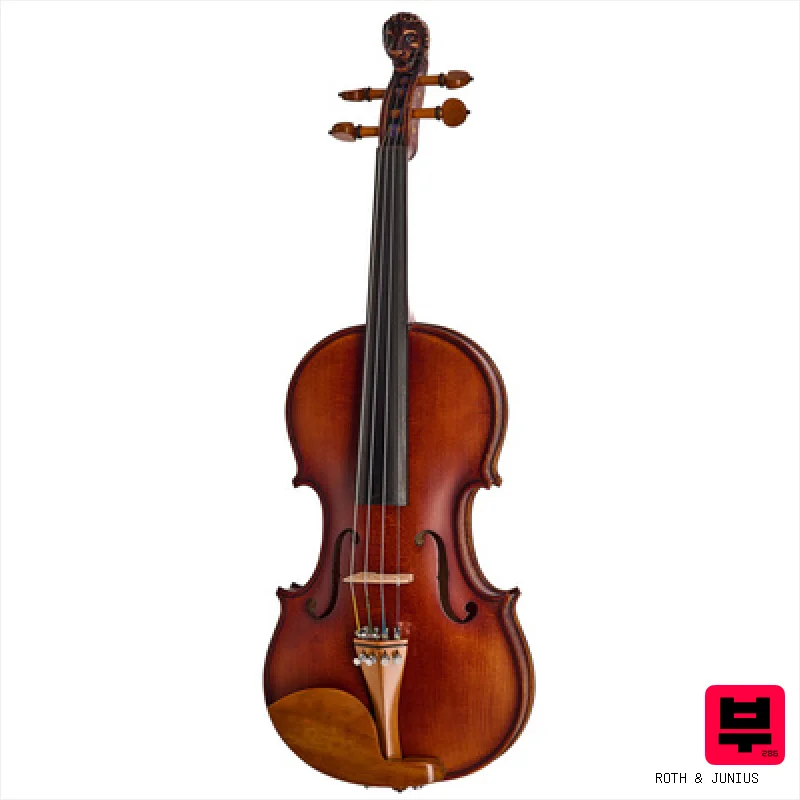
Alfred Stingl by Höfner AS-180-B Double Bass 1/
2 Not on Reverb yet2 finishes at Thomann
- Size1/2 size
This Alfred Stingl AS-180-B is a fantastic option for younger or smaller-statured students just starting out on the double bass. The gamba shape is visually appealing and helps with initial posture, and the spruce top delivers a good, clear sound. It’s a well-built instrument that offers a solid foundation for learning the instrument.
Pros
- Viola da gamba shape offers a unique aesthetic and comfortable playing posture.
- Spruce top provides a responsive, bright tone suitable for various styles.
- Hand-applied spirit varnish enhances beauty and protects the instrument’s wood.
Cons
- 1/2 size limits its suitability for taller or more experienced players.
- Veneered construction, while cost-effective, might lack the tonal complexity of solid wood.
59AudioFu
Index↓ 50.2%since Aug 14 · lowest so far$3,365 · Aug 14$1,677 now$1,677€1,490 at Thomann · in stockCheck price ↗ -
- Size1/2 size
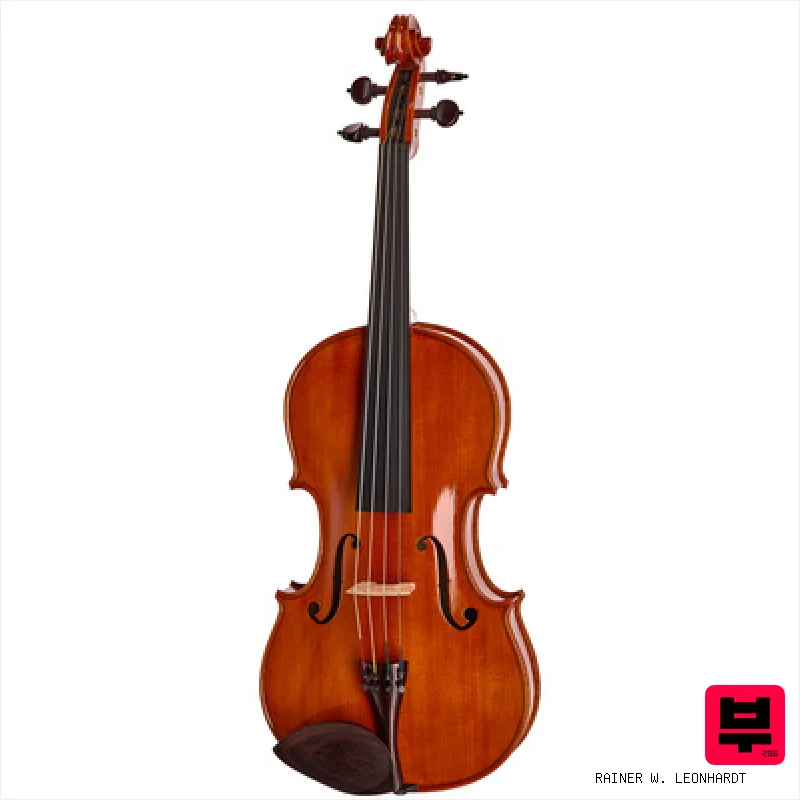
The Stentor SR1438 1/2 is a solid entry point for younger players serious about double bass. It’s a completely solid wood instrument, which is a big deal at this price point, and the German setup gives it a head start. If your student is progressing beyond a beginner instrument, this is a great step up.
Pros
- Solid spruce top delivers a surprisingly warm, resonant tone for a student bass
- Maple back and sides offer good projection and structural stability
- Ebony fingerboard provides a smooth playing surface, aiding intonation
Cons
- 1/2 size is best suited for younger or smaller players; may feel cramped for adults
- Included bow is functional, but a higher-quality bow will significantly improve tone
59AudioFu
Index↓ 13.9%since Aug 14 · lowest so far$3,252 · Aug 14$2,801 now$2,801€2,489 at Thomann · in stockCheck price ↗ -
- FingerboardEbony fingerboard
- Size1/16 size
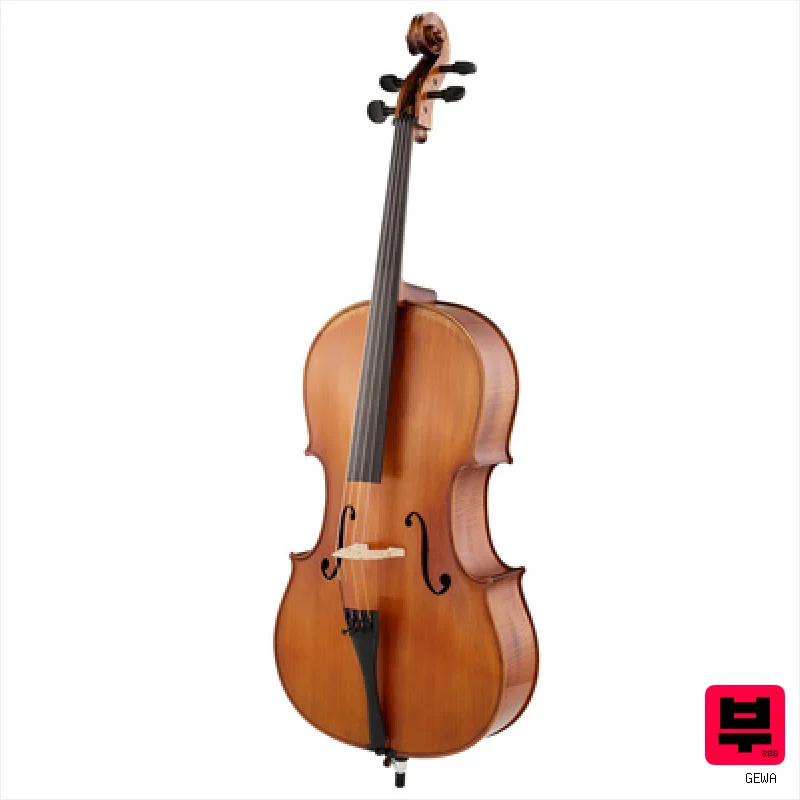
This tiny bass is built for kids with its light wood and easy-to-turn knobs. It has a nice ebony fingerboard but comes without a bow. Great for learning the basics but not for serious playing yet.
Pros
- Lightweight laminated wood construction for small hands
- Solid ebony fingerboard for smooth playability
- Durable Tyrolean-style machine heads for tuning
Cons
- No bow included for starting practice
- Laminated wood lacks traditional solid resonance
56AudioFu
IndexStableno change since Aug 17Aug 17$1,227 now$1,227€1,090 at Thomann · in stockCheck price ↗ -
- FingerboardEbony fingerboard
- Size1/2 size
This Thomann 33 1/2 Europe is a solid starter bass for younger students or smaller adults needing a manageable size. The spruce top gives it a pleasing warmth, and the German setup is a real bonus—you're getting a playable instrument right out of the box. It’s a well-made, affordable option for those beginning their double bass journey.
Pros
- Solid spruce top delivers a warm, resonant, and projecting tone.
- European craftsmanship ensures a generally high level of build quality and attention to detail.
- Ebony fingerboard provides a smooth playing surface for comfortable technique.
Cons
- 1/2 size is strictly for younger or smaller players; may feel cramped for adults.
- Solid maple back, while common, limits tonal complexity compared to more exotic woods.
54AudioFu
Index↑ 6.1%since Aug 14$1,857 · Aug 14$1,969 now$1,969€1,750 at Thomann · in stockCheck price ↗ -
- FingerboardEbony fingerboard
- Size1/4 size
This Thomann 33 1/4 is a surprisingly capable student-level double bass. The solid top gives it a better sound than many entry-level models, and the European setup is a real plus. It's a solid choice for younger players or those just starting out and needing a smaller instrument – don’t expect professional-level performance, but it’s a great foundation.
Pros
- Solid spruce top delivers a surprisingly resonant and mature tone for a 1/4 size.
- European craftsmanship ensures a generally solid build quality and attention to detail.
- Tyrolean machine heads offer smoother tuning than many budget basses.
Cons
- 1/4 size limits its suitability for taller or more advanced players; feels cramped.
- Solid maple back, while structurally sound, might lack the tonal complexity of a figured maple back.
54AudioFu
Index↑ 5.9%since Aug 14$1,902 · Aug 14$2,014 now$2,014€1,790 at Thomann · in stockCheck price ↗ -
- Size1/8 size
This Thomann 1/8 double bass is a solid entry point for young students or smaller players getting into the instrument. The German-made construction and spruce top give it a surprisingly good sound, and the setup process means it'll be playable right out of the box. It's a well-rounded package for a beginner, offering a good foundation for developing proper technique.
Pros
- Solid spruce top delivers surprisingly warm, resonant tone for its class
- German craftsmanship ensures good build quality and consistent playability
- Ebony fretboard offers a smooth playing surface, resisting wear
Cons
- Laminated back and sides limit potential for complex overtones and projection
- 1/8 size is strictly for younger or smaller players, limiting long-term use
50AudioFu
IndexStableno change since Aug 14Aug 14$1,339 now$1,339€1,190 at Thomann · in stockCheck price ↗ -
- Size1/2 size
This is a solid 1/2 size bass built for kids who need a reliable instrument. It arrives ready to play after being carefully set up in Germany for any style you prefer. The maple back is sturdy and the endpin adjusts easily for different heights. Just remember you will need to order a bow separately and wait a few days for the final tuning.
Pros
- Ready to play from the German specialist workshop
- Individual setup for jazz, classical, or rockabilly styles
- Laminated maple back provides strong structural integrity
Cons
- No bow included in the box
- Shipping requires heavy freight carrier delivery
50AudioFu
IndexStableno change since Aug 17Aug 17$1,789 now$1,789€1,590 at Thomann · in stockCheck price ↗ -
- Size1/8 size
This small double bass has a sturdy laminated wood body and a golden finish. It uses ebony for the fingerboard and has Tyrolean-style tuning pegs. It is perfect for kids who need a durable instrument that fits their small frame.
Pros
- Laminated wood makes the bass durable for travel and rough handling.
Cons
- No pickup is mentioned, so playing in loud venues is difficult.
- No bow is included, requiring a separate purchase for practice.
49AudioFu
IndexStableno change since Aug 17Aug 17$1,227 now$1,227€1,090 at Thomann · in stockCheck price ↗ -
- Size1/2 size
This small double bass looks great and holds up to bumps because of its laminated wood. The ebony fingerboard feels nice to play, but you will need to buy a bow separately. It is a solid choice for a young student who needs something sturdy.
Pros
- Laminated wood top, back, and sides resist cracking well
- Ebony fingerboard provides a smooth, fast playing surface
- Golden brown finish offers a classic, traditional look
Cons
- No pickup mentioned for modern amplification
- Bow not included in this basic line set
49AudioFu
IndexStableno change since Aug 17Aug 17$1,227 now$1,227€1,090 at Thomann · in stockCheck price ↗ -
- Size1/4 size
This small double bass is perfect for young beginners who need something light and easy to handle. The laminated wood body makes it sturdy without being heavy, while the ebony fingerboard feels great under the fingers. It looks nice with its golden finish and tunes well with Tyrolean heads, but it lacks a pickup for playing with an amp.
Pros
- Laminated wood body keeps instrument very light for young players.
- Ebony fingerboard provides smooth playability and bright response.
- Golden brown finish adds a warm visual appeal to the instrument.
Cons
- Solid wood construction is missing for deeper resonance.
- No pickup system is mentioned for amplified use.
49AudioFu
IndexStableno change since Aug 17Aug 17$1,227 now$1,227€1,090 at Thomann · in stockCheck price ↗
All 23 child / youth double basses
Same index, same nightly prices — compact. Colour options of one model share a row. Tap a photo to zoom.
- 11
Gewa Basic Line Semi Solid Bass 1/2Gewa49Stable$1,530€1,360$1,530€1,360Check ↗
- 12
Gewa Basic Line Semi Solid Bass 1/8Gewa49Stable$1,530€1,360$1,530€1,360Check ↗
- 13
Gewa Basic Line Semi Solid Bass 1/4Gewa49Stable$1,530€1,360$1,530€1,360Check ↗
- 14
Gewa Premium Line Solid Top DB 1/4Gewa49Stable$2,127€1,890$2,127€1,890Check ↗
- 15
Gewa Premium Line Solid Top DB 1/2Gewa49Stable$2,239€1,990$2,239€1,990Check ↗
- 16
Thomann 22 1/4 Europe Double BassThomann47↑ 6.3%$1,902€1,690$1,902€1,690Check ↗
- 17
Thomann 22 1/2 Europe Double BassThomann47↑ 6.1%$1,969€1,750$1,969€1,750Check ↗
- 18
Thomann 11 1/10 Europe Double BassThomann46↑ 8.4%$1,452€1,290$1,452€1,290Check ↗
- 19
Thomann 33 1/8 Europe Double BassThomann46↑ 7.8%$1,564€1,390$1,564€1,390Check ↗
- 20
Thomann 22 1/8 Europe Double BassThomann46↑ 7.8%$1,564€1,390$1,564€1,390Check ↗
- 21
Thomann 22 1/10 Europe Double BassThomann46↑ 7.8%$1,564€1,390$1,564€1,390Check ↗
- 22
Thomann 11 1/4 Europe Double BassThomann46↑ 7.2%$1,677€1,490$1,677€1,490Check ↗
- 23
Stentor SR1950 Double Bass Stud.1/16Stentor45Stable$2,081€1,849$2,081€1,849Check ↗
Child/Youth Double Basses by the numbers
Measured across all 25 models we track, not a sample.
Median $1,677 — half of all child/youth double basses here cost less.
most common · 25 models
How to choose the best child/youth double basses
Size/Scale Length
This is paramount. Too big, and they'll struggle. Too small, and they'll outgrow it quickly. Common sizes are 3/4, 1/2, and 1/4, but measure their arm reach - a tape measure is your friend. A 3/4 might be a good fit for a 10-12 year old, but it's not a guarantee.
Top Material
Spruce is the standard for a reason - it offers a good balance of responsiveness and projection. Lower-priced basses often use softer woods like poplar or basswood, which will be darker sounding and less lively, though not necessarily 'bad' - just different. Expect less sustain and a more muted response.
Back & Sides Material
Maple tends to be brighter and more articulate, while mahogany offers a warmer, more mellow tone. Again, cheaper basses will use less desirable woods like sapele or meranti, which will soften the overall sound. This impacts how easily the bass cuts through a band - a critical factor for young players.
Action & Neck Profile
High action (string height) makes it a struggle to play, especially for smaller hands. A thick, unwieldy neck profile can also be a problem. Ideally, the action should be comfortably low without excessive buzzing - something that's often overlooked on cheaper instruments.
Construction/Setup
A bass that's poorly constructed or hasn't been properly set up will be a nightmare to play. Check for sharp fret ends, uneven seams, and a neck that's bowed excessively. A proper setup - including a bridge adjustment and string leveling - can make a huge difference.
Buying guide
So, your kiddo wants to play upright bass? Fantastic! It's a beast of an instrument, and getting them started right is key to avoiding frustration and fostering a genuine love for the bass. Finding the right size and build quality is more critical than with a guitar - a poorly sized bass can seriously hinder their development. This isn't about finding the prettiest instrument; it's about finding one that's playable, sounds decent, and won't have them wrestling with it every time they pick it up.
Don't be swayed by flashy finishes or low prices alone. Cheap basses often cut corners on wood quality and construction, leading to a muddy tone and a frustrating playing experience. Spending a little more on a reputable brand with a solid spruce top and a decent setup is worth it.
Remember, a playable bass encourages practice and fosters a love for the instrument - a struggling player is less likely to stick with it.
How the AudioFu Index works
Five measured signals and nothing else — no stars from strangers, no “tested by experts” we didn’t do. The weights are fixed and public. We don’t play these instruments; we measure the market around them.
This chart covers 25 child/youth double basses from the Thomann catalogue. Before you buy, read hands-on reviews and, where you can, play it. Full methodology.
AudioFu earns a commission when you buy through our Thomann links. It never changes the order — the index does.
- Demand40%
How many of this exact model are for sale on Reverb right now — what musicians actually buy and resell.
- Lineup20%
How many finishes Thomann stocks — makers expand the models that sell.
- Price15%
Where the price has moved since we started tracking in August.
- Specs15%
How completely the maker documents it.
- Maker10%
How deep the brand’s range is in this category.
Questions
What's the difference between a 3/4 and a 1/2 size bass?
Scale length is the main difference. 3/4 is around 32-33.5 inches, 1/2 is around 30-32 inches. The shorter scale of a 1/2 size makes it easier to reach notes, but it can also result in a slightly 'floppy' feel and a less defined tone. It's really about the player's size and comfort.
Can I upgrade the strings on a cheaper bass?
Absolutely! Strings are the easiest and most impactful upgrade you can make. A set of decent D'Addario or Pirastro Universal strings can dramatically improve the tone and playability of even a budget instrument.
Are electric upright basses a good option for a beginner?
They can be, but it adds another layer of complexity. A pickup can be helpful for cutting through a band, but it also introduces electronics that can fail. A purely acoustic bass is a better starting point to learn the fundamentals.
What about composite basses (carbon fiber)?
They're incredibly durable and lightweight, which is a plus for younger players. However, they often lack the warmth and resonance of a traditional wood bass, and they come with a significant price tag. Probably not the best choice for a first bass.
Should I buy used?
Definitely! You can often find a much better quality instrument for the same price as a new, lower-end model. Just be sure to inspect it carefully for cracks, warping, and other damage, and ideally have a luthier check it out.