AudioFu Chart · October 2026
Best Child / Youth Double Basses Under $2,000 2026
The top pick is Alfred Stingl by Höfner AS-180-B Double Bass 1/2 ($1,677). Gewa Basic Line Laminated Bass 1/16 gives you the most for the money at $1,227. Ranked by the AudioFu Index from 18 models across 3 brands, prices checked every night.
Last updated: October 18, 2026
Top 10
Full detail for the 10 highest AudioFu Index scores. Every other model is listed below.
-
Alfred Stingl by Höfner AS-180-B Double Bass 1/
2 Not on Reverb yet2 finishes at Thomann
- Size1/2 size
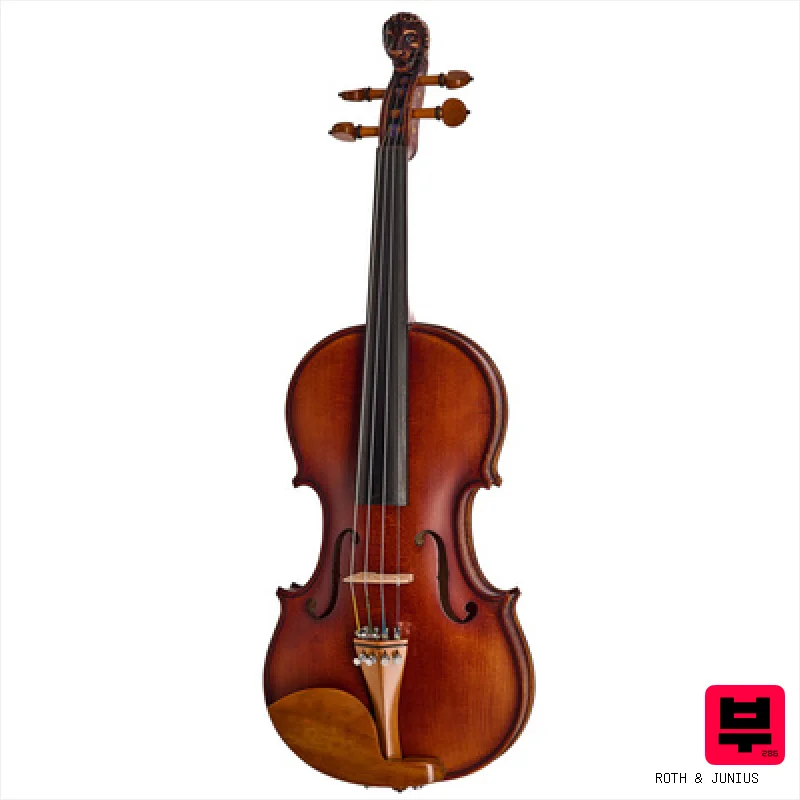
This Alfred Stingl AS-180-B is a fantastic option for younger or smaller-statured students just starting out on the double bass. The gamba shape is visually appealing and helps with initial posture, and the spruce top delivers a good, clear sound. It’s a well-built instrument that offers a solid foundation for learning the instrument.
Pros
- Viola da gamba shape offers a unique aesthetic and comfortable playing posture.
- Spruce top provides a responsive, bright tone suitable for various styles.
- Hand-applied spirit varnish enhances beauty and protects the instrument’s wood.
Cons
- 1/2 size limits its suitability for taller or more experienced players.
- Veneered construction, while cost-effective, might lack the tonal complexity of solid wood.
59AudioFu
Index↓ 16.8%since Aug 17 · lowest so far$2,014 · Aug 17$1,677 now$1,677€1,490 at Thomann · in stockCheck price ↗ -
- FingerboardEbony fingerboard
- Size1/2 size
This Thomann 33 1/2 Europe is a solid starter bass for younger students or smaller adults needing a manageable size. The spruce top gives it a pleasing warmth, and the German setup is a real bonus—you're getting a playable instrument right out of the box. It’s a well-made, affordable option for those beginning their double bass journey.
Pros
- Solid spruce top delivers a warm, resonant, and projecting tone.
- European craftsmanship ensures a generally high level of build quality and attention to detail.
- Ebony fingerboard provides a smooth playing surface for comfortable technique.
Cons
- 1/2 size is strictly for younger or smaller players; may feel cramped for adults.
- Solid maple back, while common, limits tonal complexity compared to more exotic woods.
57AudioFu
IndexStableno change since Aug 17Aug 17$1,969 now$1,969€1,750 at Thomann · in stockCheck price ↗ -
- FingerboardEbony fingerboard
- Size1/16 size
This tiny bass is built for kids with its light wood and easy-to-turn knobs. It has a nice ebony fingerboard but comes without a bow. Great for learning the basics but not for serious playing yet.
Pros
- Lightweight laminated wood construction for small hands
- Solid ebony fingerboard for smooth playability
- Durable Tyrolean-style machine heads for tuning
Cons
- No bow included for starting practice
- Laminated wood lacks traditional solid resonance
56AudioFu
IndexStableno change since Aug 17Aug 17$1,227 now$1,227€1,090 at Thomann · in stockCheck price ↗ -
- Size1/8 size
This Thomann 1/8 double bass is a solid entry point for young students or smaller players getting into the instrument. The German-made construction and spruce top give it a surprisingly good sound, and the setup process means it'll be playable right out of the box. It's a well-rounded package for a beginner, offering a good foundation for developing proper technique.
Pros
- Solid spruce top delivers surprisingly warm, resonant tone for its class
- German craftsmanship ensures good build quality and consistent playability
- Ebony fretboard offers a smooth playing surface, resisting wear
Cons
- Laminated back and sides limit potential for complex overtones and projection
- 1/8 size is strictly for younger or smaller players, limiting long-term use
50AudioFu
IndexStableno change since Aug 17Aug 17$1,339 now$1,339€1,190 at Thomann · in stockCheck price ↗ -
- Size1/10 size
This Thomann 1/10 Europa is a solid starter bass for younger students or those needing a smaller instrument. The European setup is a real bonus, meaning it's playable right away, and the laminated construction provides decent volume without being overly complex. It's a well-built option for those just starting their double bass journey.
Pros
- European workshop setup ensures a playable instrument out of the box
- Laminated maple back provides good projection for a student bass
- Ebony fingerboard offers a smooth playing experience and durability
Cons
- Laminated construction limits tonal complexity compared to solid wood models
- 1/10 size is restrictive for taller players or those needing a full-scale feel
50AudioFu
IndexStableno change since Aug 17Aug 17$1,452 now$1,452€1,290 at Thomann · in stockCheck price ↗ -
- Size1/10 size
This Thomann 22 1/10 is a great entry point for younger students or those needing a smaller double bass. The solid spruce top gives it a surprisingly good tone for a semi-solid instrument, and the setup from Thomann’s workshop means it's playable immediately – a real boon for beginners. Just be sure to check the size carefully to ensure a comfortable playing experience.
Pros
- Solid spruce top offers a lively, resonant tone suitable for beginners
- Arched maple back provides structural stability and a warm, focused sound
- Tyrolean machine heads ensure smooth and accurate tuning, crucial for young players
Cons
- 1/10 size limits its suitability for older or taller students; feel for size is critical
- Semi-solid construction may lack the projection of a fully hollow body double bass
50AudioFu
IndexStableno change since Aug 17Aug 17$1,564 now$1,564€1,390 at Thomann · in stockCheck price ↗ -
- Size1/8 size
This Thomann 1/8 size double bass is a great entry point for younger students or those needing a smaller instrument. The spruce top delivers a decent tone, and the European setup ensures it's playable right out of the box, though the semi-solid construction limits its tonal complexity. It's a solid, affordable option for beginners.
Pros
- Solid spruce top provides a responsive, bright fundamental tone.
- European craftsmanship generally indicates good attention to detail and quality control.
- Ebony fingerboard offers a smooth playing surface and good durability.
Cons
- Semi-solid construction may lack the complex overtones of a fully hollow body.
- 1/8 size is strictly for younger or smaller players; limited growth potential.
50AudioFu
IndexStableno change since Aug 17Aug 17$1,564 now$1,564€1,390 at Thomann · in stockCheck price ↗ -
- Size1/8 size
This Thomann 33 1/8 is a solid entry point for young bass students. The solid spruce top provides a good starting acoustic tone, and the European setup is a nice touch. It's a well-made instrument for its category, ideal for beginners needing a smaller-sized bass.
Pros
- Solid spruce top delivers a responsive, bright acoustic tone.
- European craftsmanship ensures generally good build quality and attention to detail.
- Ebony fingerboard offers a smooth playing surface for comfortable technique.
Cons
- 1/8 size is strictly for very young or smaller students, limiting long-term use.
- Solid maple back, while functional, can result in a slightly less complex tone.
50AudioFu
IndexStableno change since Aug 17Aug 17$1,564 now$1,564€1,390 at Thomann · in stockCheck price ↗ -
- Size1/4 size
This Thomann 1/4 size double bass is a solid starting point for younger or smaller students. The laminated construction keeps the price affordable while the German workshop setup ensures it’s ready to play. It's a dependable choice for those just beginning their double bass journey and needing a manageable size and weight.
Pros
- Laminated top offers surprising projection for a student bass
- European workshop setup ensures a playable, consistent instrument out of the box
- Tyrolean machine heads provide reliable tuning stability for beginners
Cons
- Laminated construction limits tonal complexity compared to solid wood basses
- 1/4 size may feel restrictive for taller or more experienced players
50AudioFu
IndexStableno change since Aug 17Aug 17$1,677 now$1,677€1,490 at Thomann · in stockCheck price ↗ -
- Size1/2 size
This is a solid 1/2 size bass built for kids who need a reliable instrument. It arrives ready to play after being carefully set up in Germany for any style you prefer. The maple back is sturdy and the endpin adjusts easily for different heights. Just remember you will need to order a bow separately and wait a few days for the final tuning.
Pros
- Ready to play from the German specialist workshop
- Individual setup for jazz, classical, or rockabilly styles
- Laminated maple back provides strong structural integrity
Cons
- No bow included in the box
- Shipping requires heavy freight carrier delivery
50AudioFu
IndexStableno change since Aug 17Aug 17$1,789 now$1,789€1,590 at Thomann · in stockCheck price ↗
All 18 child / youth double basses
Same index, same nightly prices — compact. Colour options of one model share a row. Tap a photo to zoom.
- 11
Thomann 22 1/4 Europe Double BassThomann50Stable$1,902€1,690$1,902€1,690Check ↗
- 12
Thomann 22 1/2 Europe Double BassThomann50Stable$1,969€1,750$1,969€1,750Check ↗
- 13
Gewa Basic Line Laminated Bass 1/4Gewa49Stable$1,227€1,090$1,227€1,090Check ↗
- 14
Gewa Basic Line Laminated Bass 1/2Gewa49Stable$1,227€1,090$1,227€1,090Check ↗
- 15
Gewa Basic Line Laminated Bass 1/8Gewa49Stable$1,227€1,090$1,227€1,090Check ↗
- 16
Gewa Basic Line Semi Solid Bass 1/4Gewa49Stable$1,530€1,360$1,530€1,360Check ↗
- 17
Gewa Basic Line Semi Solid Bass 1/8Gewa49Stable$1,530€1,360$1,530€1,360Check ↗
- 18
Gewa Basic Line Semi Solid Bass 1/2Gewa49Stable$1,530€1,360$1,530€1,360Check ↗
Child/Youth Double Basses by the numbers
Measured across all 19 models we track, not a sample.
Median $1,564 — half of all child/youth double basses here cost less.
most common · 19 models
How to choose the best child/youth double basses
Size & Scale Length
Crucial for comfort and proper technique. A 3/4 size is common for younger players, but make sure the scale length (typically 30.5" - 32") feels right to avoid strain and promote good intonation. Too long, and it's a fight; too short, and it feels cramped.
Top Wood (Spruce vs. Fir)
Spruce generally offers more projection and a brighter, more responsive voice - great for cutting through a band. Fir is often cheaper and produces a warmer, mellower tone. Fir isn't bad, just less versatile.
Back & Sides Wood (Maple vs. Other)
Maple gives you that classic double bass 'thump' and a good amount of sustain. Other woods like poplar or birch will be softer in tone and less resonant, which can be fine for quieter practice but might struggle in a louder setting.
Setup & Action
This is EVERYTHING. Even a decent bass can be unplayable with a bad setup. Low action (string height) is easier to play, but too low and you'll get fret buzz. A proper setup from a luthier (or a willing, skilled friend) is worth its weight in gold.
Hardware Quality (Tailpiece, Tuners)
Cheap tailpieces and tuners will make playing a frustrating experience. They'll affect tuning stability and dampen the bass's natural resonance. You don't need boutique hardware, but avoid anything that feels flimsy or looks like it'll strip with minimal force.
Buying guide
So, your kiddo's bitten by the bass bug? Fantastic! Getting them started on a double bass is a commitment, and it doesn't have to bankrupt you. We're focusing on basses under $2000 - a sweet spot where you can find something playable, reliable, and with enough headroom for growth. Forget the pro-level instruments for now; let's get them a solid foundation without breaking the bank.
At this price point, expect compromises. You're unlikely to find a bass with perfect resonance or flawless craftsmanship. Focus on playability and a decent setup; a luthier can often tweak a budget bass to make it surprisingly good.
Don't get hung up on fancy finishes or figured wood - prioritize a comfortable neck profile and a bass that stays in tune. A solid case is a worthwhile investment too, protecting your instrument from bumps and humidity.
How the AudioFu Index works
Five measured signals and nothing else — no stars from strangers, no “tested by experts” we didn’t do. The weights are fixed and public. We don’t play these instruments; we measure the market around them.
This chart covers 19 child/youth double basses from the Thomann catalogue. Before you buy, read hands-on reviews and, where you can, play it. Full methodology.
AudioFu earns a commission when you buy through our Thomann links. It never changes the order — the index does.
- Demand40%
How many of this exact model are for sale on Reverb right now — what musicians actually buy and resell.
- Lineup20%
How many finishes Thomann stocks — makers expand the models that sell.
- Price15%
Where the price has moved since we started tracking in August.
- Specs15%
How completely the maker documents it.
- Maker10%
How deep the brand’s range is in this category.
Questions
What's the difference between a 3/4 and 7/8 size bass?
A 3/4 size is generally for players under 5' tall, while a 7/8 size is a good fit for taller kids. It's more about comfort and reach than age.
Can I upgrade the strings later?
Absolutely! Strings make a huge difference. Upgrading from the stock strings to something like D'Addario or Pirastro will instantly improve the tone and feel.
Is a pickup necessary?
Not initially. A pickup is great for recording or playing amplified, but a young player should focus on developing their acoustic technique first. You can always add one later.
What about used basses?
Used is a fantastic option for stretching your budget. Just be sure to inspect it thoroughly for cracks, warping, or serious setup issues. Bring a knowledgeable friend if possible.
My kid is growing fast - should I buy a smaller bass now?
Resist the urge to buy the absolute smallest size. A slightly larger bass, properly adjusted, will be more comfortable and encourage better posture and technique in the long run.