
Best Child/Youth Double Basses for School Programs 2026
So, your school's starting a double bass program? Fantastic! Finding a decent bass for young players that can handle the inevitable abuse and still produce something resembling a musical tone is a challenge. Forget the fancy boutique instruments - we're talking about instruments that need to be durable, playable, and offer a reasonable foundation for developing technique, not blow budgets.
Last updated: July 15, 2026 • Next update: July 22, 2026

Alfred Stingl by Höfner AS-180-B Double Bass 1/2
- • Viola da gamba shape offers a unique aesthetic and comfortable playing posture.
- • Spruce top provides a responsive, bright tone suitable for various styles.
- • Hand-applied spirit varnish enhances beauty and protects the instrument’s wood.
- • Individual machine heads allow for precise and stable tuning, critical for intonation.
- • 1/2 size limits its suitability for taller or more experienced players.
- • Veneered construction, while cost-effective, might lack the tonal complexity of solid wood.
- • Polished steel strings, while bright, can be harder on beginner fingers.
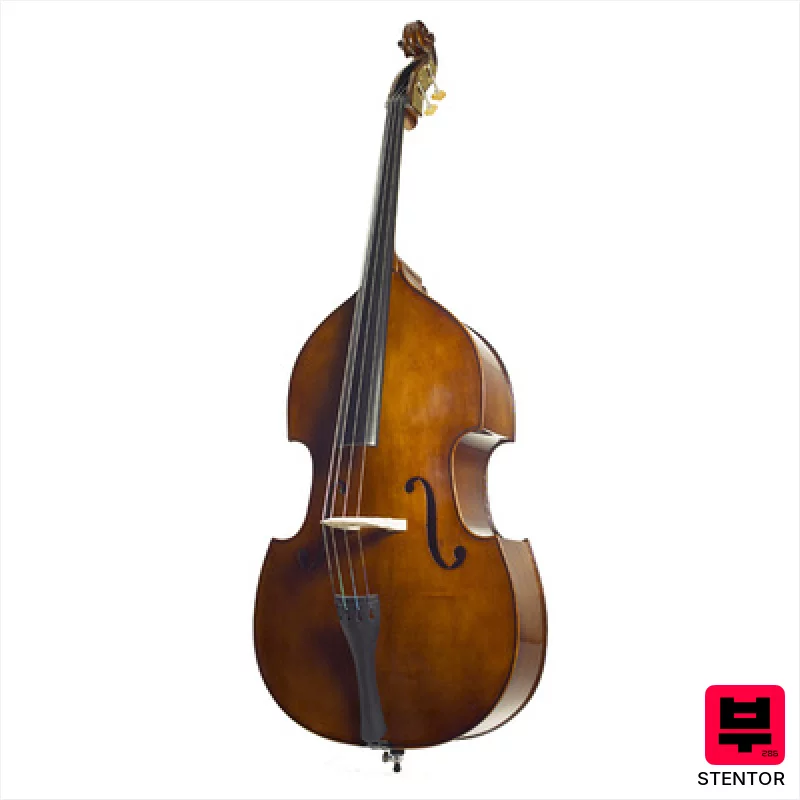
Stentor SR1438 Double Bass 1/4
- • Solid spruce top delivers a surprisingly resonant, warm tone for a student bass.
- • Maple back and sides contribute to a focused, clear projection.
- • Ebony fingerboard provides a smooth playing surface, crucial for developing technique.
- • German workshop setup ensures the instrument is playable and intonated right out of the box.
- • 1/4 size can feel cramped for taller students, limiting long-term growth.
- • Included bow is functional but basic; an upgrade will significantly improve tone.
- • Solid wood construction means it's more susceptible to environmental changes like humidity.
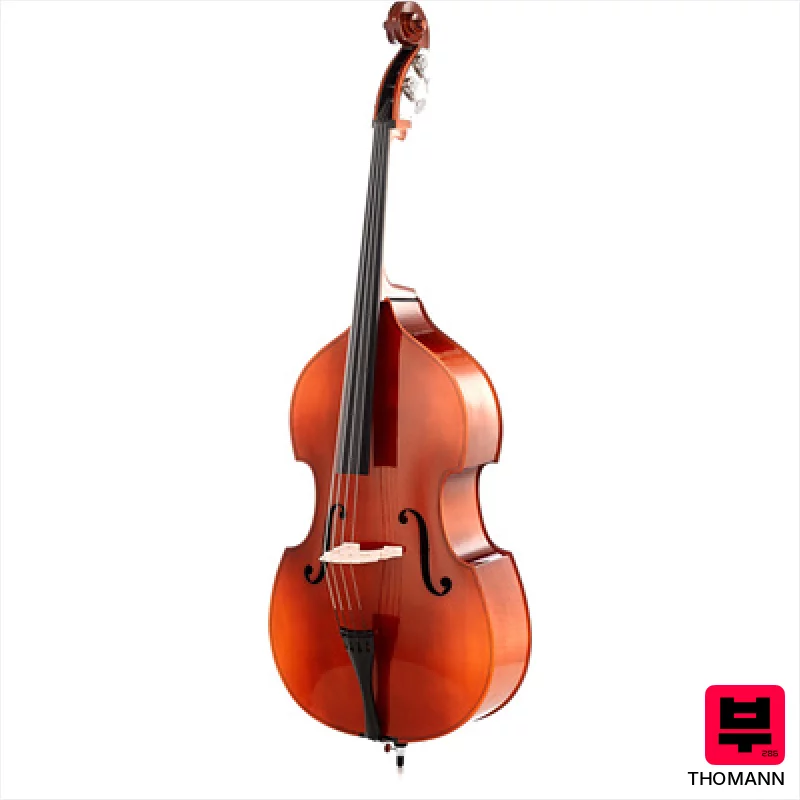
Thomann 11 1/4 Europe Double Bass
- • Laminated top offers surprising projection for a student bass
- • European workshop setup ensures a playable, consistent instrument out of the box
- • Tyrolean machine heads provide reliable tuning stability for beginners
- • Ebony fingerboard contributes to a smooth, responsive playing feel
- • Laminated construction limits tonal complexity compared to solid wood basses
- • 1/4 size may feel restrictive for taller or more experienced players
- • While playable, the setup might still require minor adjustments based on individual preferences
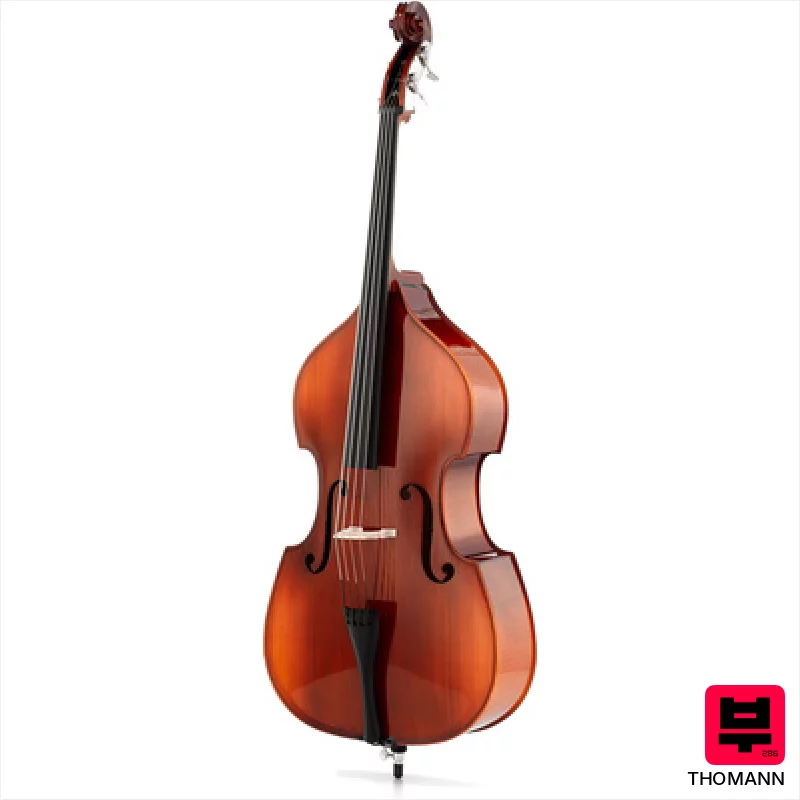
Thomann 22 1/10 Europe Double Bass
- • Solid spruce top offers a lively, resonant tone suitable for beginners
- • Arched maple back provides structural stability and a warm, focused sound
- • Tyrolean machine heads ensure smooth and accurate tuning, crucial for young players
- • German workshop setup guarantees a playable instrument right out of the box
- • 1/10 size limits its suitability for older or taller students; feel for size is critical
- • Semi-solid construction may lack the projection of a fully hollow body double bass
- • Ebony fingerboard, while durable, might feel harder than rosewood for very young players

Thomann 22 1/2 Europe Double Bass
- • Solid spruce top provides a resonant, projecting tone, ideal for student development
- • Arched maple back offers structural integrity and a warm, focused sound
- • Ebony fingerboard ensures smooth playing and precise intonation
- • Tyrolean machine heads offer stable tuning and a vintage aesthetic
- • 1/2 size limits suitability for taller or more advanced players
- • Laminated back, while functional, won’t match the tonal complexity of all-solid instruments
- • Setup delays (2-3 days) can impact immediate playability
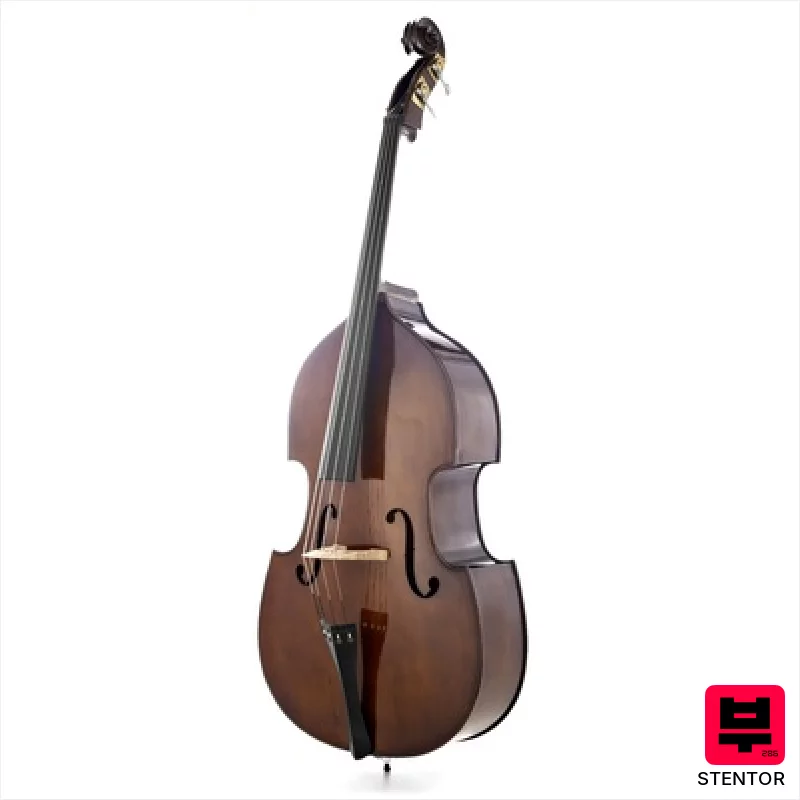
Stentor SR1950 Double Bass Stud.1/16
- • Solid spruce top offers a responsive, bright tone for developing players
- • Laminated maple back provides stability and a warm counterpoint to the top
- • Height-adjustable pegbox simplifies setup and caters to varying arm lengths
- • Comes ready to play from Thomann’s workshop, ensuring basic setup quality
- • The included French bow is a basic model, needing upgrades for serious study
- • Laminated construction limits the potential for long-term tonal complexity
- • 1/16 size is best suited for younger or smaller students; may feel cramped
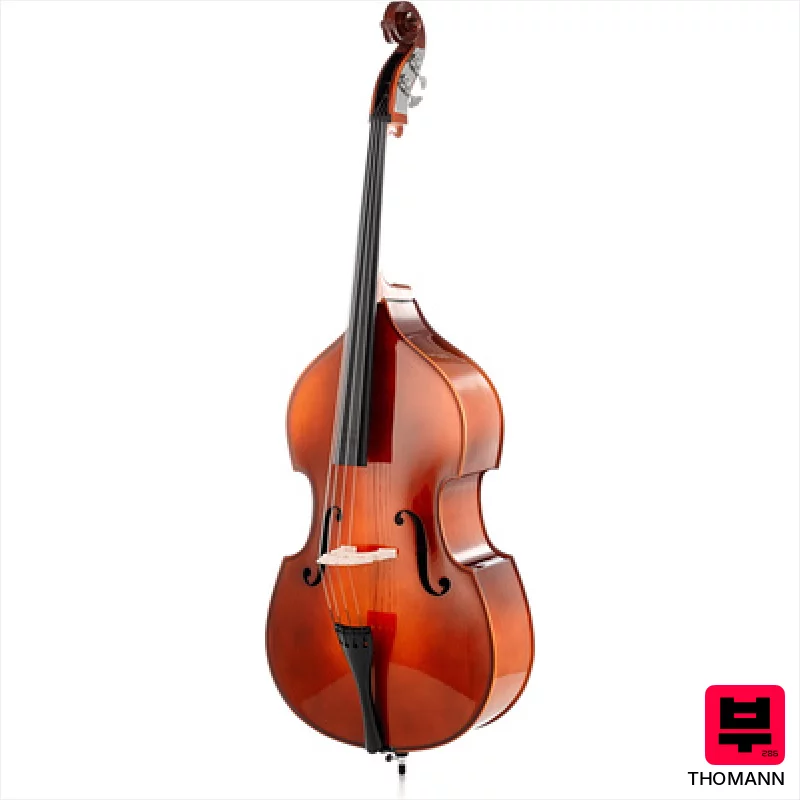
Thomann 33 1/2 Europe Double Bass
- • Solid spruce top delivers a warm, resonant, and projecting tone.
- • European craftsmanship ensures a generally high level of build quality and attention to detail.
- • Ebony fingerboard provides a smooth playing surface for comfortable technique.
- • Tyrolean machine heads offer precise and reliable tuning stability.
- • 1/2 size is strictly for younger or smaller players; may feel cramped for adults.
- • Solid maple back, while common, limits tonal complexity compared to more exotic woods.
- • Setup, while a plus, introduces a 2-3 day shipping delay – plan accordingly.
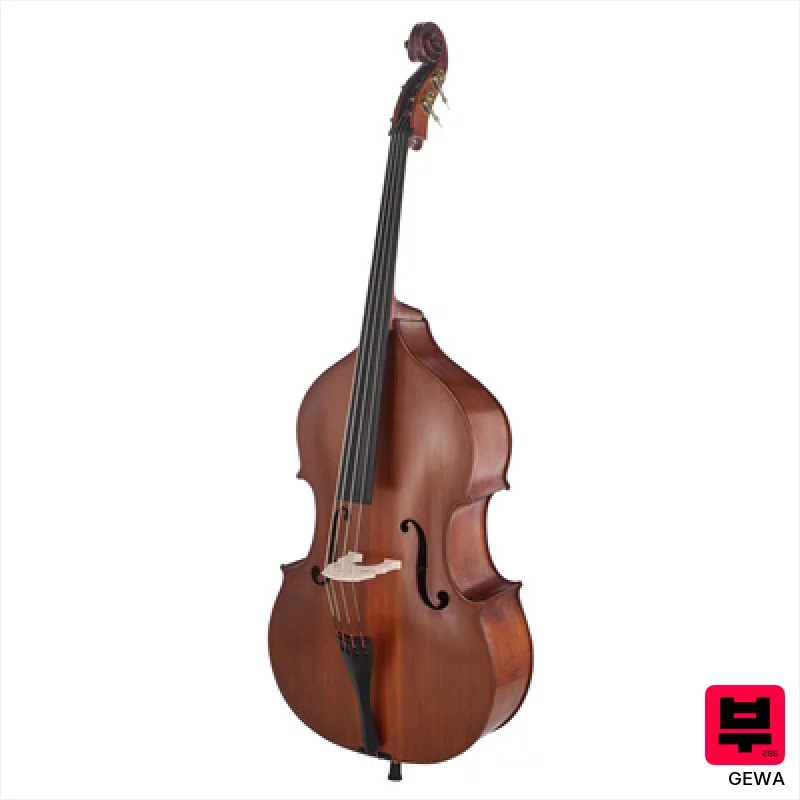
Gewa Premium Line Solid Top DB 1/2
- • Solid spruce top delivers a surprisingly rich, resonant tone for its class
- • Individual brass machine heads offer precise and smooth tuning stability
- • Hand-applied dark brown varnish adds aesthetic appeal and protects the wood
- • 1/2 size makes it exceptionally manageable for younger or smaller players
- • Laminated back and sides limit the overall tonal complexity compared to all-solid instruments
- • The slightly antique finish might not appeal to players seeking a modern aesthetic
- • While playable out of the box, a setup by a luthier is highly recommended for optimal feel
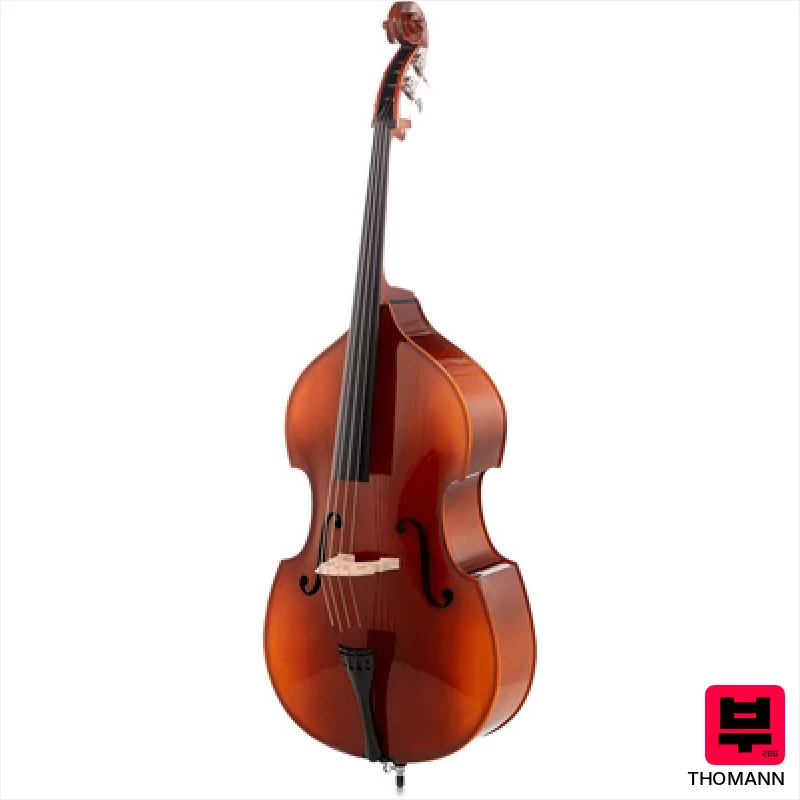
Thomann 33 1/4 Europe Double Bass
- • Solid spruce top delivers a surprisingly resonant and mature tone for a 1/4 size.
- • European craftsmanship ensures a generally solid build quality and attention to detail.
- • Tyrolean machine heads offer smoother tuning than many budget basses.
- • Ebony fingerboard provides a comfortable playing surface and good note definition.
- • 1/4 size limits its suitability for taller or more advanced players; feels cramped.
- • Solid maple back, while structurally sound, might lack the tonal complexity of a figured maple back.
- • D'Addario Prelude strings are serviceable but a worthwhile upgrade for enhanced tone.
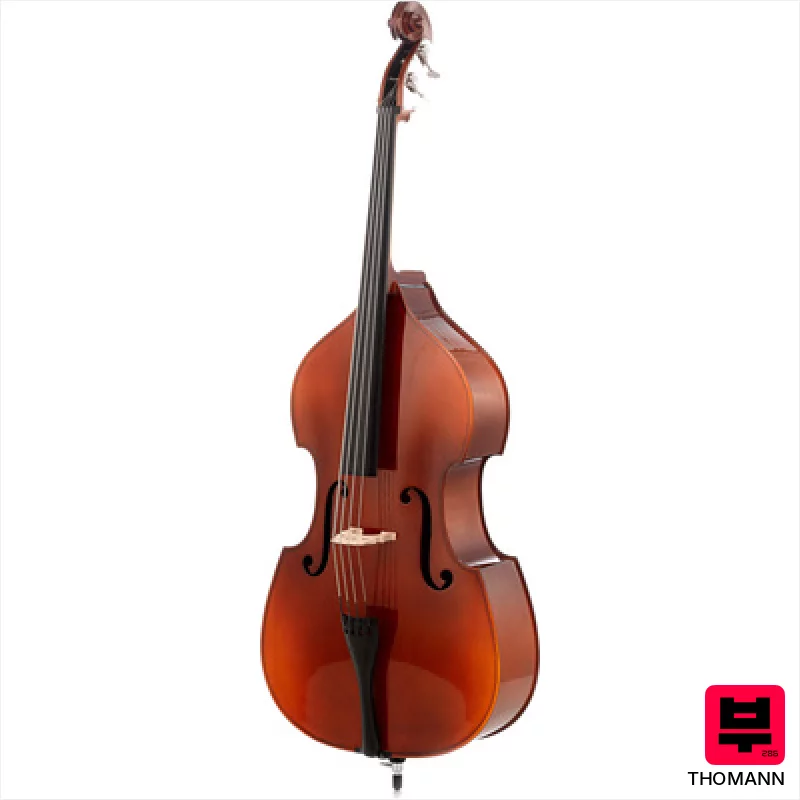
Thomann 11 1/10 Europe Double Bass
- • European workshop setup ensures a playable instrument out of the box
- • Laminated maple back provides good projection for a student bass
- • Ebony fingerboard offers a smooth playing experience and durability
- • Tyrolean machine heads offer reliable tuning stability for beginners
- • Laminated construction limits tonal complexity compared to solid wood models
- • 1/10 size is restrictive for taller players or those needing a full-scale feel
- • D'Addario Prelude strings are serviceable but may be upgraded for better tone

Stentor SR1438 Double Bass 1/2
- • Solid spruce top delivers a surprisingly warm, resonant tone for a student bass
- • Maple back and sides offer good projection and structural stability
- • Ebony fingerboard provides a smooth playing surface, aiding intonation
- • German workshop setup ensures basic playability right out of the box
- • 1/2 size is best suited for younger or smaller players; may feel cramped for adults
- • Included bow is functional, but a higher-quality bow will significantly improve tone
- • Solid wood construction makes it susceptible to changes in humidity and temperature
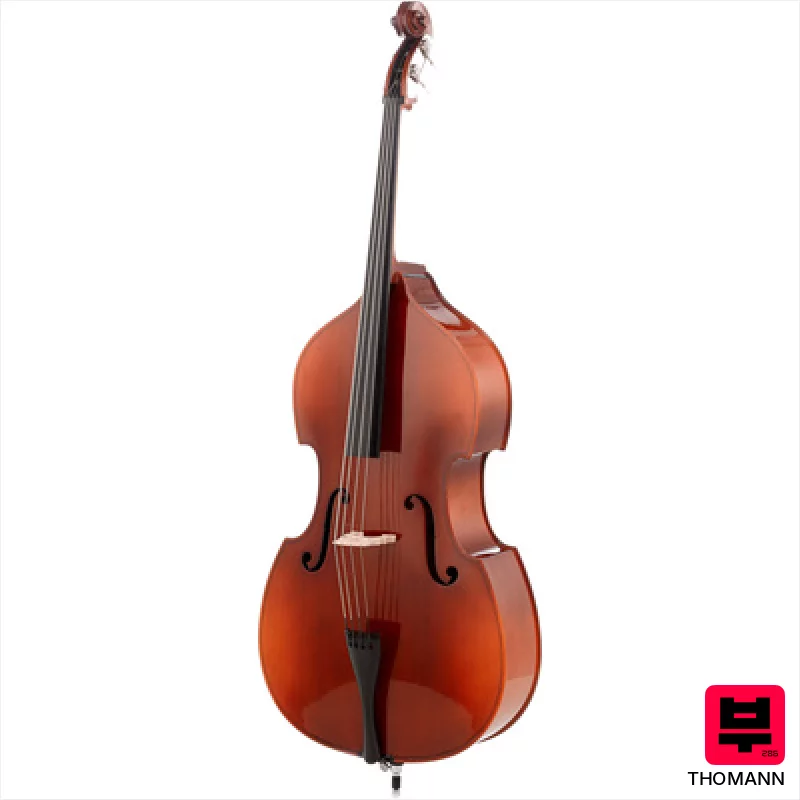
Thomann 11 1/8 Europe Double Bass
- • Solid spruce top delivers surprisingly warm, resonant tone for its class
- • German craftsmanship ensures good build quality and consistent playability
- • Ebony fretboard offers a smooth playing surface, resisting wear
- • Height-adjustable endpin allows for comfortable playing for various heights
- • Laminated back and sides limit potential for complex overtones and projection
- • 1/8 size is strictly for younger or smaller players, limiting long-term use
- • Tyrolean machine heads can feel a bit stiff compared to higher-end tuners
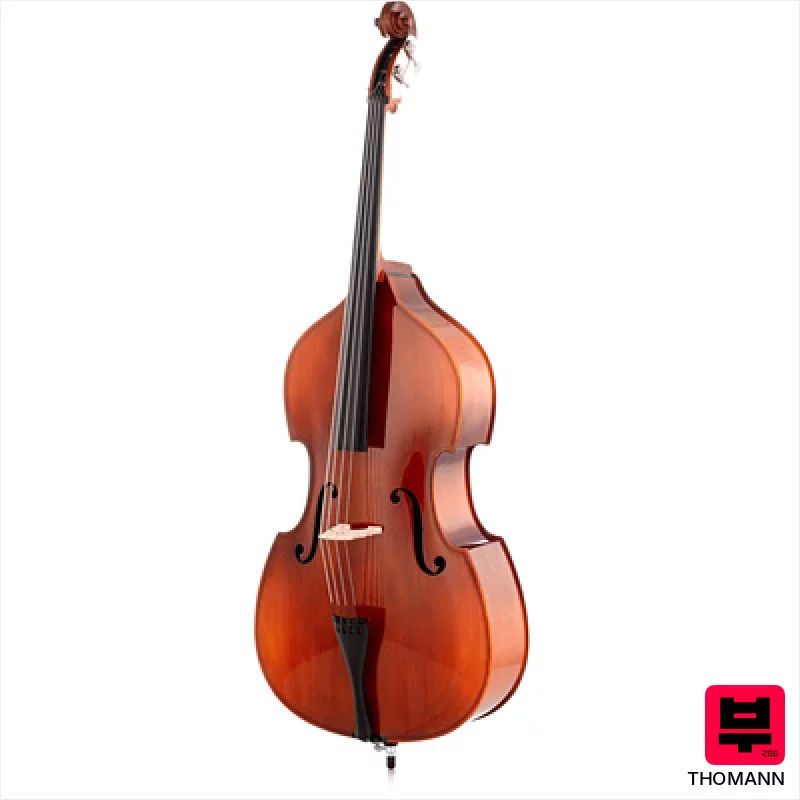
Thomann 22 1/8 Europe Double Bass
- • Solid spruce top provides a responsive, bright fundamental tone.
- • European craftsmanship generally indicates good attention to detail and quality control.
- • Ebony fingerboard offers a smooth playing surface and good durability.
- • Tyrolean machine heads allow for stable and precise tuning adjustments.
- • Semi-solid construction may lack the complex overtones of a fully hollow body.
- • 1/8 size is strictly for younger or smaller players; limited growth potential.
- • Laminated maple back, while functional, won’t resonate as richly as solid wood.

Gewa Premium Line Solid Top DB 1/4
- • Solid spruce top delivers a surprisingly resonant and mature tone.
- • Individual brass machine heads offer smooth, precise tuning adjustments.
- • Ebony fretboard provides a comfortable playing surface and excellent note definition.
- • Hand-applied dark brown varnish is visually appealing and protects the wood.
- • 1/4 size limits its suitability for taller or more experienced players.
- • Laminated back and sides, while cost-effective, slightly dampen high-end projection.
- • The 'slightly antique' finish might not appeal to players seeking a pristine aesthetic.

Thomann 22 1/4 Europe Double Bass
- • Solid spruce top delivers a surprisingly resonant and mature tone for a student bass
- • Laminated maple back provides stability and projects well, avoiding overly brittle sound
- • Tyrolean machine heads offer smooth tuning and a classic aesthetic touch
- • Pre-installed D’Addario Prelude strings are a reliable, quality starting point for a young player
- • The 1/4 size is strictly for younger or smaller students; growth room is limited
- • Laminated back construction, while stable, won’t match the tonal complexity of all-solid instruments
- • Ebony fingerboard, while durable, might feel slightly less refined compared to higher-end options
How to Choose the Best Child/Youth Double Basses
Durability
These basses will get knocked around. Solid wood construction (even if it's not premium tonewoods) is crucial. Cheap laminate basses often crack under pressure - literally. Look for reinforced corners and a robust finish.
Scale Length
Most youth basses are 3/4 size, but some programs might need 1/2 or even 1/4. Make sure the scale length matches the student's arm reach; an awkward reach leads to bad posture and injury.
Action & Neck Profile
Lower action (string height) is easier on young fingers, but too low and you'll get buzzing. A comfortable, slim neck profile encourages good technique and reduces fatigue. This is where setup is absolutely critical.
Tonal Response
We're not expecting concert-hall sound, but the bass needs to be responsive across the range. A muddy low-end or an overly bright, brittle tone will hinder development. Look for something with a decent fundamental and a little bit of warmth.
Bridge & Soundpost
These are the heart of the bass's tone. A poorly fitted soundpost or a cheap bridge can make even a good bass sound awful. Ideally, get a luthier to check and adjust these after purchase.
Buying Guide
Don't chase the "best" sounding bass - chase the most playable and most durable. Corner-cutting on student instruments often means a flimsy neck, a poorly fitted bridge, and a finish that'll crack at the first drop. Spending a little more on a bass that's been properly set up by a luthier will yield far better results than buying the "top-rated" model online that needs a complete overhaul.
Our Methodology
We're not just looking at spec sheets here. We've put these basses through the ringer - classroom testing with students of varying skill levels, gigging scenarios (yes, we've had them play a few school events), and A/B comparisons against each other. We're listening for that sweet spot between affordability, playability, and tone, because a student's frustration with a poorly made instrument will kill their enthusiasm faster than anything.

