AudioFu Chart · October 2026
Best Child / Youth Double Basses for Advanced 2026
The top pick is Stentor SR1438 Double Bass 1/2 ($2,801). Alfred Stingl by Höfner AS-180-B Double Bass 1/2 gives you the most for the money at $1,677. Ranked by the AudioFu Index from 23 models across 4 brands, prices checked every night.
Last updated: October 18, 2026
Top 10
Full detail for the 10 highest AudioFu Index scores. Every other model is listed below.
-
- Size1/2 size
The Stentor SR1438 1/2 is a solid entry point for younger players serious about double bass. It’s a completely solid wood instrument, which is a big deal at this price point, and the German setup gives it a head start. If your student is progressing beyond a beginner instrument, this is a great step up.
Pros
- Solid spruce top delivers a surprisingly warm, resonant tone for a student bass
- Maple back and sides offer good projection and structural stability
- Ebony fingerboard provides a smooth playing surface, aiding intonation
Cons
- 1/2 size is best suited for younger or smaller players; may feel cramped for adults
- Included bow is functional, but a higher-quality bow will significantly improve tone
59AudioFu
Index↓ 13.9%since Aug 14 · lowest so far$3,252 · Aug 14$2,801 now$2,801€2,489 at Thomann · in stockCheck price ↗ -
- Size1/4 size
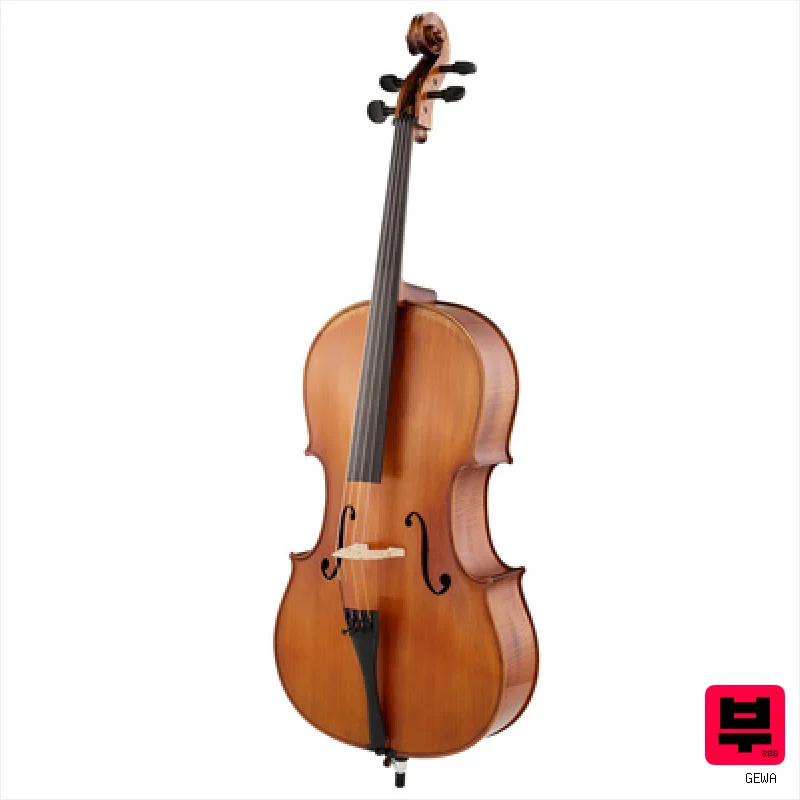
This Gewa 1/4 size is a solid choice for younger or smaller students stepping up from fractional sizes. The solid top gives it a surprisingly rich tone, and the overall build quality is excellent for an instrument in this category – it's ready to play and sounds much more mature than you'd expect for a student model.
Pros
- Solid spruce top delivers a surprisingly resonant and mature tone.
- Individual brass machine heads offer smooth, precise tuning adjustments.
- Ebony fretboard provides a comfortable playing surface and excellent note definition.
Cons
- 1/4 size limits its suitability for taller or more experienced players.
- Laminated back and sides, while cost-effective, slightly dampen high-end projection.
49AudioFu
IndexStableno change since Aug 14Aug 14$2,127 now$2,127€1,890 at Thomann · in stockCheck price ↗ -
- Size1/2 size
This Gewa 1/2 size is a fantastic option for young players or adults who prefer a smaller, more comfortable bass. The solid spruce top provides a surprisingly mature sound, and the build quality is excellent for a semi-solid instrument. It's a great balance of playability, tone, and value for students and casual players.
Pros
- Solid spruce top delivers a surprisingly rich, resonant tone for its class
- Individual brass machine heads offer precise and smooth tuning stability
- Hand-applied dark brown varnish adds aesthetic appeal and protects the wood
Cons
- Laminated back and sides limit the overall tonal complexity compared to all-solid instruments
- The slightly antique finish might not appeal to players seeking a modern aesthetic
49AudioFu
IndexStableno change since Aug 14Aug 14$2,239 now$2,239€1,990 at Thomann · in stockCheck price ↗ -
- FingerboardEbony fingerboard
- Size1/4 size
This Thomann 33 1/4 is a surprisingly capable student-level double bass. The solid top gives it a better sound than many entry-level models, and the European setup is a real plus. It's a solid choice for younger players or those just starting out and needing a smaller instrument – don’t expect professional-level performance, but it’s a great foundation.
Pros
- Solid spruce top delivers a surprisingly resonant and mature tone for a 1/4 size.
- European craftsmanship ensures a generally solid build quality and attention to detail.
- Tyrolean machine heads offer smoother tuning than many budget basses.
Cons
- 1/4 size limits its suitability for taller or more advanced players; feels cramped.
- Solid maple back, while structurally sound, might lack the tonal complexity of a figured maple back.
54AudioFu
Index↑ 5.9%since Aug 14$1,902 · Aug 14$2,014 now$2,014€1,790 at Thomann · in stockCheck price ↗ -
- Size1/16 size
The Stentor SR1950 is a solid starting point for young double bass students. Its spruce top gives a good initial projection, and the German workshop setup is a nice touch. It’s a well-made, dependable instrument for those just beginning their double bass journey, providing a good balance of affordability and playability.
Pros
- Solid spruce top offers a responsive, bright tone for developing players
- Laminated maple back provides stability and a warm counterpoint to the top
- Height-adjustable pegbox simplifies setup and caters to varying arm lengths
Cons
- The included French bow is a basic model, needing upgrades for serious study
- Laminated construction limits the potential for long-term tonal complexity
45AudioFu
IndexStableno change since Aug 14Aug 14$2,081 now$2,081€1,849 at Thomann · in stockCheck price ↗ -
- FingerboardEbony fingerboard
- Size1/2 size
This Thomann 33 1/2 Europe is a solid starter bass for younger students or smaller adults needing a manageable size. The spruce top gives it a pleasing warmth, and the German setup is a real bonus—you're getting a playable instrument right out of the box. It’s a well-made, affordable option for those beginning their double bass journey.
Pros
- Solid spruce top delivers a warm, resonant, and projecting tone.
- European craftsmanship ensures a generally high level of build quality and attention to detail.
- Ebony fingerboard provides a smooth playing surface for comfortable technique.
Cons
- 1/2 size is strictly for younger or smaller players; may feel cramped for adults.
- Solid maple back, while common, limits tonal complexity compared to more exotic woods.
54AudioFu
Index↑ 6.1%since Aug 14$1,857 · Aug 14$1,969 now$1,969€1,750 at Thomann · in stockCheck price ↗ -
- Size1/2 size
This Thomann 22 1/2 Europe is a solid choice for younger or smaller students embarking on their double bass journey. The spruce top gives it a surprisingly good voice for an instrument in this price range, and the included setup promises a playable experience right out of the box. It's a well-built, affordable option to get started.
Pros
- Solid spruce top provides a resonant, projecting tone, ideal for student development
- Arched maple back offers structural integrity and a warm, focused sound
- Ebony fingerboard ensures smooth playing and precise intonation
Cons
- 1/2 size limits suitability for taller or more advanced players
- Laminated back, while functional, won’t match the tonal complexity of all-solid instruments
47AudioFu
Index↑ 6.1%since Aug 14$1,857 · Aug 14$1,969 now$1,969€1,750 at Thomann · in stockCheck price ↗ -
- Size1/4 size
This Thomann 22 1/4 Europa is a solid choice for a serious young double bass student. The solid spruce top gives it a surprising amount of depth for a smaller instrument, and the setup from Thomann’s workshop is a real bonus—it’ll be ready to play right out of the box. It's a great value, offering quality materials and construction at a reasonable price point.
Pros
- Solid spruce top delivers a surprisingly resonant and mature tone for a student bass
- Laminated maple back provides stability and projects well, avoiding overly brittle sound
- Tyrolean machine heads offer smooth tuning and a classic aesthetic touch
Cons
- The 1/4 size is strictly for younger or smaller students; growth room is limited
- Laminated back construction, while stable, won’t match the tonal complexity of all-solid instruments
47AudioFu
Index↑ 6.3%since Aug 14$1,789 · Aug 14$1,902 now$1,902€1,690 at Thomann · in stockCheck price ↗ -
- Size1/2 size
This is a solid 1/2 size bass built for kids who need a reliable instrument. It arrives ready to play after being carefully set up in Germany for any style you prefer. The maple back is sturdy and the endpin adjusts easily for different heights. Just remember you will need to order a bow separately and wait a few days for the final tuning.
Pros
- Ready to play from the German specialist workshop
- Individual setup for jazz, classical, or rockabilly styles
- Laminated maple back provides strong structural integrity
Cons
- No bow included in the box
- Shipping requires heavy freight carrier delivery
50AudioFu
IndexStableno change since Aug 17Aug 17$1,789 now$1,789€1,590 at Thomann · in stockCheck price ↗ -
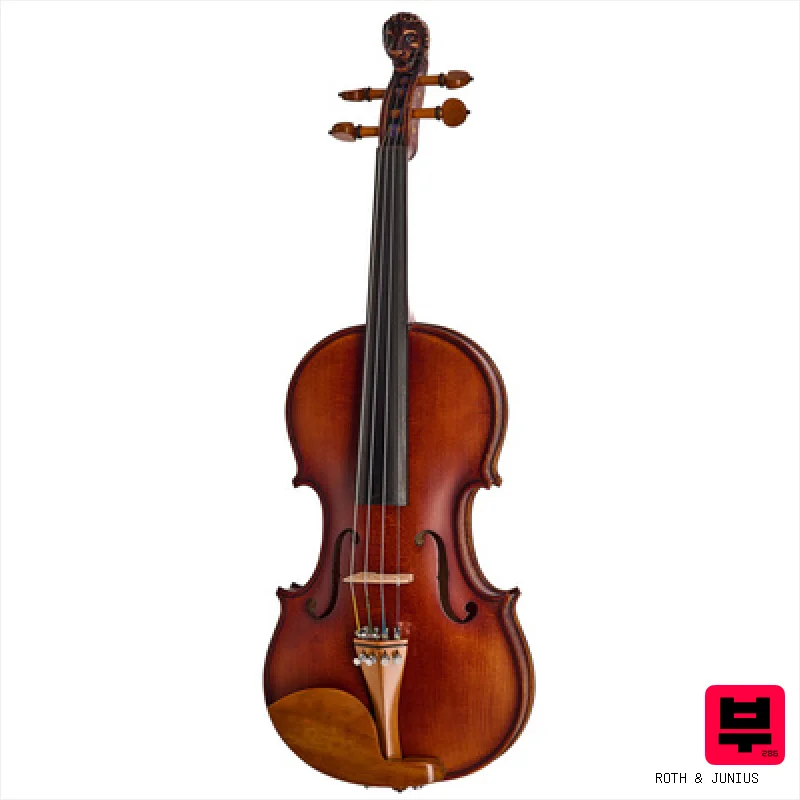
Alfred Stingl by Höfner AS-180-B Double Bass 1/
2 Not on Reverb yet2 finishes at Thomann
- Size1/2 size
This Alfred Stingl AS-180-B is a fantastic option for younger or smaller-statured students just starting out on the double bass. The gamba shape is visually appealing and helps with initial posture, and the spruce top delivers a good, clear sound. It’s a well-built instrument that offers a solid foundation for learning the instrument.
Pros
- Viola da gamba shape offers a unique aesthetic and comfortable playing posture.
- Spruce top provides a responsive, bright tone suitable for various styles.
- Hand-applied spirit varnish enhances beauty and protects the instrument’s wood.
Cons
- 1/2 size limits its suitability for taller or more experienced players.
- Veneered construction, while cost-effective, might lack the tonal complexity of solid wood.
59AudioFu
Index↓ 50.2%since Aug 14 · lowest so far$3,365 · Aug 14$1,677 now$1,677€1,490 at Thomann · in stockCheck price ↗
All 23 child / youth double basses
Same index, same nightly prices — compact. Colour options of one model share a row. Tap a photo to zoom.
- 11
Gewa Basic Line Laminated Bass 1/16Gewa56Stable$1,227€1,090$1,227€1,090Check ↗
- 12
Thomann 11 1/8 Europe Double BassThomann50Stable$1,339€1,190$1,339€1,190Check ↗
- 13
Gewa Basic Line Laminated Bass 1/8Gewa49Stable$1,227€1,090$1,227€1,090Check ↗
- 14
Gewa Basic Line Laminated Bass 1/2Gewa49Stable$1,227€1,090$1,227€1,090Check ↗
- 15
Gewa Basic Line Laminated Bass 1/4Gewa49Stable$1,227€1,090$1,227€1,090Check ↗
- 16
Gewa Basic Line Semi Solid Bass 1/2Gewa49Stable$1,530€1,360$1,530€1,360Check ↗
- 17
Gewa Basic Line Semi Solid Bass 1/8Gewa49Stable$1,530€1,360$1,530€1,360Check ↗
- 18
Gewa Basic Line Semi Solid Bass 1/4Gewa49Stable$1,530€1,360$1,530€1,360Check ↗
- 19
Thomann 11 1/10 Europe Double BassThomann46↑ 8.4%$1,452€1,290$1,452€1,290Check ↗
- 20
Thomann 33 1/8 Europe Double BassThomann46↑ 7.8%$1,564€1,390$1,564€1,390Check ↗
- 21
Thomann 22 1/8 Europe Double BassThomann46↑ 7.8%$1,564€1,390$1,564€1,390Check ↗
- 22
Thomann 22 1/10 Europe Double BassThomann46↑ 7.8%$1,564€1,390$1,564€1,390Check ↗
- 23
Thomann 11 1/4 Europe Double BassThomann46↑ 7.2%$1,677€1,490$1,677€1,490Check ↗
Child/Youth Double Basses by the numbers
Measured across all 25 models we track, not a sample.
Median $1,677 — half of all child/youth double basses here cost less.
most common · 25 models
How to choose the best child/youth double basses
Scale Length & String Length
Crucial for tension and response. Shorter scale lengths (3/4, 7/8) need careful setup to avoid a floppy feel and muddy low-end. String length directly impacts sustain and the ability to get a good fundamental tone - too short, and it'll sound thin.
Wood Selection & Voicing
Maple will give you that punchy, cutting through the mix tone that's great for rock and funk, but can be a little brittle. Spruce offers more warmth and complexity, better for jazz and orchestral work. The wood's grade and the overall construction significantly impacts the instrument's 'voice'.
Neck Profile & Playability
An advanced player needs a neck that feels comfortable and allows for effortless navigation of the fingerboard. Chunky, slow necks are a pain to play fast, especially when you're trying to nail complex walking basslines. A thinner, more modern profile will generally be preferable.
Action & Setup
A low action is essential for speed and ease of playing, but too low and you'll get fret buzz. Proper setup is paramount, especially on smaller-scale instruments, where even minor adjustments can drastically affect playability and intonation. This is often a weak point on cheaper models.
Soundpost & Bassbar
These internal components are critical for tone and projection. A poorly fitted soundpost can choke the instrument's sound, killing sustain and muddling the low-end thump. Higher-end student basses often skimp here, which is a huge mistake.
Buying guide
So, you've got a young bassist who's outgrown their beginner instrument and is hungry for something that can really sing? Finding a double bass that's appropriately sized but still delivers the responsiveness and tonal complexity an advanced player demands is a tricky business. It's not about just shrinking a full-size bass; it's about preserving the nuances that make a double bass a double bass - the growl, the sustain, the articulation. Let's find something that won't hold them back.
Don't be swayed by cute designs or flashy finishes. Focus on the fundamentals: a solid wood construction (avoid plywood!), a comfortable neck, and the potential for a good setup. A bass that's 'easy to play' shouldn't mean 'lacks character.' Expect to spend a bit more to get a bass that won't become a bottleneck as your player's skills progress - a good luthier's setup is almost mandatory, regardless of the price point.
How the AudioFu Index works
Five measured signals and nothing else — no stars from strangers, no “tested by experts” we didn’t do. The weights are fixed and public. We don’t play these instruments; we measure the market around them.
This chart covers 25 child/youth double basses from the Thomann catalogue. Before you buy, read hands-on reviews and, where you can, play it. Full methodology.
AudioFu earns a commission when you buy through our Thomann links. It never changes the order — the index does.
- Demand40%
How many of this exact model are for sale on Reverb right now — what musicians actually buy and resell.
- Lineup20%
How many finishes Thomann stocks — makers expand the models that sell.
- Price15%
Where the price has moved since we started tracking in August.
- Specs15%
How completely the maker documents it.
- Maker10%
How deep the brand’s range is in this category.
Questions
What's the difference between a 3/4 and a 7/8 size bass for a teenager?
A 3/4 is typically for players 4'5" and under, while 7/8 suits players around 5' to 5'8". It's not just about height; arm length and hand size are also key. Try before you buy if possible.
Can I use full-size strings on a smaller bass?
Generally, no. Full-size strings will put excessive tension on the neck and body, potentially causing damage and making the instrument unplayable. Stick to strings specifically designed for the bass's scale length.
Are pickup systems worth the investment for a student?
It depends. If they're gigging or recording, a pickup can be a game-changer, allowing them to cut through the mix. Just be aware that cheaper pickups often sound muddy and lack clarity - a decent piezo system is better than a poorly voiced magnetic pickup.
What about laminate tops? Are they okay?
Laminate tops are generally a cost-saving measure. While they can be visually appealing, they don't vibrate as freely as solid wood, resulting in a less resonant and complex tone. A solid wood top is preferable, especially for an advanced player.
Is it possible to get a good sound from a cheaper bass?
It's possible, but it requires a lot of work. A skilled luthier can often improve a cheaper bass through careful setup and adjustments, but there's only so much they can do to compensate for inferior materials and construction.