AudioFu
AudioFu Chart · October 2026
Best Bass Traps Under $300 2026
The top pick is t.akustik Tube Trap BK ($223). t.akustik CBT-37 Melamine WH gives you the most for the money at $88. Ranked by the AudioFu Index from 28 models across 4 brands, prices checked every night.
Last updated: October 14, 2026
Top 10
Full detail for the 10 highest AudioFu Index scores. Every other model is listed below.
-
- Weight13.6 kg
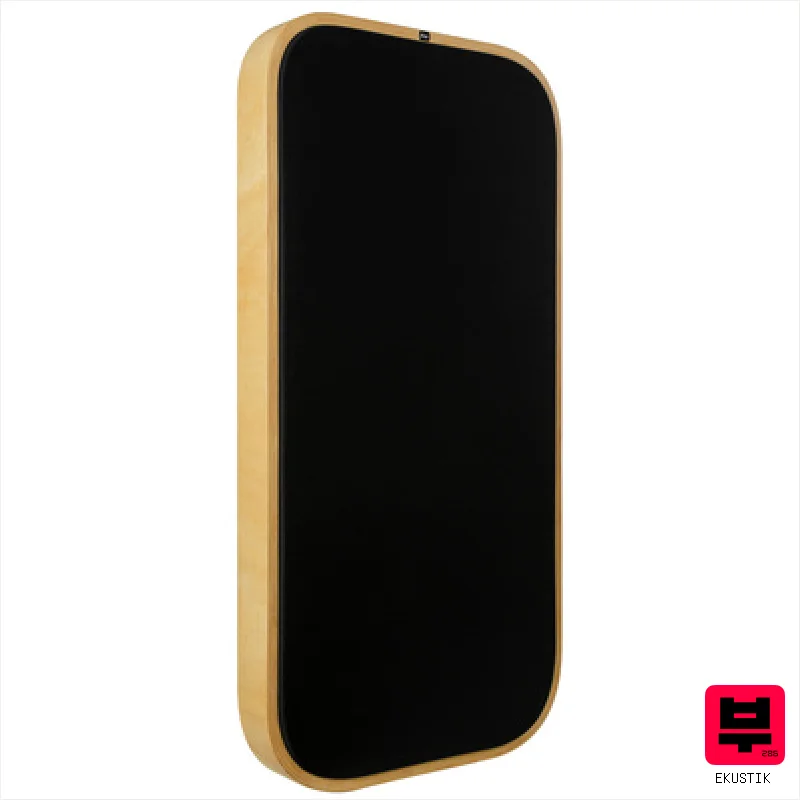
The t.akustik Tube Trap BK is a solid choice for project studios or smaller home theaters battling bass buildup. Its density and construction give it real impact, and the wood finish elevates its appearance beyond typical foam bass traps. It's a practical solution for taming low-end resonances without a huge investment.
Pros
- Dense 40 kg/m³ foam provides genuinely effective low-frequency damping.
- Flame retardant construction (FMVSS 302) offers peace of mind for studio safety.
- Natural colour lacquer finish adds a touch of visual refinement to the space.
Cons
- Size and weight (13.6kg) make placement a two-person job, potentially awkward.
- Black fabric covering might not suit all room aesthetics, limiting visual flexibility.
58AudioFu
IndexStableno change since Aug 14Aug 14$223 now$223€199 at Thomann · in stockCheck price ↗ -
The Spectrum 2 L10C is a solid, well-built bass trap that’ll tame those unruly low frequencies in smaller home studios or project rooms. The membrane tech is a smart move for boosting bass absorption without excessive thickness, and the fire-safe materials are a real bonus. It's a great choice for bedroom producers, podcasters, or anyone needing to clean up their low-end without spending a fortune.
Pros
- Robust 100% polyester core resists compression and deformation.
- Membrane Layer Technology noticeably improves low-frequency absorption.
- Flexi mounting system offers versatile wall and ceiling placement.
Cons
- The blue color may not suit all studio aesthetics.
- Requires separate purchase of mounting hardware, adding to overall cost.
56AudioFu
Index↓ 21.4%since Aug 14 · lowest so far$178 · Aug 14$140 now$140€125 at Thomann · in stockCheck price ↗ -
- Weight1.18 kg
This little cube is a great starter for treating a nursery or small bedroom. The melamine foam does a solid job soaking up bass, and the fire safety gives peace of mind. Just remember you need to buy the extra kit if you plan to hang it from the ceiling.
Pros
- Melamine foam traps low bass frequencies effectively.
- Fabric covers zip off for easy cleaning.
- Strong fire safety rating meets EN standards.
Cons
- No specific noise reduction rating listed.
- Requires separate purchase for ceiling mounting.
50AudioFu
IndexStableno change since Aug 17Aug 17$200 now$200€179 at Thomann · in stockCheck price ↗ -
- Weight1.18 kg
This blue cube is great for kids' rooms because it soaks up bass without looking too big. You can unzip the cover to wash it, and the foam is fire-safe. Just remember you need to buy the separate mounting kit if you hang it from the ceiling. It's a simple, safe tool for quieter spaces.
Pros
- Melamine foam handles low bass frequencies effectively.
- Zipper design lets you clean the fabric easily.
- Flame retardant rating meets strict safety standards.
Cons
- No NRC rating listed for absorption performance.
- Ceiling mounting requires a separate optional kit.
50AudioFu
IndexStableno change since Aug 17Aug 17$200 now$200€179 at Thomann · in stockCheck price ↗ -
- Weight10.7 kg
The HOFA Basstrap 104 Black is a seriously effective bass trap, built like a tank and surprisingly versatile. It’s a great solution for home studios, listening rooms, or anywhere you’re battling room modes and muddy low-end—especially if you’re on a budget and need something portable and stackable. The natural fibre fill prevents that overly dry, lifeless sound you sometimes get with other traps.
Pros
- Solid multiplex wood construction provides excellent stability and resonance.
- Natural fibre fill offers a balanced absorption profile, avoiding the deadening of mid-high frequencies.
- Stackable design with substantial weight capacity allows for flexible room configurations.
Cons
- The 10.7 kg weight makes repositioning a two-person job, especially on carpeted floors.
- Black textile covering, while aesthetically pleasing, may be prone to dust accumulation.
-
These t.akustik CBT-37s are a solid entry-level bass trap solution. The Basotect melamine is a proven performer, especially for taming those muddy low-mids in smaller home studios or rehearsal spaces. They're a great starting point for anyone looking to improve their room’s acoustics without a massive investment.
Pros
- Basotect melamine offers excellent broadband absorption.
- Euroclass B-s1, d0 fire rating provides peace of mind.
- 600mm depth effectively tackles low-mid frequencies.
Cons
- Melamine foam can be brittle and prone to damage.
- Absorption coefficient drops significantly below 600 Hz.
48AudioFu
Index↓ 20.2%since Aug 14 · lowest so far$111 · Aug 14$88 now$88€79 at Thomann · in stockCheck price ↗ -
- Weight10.7 kg
The HOFA Basstrap 104 Royal is a seriously well-built bass trap. The natural fibre fill really does a great job of taming those low-end resonances that plague smaller studios and listening rooms – it’s a game changer for serious home recordists and audiophiles wanting cleaner bass reproduction.
Pros
- Natural fibre fill provides excellent broadband absorption.
- Multiplex wood construction ensures robust build quality and stability.
- Royal Blue textile covering is aesthetically pleasing and durable.
Cons
- Weight (10.7kg) makes single-person handling challenging.
- Limited colour options restrict aesthetic integration.
-
- Weight5.8 kg
The HOFA Basstrap 52 Grey is a clever little bass trap – surprisingly effective for its size and price. It's perfect for smaller project studios, home recording setups, or audiophile listening rooms needing a targeted bass response improvement. The build quality is solid, and the design allows for some creative placement.
Pros
- Natural fiber fill provides surprisingly effective broadband absorption
- Multiplex wood panels add rigidity and a touch of visual class
- Stackable design offers flexible placement and storage options
Cons
- Relatively heavy for its size, making repositioning a bit cumbersome
- Grey color might not suit all studio aesthetics
-
- Weight10.7 kg
The HOFA Basstrap 104 is a seriously well-built bass trap. The natural fibre fill really works, taming those troublesome room modes without sounding boxy. It’s a great solution for smaller recording studios, home theaters, or anyone needing to clean up low-end muddiness – especially if you’re on a budget and need something that can double as a speaker stand.
Pros
- Natural fibre fill delivers surprisingly effective, even bass absorption.
- Anthracite textile exterior blends well with most studio aesthetics.
- Multiplex wood panels provide robust construction and stability.
Cons
- The weight (10.7kg) makes repositioning a two-person job.
- Anthracite color might be too dark for some room aesthetics.
-
- Weight10.7 kg
The HOFA Basstrap 104 Bordeaux is a seriously effective bass trap, built like a tank with quality materials. It's a great choice for smaller recording studios, home offices, or listening rooms where you're battling that muddy low-end drone. Just be prepared to wrestle with its weight!
Pros
- Natural fibre fill provides excellent, broadband absorption.
- Bordeaux textile exterior offers a refined, aesthetically pleasing look.
- Multiplex wood panels add rigidity and enhance structural integrity.
Cons
- Significant weight (10.7kg) makes repositioning a two-person job.
- Bordeaux color might not suit all studio aesthetics or client preferences.
All 28 bass traps
Same index, same nightly prices — compact. Colour options of one model share a row. Tap a photo to zoom.
- 11
HOFA Basstrap 104 GreyHOFA45↑ 7.0%$256€229$256€229Check ↗
- 12
t.akustik Highline CBT2 Gloss Whitet.akustik · 4 finishes43↓ 2.7%$162€145$162€145Check ↗
- 13
t.akustik Highline CBT1 Gloss Whitet.akustik · 4 finishes42Stable$88€79$88€79Check ↗
- 14
EQ Acoustics S15 CreamEQ Acoustics · 4 finishes42Stable$279€249$279€249Check ↗
- 15
EQ Acoustics S10C Bass Trap Light SmokeEQ Acoustics · 2 finishes38Stable$189€169$189€169Check ↗
- 16
HOFA Basstrap 52 WhiteHOFA · 3 finishes36↑ 6.3%$189€169$189€169Check ↗
- 17
t.akustik AC-37t.akustik35Stable$73€65$73€65Check ↗
- 18
t.akustik Kids Line Cube BL 300t.akustik35Stable$111€99$111€99Check ↗
- 19
t.akustik Kids Line Cube RD 300t.akustik35Stable$111€99$111€99Check ↗
- 20
t.akustik Melamine Cornertube 480 GRt.akustik35Stable$218€195$218€195Check ↗
- 21
EQ Acoustics Project Corner Cubes greyEQ Acoustics34Stable$77€69$77€69Check ↗
- 22
t.akustik LF-D 60 Bass Trap Halifax oakt.akustik34↑ 2.2%$211€189$211€189Check ↗
- 23
HOFA Basstrap 52 BordeauxHOFA31↑ 3.8%$185€165$185€165Check ↗
- 24
HOFA Basstrap 52 AnthrazitHOFA30↑ 6.3%$189€169$189€169Check ↗
- 25
EQ Acoustics Project Corner Traps greyEQ Acoustics29↑ 12.7%$100€89$100€89Check ↗
- 26
Auralex Acoustics Lenrd Bass Traps Charcoal 4Auralex Acoustics29Stable$267€239$267€239Check ↗
- 27
Auralex Acoustics Lenrd Bass Traps PurpleAuralex Acoustics29Stable$267€239$267€239Check ↗
- 28
Auralex Acoustics 4" CornerFill Set CharcoalAuralex Acoustics20↓ 9.2%$111€99$111€99Check ↗
Bass Traps by the numbers
Measured across all 59 models we track, not a sample.
Median $189 — half of all bass traps here cost less.
median of 15 models · 1.18 kg–13.6 kg
How to choose the best bass traps
Frequency Absorption
This is the big one. You want traps that genuinely soak up those problem frequencies - typically 100Hz and below, but ideally extending higher for a cleaner overall sound. Cheap traps often just scatter the waves, not absorb them.
Construction Quality
MDF density and fabric weave matter. Thin, flimsy MDF will vibrate and color the sound, while cheap fabric might not be acoustically transparent. You're looking for something that feels solid and well-built, even if it's not premium.
Size & Placement
A single, massive trap is better than four tiny ones. Corner placement is key, but consider using them along walls and ceilings for broader coverage. Smaller traps will be less effective overall.
Air Gap Design
Many budget traps use an air gap behind the absorptive material to extend their low-frequency performance. The effectiveness of this design varies wildly - some are well-engineered, others are just for show.
Overall Impact on Room Tone
It's not just about removing the bad stuff; good bass traps can also subtly improve the overall warmth and naturalness of a room's tone, adding a touch of pleasant sustain without muddiness.
Buying guide
Look, we all know that low-end mud can ruin a recording or make a rehearsal sound like a washing machine full of subs. Bass traps aren't a luxury, they're a necessity, even if you're just practicing in a bedroom. Finding decent ones under $300? It's doable, but you gotta know what to look for - we're gonna break down the best bang-for-your-buck options.
At this price point, you're making compromises. Expect thinner MDF, potentially less effective air gap designs, and less premium fabric. Don't expect miracles - these aren't going to transform a shoebox into a world-class studio.
Focus on traps that actually absorb low frequencies, not just look pretty, and prioritize placement over quantity. More traps, strategically placed, will almost always beat fewer, bigger ones.
How the AudioFu Index works
Five measured signals and nothing else — no stars from strangers, no “tested by experts” we didn’t do. The weights are fixed and public. We don’t play these instruments; we measure the market around them.
This chart covers 59 bass traps from the Thomann catalogue. Before you buy, read hands-on reviews and, where you can, play it. Full methodology.
AudioFu earns a commission when you buy through our Thomann links. It never changes the order — the index does.
- Demand40%
How many of this exact model are for sale on Reverb right now — what musicians actually buy and resell.
- Lineup20%
How many finishes Thomann stocks — makers expand the models that sell.
- Price15%
Where the price has moved since we started tracking in August.
- Specs15%
How completely the maker documents it.
- Maker10%
How deep the brand’s range is in this category.
Questions
Are these traps going to completely fix my room?
Nope. Bass traps are a crucial piece of the puzzle, but they're not a magic bullet. Room shape, speaker placement, and overall acoustic treatment all play a role. Think of them as a significant upgrade, not a complete solution.
What's the difference between a bass trap and a diffuser?
Bass traps absorb low frequencies, reducing reflections. Diffusers scatter sound waves, creating a more spacious feel. You need both for a balanced acoustic environment.
Can I just build my own?
Sure, you can. But building traps that perform as well as even budget-friendly commercial options requires skill, tools, and a good understanding of acoustics. It's easy to waste money and end up with something that doesn't work.
How many bass traps do I need?
It depends on your room size and shape. As a general rule, aim for at least one trap per corner, and consider treating walls and ceilings as well. More is generally better, but smart placement is more important than sheer quantity.
What does 'air gap' actually do?
The air gap creates a resonant cavity behind the absorptive material. This effectively extends the trap's lower frequency absorption range, making it more effective at tackling those really low problem frequencies. The depth of the air gap is crucial to its effectiveness.