 AudioFu
AudioFu Chart · October 2026
Best t.akustik Bass Traps 2026
The top pick is t.akustik Tube Trap BD ($223). t.akustik CBT-37 Melamine WH gives you the most for the money at $88. t.akustik Absorber Wall Modular 192-L leads the high end. Ranked by the AudioFu Index from 12 models, prices checked every night.
Last updated: October 14, 2026
Top 10
Full detail for the 10 highest AudioFu Index scores. Every other model is listed below.
-
- Weight13.6 kg
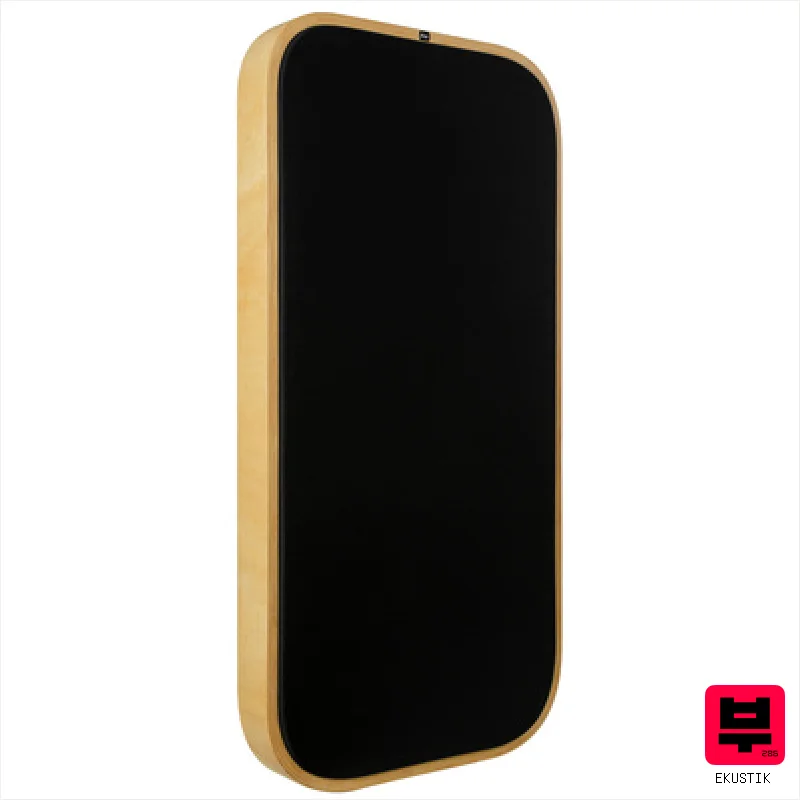
The t.akustik Tube Trap BD is a solid, visually appealing bass trap. It's a great starting point for improving low-end clarity in smaller project studios, home theaters, or rehearsal spaces. The build quality is noticeable, and the natural finish helps it blend into the room without looking sterile.
Pros
- Dense 40kg/m³ foam provides effective, broadband low-frequency absorption.
- Natural lacquer finish elevates aesthetics, suitable for visible room treatment.
- Flame retardant construction (FMVSS 302) ensures safety in recording environments.
Cons
- Bordeaux color may not suit all studio aesthetics; limited color options.
- Significant weight makes installation potentially challenging for a single person.
58AudioFu
IndexStableno change since Aug 14Aug 14$223 now$223€199 at Thomann · in stockCheck price ↗ -
- Weight1.18 kg
This blue cube is great for kids' rooms because it soaks up bass without looking too big. You can unzip the cover to wash it, and the foam is fire-safe. Just remember you need to buy the separate mounting kit if you hang it from the ceiling. It's a simple, safe tool for quieter spaces.
Pros
- Melamine foam handles low bass frequencies effectively.
- Zipper design lets you clean the fabric easily.
- Flame retardant rating meets strict safety standards.
Cons
- No NRC rating listed for absorption performance.
- Ceiling mounting requires a separate optional kit.
50AudioFu
IndexStableno change since Aug 17Aug 17$200 now$200€179 at Thomann · in stockCheck price ↗ -
- Weight1.18 kg
This little cube is a great starter for treating a nursery or small bedroom. The melamine foam does a solid job soaking up bass, and the fire safety gives peace of mind. Just remember you need to buy the extra kit if you plan to hang it from the ceiling.
Pros
- Melamine foam traps low bass frequencies effectively.
- Fabric covers zip off for easy cleaning.
- Strong fire safety rating meets EN standards.
Cons
- No specific noise reduction rating listed.
- Requires separate purchase for ceiling mounting.
50AudioFu
IndexStableno change since Aug 17Aug 17$200 now$200€179 at Thomann · in stockCheck price ↗ -
- Weight7 kg
These t.akustik panels are a solid, budget-friendly option for home studios or rehearsal spaces needing some basic acoustic improvement. The adjustable angles are a nice touch for fine-tuning reflections, but don't expect miracles – they're best used in conjunction with other acoustic treatments for a truly balanced sound. Great for podcasters, streamers, and musicians wanting a quick and easy room upgrade.
Pros
- High-density foam offers respectable broadband absorption.
- Adjustable angles provide flexibility in room shaping.
- Flame retardant construction adds a layer of safety.
Cons
- Bass trapping effectiveness limited by relatively thin profile.
- Modular design necessitates careful assembly and planning.
50AudioFu
IndexStableno change since Aug 14Aug 14$379 now$379€339 at Thomann · in stockCheck price ↗ -
These t.akustik CBT-37s are a solid entry-level bass trap solution. The Basotect melamine is a proven performer, especially for taming those muddy low-mids in smaller home studios or rehearsal spaces. They're a great starting point for anyone looking to improve their room’s acoustics without a massive investment.
Pros
- Basotect melamine offers excellent broadband absorption.
- Euroclass B-s1, d0 fire rating provides peace of mind.
- 600mm depth effectively tackles low-mid frequencies.
Cons
- Melamine foam can be brittle and prone to damage.
- Absorption coefficient drops significantly below 600 Hz.
48AudioFu
Index↓ 20.2%since Aug 14 · lowest so far$111 · Aug 14$88 now$88€79 at Thomann · in stockCheck price ↗ -
These t.akustik CBT2 traps are a solid starting point for taming low-end rumble in smaller home studios or rehearsal spaces. The high-density foam does a commendable job in the critical 80-500Hz range, and the removable screens are a nice touch for adjusting the room's sonic signature. Perfect for budget-conscious musicians and producers seeking noticeable improvement without a massive investment.
Pros
- Dense 40 kg/m³ foam provides excellent low-frequency absorption
- Removable acoustic screens allow for customization and flexibility
- Flame retardant construction adds a layer of safety and peace of mind
Cons
- The 600mm height might be restrictive in smaller rooms
- Anthracite/Gloss White color combination might not suit all aesthetics
43AudioFu
Index↓ 2.7%since Aug 14 · lowest so far$167 · Aug 14$162 now$162€145 at Thomann · in stockCheck price ↗ -
These t.akustik CBT1s are a solid, budget-friendly option for tackling low-mid bass buildup in smaller home studios or rehearsal spaces. The wood finish is a nice touch, and they'll definitely clean up muddiness. They're a great starting point for anyone looking to improve their room’s acoustics without a huge investment.
Pros
- Polyester foam offers reliable, consistent acoustic absorption.
- Wood grain finish elevates aesthetics beyond typical bass traps.
- Effective frequency range addresses common low-midrange issues.
Cons
- 600mm depth may present placement challenges in smaller rooms.
- Polyester foam, while effective, isn’t the highest performing absorption material.
-
These t.akustik AC-37 cubes are a surprisingly affordable way to tame some of the room reflections in a smaller home studio or vocal booth. They're not going to solve serious bass issues, but they’ll noticeably clean up the higher frequencies, which is a huge help for getting a more polished recording. Great for bedroom producers and podcasters on a budget.
Pros
- Excellent price point for a decent amount of coverage
- Polyurethane foam offers a balance of absorption and durability
- The cube design allows for flexible placement and diffusion
Cons
- Limited low-frequency absorption; best for mid and high frequencies
- Foam is susceptible to dust and potential degradation over time
-
This cube is a simple, safe sound trap for nurseries and schools. Its melamine core absorbs low bass while the red fabric looks cheerful. You can zip off the cover to clean it easily. Just remember to buy the extra kit if you want to hang it from the ceiling.
Pros
- Melamine foam core handles low bass frequencies well
- Zipper allows easy fabric removal for cleaning
- Red color adds a cheerful touch to children's rooms
Cons
- No specific NRC rating provided for bass absorption
- Ceiling mounting requires a separate optional kit
-
This little cube is a smart, safe choice for nurseries and schools. The melamine foam eats up those low bass notes, and the zipper makes cleaning a breeze. Just remember you need to buy the ceiling kit separately if you hang it up. It's a solid, budget-friendly tool for quieter rooms.
Pros
- Melamine foam absorbs deep bass frequencies well
- Zipper allows easy removal for cleaning the cover
- Lightweight at only 330 grams for simple handling
Cons
- No NRC rating provided to measure absorption power
- Lacks low frequency absorption test data in text
All 12 bass traps
Same index, same nightly prices — compact. Colour options of one model share a row. Tap a photo to zoom.
Bass Traps by the numbers
Measured across all 77 models we track, not a sample.
Median $167 — half of all bass traps here cost less.
median of 26 models · 1.18 kg–21 kg
How the AudioFu Index works
Five measured signals and nothing else — no stars from strangers, no “tested by experts” we didn’t do. The weights are fixed and public. We don’t play these instruments; we measure the market around them.
This chart covers 24 bass traps from the Thomann catalogue (of 77 in the category). Before you buy, read hands-on reviews and, where you can, play it. Full methodology.
AudioFu earns a commission when you buy through our Thomann links. It never changes the order — the index does.
- Demand40%
How many of this exact model are for sale on Reverb right now — what musicians actually buy and resell.
- Lineup20%
How many finishes Thomann stocks — makers expand the models that sell.
- Price15%
Where the price has moved since we started tracking in August.
- Specs15%
How completely the maker documents it.
- Maker10%
How deep the brand’s range is in this category.
Questions
What should I look for when buying bass traps?
Key factors include build quality, sound characteristics, playability, brand reputation, warranty coverage, and value for money. Consider your musical style, skill level, and intended use to find the best match.
How much should I spend on bass traps?
Budget depends on your needs and experience level. Beginners can find quality options for $200-500, intermediate players should consider $500-1500 range, while professionals often invest $1500+ for premium features.
Are expensive bass traps worth the investment?
Higher-priced bass traps typically offer better materials, craftsmanship, and performance. They're worth it if you're serious about music, perform regularly, or need professional-grade features.
What are the best brands for bass traps?
Top brands combine quality, innovation, and reliability. We evaluate brands based on build quality, sound performance, durability, and customer satisfaction to recommend the best options for different budgets.
Should I buy bass traps online or in-store?
Both have advantages. Online offers better prices and selection, while stores allow hands-on testing. We recommend researching online first, then testing in stores if possible. Many online retailers offer excellent return policies.