AudioFu
AudioFu Chart · October 2026
Best PSI Audio Bass Traps 2026
The top pick is PSI Audio AVAA C214 ($3,680). PSI Audio AVAA C20 Black gives you the most for the money at $2,787. Ranked by the AudioFu Index from 2 models, prices checked every night.
Last updated: October 14, 2026
Top 2
Full detail for the 2 highest AudioFu Index scores. Every other model is listed below.
-
- Weight11 kg
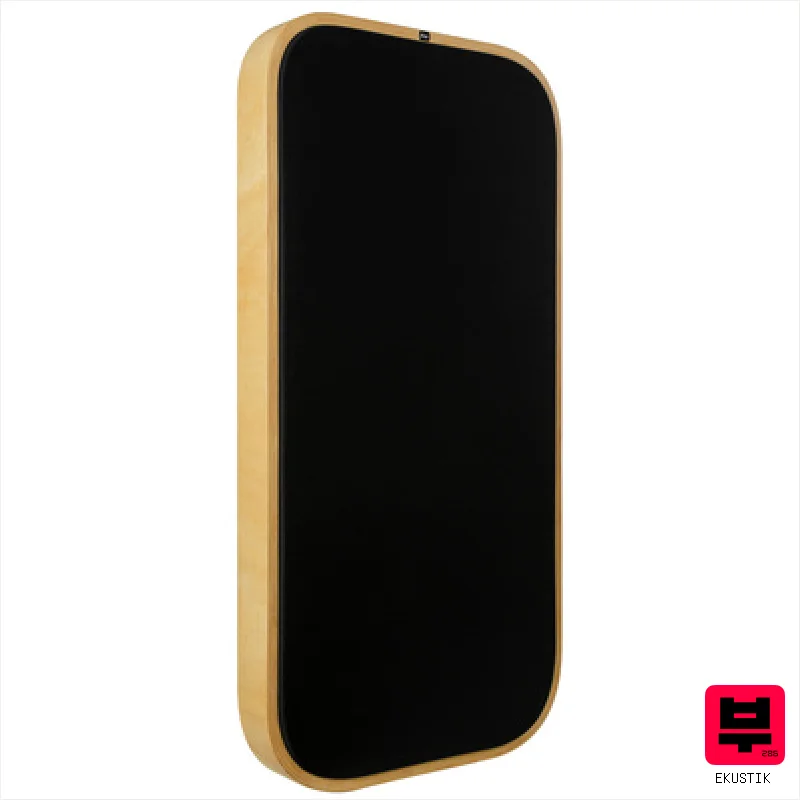
The AVAA C214 is a seriously clever bit of kit. It’s a game-changer for anyone battling muddy low-end in a smaller mixing or mastering room – the size is remarkable for the impact it delivers. If you're a serious engineer or producer struggling with bass buildup, this is a worthwhile investment.
Pros
- Robust aluminum housing provides excellent acoustic damping and durability.
- Digitally controlled operation allows for precise, app-based adjustments and recall.
- Extremely compact design delivers bass absorption equivalent to a massive panel.
Cons
- Premium-priced, representing a significant investment for most home studios.
- Weight (11kg) necessitates careful handling and secure mounting.
53AudioFu
IndexStablesince Aug 14$3,681 · Aug 14$3,680 now$3,680€3,289 at Thomann · in stockCheck price ↗ -
- Weight13 kg
The AVAA C20 Black is a game-changer for serious recording and mixing engineers struggling with bass buildup. It's like having a massive bass trap in a surprisingly compact package, and the fact that it doesn't require tuning makes it incredibly user-friendly. Perfect for those who need targeted low-frequency control without a complicated setup.
Pros
- Exceptional low-frequency absorption, effectively tames room modes.
- Unique active design eliminates complex room calibration procedures.
- Compact footprint offers surprising performance for its size.
Cons
- Premium-priced, a significant investment for most home studios.
- Limited frequency range; won't address higher-midrange reflections.
49AudioFu
IndexStablesince Aug 14$2,774 · Aug 14$2,787 now$2,787€2,491 at Thomann · in stockCheck price ↗
Bass Traps by the numbers
Measured across all 77 models we track, not a sample.
median of 26 models · 1.18 kg–21 kg
How to choose the best bass traps
Heritage & Design
Psi Audio started in Holland, working with renowned acoustic consultants. This isn't some recent trend; they've been refining their designs for years, resulting in traps that aren't just about absorption, but also diffraction and phase response - crucial for accurate low-end reproduction.
Resonance Control
Unlike many foam traps that just suck up energy, Psi Audio's SkyTec and LabSky models use a layered design to control resonance. This means you're not just reducing the overall low-end level; you're shaping it, carving out space for the kick and bass to sit properly in the mix without that boxy, phase-shifted feeling.
Construction & Materials
These aren't your typical flimsy, compressed foam traps. Psi Audio uses high-density, open-cell foam that's noticeably more durable. The build quality is evident - they're built to last, which is important if you're gigging or setting up a rehearsal space.
Tonal Signature
Psi Audio traps tend to tighten the low-end without sacrificing warmth. You get a defined thump, but it doesn't become sterile or lifeless. It's a subtle difference, but it's the difference between a mix that sounds technically correct and one that feels good - that's vital for capturing that emotional connection.
Placement Flexibility
The range of sizes and shapes - from corner traps to broadband panels - allows for more strategic placement. You can really dial in the room's response, targeting specific problem frequencies instead of just throwing a bunch of foam around and hoping for the best.
Buying guide
Let's be honest, you're chasing that elusive, tight low-end in your studio, right? You're probably dealing with muddy mixes, boomy rooms, and that frustrating feeling that your kick drum just isn't cutting through. Psi Audio bass traps are a serious contender for taming that low-frequency chaos, but they're not just another foam box - there's a real history and a specific sonic signature here that's worth digging into.
Don't go cheap on acoustic treatment. It's the foundation for a good-sounding recording. Psi Audio isn't the absolute cheapest, but you're paying for a thoughtful design and quality materials.
Start with corner traps - those are your biggest offenders - and then strategically place broadband panels to fine-tune the response. Be realistic about your room size and budget; a few well-placed Psi Audio traps will always outperform a room full of inferior products.
How the AudioFu Index works
Five measured signals and nothing else — no stars from strangers, no “tested by experts” we didn’t do. The weights are fixed and public. We don’t play these instruments; we measure the market around them.
This chart covers 6 bass traps from the Thomann catalogue (of 77 in the category). Before you buy, read hands-on reviews and, where you can, play it. Full methodology.
AudioFu earns a commission when you buy through our Thomann links. It never changes the order — the index does.
- Demand40%
How many of this exact model are for sale on Reverb right now — what musicians actually buy and resell.
- Lineup20%
How many finishes Thomann stocks — makers expand the models that sell.
- Price15%
Where the price has moved since we started tracking in August.
- Specs15%
How completely the maker documents it.
- Maker10%
How deep the brand’s range is in this category.
Questions
Are Psi Audio traps worth the money compared to cheaper foam options?
Absolutely. Cheaper foam often masks problems rather than solving them. Psi Audio's designs actually improve the clarity and accuracy of your recordings by shaping the low-end response.
How do I know where to place the traps?
Start with corners - that's where bass frequencies tend to build up. Use a spectrum analyzer or, even better, a friend with a good ear to identify problem frequencies and adjust placement accordingly. There are plenty of online resources to help with room acoustics.
What's the difference between the SkyTec and LabSky models?
SkyTecs are designed for corners and offer more broadband absorption. LabSkys are more versatile panels that can be used on walls or ceilings to fine-tune the response. Think of SkyTecs as your primary treatment and LabSkys as your surgical tools.
Do I need to treat my entire room?
Not necessarily, but strategic placement is key. Focus on the first reflection points and areas where bass frequencies tend to build up. A little goes a long way when you're using quality traps.
Can I use these in a rehearsal space?
Definitely. The durability of Psi Audio traps makes them ideal for the rigors of a rehearsal environment. They'll help tame the boomy low-end and improve clarity for everyone in the band.