
Best Active Nearfield Monitors for Mix Position 2026
Alright, so you're building a mix position, huh? Forget the hype - you need monitors that translate well, give you honest information, and don't leave you reaching for EQ after every session. It's not about bass that shakes your room, it's about hearing the subtle details that make a mix cut through on any system, from a club PA to earbuds. Let's break down the best active nearfields for serious mixing.
Last updated: July 15, 2026 • Next update: July 22, 2026
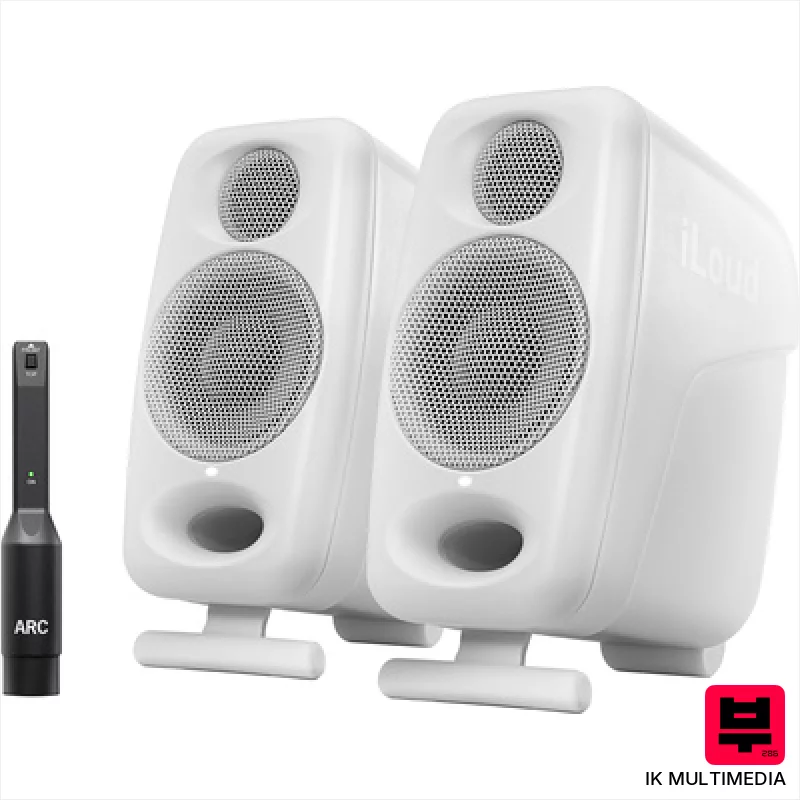
IK Multimedia iLoud Micro Monitor Pro White
- • DSP-driven calibration provides remarkably flat response for various room acoustics.
- • Surprisingly deep and controlled bass extension for its compact size, thanks to the reflex port.
- • USB-C connectivity enables direct digital input and ARC room correction software integration.
- • The white finish is aesthetically pleasing and a welcome alternative to standard black.
- • Limited input options compared to more versatile studio monitors; lacks dedicated line inputs.
- • DSP processing, while beneficial, can introduce subtle artifacts for purists seeking completely analog signal paths.
- • Small driver size may limit headroom and dynamic range at higher listening volumes.

KS Digital C-55 Reference Cherry R
- • The coaxial design delivers remarkably focused and precise stereo imaging.
- • Cherry R finish provides a premium aesthetic and subtly dampens vibrations.
- • KSD-FIRTEC DSP ensures exceptionally clean and accurate frequency response.
- • High SPL capability allows for detailed monitoring at louder listening levels.
- • The substantial weight makes placement and transportation somewhat cumbersome.
- • Limited connectivity beyond balanced XLR and AES3 restricts some workflows.
- • Cherry finish might not appeal to all users' aesthetic preferences.

KS Digital C-55 Reference Black L
- • Exceptional transient response thanks to the FPGA processing.
- • Coaxial design delivers surprisingly wide and accurate stereo imaging.
- • Robust MDF cabinet construction minimizes unwanted resonances.
- • High SPL capability handles demanding mixing environments easily.
- • Size and weight make placement potentially challenging in smaller rooms.
- • Limited connectivity beyond XLR and AES3; lacks common digital options.
- • DSP, while powerful, introduces a slight learning curve for optimal tuning.

Genelec 8330 RAW Pack
- • Exceptional transient response thanks to the DCW tweeter.
- • The Iso-Pod mounting dramatically reduces vibrations and resonances.
- • GLM integration provides truly accurate room correction capabilities.
- • Compact size belies surprising power and headroom for critical listening.
- • Limited low-end extension; best suited for mid-field applications.
- • Requires GLM software for optimal performance; adds a learning curve.
- • Metal dome tweeter can be fatiguing at excessively high listening levels.

HEDD Type 05 A-CORE
- • Exceptional transient response thanks to the AMT tweeter.
- • The pure analog signal path delivers a remarkably clean and detailed sound.
- • Solid German build quality; feels robust and well-assembled.
- • Room correction filters offer surprising flexibility for various acoustic environments.
- • Limited connectivity compared to some competitors – no AES/XLR.
- • The AMT tweeter can be fatiguing at very high listening levels.
- • Size-to-bass-performance ratio isn't exceptional; lacks serious low-end extension.

Genelec 8050 BMM
- • Exceptional transient response thanks to the optimized woofer design.
- • DCW tweeter delivers remarkably clean and detailed high frequencies.
- • Robust aluminum bass reflex housing minimizes coloration and resonance.
- • Genelec's AutoCal functionality simplifies room correction and calibration.
- • Relatively heavy for nearfield monitors, impacting portability and placement.
- • Premium-priced, representing a significant investment for smaller studios.
- • Limited connectivity options; lacks XLR inputs.

Genelec 8340 AMM
- • Exceptional transient response for detailed, accurate monitoring.
- • Class-D amplification delivers clean, powerful sound across the spectrum.
- • Integrated DSP provides precise room correction capabilities via GLM.
- • Robust waveguide design ensures wide, controlled off-axis response.
- • Requires Genelec GLM software for optimal room correction; adds to cost.
- • Limited low-end extension compared to larger 3-way monitors.
- • Premium-priced, making it a significant investment for smaller studios.

Genelec 8330 APM Pack
- • Excellent imaging and transient response thanks to the DCW tweeter.
- • The Iso-Pod mounting system genuinely minimizes vibrations and resonance.
- • GLM calibration provides remarkably accurate room correction for consistent monitoring.
- • Compact size makes them suitable for smaller, less acoustically ideal spaces.
- • Limited bass extension compared to larger monitors in the Genelec range.
- • Requires the GLM software and interface for full functionality and calibration.
- • The 5” woofer might not satisfy those needing substantial low-end for EDM or film scoring.

Kali Audio IN-8 2nd Wave Grey
- • Exceptional detail retrieval thanks to the coaxial midrange/tweeter design.
- • The 8” woofer delivers a surprisingly tight and controlled low-end response.
- • Tri-amped design allows for clean, dynamic power distribution across frequencies.
- • EQ settings provide genuine flexibility for room correction and integration.
- • The grey finish, while aesthetically pleasing, can show dust and fingerprints easily.
- • Weight makes them less ideal for portable or mobile recording setups.
- • While versatile, they might not be the *absolute* best choice for purely consumer/hi-fi listening.
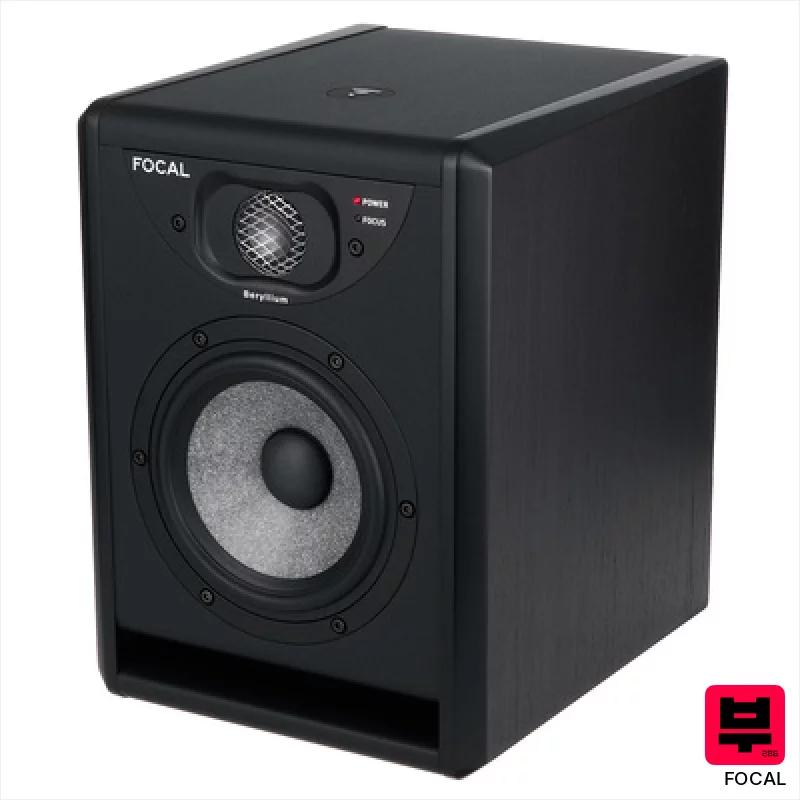
Focal Solo6 Black ST6
- • Exceptional detail retrieval thanks to the beryllium tweeter.
- • TMD woofer delivers tight, controlled low-end response.
- • Focus mode offers unique flexibility for mixing and mastering.
- • Robust MDF construction minimizes unwanted resonances and vibrations.
- • The high-frequency response can be fatiguing in extended listening sessions.
- • Relatively heavy for nearfield monitors, posing placement challenges.
- • Premium-priced, a significant investment for home studios.

Genelec 8010 AM
- • Remarkably compact, ideal for small spaces and mobile setups.
- • Aluminium housing provides surprising rigidity and dampens vibrations.
- • The autostart feature is genuinely useful for intermittent use.
- • Clear, neutral sound signature; excellent for critical mixing decisions.
- • Limited bass extension; struggles with sub-bass frequencies significantly.
- • Power output is modest; not suitable for large or untreated rooms.
- • Single XLR input restricts flexibility for complex routing scenarios.

Genelec 8040 BMM
- • Exceptional transient response for detailed, accurate monitoring.
- • The Direct Waveguide Control (DCW) creates a remarkably wide, stable sweet spot.
- • Aluminum bass reflex housing minimizes port noise and resonances.
- • Impressive SPL handling (115dB) for critical mastering and mixing tasks.
- • Bass extension, while decent, isn't a substitute for a subwoofer in larger rooms.
- • Limited connectivity; primarily XLR and TRS, lacking RCA options.
- • The compact size means it might lack some low-end 'feel' for certain genres.

HEDD Type 07 A-CORE
- • Exceptional transient response thanks to the AMT tweeter.
- • Pure analog signal path minimizes digital artifacts and coloration.
- • Impressive low-end extension for a 7” driver; surprisingly tight.
- • Robust German build quality; feels solid and reassuringly well-made.
- • Limited connectivity compared to some competitors; lacks AES/XLR.
- • The AMT tweeter can be unforgiving with poorly mixed material.
- • Relatively heavy for nearfield monitors; transport and placement require care.

Genelec 8320 AMM
- • Exceptional transient response thanks to the DCW tweeter.
- • Impressive clarity and detail across the frequency spectrum.
- • The Iso-Pod mounting system genuinely minimizes vibrations.
- • Surprisingly compact size belies its powerful output and accuracy.
- • Limited low-end extension compared to larger monitors.
- • Relatively high price point for a single monitor.
- • RJ45 connectors require specific Genelec cabling.
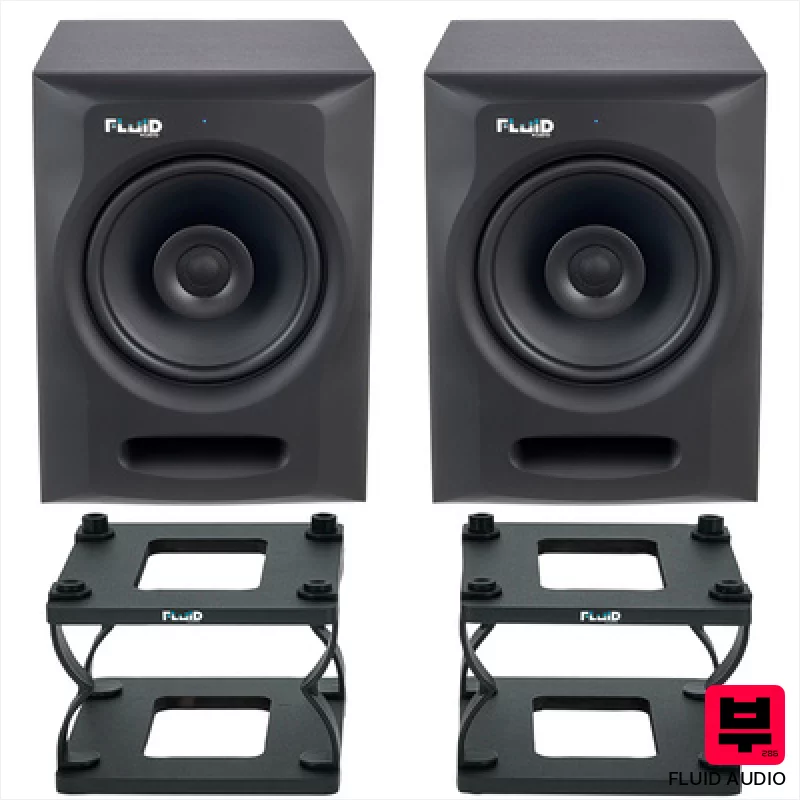
Fluid Audio FX80 V2 Bundle
- • Coaxial design delivers surprisingly focused imaging and decent stereo width.
- • Integrated EQ provides useful room correction for less-than-ideal acoustic spaces.
- • Class D amplification offers clean power and efficient operation with minimal heat.
- • Included stands offer a simple, effective acoustic decoupling solution for desktop use.
- • Bass response, while present, can feel a little 'cardboard' lacking true low-end extension.
- • Build quality feels a bit plasticky; not quite as robust as more premium monitors.
- • Limited connectivity; only basic inputs, lacking more advanced digital options.
How to Choose the Best Active Nearfield Monitors
Frequency Response
A flat, honest response is key. We're looking for a gradual roll-off in the sub-bass - it's more useful than artificially boosted low end that tricks you into making bad decisions. The goal isn't massive thump, it's accurate representation.
Stereo Imaging
Accurate stereo placement is crucial for panning and creating width. Monitors that smear the image or have a noticeable center-focus will make your mixes sound muddy and lifeless.
Transient Response
Can the monitor reproduce fast, percussive sounds cleanly? Sloppy transient response leads to a blurry, indistinct mix - especially noticeable on drums and acoustic instruments. We want snap and detail.
Headroom & Distortion
Headroom is your buffer against clipping when things get loud. Monitors with good headroom will maintain clarity even when pushing them, while monitors that distort easily will mask problems and make mixing a guessing game.
Midrange Clarity
This is where the magic happens. The midrange is where most instruments and vocals sit. We're looking for a balanced midrange with enough detail to discern subtle tonal differences without any harshness or unwanted coloration - that fat midrange honk is a trap.
Buying Guide
Don't fall for the 'bigger is better' myth. For a proper mix position, you don't need massive 12-inch woofers. You need accuracy. Cheaper monitors often cut corners on driver quality and cabinet construction, leading to muddy bass and a smeared stereo image. Paying a bit more for well-designed, accurate monitors is an investment in your mixes that will pay off immediately - especially when you realize you're making fewer corrective EQ moves.
Our Methodology
We're not looking at spec sheets here. These monitors have been put through the wringer - A/B'd against industry standards, used for tracking drums, mixing full band arrangements, and even thrown into a few band rehearsals to see how they hold up under pressure. It's about real-world performance, not theoretical numbers.

