
Best Acoustic Guitar Microphones Under $200 2026
So, you want to mic your acoustic, but your wallet's screaming? Been there. Getting a decent acoustic mic doesn't have to break the bank - you don't need a Neumann U87 to capture that sweet, woody resonance. This list is for players who need a reliable mic for gigging, recording demos, or just nailing a good tone in your home studio, all without emptying your savings account.
Last updated: September 28, 2026

Lewitt LCT 140 Air Stand Bundle
- • Cardioid pattern excels at isolating acoustic guitar sources.
- • Air EQ preset adds subtle brightness, enhancing clarity.
- • Roadworx stand offers stable, compact, and adjustable positioning.
- • Includes essential accessories: bag, clip, windscreen, ready to record.
- • 135 dB SPL limit might be restrictive for very loud performers.
- • Smaller capsule can exhibit a slightly less 'warm' character than larger condensers.
- • Stand’s single boom joint offers limited adjustment flexibility.

AKG C 411 PP
- • Lightweight design minimizes stand stress and resonance.
- • Cardioid pattern effectively isolates acoustic guitar from room noise.
- • Extended frequency response captures detailed high-end clarity.
- • Included adhesive compound allows for secure, non-permanent mounting.
- • Limited polar pattern options restrict versatility for complex recordings.
- • Requires phantom power, necessitating an external power supply.
- • The small diaphragm may lack warmth for some acoustic guitar styles.
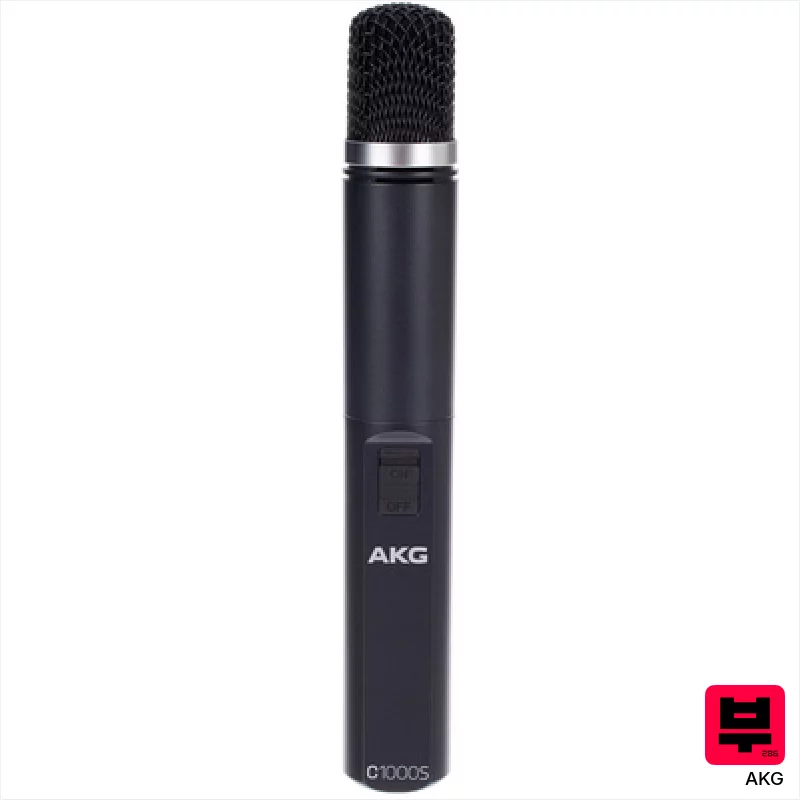
AKG C1000s MKIV
- • Excellent transient response for detailed acoustic recordings
- • Versatile PPC system allows for tailored pickup patterns
- • Battery power offers portability for location recording
- • Solid construction feels durable for gigging and studio use
- • Can be overly sensitive, requiring careful gain staging
- • Cardioid pattern might feel restrictive for some applications
- • Limited low-frequency response compared to higher-end mics
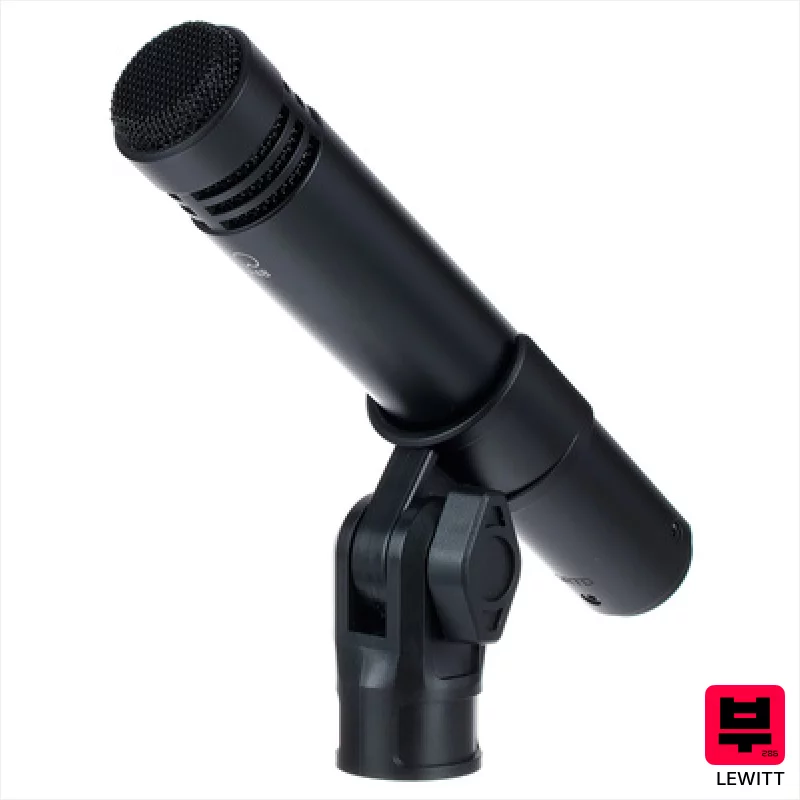
Lewitt LCT 140 AIR
- • Excellent transient response captures acoustic guitar nuances
- • 'Air' EQ setting adds pleasing high-frequency sparkle
- • Robust build quality feels durable for gigging
- • Low-cut filter effectively tames boomy low-end frequencies
- • Cardioid pattern limits stereo recording flexibility
- • Limited frequency response compared to higher-end mics
- • 'Air' preset can sound artificial on brighter guitars
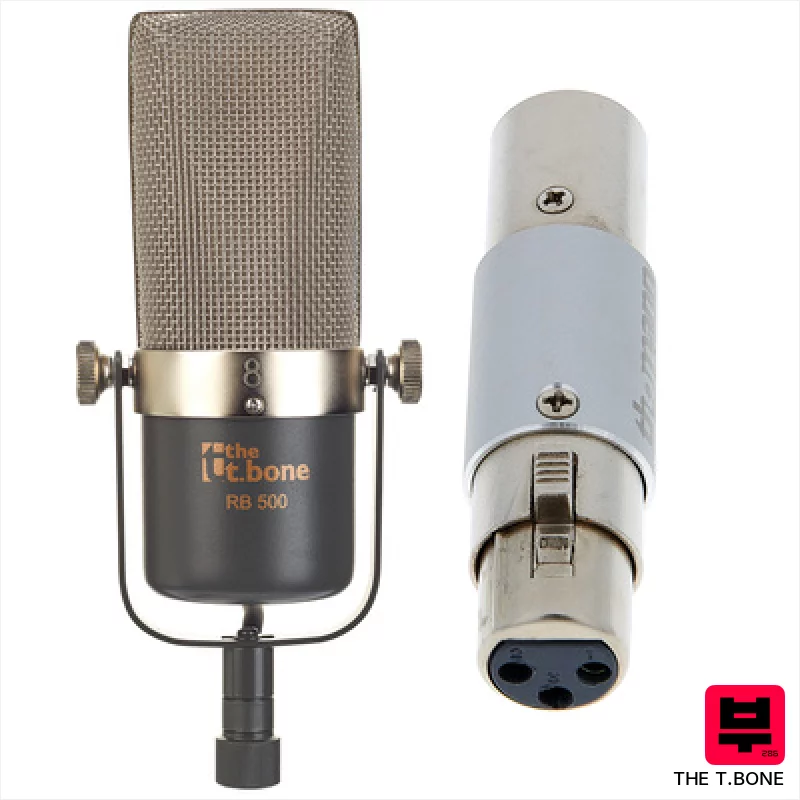
the t.bone RB 500 FetAmp Bundle
- • Warm ribbon tone captures acoustic guitar nuances beautifully
- • FetAmp provides clean gain, crucial for ribbon mics
- • 2µm ribbon ensures surprising durability for the price
- • Included XLR cable and bag offer immediate usability
- • Ribbon mics are inherently sensitive to plosives and handling noise
- • Figure-8 pattern limits mono recording versatility
- • FetAmp's 28dB gain may be insufficient for very quiet sources
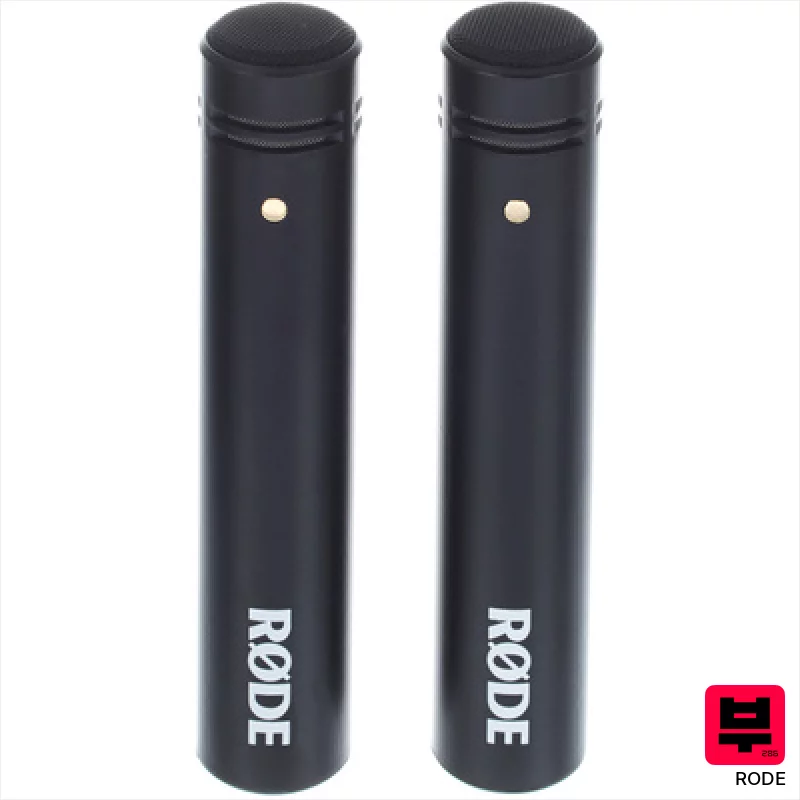
Rode M5 MP
- • Excellent stereo imaging for natural acoustic guitar recordings
- • JFET impedance converter provides a clean, strong signal
- • Small 1/2in capsule captures detail without excessive proximity effect
- • Robust metal housing ensures durability for gigging and studio use
- • Cardioid pattern limits flexibility for different recording scenarios
- • 200 Ohm output impedance may require a preamp for optimal gain
- • Lacks a high-pass filter which can be useful for low-frequency rumble
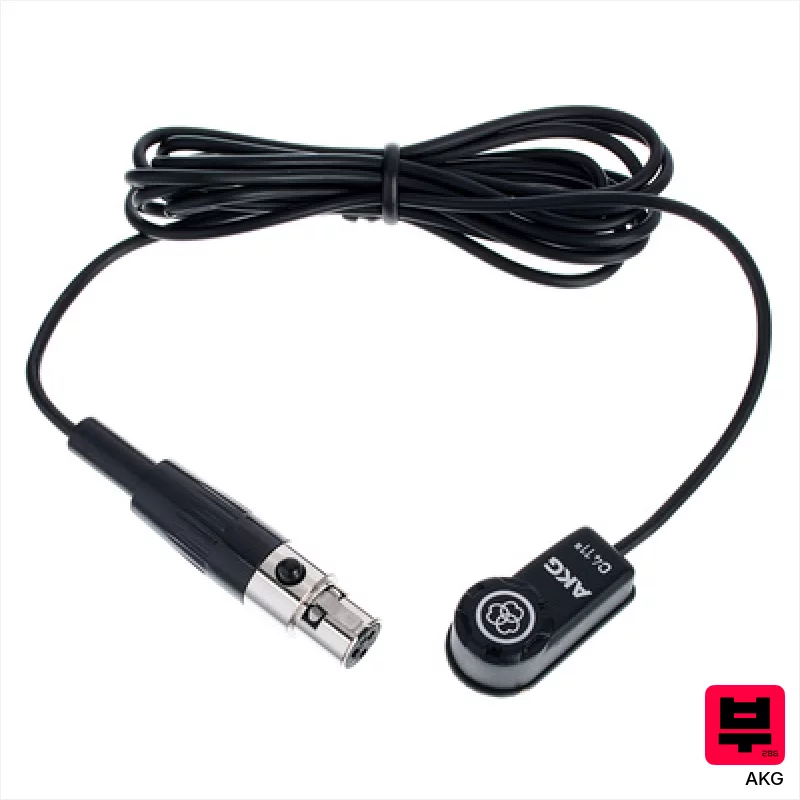
AKG C 411 L
- • Small form factor allows discreet placement on instruments
- • Figure-8 pattern excellent for isolating sound sources
- • Lightweight design minimizes vibration and resonance
- • Adhesive compound provides secure, temporary mounting
- • Requires external power – bodypack or AKG B29 L
- • Limited frequency response compared to larger condenser mics
- • Figure-8 pattern not ideal for all recording scenarios
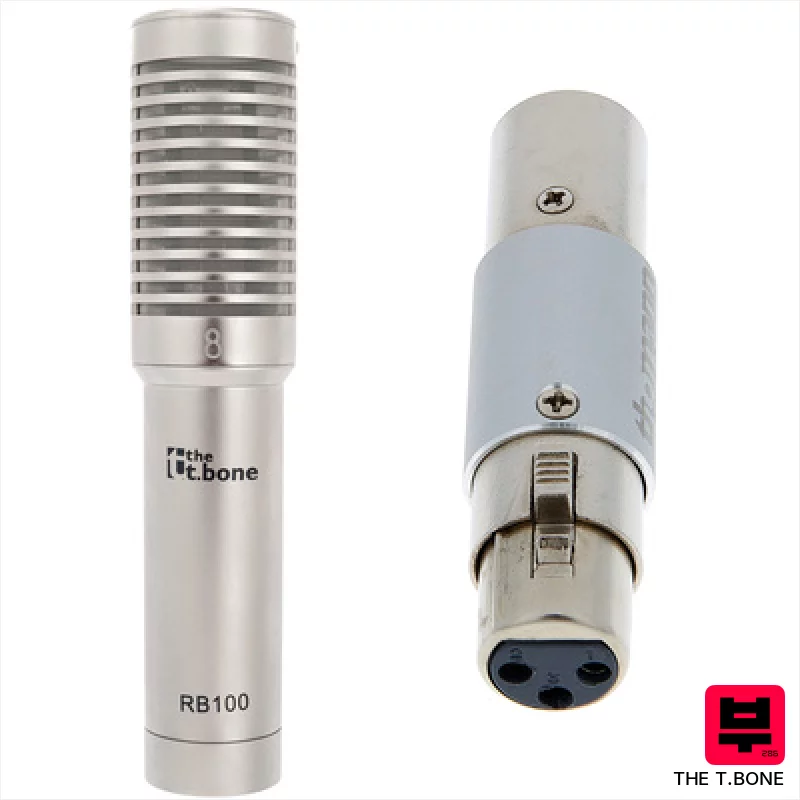
the t.bone RB 100 FetAmp Bundle
- • Ribbon mic delivers warm, natural acoustic guitar tone.
- • FetAmp provides clean gain, extending dynamic range.
- • Shock mount minimizes handling noise and vibrations.
- • Bundle offers excellent value for a ribbon/preamp combo.
- • Ribbon mics are inherently delicate; requires careful handling.
- • Low sensitivity necessitates a clean, strong preamp signal.
- • Figure-8 pattern limits versatility for certain recording situations.
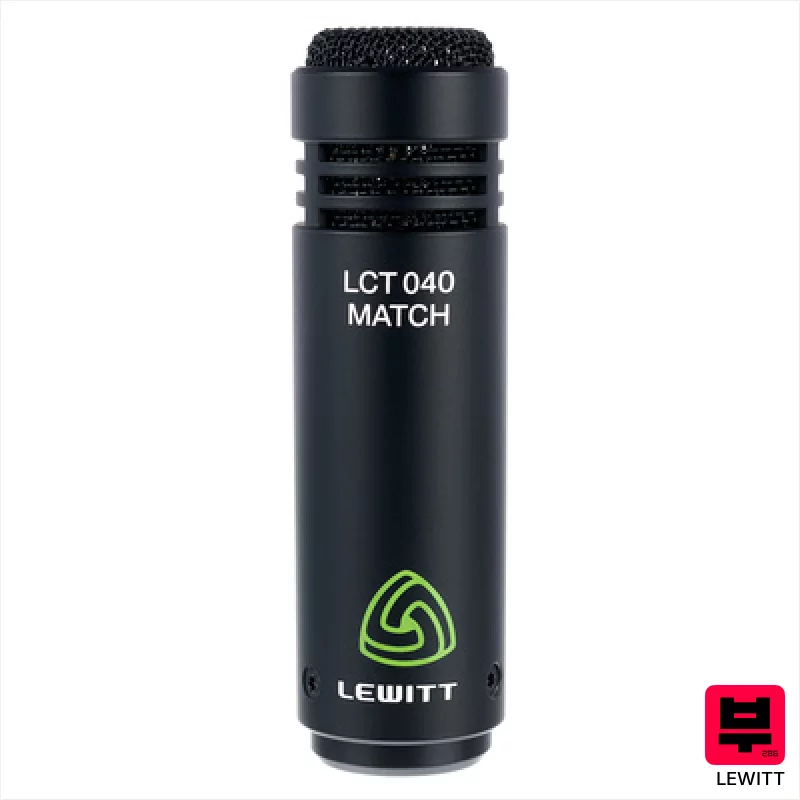
Lewitt LCT 040 MATCH
- • Excellent transient response for detailed acoustic guitar recordings
- • Cardioid pattern effectively isolates the instrument from room noise
- • Lightweight build minimizes stand stability issues and fatigue
- • Surprisingly low self-noise for its price bracket, clean signal
- • Limited frequency response compared to higher-end SDCs, lacks nuance
- • Cardioid pattern restricts stereo miking flexibility
- • Plastic clip provides a somewhat budget feel, not premium
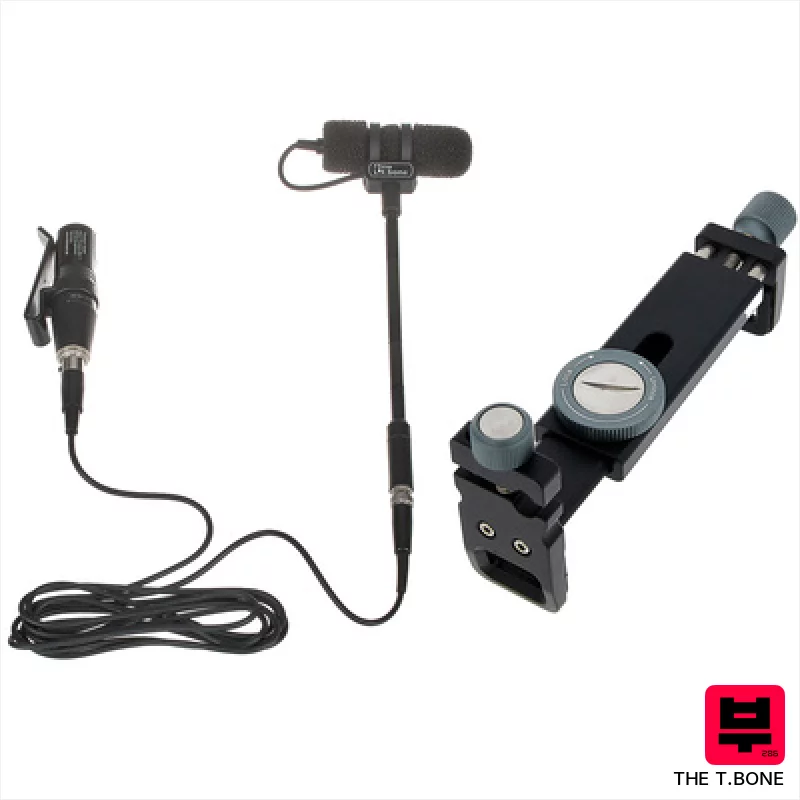
the t.bone Lucan System Guitar Bundle
- • Compact size allows for discreet placement on acoustic instruments
- • Included phantom power adapter removes need for immediate interface upgrade
- • Gooseneck provides flexible positioning for optimal pickup
- • Hard case offers protection and portability, a nice bonus
- • Cardioid pattern limits stereo imaging and ambient capture
- • Lower sensitivity requires a relatively quiet recording environment
- • Plastic construction feels budget-oriented, not quite robust

the t.bone RB 100
- • Ribbon construction delivers a warm, vintage-style tone.
- • Included shock mount minimizes handling noise and vibrations.
- • Robust build with a solid, metallic housing feels surprisingly durable.
- • Figure-8 pattern offers creative stereo recording possibilities.
- • Low sensitivity requires a high-gain preamp for adequate signal.
- • Limited frequency response might lack sparkle for modern recordings.
- • Heavy build can be unwieldy on a mic stand, especially for extended use.
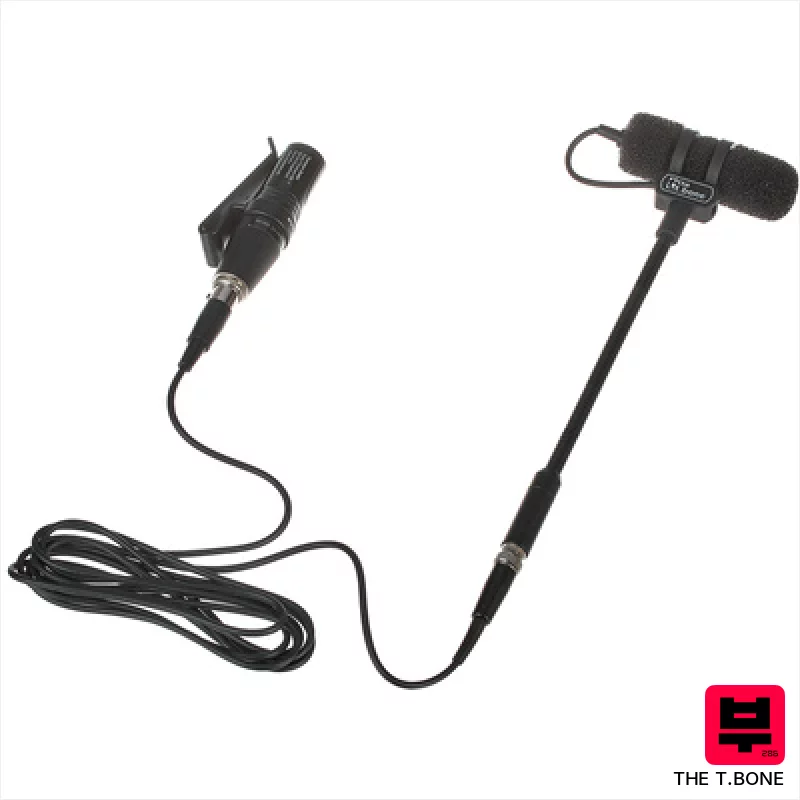
the t.bone Lucan System CC 200 RC
- • Surprisingly robust mini-XLR connector for wireless flexibility
- • Gooseneck provides precise instrument positioning
- • Included windscreen noticeably reduces plosives and breath noise
- • Hard case is a genuinely useful and well-thought-out inclusion
- • Cardioid pattern limits stereo imaging potential significantly
- • Sensitivity is low, requiring a higher gain preamp
- • Plastic gooseneck feels a little flimsy under heavy handling
Acoustic Guitar Microphones by the numbers
Measured across all 12 models in this category, so «wide», «short» or «expensive» mean something you can check.
How to Choose the Best Acoustic Guitar Microphones
Frequency Response
A balanced response is key - you want to capture the low-end thump without getting muddy, and the high-end sparkle without it becoming harsh. Avoid mics that overly emphasize one area; you'll be fighting that in the mix.
Polar Pattern
Cardioid is your friend for most acoustic situations. It'll reject a lot of the room noise and feedback, which is crucial when you're gigging or recording in less-than-perfect spaces. Omni patterns are nice for a natural room sound, but tough to manage without bleed.
Sensitivity & Self-Noise
Lower sensitivity means you'll need more gain, which can introduce noise. Self-noise is the mic's inherent hiss - not something you want bleeding into your quiet fingerstyle recordings. This is where cheaper mics often fall short.
Build Quality & Durability
Gigging mics take a beating. A flimsy mic stand adapter or a fragile capsule isn't going to last long. Look for something that feels solid and can handle the inevitable bumps and scrapes.
Transient Response
How quickly the mic reacts to the initial pluck of a string. A sluggish transient response can make the acoustic sound dull and lifeless, lacking articulation and definition - crucial for cutting through a band mix.
Buying Guide
At this price point, you're making trade-offs. You're unlikely to get studio-grade clarity or a completely flat frequency response. Expect some coloration - it's not always a bad thing, but be aware of it. Don't chase 'perfect' - chase 'good enough' for your specific needs, and focus on a mic that captures the character of your guitar well. A decent preamp can often do more to improve your acoustic sound than an expensive mic.
How This List Is Built
We don't play these instruments — we're a catalog, not a review desk, and we'd rather say so than pretend otherwise. This page covers 12 acoustic guitar microphones from the Thomann catalogue, which is the largest single source of specification data in this category: 12 in detail, the rest listed with their specifications.
Position is computed, not curated. We parse the manufacturer's own description into actual values — nut width, scale, fret count, fingerboard radius, size, alloy — and rank on them: how many specifications a model has published, how many of them are measurable numbers, and how precisely it meets this page's criterion. A product image adds a little. Price is not a ranking signal: it tells you nothing about whether a neck fits your hand. The same inputs always produce the same order, so nothing here is shuffled to look fresh.
What this list is good for: narrowing a category down to a shortlist by spec and budget. What it isn't: a substitute for hearing an instrument. Before you buy, read hands-on reviews and, where you can, play it. Full methodology.

