
Best Acoustic Guitar Microphones for Live Performance 2026
So, you're tired of your acoustic getting buried in the mix? It's a frustrating problem - especially when you're trying to nail that fingerpicked intro or lay down a driving strumming part. Forget about that thin, brittle sound from a cheap dynamic mic; you need a microphone that captures the nuances of your guitar's voice, cuts through the band, and handles the stage volume. Let's break down the best acoustic guitar mics for live performance, based on what I've seen work (and not work) on countless stages.
Last updated: September 28, 2026
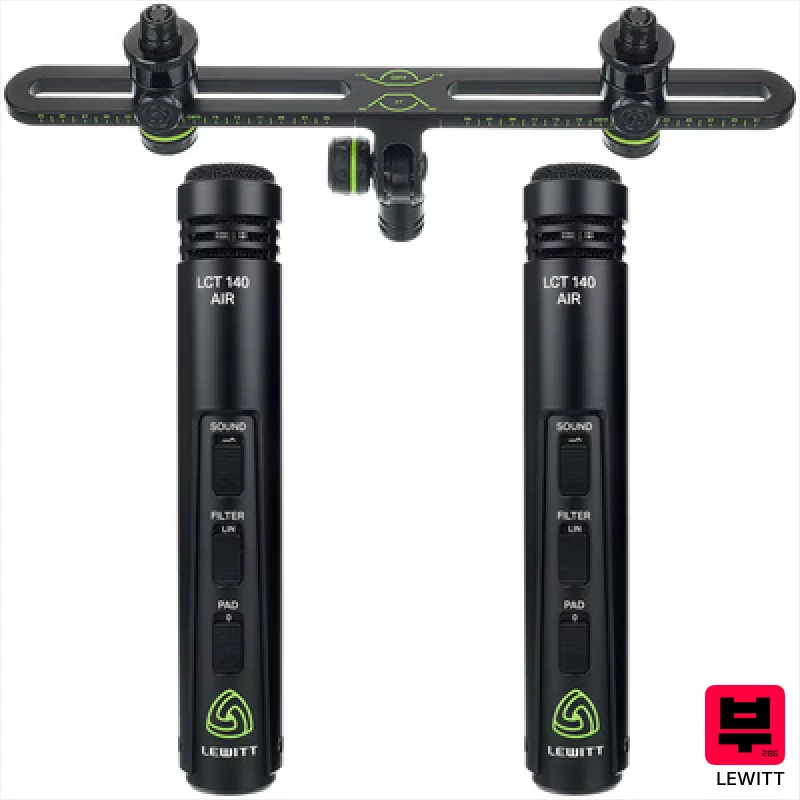
Lewitt LCT 140 AIR Stereo Bundle
- • Matched pair ensures excellent stereo imaging and phase coherence.
- • AIR switch adds subtle high-end sparkle, useful for acoustic guitars.
- • Gravity stereo bar offers precise, repeatable stereo mic placement.
- • Lightweight mics (66g each) minimize stand stress and handling noise.
- • Cardioid pattern limits versatility for some recording scenarios.
- • Sensitivity (14.6mV/Pa) might require a preamp with ample gain.
- • Plastic clips feel a little budget for microphones in this class.
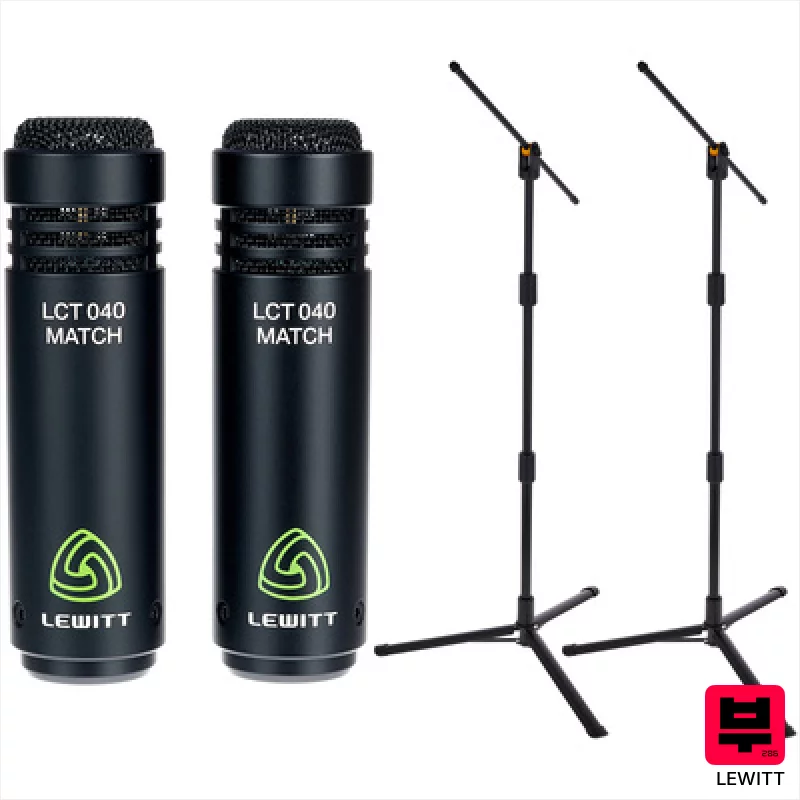
Lewitt LCT 040 MATCH stereo pa Bundle
- • Matched pair ensures excellent stereo imaging and phase coherence
- • Roadworx stands offer surprising stability for their compact size
- • Small diaphragm condensers capture detailed, transparent acoustic guitar tones
- • Cardioid pattern minimizes room noise and bleed for cleaner recordings
- • Limited frequency response compared to higher-end studio condensers
- • The stands, while functional, aren't premium-grade and may feel a little plasticky
- • Cardioid only – lacks versatility for different stereo miking techniques
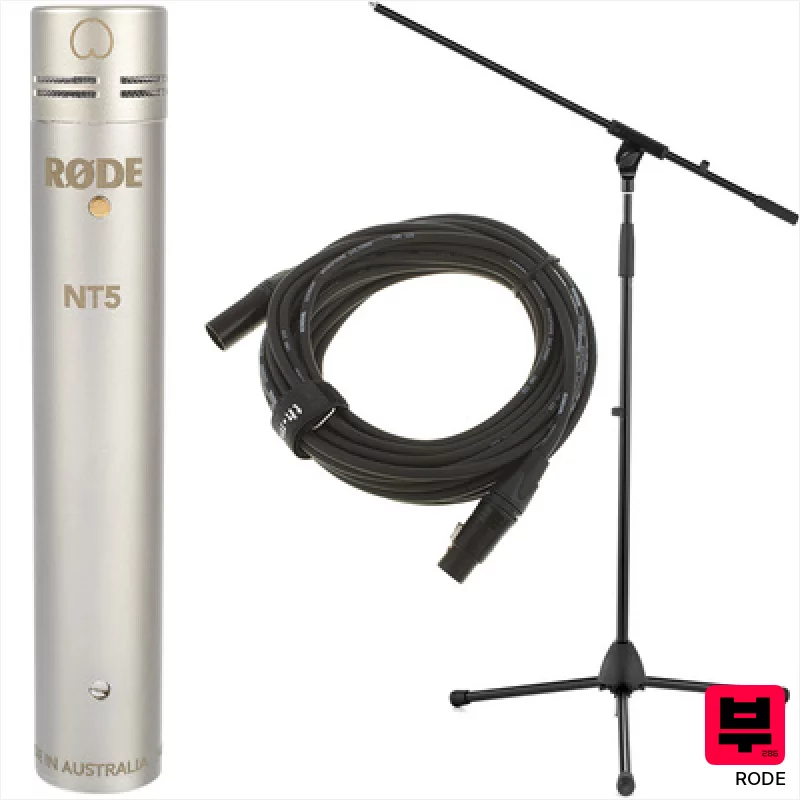
Rode NT5 S Bundle
- • Excellent transient response for detailed acoustic guitar recordings
- • The JFET impedance converter provides clean, low-noise operation
- • Included K&M stand is sturdy and offers good positioning flexibility
- • Comprehensive bundle provides everything needed for basic recording setup
- • Cardioid pattern limits stereo imaging possibilities; not ideal for group recording
- • The plastic base of the stand feels a bit lightweight for heavier mics
- • Requires phantom power, limiting use with some older interfaces

Lewitt LCT 040 Stereo Bundle
- • Matched pair ensures excellent stereo imaging and phase coherence
- • Aluminum stereo bar offers precise, repeatable mic placement
- • Small size allows for flexible positioning on acoustic instruments
- • Cardioid pattern minimizes room noise and bleed
- • LCT 040 lacks the extended frequency response of higher-end SDCs
- • Stereo bar, while well-built, can be a little bulky for tight spaces
- • Cardioid-only pattern limits versatility for certain stereo techniques

AKG C1000s MKIV Bundle
- • Cardioid/hypercardioid versatility expands recording options.
- • Lightweight mic body minimizes stand stress and handling noise.
- • Included K&M stand provides a stable, adjustable recording solution.
- • Battery operation grants portability for location recording.
- • Plastic microphone stand base feels a bit flimsy for heavier use.
- • Sensitivity is relatively low, requiring a decent preamp for best results.
- • MKIV's character leans bright; may need EQ for darker acoustic tones.

Lewitt LCT 140 Air Stand Bundle
- • Cardioid pattern excels at isolating acoustic guitar sources.
- • Air EQ preset adds subtle brightness, enhancing clarity.
- • Roadworx stand offers stable, compact, and adjustable positioning.
- • Includes essential accessories: bag, clip, windscreen, ready to record.
- • 135 dB SPL limit might be restrictive for very loud performers.
- • Smaller capsule can exhibit a slightly less 'warm' character than larger condensers.
- • Stand’s single boom joint offers limited adjustment flexibility.
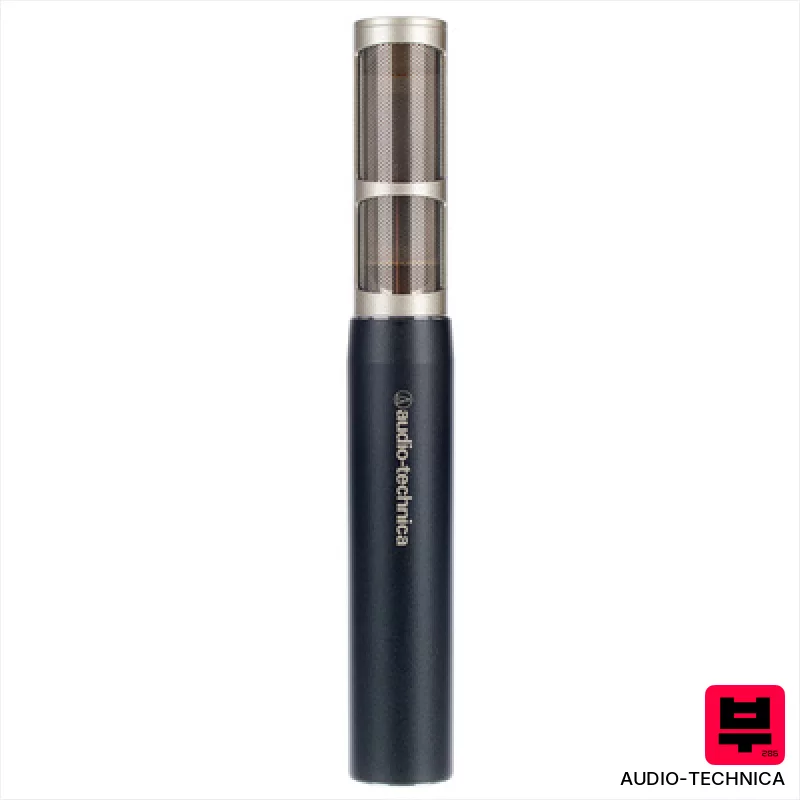
Audio-Technica AT5045
- • Exceptional transient response for detailed acoustic instrument capture
- • Aluminum-copper housing provides robust build and minimizes resonance
- • Cardioid pattern effectively isolates instruments from room noise
- • Wide frequency response delivers a natural and uncolored sound
- • High sensitivity demands careful gain staging to avoid unwanted noise
- • Limited polar patterns restrict versatility for certain recording scenarios
- • The compact size might require specialized mounting solutions
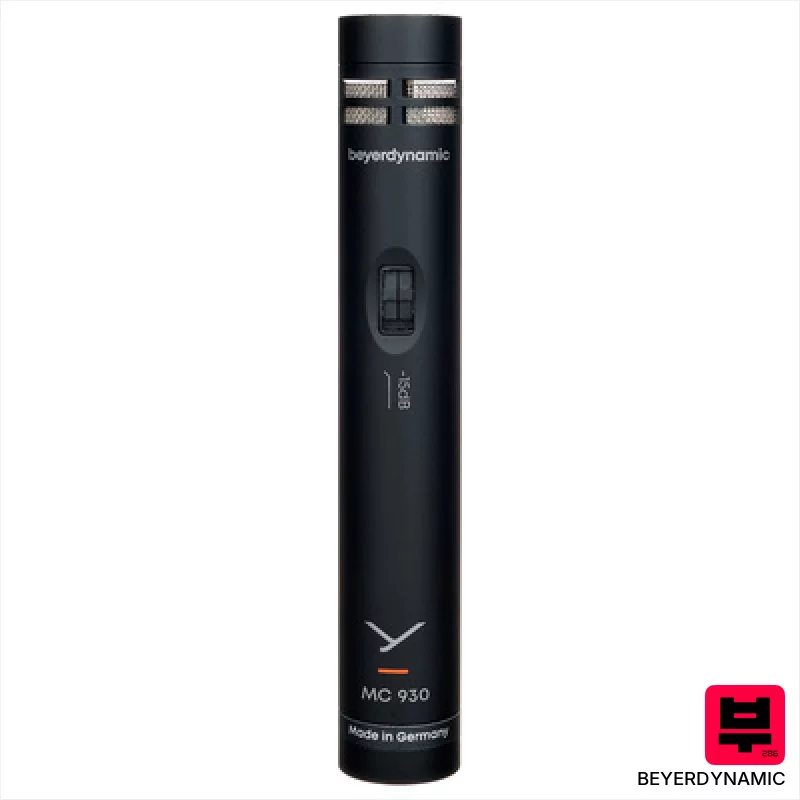
beyerdynamic MC 930 (2023)
- • Excellent transient response for capturing percussive acoustic elements.
- • Robust, all-metal construction feels incredibly durable and reliable.
- • Switchable pad provides headroom for loud sources like amplified guitars.
- • Cardioid pattern minimizes room noise, ideal for less-than-perfect spaces.
- • Lacks versatility for highly nuanced vocal applications; leans toward instruments.
- • Relatively lightweight, which can make it feel less stable on stands.
- • Requires a decent preamp to truly shine; won't sound great into a basic interface.
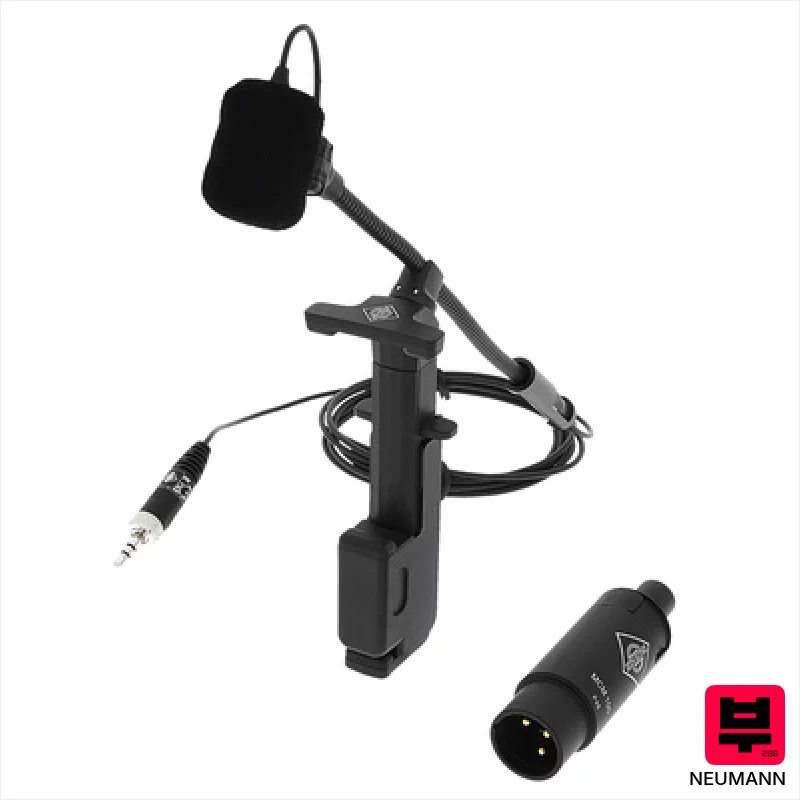
Neumann MCM 114 Set Guitar
- • KK 14 capsule delivers Neumann's signature clarity and detail.
- • SH 150 gooseneck provides precise mic placement flexibility.
- • MC 9 mounting clip offers secure and stable instrument attachment.
- • MCM 100 output stage ensures clean, low-noise signal transmission.
- • Limited polar pattern options restrict versatility for certain recording scenarios.
- • The mini-jack connection may require an adapter for standard studio setups.
- • Premium-priced, making it a significant investment for hobbyist guitarists.
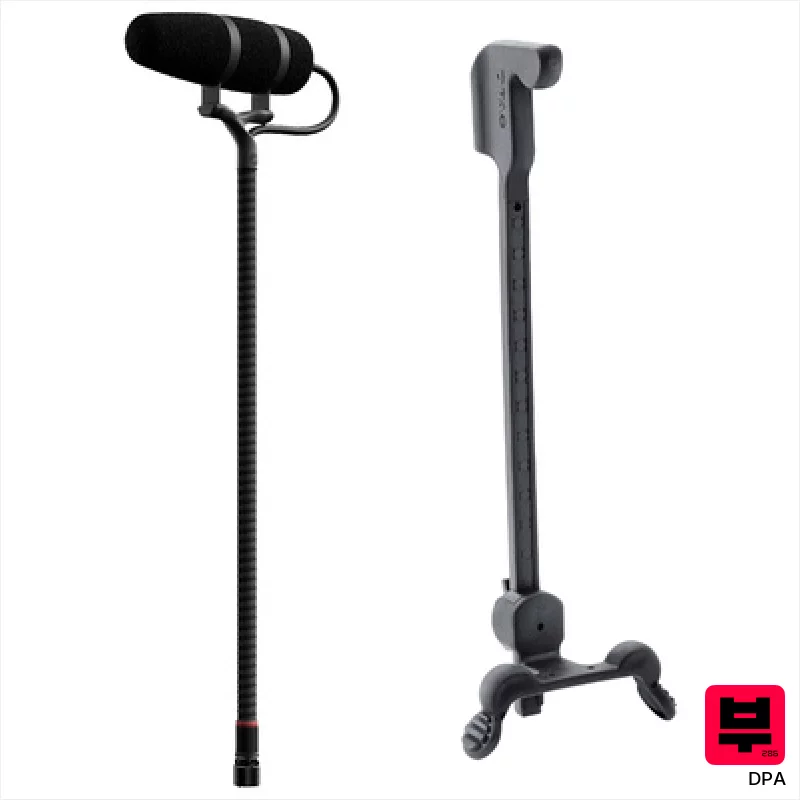
DPA 4099-DP-1-199-G
- • Exceptional clarity and detail capture across the entire frequency spectrum.
- • Supercardioid pattern effectively rejects stage bleed and feedback issues.
- • Micro Lock connector provides a secure, reliable connection, minimizing cable noise.
- • Robust gooseneck design allows for precise mic placement and holds position well.
- • Premium-priced, making it a significant investment for acoustic guitarists.
- • Supercardioid pattern demands careful mic placement for optimal results.
- • Limited versatility – primarily designed for acoustic guitar, not general purpose.
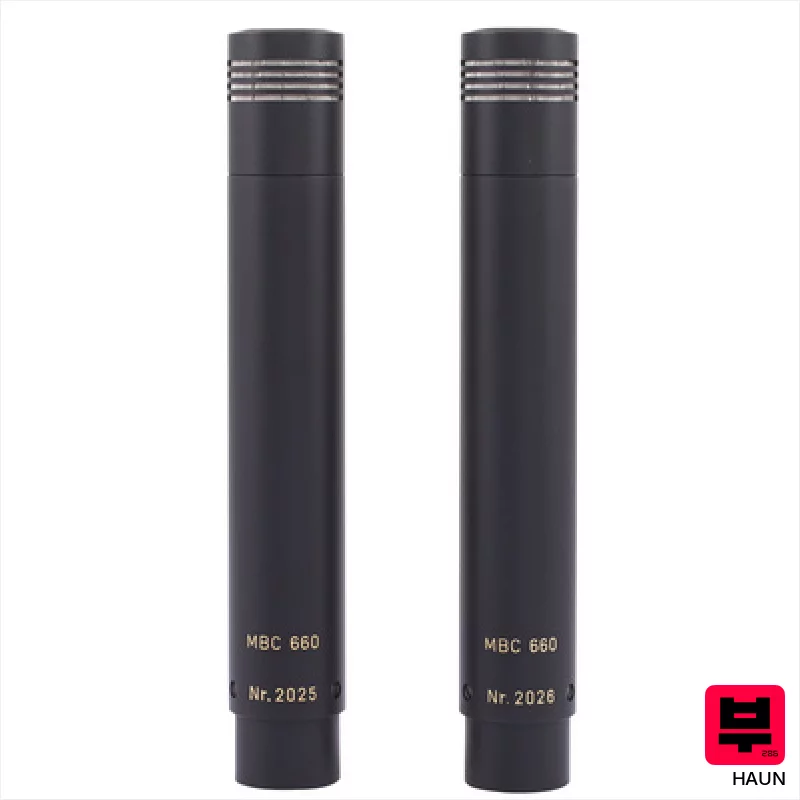
Haun MBC660 L Pair
- • Excellent matched pair for consistent stereo imaging
- • Cardioid pattern effectively rejects stage bleed and room noise
- • Robust construction suggests long-term reliability and durability
- • Clear, detailed sound captures acoustic guitar nuances beautifully
- • Limited polar pattern options restrict versatility for some recording scenarios
- • Maximum SPL might be a constraint for very loud acoustic performances
- • Clamps are not included, adding to the overall investment

Audio-Technica AE 5100
- • Excellent transient response captures acoustic guitar nuances
- • Cardioid pattern effectively rejects stage bleed and room noise
- • Built-in highpass filter cleans up low-frequency rumble
- • Lightweight design minimizes stand stress and handling noise
- • Cardioid pattern limits stereo imaging possibilities
- • 150 Ohm impedance might require a high-quality preamp
- • Bass roll-off can be aggressive for some acoustic guitar types
- • Somewhat sensitive, requires careful gain staging

the t.bone Lucan System Complete Bundle
- • Compact design ideal for stage or studio recording
- • Versatile mounting options accommodate various instruments
- • Included phantom power adapter simplifies setup
- • Hard case offers excellent protection and portability
- • Gooseneck can be prone to accidental bumps and adjustments
- • Sound quality, while decent, lacks high-end clarity of premium mics
- • Mini XLR connector limits compatibility without adapters
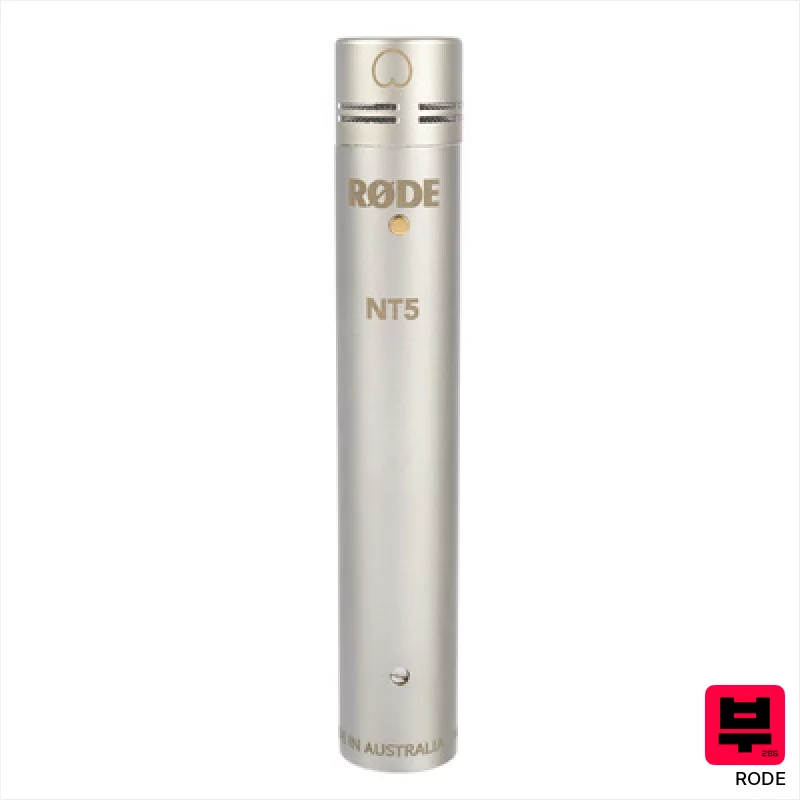
Rode NT5 S
- • Exceptional clarity thanks to the gold-sputtered 1/2in diaphragm
- • Very low self-noise facilitates capturing subtle nuances
- • Robust JFET impedance converter ensures consistent signal
- • Satin nickel finish provides a professional, durable aesthetic
- • Cardioid pattern limits versatility for multi-mic setups
- • Requires phantom power, adding complexity to the signal chain
- • Smaller diaphragm may struggle with extremely loud sources

AKG C 411 PP
- • Lightweight design minimizes stand stress and resonance.
- • Cardioid pattern effectively isolates acoustic guitar from room noise.
- • Extended frequency response captures detailed high-end clarity.
- • Included adhesive compound allows for secure, non-permanent mounting.
- • Limited polar pattern options restrict versatility for complex recordings.
- • Requires phantom power, necessitating an external power supply.
- • The small diaphragm may lack warmth for some acoustic guitar styles.
Every acoustic guitar microphones that matches
25 models match this page. The 15 above are covered in detail; the rest are listed here with their published specifications.
| # | Model | Specifications | Price |
|---|---|---|---|
| 16 | AKG C1000s MKIV | not published | $176 |
| 17 | Lewitt LCT 140 AIR | not published | $165 |
| 18 | the t.bone RB 500 FetAmp Bundle | not published | $165 |
| 19 | Rode M5 MP | not published | $161 |
| 20 | AKG C 411 L | not published | $147 |
| 21 | the t.bone RB 100 FetAmp Bundle | not published | $143 |
| 22 | Lewitt LCT 040 MATCH | not published | $112 |
| 23 | the t.bone Lucan System Guitar Bundle | not published | $106 |
| 24 | the t.bone RB 100 | not published | $90 |
| 25 | the t.bone Lucan System CC 200 RC | not published | $79 |
Acoustic Guitar Microphones by the numbers
Measured across all 25 models in this category, so «wide», «short» or «expensive» mean something you can check.
How to Choose the Best Acoustic Guitar Microphones
Frequency Response
It's not just about flatness. We're listening for a microphone that emphasizes the warmth of the low-end without getting muddy, and captures the clarity of the high-end without harshness. A slight bump in the midrange (that fat midrange honk) is often a plus for cutting through a live band.
Polar Pattern
Cardioid is almost always the go-to for live work - it rejects stage noise and feedback like a champ. Supercardioid can offer even more isolation, but it's more prone to off-axis coloration, so be mindful of your mic placement.
Sensitivity & Handling Noise
A mic that's too quiet will need a lot of gain, which introduces noise. Conversely, a mic with excessive sensitivity can pick up every bump and scrape on stage. Low self-noise is essential for a clean, professional sound.
Transient Response
How quickly a mic reacts to a pluck or strum dictates its articulation and "snap." A slow transient response will make your guitar sound dull and lifeless, especially with fast picking or fingerstyle work. You need to hear those percussive elements.
Durability & Feedback Rejection
Stage life is rough. A mic that can take a beating and handle high sound pressure levels (SPL) without distorting is a must. Feedback is the enemy - a mic with good off-axis rejection is your first line of defense.
Buying Guide
Don't chase the cheapest mic; you'll almost always end up paying more in frustration and wasted time. Entry-level condenser mics can sound decent in a quiet room, but they fall apart in a loud band setting. Spending a little more on a reputable brand with a proven track record of live performance reliability is worth it. Consider the room - a small, boomy room needs a different mic than a large, dry hall.
How This List Is Built
We don't play these instruments — we're a catalog, not a review desk, and we'd rather say so than pretend otherwise. This page covers 25 acoustic guitar microphones from the Thomann catalogue, which is the largest single source of specification data in this category: 15 in detail, the rest listed with their specifications.
Position is computed, not curated. We parse the manufacturer's own description into actual values — nut width, scale, fret count, fingerboard radius, size, alloy — and rank on them: how many specifications a model has published, how many of them are measurable numbers, and how precisely it meets this page's criterion. A product image adds a little. Price is not a ranking signal: it tells you nothing about whether a neck fits your hand. The same inputs always produce the same order, so nothing here is shuffled to look fresh.
What this list is good for: narrowing a category down to a shortlist by spec and budget. What it isn't: a substitute for hearing an instrument. Before you buy, read hands-on reviews and, where you can, play it. Full methodology.

