
Best Lewitt Acoustic Guitar Microphones 2026
So, you're mic'ing your acoustic - smart move. Getting a good sound from an acoustic guitar is about more than just pointing a mic at it; it's about capturing the nuances of the wood, the string vibration, and the player's attack. Lewitt's carved out a really interesting niche in the acoustic mic world, offering a distinct flavor that's surprisingly versatile. Let's break down why they're worth considering, especially if you're tired of the same cookie-cutter 'bright' acoustic sounds.
Last updated: September 28, 2026
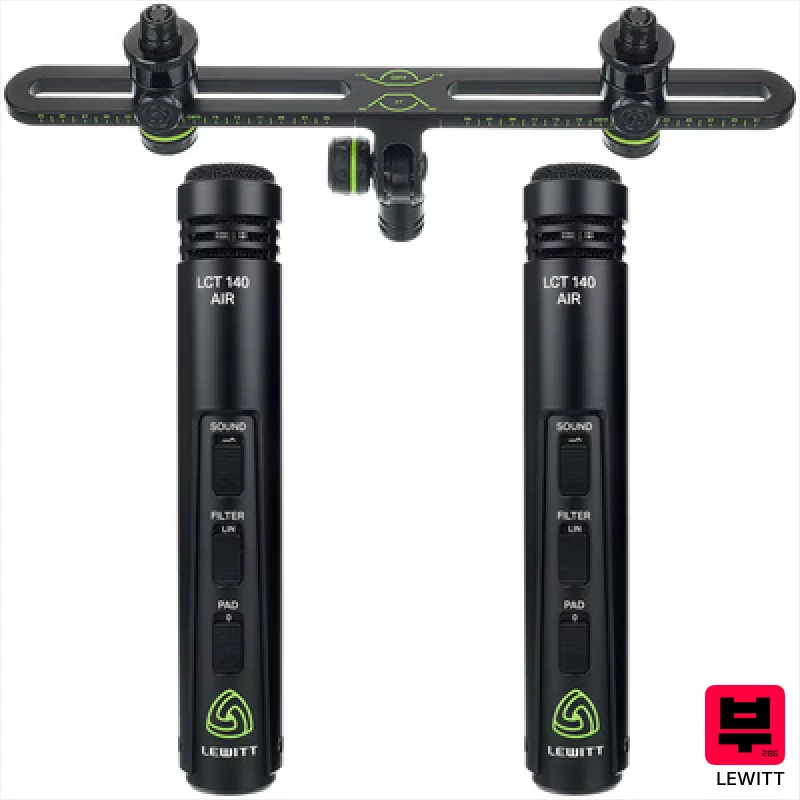
Lewitt LCT 140 AIR Stereo Bundle
- • Matched pair ensures excellent stereo imaging and phase coherence.
- • AIR switch adds subtle high-end sparkle, useful for acoustic guitars.
- • Gravity stereo bar offers precise, repeatable stereo mic placement.
- • Lightweight mics (66g each) minimize stand stress and handling noise.
- • Cardioid pattern limits versatility for some recording scenarios.
- • Sensitivity (14.6mV/Pa) might require a preamp with ample gain.
- • Plastic clips feel a little budget for microphones in this class.
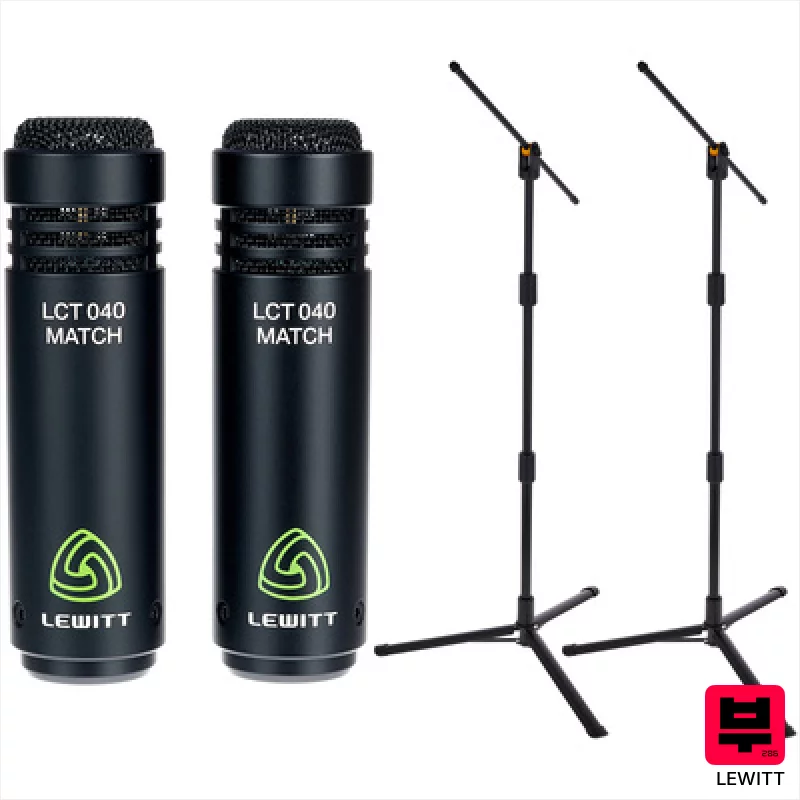
Lewitt LCT 040 MATCH stereo pa Bundle
- • Matched pair ensures excellent stereo imaging and phase coherence
- • Roadworx stands offer surprising stability for their compact size
- • Small diaphragm condensers capture detailed, transparent acoustic guitar tones
- • Cardioid pattern minimizes room noise and bleed for cleaner recordings
- • Limited frequency response compared to higher-end studio condensers
- • The stands, while functional, aren't premium-grade and may feel a little plasticky
- • Cardioid only – lacks versatility for different stereo miking techniques

Lewitt LCT 140 Air Stand Bundle
- • Cardioid pattern excels at isolating acoustic guitar sources.
- • Air EQ preset adds subtle brightness, enhancing clarity.
- • Roadworx stand offers stable, compact, and adjustable positioning.
- • Includes essential accessories: bag, clip, windscreen, ready to record.
- • 135 dB SPL limit might be restrictive for very loud performers.
- • Smaller capsule can exhibit a slightly less 'warm' character than larger condensers.
- • Stand’s single boom joint offers limited adjustment flexibility.

Lewitt LCT 040 Stereo Bundle
- • Matched pair ensures excellent stereo imaging and phase coherence
- • Aluminum stereo bar offers precise, repeatable mic placement
- • Small size allows for flexible positioning on acoustic instruments
- • Cardioid pattern minimizes room noise and bleed
- • LCT 040 lacks the extended frequency response of higher-end SDCs
- • Stereo bar, while well-built, can be a little bulky for tight spaces
- • Cardioid-only pattern limits versatility for certain stereo techniques
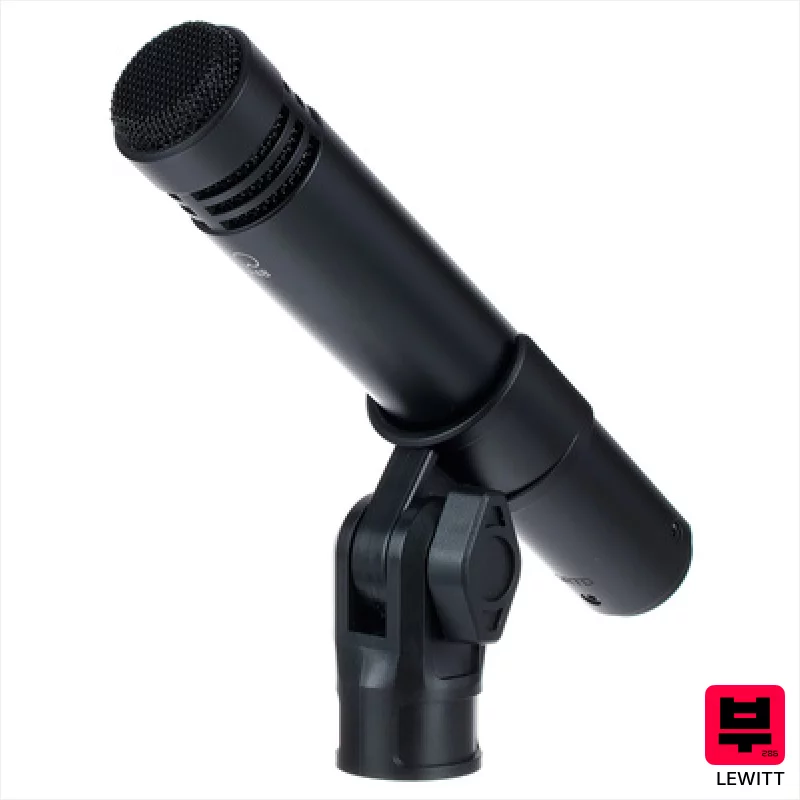
Lewitt LCT 140 AIR
- • Excellent transient response captures acoustic guitar nuances
- • 'Air' EQ setting adds pleasing high-frequency sparkle
- • Robust build quality feels durable for gigging
- • Low-cut filter effectively tames boomy low-end frequencies
- • Cardioid pattern limits stereo recording flexibility
- • Limited frequency response compared to higher-end mics
- • 'Air' preset can sound artificial on brighter guitars
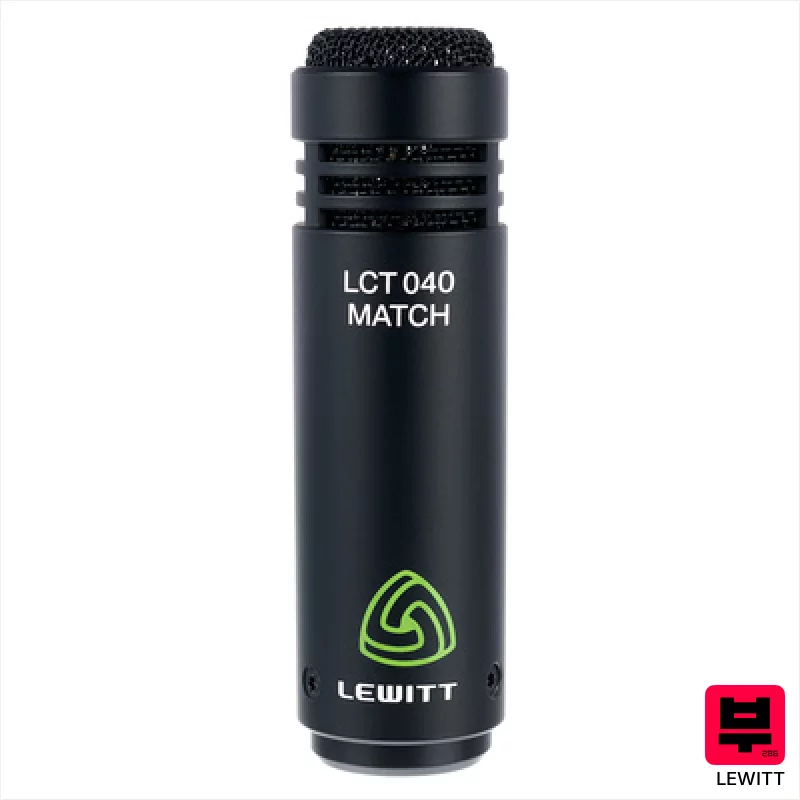
Lewitt LCT 040 MATCH
- • Excellent transient response for detailed acoustic guitar recordings
- • Cardioid pattern effectively isolates the instrument from room noise
- • Lightweight build minimizes stand stability issues and fatigue
- • Surprisingly low self-noise for its price bracket, clean signal
- • Limited frequency response compared to higher-end SDCs, lacks nuance
- • Cardioid pattern restricts stereo miking flexibility
- • Plastic clip provides a somewhat budget feel, not premium
Acoustic Guitar Microphones by the numbers
Measured across all 25 models in this category, so «wide», «short» or «expensive» mean something you can check.
How to Choose the Best Acoustic Guitar Microphones
Transient Response
Lewitt mics often have a surprisingly quick transient response for what you pay. This translates to a really clear attack and a sense of immediacy - crucial for cutting through a live mix or capturing that percussive 'thump' of a larger body guitar.
Low-End Balance
Many acoustic mics lean too heavily into the upper mids, creating a brittle, scooped sound. Lewitt generally delivers a fuller low-end presence without getting muddy, giving the guitar a more natural, grounded tone. It's not a 'boom,' but a defined low-end that adds weight.
Midrange Character
Lewitt's signature isn't a generic 'warmth'; it's more of a defined midrange - sometimes a little 'honky' depending on the model - that really brings out the fundamental notes of the guitar. This can be a huge advantage for solo performers or anyone needing to be heard without excessive EQ.
Build Quality & Value
They aren't going to feel as premium as a Neumann, but the build quality is solid for the price. The housings are robust, and the capsules seem well-constructed - meaning they can handle the rigors of gigging without immediately falling apart. You get a lot of performance for the money.
Polar Patterns
Lewitt offers a good range of polar patterns, from cardioid to omni and even figure-8, giving you flexibility for different recording scenarios. This is particularly useful for capturing room tone or isolating a single guitar in a multi-mic setup.
Buying Guide
Lewitt's aren't a magic bullet - they have a distinct sonic signature. If you're chasing a super-clean, ultra-detailed acoustic sound, you might prefer something else. But if you want a mic that delivers character, cuts through a mix, and doesn't break the bank, Lewitt is definitely worth a listen. Don't expect the absolute lowest noise floor; there's a trade-off for that midrange presence, but it's a trade-off many players find worthwhile.
How This List Is Built
We don't play these instruments — we're a catalog, not a review desk, and we'd rather say so than pretend otherwise. This page covers 6 of 25 acoustic guitar microphones from the Thomann catalogue, which is the largest single source of specification data in this category: 6 in detail, the rest listed with their specifications.
Position is computed, not curated. We parse the manufacturer's own description into actual values — nut width, scale, fret count, fingerboard radius, size, alloy — and rank on them: how many specifications a model has published, how many of them are measurable numbers, and how precisely it meets this page's criterion. A product image adds a little. Price is not a ranking signal: it tells you nothing about whether a neck fits your hand. The same inputs always produce the same order, so nothing here is shuffled to look fresh.
What this list is good for: narrowing a category down to a shortlist by spec and budget. What it isn't: a substitute for hearing an instrument. Before you buy, read hands-on reviews and, where you can, play it. Full methodology.

