
Best 4-String Acoustic Basses for Acoustic Sessions 2026
So, you're looking to ditch the amp and bring some serious low-end to your acoustic sessions? It's a vibe, man. But an acoustic bass isn't just a regular bass with a bigger body - it needs to articulate, breathe, and cut through without sounding harsh or muddy. We've tracked down the best 4-string acoustic basses for that unplugged, intimate sound, from campfire jams to studio recordings.
Last updated: July 8, 2026 • Next update: July 15, 2026
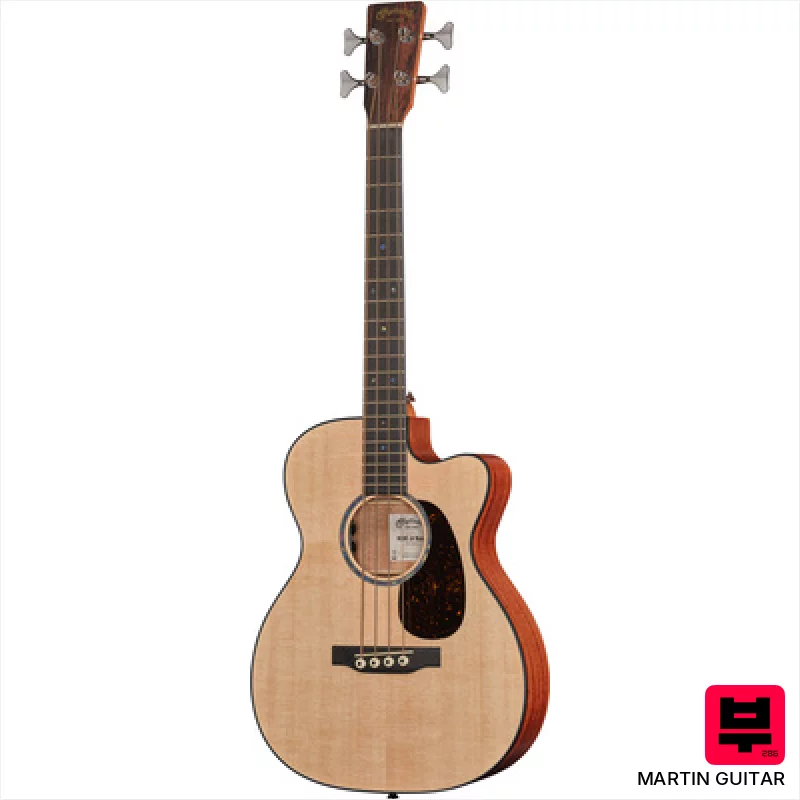
Martin Guitar 000C Jr E Bass
- • Sapele back & sides deliver a warm, resonant low-end foundation.
- • Spruce top provides excellent projection and a bright, responsive character.
- • Martin E-1 pickup system offers a surprisingly natural amplified tone.
- • Ebony fingerboard contributes to smooth playability and note clarity.
- • Shorter scale length limits low-end extension compared to standard basses.
- • Sapele can be a bit 'woody' sounding initially; requires some break-in.
- • Cutaway access isn’t as comfortable as a full-size dreadnought’s.
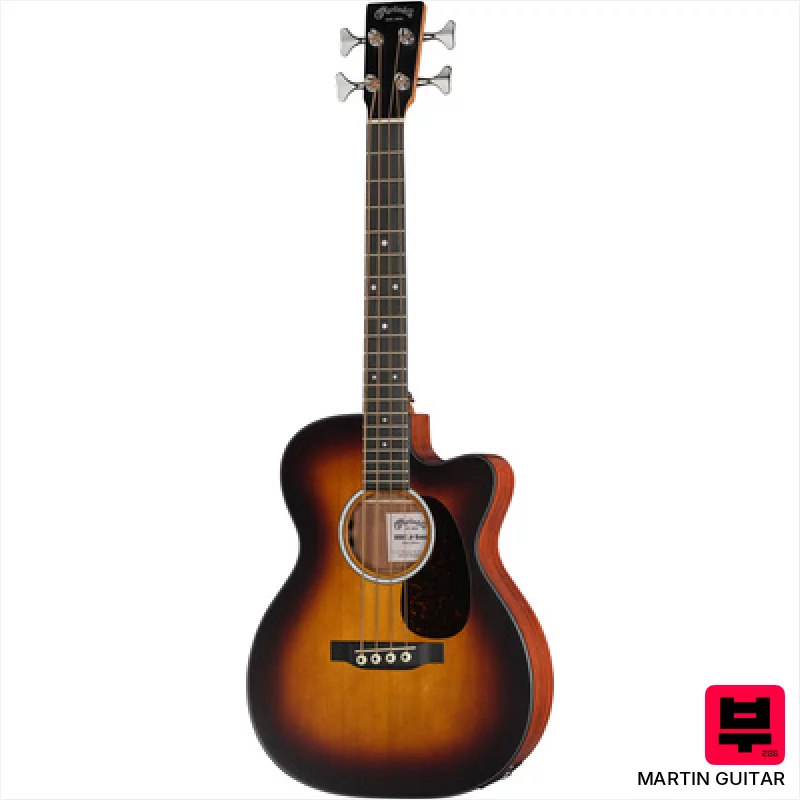
Martin Guitar 000CJR-10E BASS Burst
- • Solid Sapele back/sides deliver warm, resonant low-end tones.
- • Spruce top offers balanced projection and articulation.
- • Fishman Sonitone provides clean, amplified sound with good feedback rejection.
- • Richlite fingerboard and bridge offer excellent stability and tonal response.
- • Sapele can be a bit visually plain compared to Rosewood alternatives.
- • The 24” scale might feel slightly cramped for players with larger hands.
- • The included gig bag is functional but not a premium, padded case.
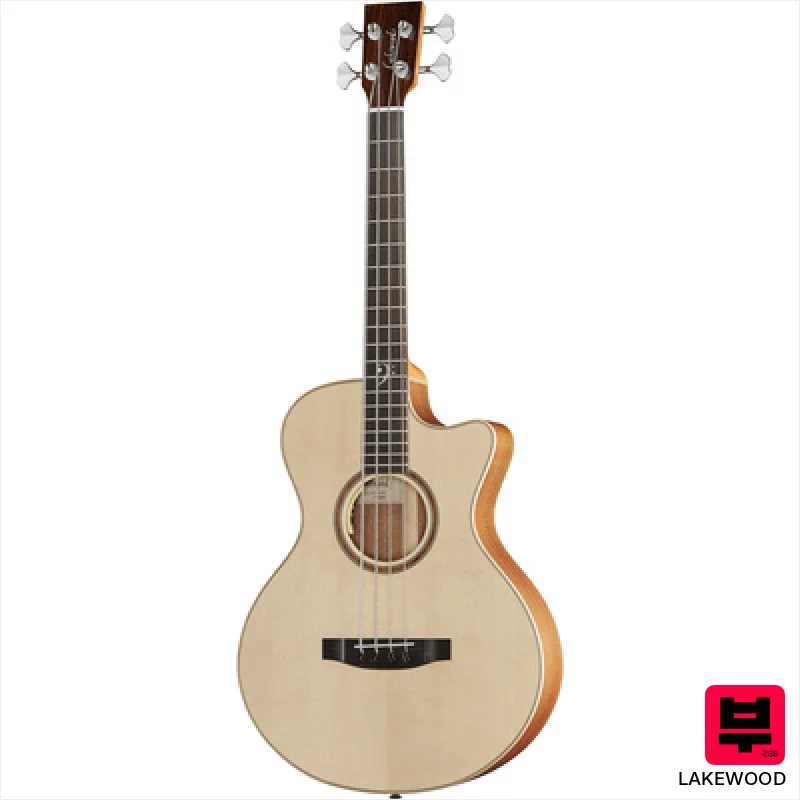
Lakewood A-14 Bass Edition 2024
- • Solid spruce top delivers clear, responsive projection and articulation.
- • Mahogany back & sides provide warm, focused bass response.
- • Cedro neck offers exceptional feel and smooth playability across the fretboard.
- • LR Baggs Anthem pickup system captures acoustic tone with surprising clarity.
- • The longer 630mm scale might feel unwieldy for smaller hands.
- • Mahogany construction can limit versatility for very modern, aggressive tones.
- • Premium-priced, representing a significant investment for many players.
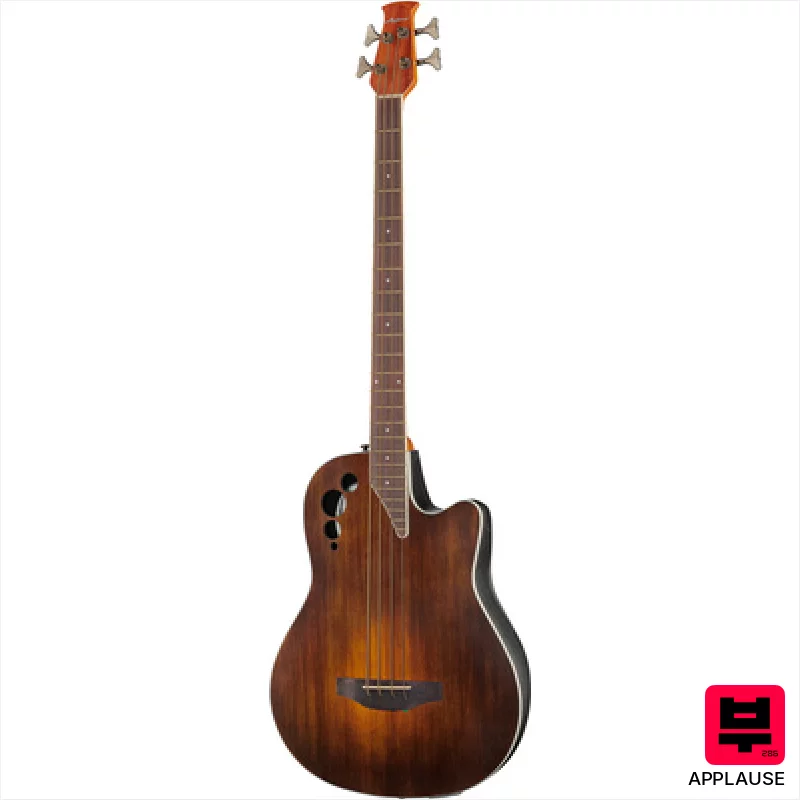
Applause Elite AEB4-7S
- • Spruce top delivers surprisingly articulate and resonant acoustic tone.
- • Lyrachord back/sides offer a warmer, controlled low-end response.
- • CE304T preamp provides useful EQ shaping and a handy tuner.
- • Nato neck offers stability and a comfortable, familiar playing feel.
- • Lyrachord, while warm, can slightly dampen higher-frequency overtones.
- • Bridge inlay material feels a bit cheap for the 'Elite' designation.
- • Vintage varnish satin finish might not appeal to players preferring gloss.
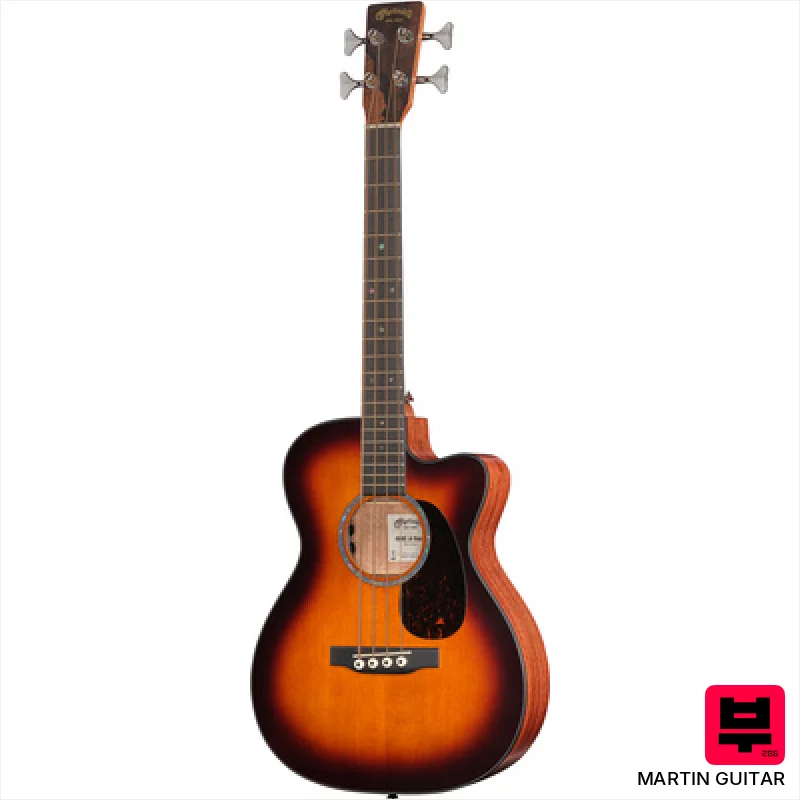
Martin Guitar 000C Jr E Bass Burst
- • Sapele back/sides offer a warm, focused low-end response.
- • Spruce top provides clarity and projection for articulate playing.
- • Ebony fingerboard delivers smooth, fast action and note definition.
- • Martin E-1 pickup system captures natural acoustic tone with useful amplification.
- • Shorter scale length limits low-end extension compared to full-size basses.
- • Burst finish can be a matter of personal aesthetic preference.
- • Sapele's tonal characteristics may not suit all genres perfectly.

Ovation Celebrity Elite CEB44-1N-G
- • Solid spruce top delivers surprising clarity and articulation.
- • Lyrachord body provides excellent acoustic projection and resonance.
- • Slimline pickup and OP4BT preamp offer a usable, amplified tone.
- • Rounded C neck profile promotes comfortable playing for various hand sizes.
- • The Lyrachord body can feel a bit 'boxy' compared to traditional wood.
- • Ovangkol fretboard may require occasional maintenance to prevent dryness.
- • While versatile, it lacks the focused tonal character of a dedicated electric bass.

Ibanez AEGB24FE-MHS Fretless
- • Sapele construction delivers a warm, resonant acoustic tone.
- • Walnut fingerboard offers a smooth, fretless experience with good note definition.
- • Ibanez AEQ-SP2 preamp provides reliable amplification and a convenient tuner.
- • DLX die-cast tuners ensure stable tuning even with frequent playing.
- • The plastic nut can be a point of friction and may benefit from an upgrade later.
- • Sapele top, while warm, lacks the projection of a spruce top for louder acoustic gigs.
- • The .040-.095 string gauge might feel stiff for some fretless players.

Ovation Elite B778TX-5-G
- • Solid Sitka spruce top delivers a clear, resonant acoustic tone.
- • Lyrachord body offers excellent projection and a unique aesthetic.
- • OCP-1K pickup & OP-Pro preamp provide a versatile amplified sound with built-in tuner.
- • Flat neck profile enhances playability, especially for players accustomed to electric basses.
- • The extended scale length (864mm) may feel unwieldy for some bassists.
- • The textured black finish can be prone to fingerprints and smudges.
- • While versatile, it’s not a substitute for a traditional electric bass in high-gain scenarios.
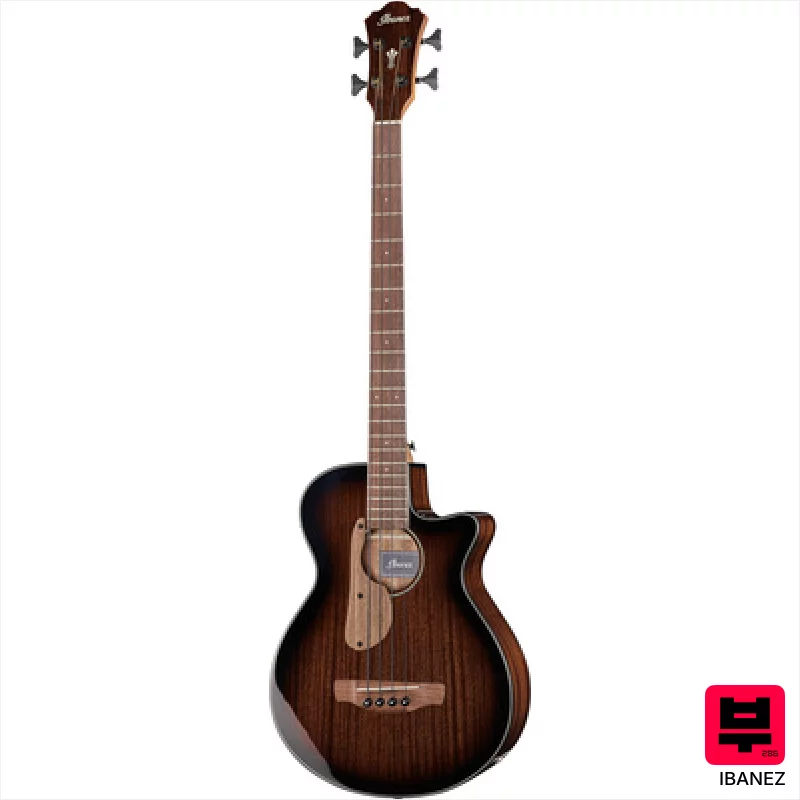
Ibanez AEGB24E-MHS
- • Sapele top offers a warm, resonant acoustic tone.
- • Nyatoh/Maple neck provides a stable, comfortable playing feel.
- • AEQ-2T preamp offers convenient tuning and basic EQ control.
- • Solid build quality for an instrument in its price bracket.
- • Saddle material limits high-end clarity and sustain.
- • Sapele back/sides can sound a bit boxy compared to mahogany.
- • The .040-.095 strings require a bit more finger strength.

Ibanez AEGB24E-BKH
- • Sapele top delivers a warm, articulate acoustic tone.
- • Nyatoh/Maple neck offers comfortable playability and stability.
- • AEQ-2T preamp provides convenient tuning and basic EQ control.
- • Solid build quality for an instrument in this price bracket.
- • Under-saddle pickup can sound a bit 'quacky' when amplified.
- • Sapele construction can be a bit dense, making it slightly heavier.
- • Limited tonal versatility compared to more expensive, all-wood acoustic basses.
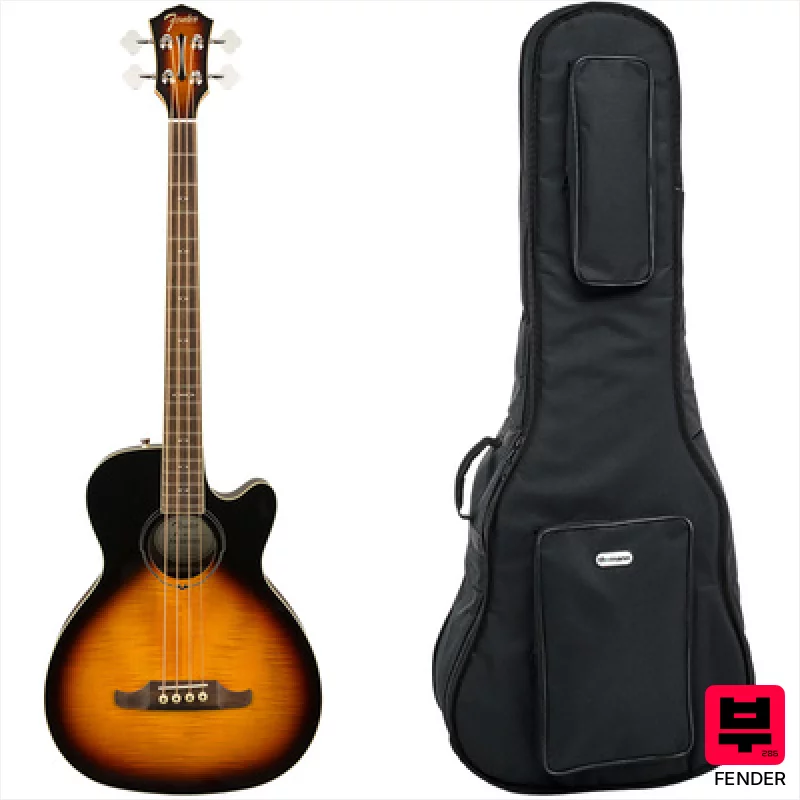
Fender FA-450CE 3TSB A-Bass w/Bag
- • Flamed maple top provides a bright, articulate voice with surprising projection.
- • Mahogany back and sides offer warmth and a pleasing mid-range presence.
- • Viking bridge contributes to solid sustain and efficient string transfer.
- • Fender pickup system delivers usable amplified tones for stage or recording.
- • Nato neck, while stable, lacks the premium feel of mahogany or maple.
- • Gig bag offers basic protection but isn't ideal for frequent travel or gigging.
- • Auditorium body shape may be slightly large for smaller players.
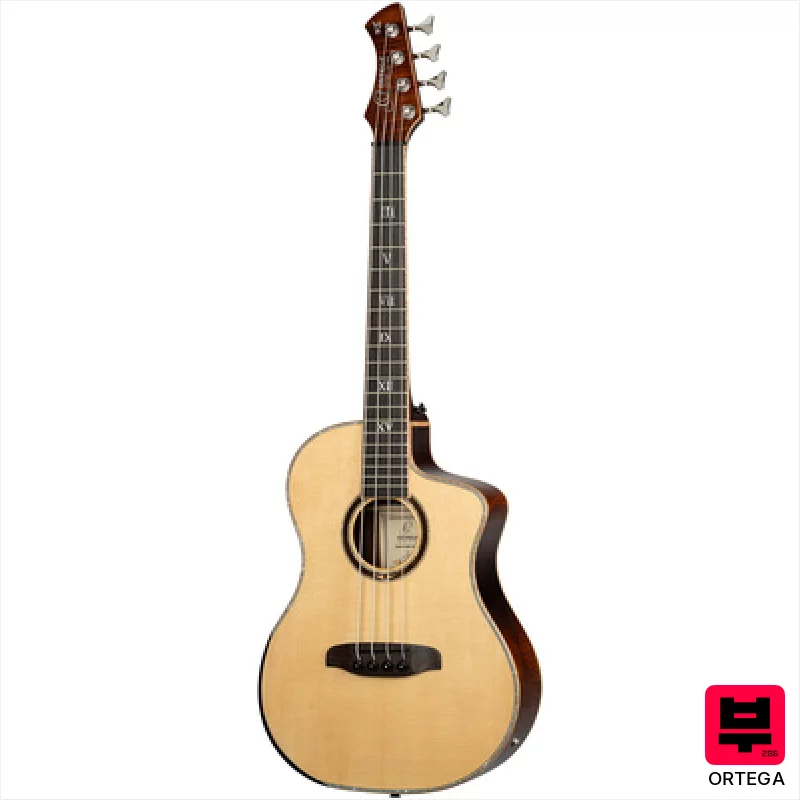
Ortega KT-WALKER-V3 Ken Taylor Sign.
- • Solid spruce top delivers clear, articulate projection and warmth.
- • Flamed maple back/sides add complexity and sustain to the tone.
- • Ortega MagusX pickup system provides a usable, rechargeable amplified signal.
- • Short scale (620mm) offers comfortable playability, especially for smaller hands.
- • Flamed maple back can make the bass somewhat visually busy for some tastes.
- • Nato neck, while stable, lacks the premium feel of mahogany or maple.
- • Short scale limits low-end extension compared to a standard 34” bass.
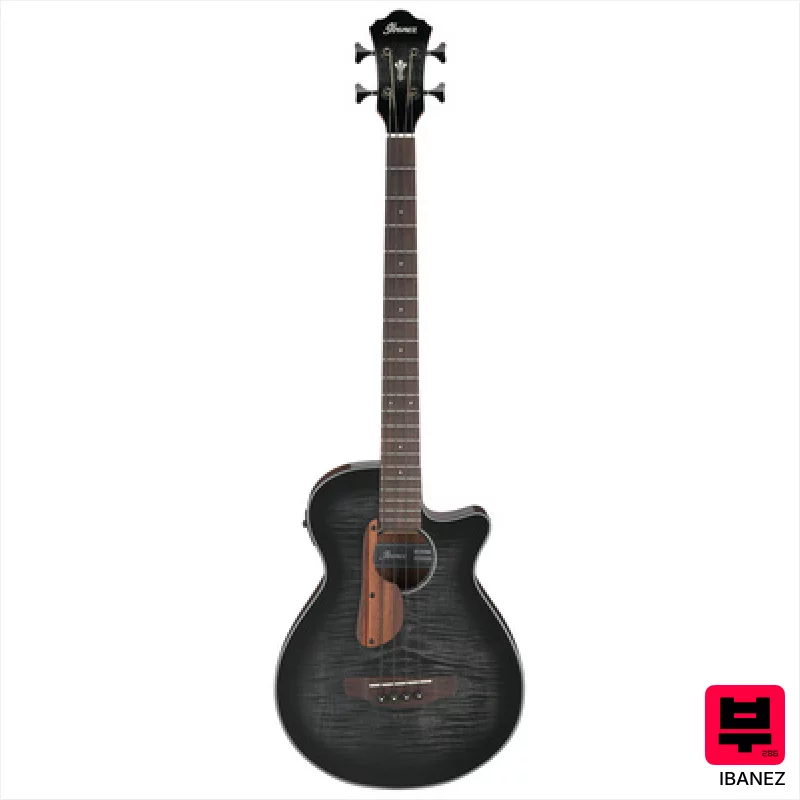
Ibanez AEGB25E-TKH
- • Sapele/Spruce combo delivers warm, resonant acoustic tones.
- • Ibanez AEQ-2T preamp provides convenient onboard tuning and EQ.
- • Bolt-on Nyatoh neck offers comfortable playability and stability.
- • Walnut fingerboard adds a touch of refinement and smooth feel.
- • Sapele body can be a bit dense, resulting in a heavier instrument.
- • Undersaddle pickup system can sound somewhat 'quacky' at higher volumes.
- • Bolt-on neck construction limits sustain compared to set-neck designs.
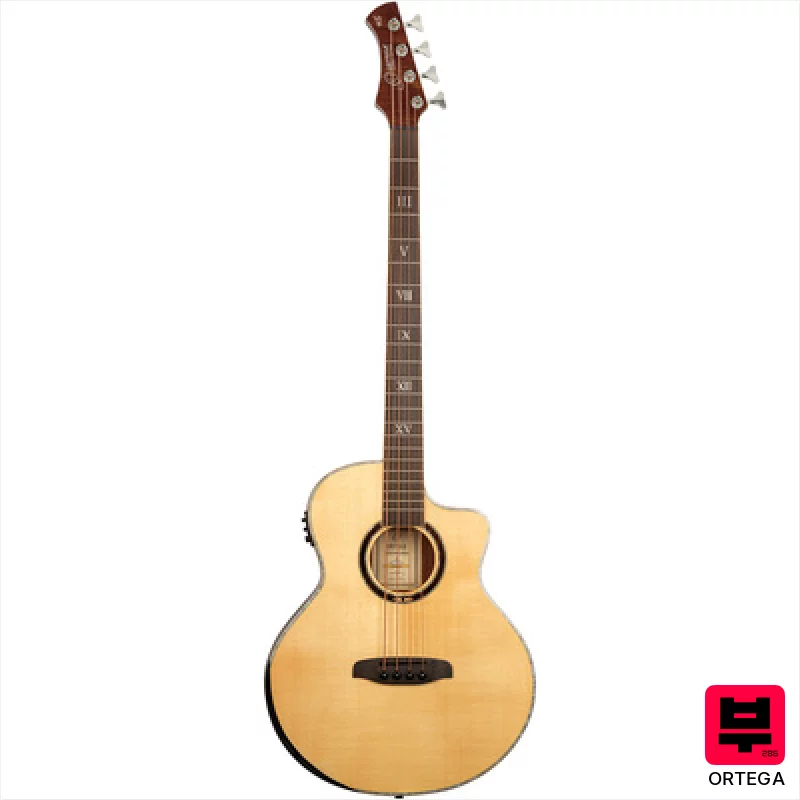
Ortega KTSM2-4 Ken Taylor Signature
- • Solid spruce top delivers a surprisingly articulate and resonant acoustic tone.
- • Ken Taylor's reversed headstock design improves string balance and aesthetics.
- • MagusX/B pickup system provides a clean, usable amplified signal with onboard controls.
- • Flamed maple back and sides add warmth and complexity to the overall sonic character.
- • The thinner body, while comfortable, sacrifices some low-end projection acoustically.
- • Nato neck, while stable, lacks the premium feel of mahogany or maple.
- • Medium scale length might feel slightly cramped for bassists used to longer scales.
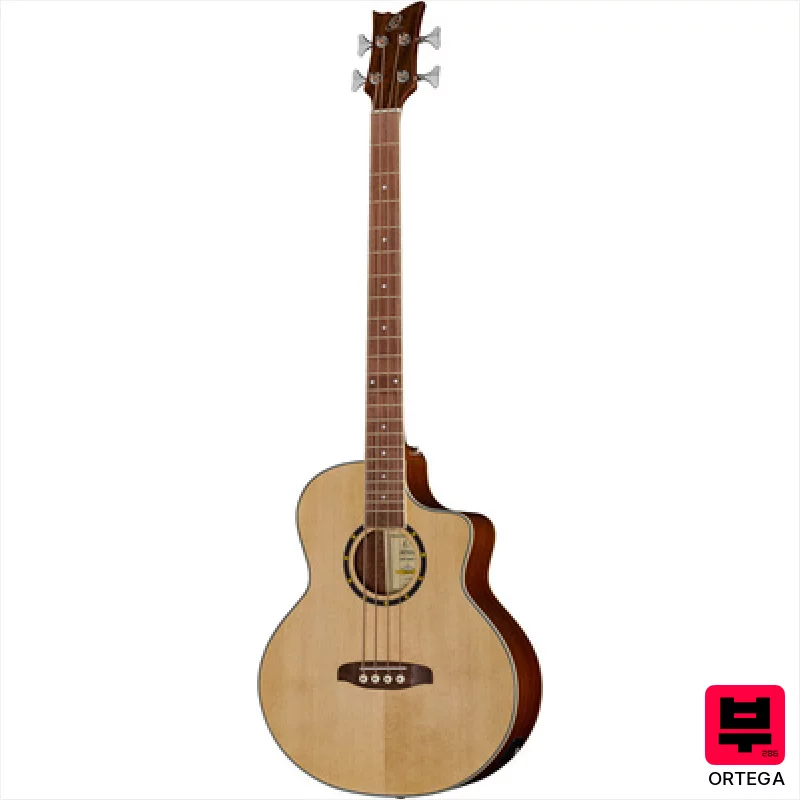
Ortega D7CE-4
- • Spruce top delivers a bright, responsive tone with good projection.
- • Mahogany back and sides add warmth and a pleasant mid-range focus.
- • Ortega MagusPro/B pickup provides a usable amplified sound for stage or recording.
- • The 45mm nut width suits players familiar with wider bass necks, enhancing comfort.
- • Mahogany construction can lack the sustain of more premium tonewoods.
- • The satin finish, while aesthetically pleasing, can feel a bit plasticky to some.
- • The included pickguard is an afterthought and feels cheap compared to the instrument.
How to Choose the Best 4-String Acoustic Basses
Tonality
Acoustic basses need a balanced response - not too boomy in the low-end (which can get overwhelming in a smaller space) and not brittle in the highs. We're looking for that warm, woody character with enough clarity to hear individual notes. That 'fundamental' needs to be present.
Articulation & Dynamics
Can you play a walking bassline cleanly? Does it respond to your touch? A good acoustic bass will reward nuanced playing with dynamic range, allowing you to shape the tone with your fingers. Poor articulation just sounds like a muddy mess.
Cut & Projection
An acoustic bass needs to be heard. It's not about volume, it's about how well it projects in a room without a PA. Good bracing and a well-chosen top wood (like Sitka or Engelmann) are key here.
Build Quality & Neck Profile
Let's be honest, cheap acoustic basses often feel... cheap. Sloppy fretwork, uneven action, and a neck profile that's either too thick or too thin will kill your playing experience. A comfortable neck is crucial for long sessions.
Pickup Voicing (if applicable)
Some acoustic basses have built-in pickups for amplified acoustic sessions. The pickup voicing needs to be natural and not overly processed - we're looking for a representation of the acoustic tone, not a distorted electric bass sound.
Buying Guide
Don't chase the 'loudest' bass; chase the most responsive and tonally balanced. Entry-level acoustic basses often cut corners on bracing and wood quality, which directly impacts the sound and sustain. Spending a little more on a bass with a solid top (not laminate) and a comfortable neck profile will pay dividends in the long run. And be prepared - acoustic basses can be sensitive to string gauge and type; experiment to find what works best for your style and the bass itself.
Our Methodology
We didn't just pore over spec sheets. We spent weeks playing these basses - plugged into preamps for recording, unplugged in rehearsals, and even battling a room full of acoustic guitars. We A/B'd them against each other, focusing on how they sat in a mix and how they felt under the fingers. It's about real-world performance, not marketing hype.

