AudioFu Chart · October 2026
Best Fender 4-String Acoustic Basses 2026
The top pick is Fender CA DLX Kingman Bass CE NAT ($504). Fender CB-60SCE A-Bass Black 2018 gives you the most for the money at $282. Fender Kingman Bass SEB WN leads the high end. Ranked by the AudioFu Index from 3 models, prices checked every night.
Last updated: October 22, 2026
Top 3
Full detail for the 3 highest AudioFu Index scores. Every other model is listed below.
-
- Nut width38.1 mm (1.5")
- Scale762 mm (30")
- Frets20 frets
- Fingerboard radius241 mm (9.49")
- FingerboardWalnut fingerboard
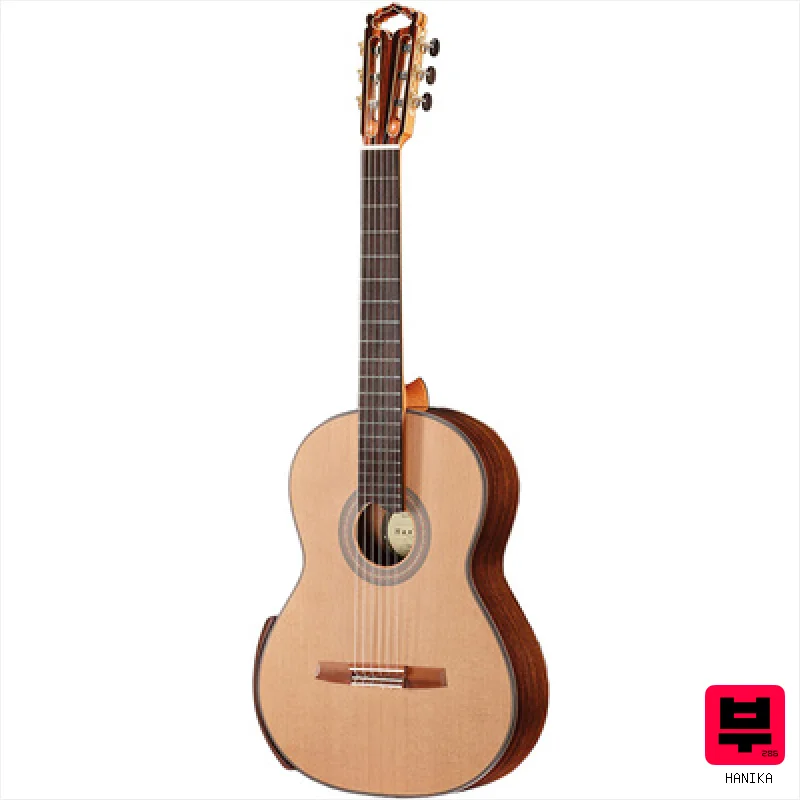
This bass packs a warm, punchy voice thanks to its solid mahogany top and full mahogany body. The slim C neck makes it easy to play, while the built-in tuner and Micarta nut add practical value. It's a straightforward choice for players who want a reliable, budget-friendly option without complex electronics.
Pros
- Solid mahogany top drives strong, warm low-end response.
- Slim C neck profile plays comfortably for smaller hands.
- Fishman CD-1 pickup handles plucking and fretting cleanly.
Cons
- Mahogany body lacks the resonance of spruce or cedar tops.
- Single-ply tortoise pickguard offers less protection than modern options.
53AudioFu
IndexStableno change since Aug 17Aug 17$504 now$504€449 at Thomann · in stockCheck price ↗ -
- Nut width43 mm (1.69")
- Scale813 mm (32.01")
- FingerboardLaurel fingerboard
The CB-60SCE is a surprisingly capable acoustic bass, offering a good balance of affordability and playability. The solid top gives it a decent acoustic voice, and the Fishman electronics make it stage-ready. It's a great option for gigging singer-songwriters or anyone wanting a versatile acoustic bass on a budget.
Pros
- Solid spruce top delivers a surprisingly bright, resonant acoustic tone.
- Mahogany back and sides add warmth and sustain, nicely balanced.
- Fishman CD preamp provides clean, amplified sound with useful EQ controls.
Cons
- Laminated mahogany back and sides limit high-end clarity compared to all-solid wood basses.
- 813mm scale can feel long for players accustomed to shorter bass scales.
51AudioFu
Index↓ 6.7%since Aug 17 · lowest so far$302 · Aug 17$282 now$282€251 at Thomann · in stockCheck price ↗ -
- Nut width38.1 mm (1.5")
- Frets20 frets
- Fingerboard radius305 mm (12.01")
- FingerboardWalnut fingerboard
The Kingman Bass SEB WN is a surprisingly versatile acoustic-electric – great for campfire jams, quieter practice sessions, or adding some warmth to a band mix. The solid spruce top really sings, and the built-in tuner is a real convenience. It's a solid choice for gigging musicians or anyone wanting a good-sounding, affordable acoustic bass.
Pros
- Solid spruce top delivers a bright, resonant acoustic tone with surprising projection.
- Nato neck offers comfortable playability with a slim 'C' profile, well-suited for various hand sizes.
- Built-in tuner is genuinely useful for quick adjustments on the gig or at home.
Cons
- Sapele back and sides, while attractive, limit the bass's overall tonal complexity compared to all-solid wood construction.
- Polyester lacquer finish, while durable, isn't as refined as a premium-priced nitrocellulose finish.
44AudioFu
IndexStableno change since Aug 17Aug 17$656 now$656€584 at Thomann · in stockCheck price ↗
4-String Acoustic Basses by the numbers
Measured across all 53 models we track, not a sample.
median of 51 models · 38.1 mm (1.5")–46 mm (1.81")
median of 47 models · 597 mm (23.5")–864 mm (34.02")
median of 37 models · 19–23
most common · 8 models
How to choose the best 4-String acoustic basses
Heritage & Resale Value
Fender's name carries weight. Even their less-loved acoustic basses tend to hold value better than competitors, especially if they're in decent shape. That said, demand isn't insane like a vintage Strat, so don't expect a fortune.
Tone Character
Fender acoustic basses lean towards a warmer, woodier tone than some of the brighter, more articulate acoustic basses out there. It's got a certain 'earthy' quality, but it can sometimes lack that shimmering high-end sparkle - something to keep in mind if you're looking for a truly crisp, defined sound.
Neck Profile & Playability
Fender's neck profiles are legendary, and most of their acoustic basses follow suit. You'll generally find comfortable 'C' shapes, but some older models can have a bit more of a vintage feel, which might require a truss rod adjustment. The action can sometimes be a bit high out of the box, requiring a setup.
Construction & Materials
While Fender uses solid wood tops on most models, the back and sides are often laminate, which helps keep costs down. This isn't necessarily a bad thing, but it does impact the overall resonance and sustain compared to all-solid wood instruments. Look for tight, clean bracing work - that's a sign of decent build quality.
Amplification & Pickup Voicing
Fender's acoustic bass pickups often have a distinctive voicing - sometimes a little dark and muddy, but capable of a warm, round tone. They're generally not the most articulate pickups, so if you're relying heavily on amplified sound, consider upgrading to something more modern.
Buying guide
Alright, let's talk Fender acoustic basses. They're not the first thing that comes to mind when you think 'vintage Fender,' but they've carved out a unique space. If you're looking for that woody, resonant vibe with a bit more low-end than an acoustic bass guitar, and you want that Fender pedigree, you're in the right place. We're going to break down what makes these instruments tick - and where they fall short sometimes.
Don't expect a Fender acoustic bass to compete with a high-end all-solid wood acoustic from a smaller luthier. The laminate back and sides are a trade-off for that Fender name and price point. Pay close attention to the neck - a good setup can make a huge difference.
If you're gigging, definitely factor in a pickup upgrade for better clarity and headroom.
How the AudioFu Index works
Five measured signals and nothing else — no stars from strangers, no “tested by experts” we didn’t do. The weights are fixed and public. We don’t play these instruments; we measure the market around them.
This chart covers 7 4-String acoustic basses from the Thomann catalogue (of 53 in the category). Before you buy, read hands-on reviews and, where you can, play it. Full methodology.
AudioFu earns a commission when you buy through our Thomann links. It never changes the order — the index does.
- Demand40%
How many of this exact model are for sale on Reverb right now — what musicians actually buy and resell.
- Lineup20%
How many finishes Thomann stocks — makers expand the models that sell.
- Price15%
Where the price has moved since we started tracking in August.
- Specs15%
How completely the maker documents it.
- Maker10%
How deep the brand’s range is in this category.
Questions
Are Fender acoustic basses good for recording?
They can be, but you'll need to be mindful of the darker tone. A bright mic and careful EQ can help, but a more articulate pickup might be a better long-term investment.
What's the difference between the Fender Dreadnought and Grand Concert acoustic basses?
The Dreadnought is bigger, louder, and has more bass response. The Grand Concert is smaller, more comfortable to hold, and has a slightly more balanced tone. Choose based on your playing style and desired sound.
Are Fender acoustic basses easy to play?
Generally, yes. Fender's neck profiles are comfortable, but as with any acoustic bass, the action and setup are crucial. A professional setup is almost always worth it.
Do I need to amplify a Fender acoustic bass?
Not necessarily. They sound great acoustic, but amplification opens up a wider range of tonal possibilities and helps you cut through a band mix. Just be prepared to tweak the EQ.
Are the older Fender acoustic basses better?
Not always. Early models can have quirks, like thicker finishes or less refined bracing. Later models often benefit from improved construction techniques, but the tone might be a bit less 'vintage'. It's all about finding one that feels and sounds good in your hands.