
Best 3/4 Cellos for School Programs 2026
So, you're equipping a school cello program? It's a bigger deal than just slapping any 3/4 cello in front of a kid. You need something that's playable, has a decent enough tone to inspire them, and can handle the inevitable abuse that comes with a classroom environment. Let's break down some solid options that won't leave you regretting your choices - and your budget.
Last updated: July 8, 2026 • Next update: July 15, 2026
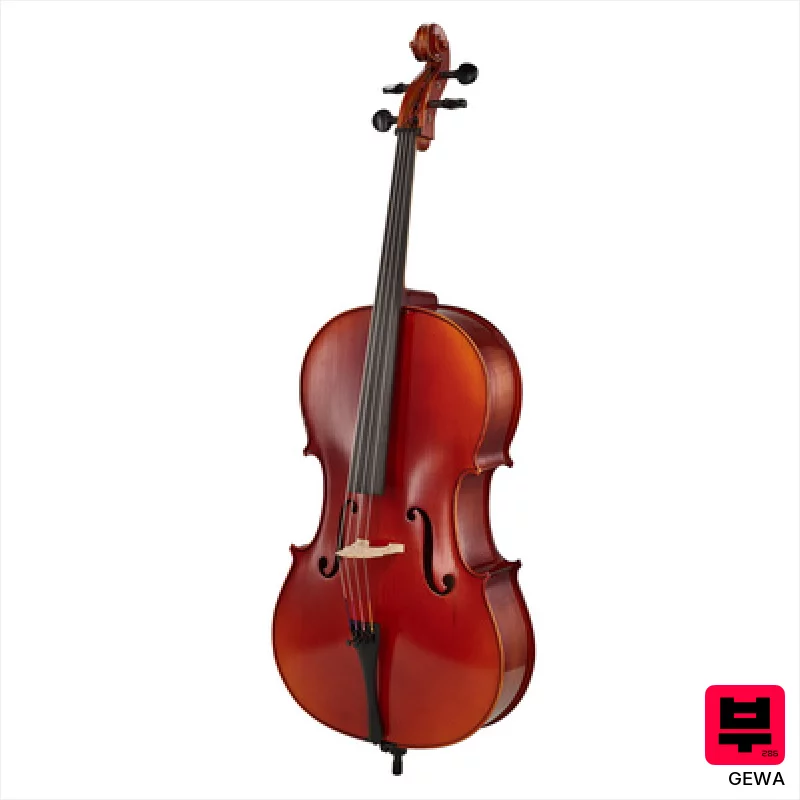
Gewa Ideale VC2 Cello Set 3/4 CB
- • Solid European spruce top delivers a warm, responsive, and projecting tone.
- • Hand-varnished finish enhances the wood's resonance and provides a beautiful aesthetic.
- • Ebony fingerboard and pegs offer a smooth playing experience and reliable tuning stability.
- • Included Larsen Aurora strings provide a surprisingly mature and focused sound for a student cello.
- • The carbon fiber bow, while functional, lacks the nuanced response of a quality pernambuco bow.
- • Solid wood construction means it's slightly heavier than laminate instruments – a consideration for younger players.
- • The inlaid purfling, while attractive, is a relatively basic level of ornamentation for a cello in this price bracket.
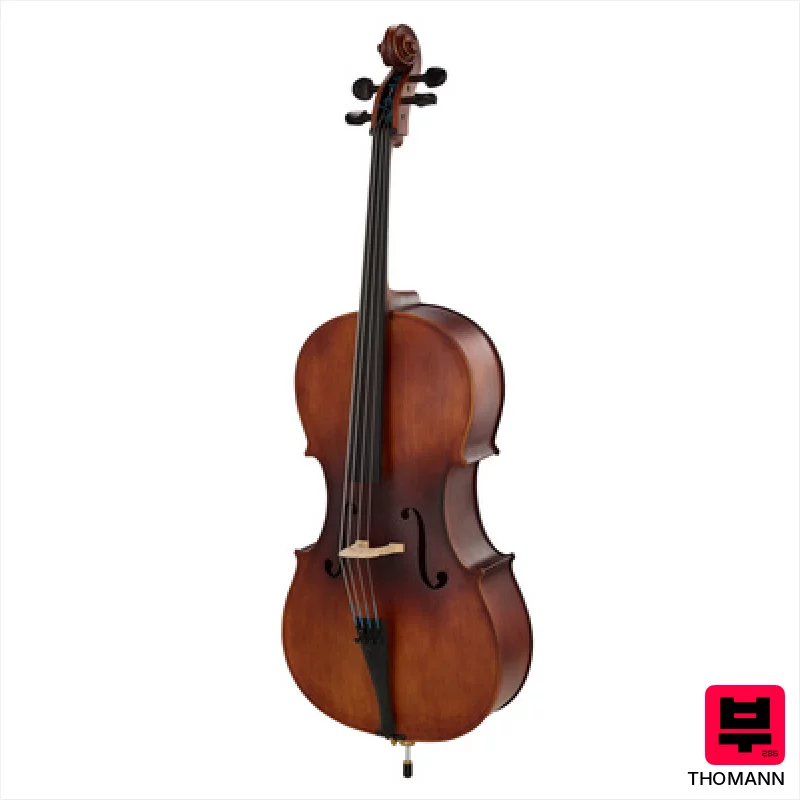
Thomann Classic Cello Set 3/4
- • Jargar Young Talent strings offer a surprisingly good, warm beginner tone.
- • Solid maple neck provides decent stability and a playable feel for young hands.
- • Composite tailpiece with fine tuners simplifies tuning for less experienced players.
- • Complete set with bow and rosin makes it immediately playable and affordable.
- • Plywood back and sides limit resonance and overall tonal complexity.
- • Jujube tuning pegs can be a bit finicky and require careful adjustment.
- • The included bow is basic and will likely need upgrading as skill progresses.
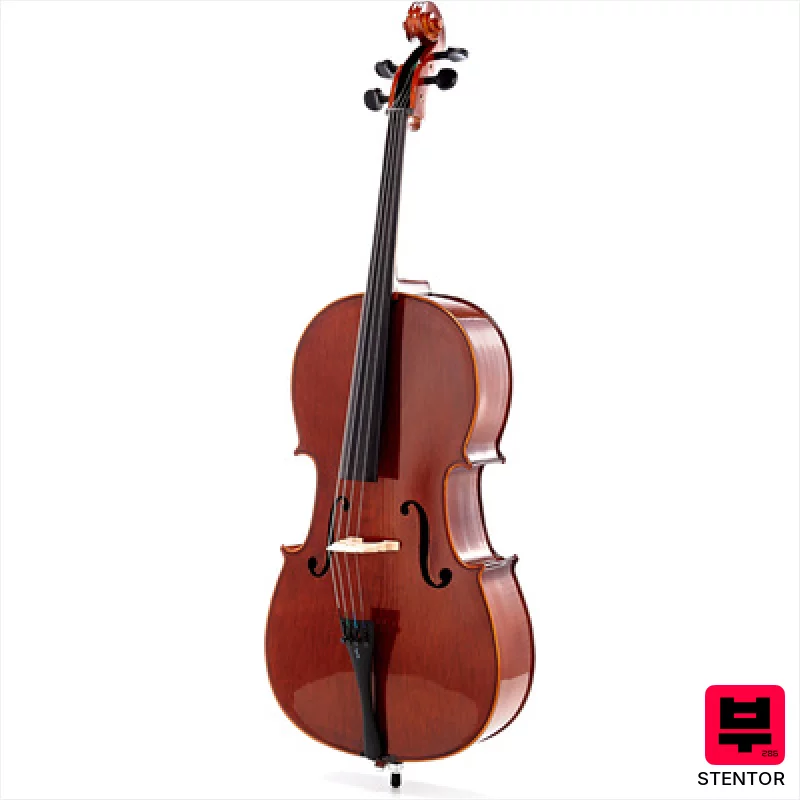
Stentor SR1586 Cello Conservatoire 3/4
- • Solid wood construction delivers a noticeably richer, warmer tone.
- • Ebony fingerboard and pegs offer improved playability and tuning stability.
- • Beautifully flamed maple back enhances the cello's aesthetic appeal and resonance.
- • Lightweight moulded case provides practical protection for transport and storage.
- • The included bow is serviceable but a significant upgrade would be beneficial for serious students.
- • Solid wood construction makes it slightly heavier than some composite alternatives.
- • The inlaid purfling, while attractive, is a relatively minor detail.
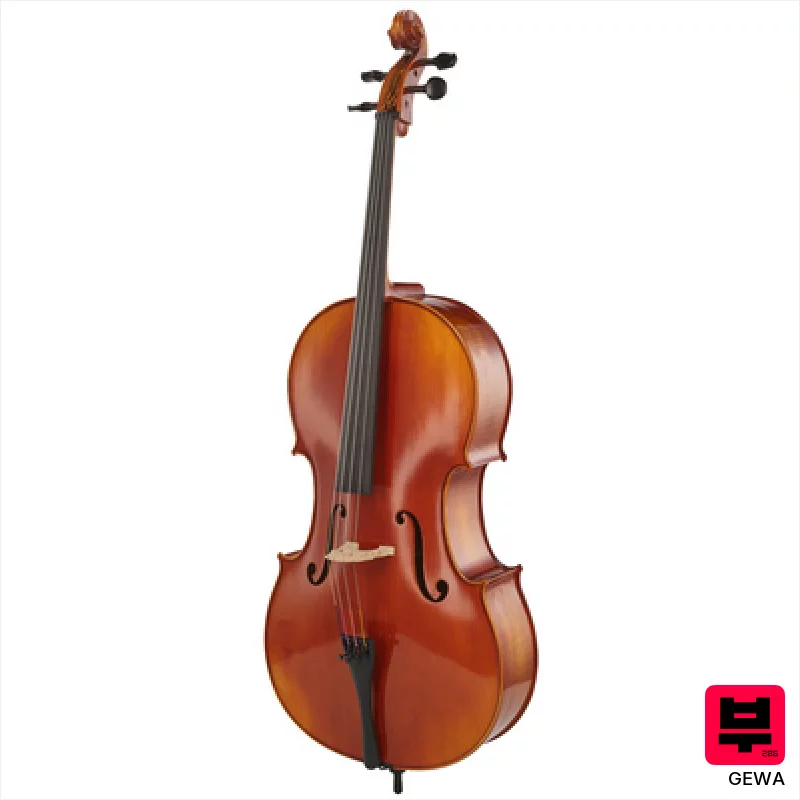
Gewa Maestro 1 Cello Set 3/4 CB
- • European tonewood provides a warm, resonant, and mature tonal character.
- • Solid maple back/sides offer enhanced projection and sustain compared to layered wood.
- • Ebony fittings ensure durability and a smooth, responsive playing experience.
- • Larsen Aurora strings deliver a focused, clear tone suitable for various playing styles.
- • Hand-varnished finish, while beautiful, may exhibit slight inconsistencies in color.
- • 3/4 size limits suitability for older, taller students; check measurements carefully.
- • Included carbon fiber bow is functional, but a higher-quality bow would improve response.
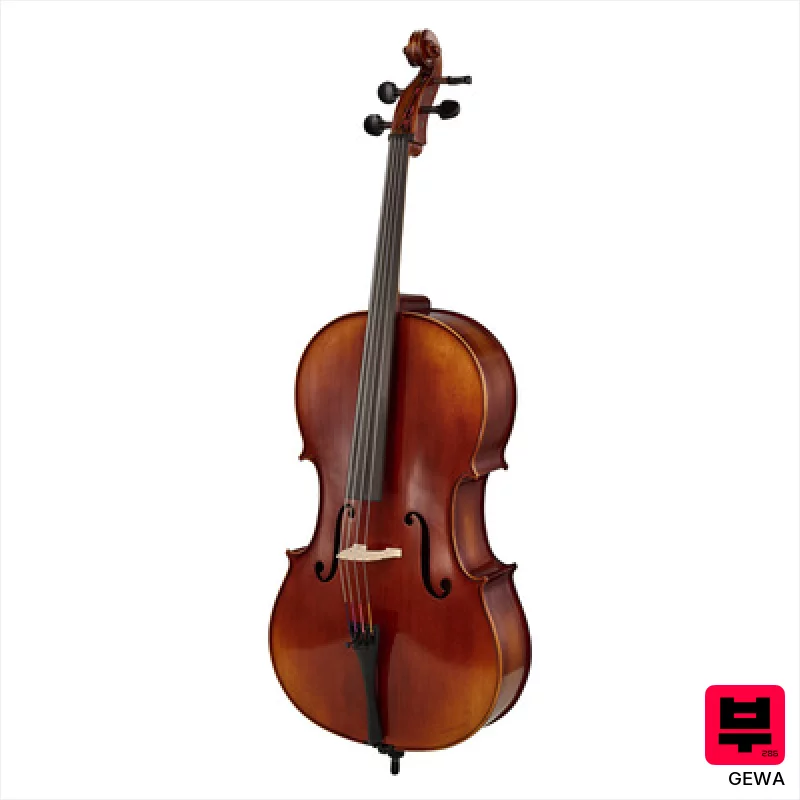
Gewa Allegro VC1 Cello Set 3/4 CB
- • Solid European spruce top delivers a surprisingly resonant, mature tone.
- • Ebony fingerboard and pegs offer excellent playability and tuning stability.
- • Larsen Aurora strings are a significant upgrade for a student cello.
- • Hand-varnished finish enhances the cello’s aesthetic appeal and tonal projection.
- • The included carbon fiber bow is serviceable but lacks the responsiveness of a higher-grade bow.
- • While the tonewoods are European, the overall construction prioritizes affordability over premium aging.
- • The cello bag, while functional, is basic and lacks robust protection for travel.
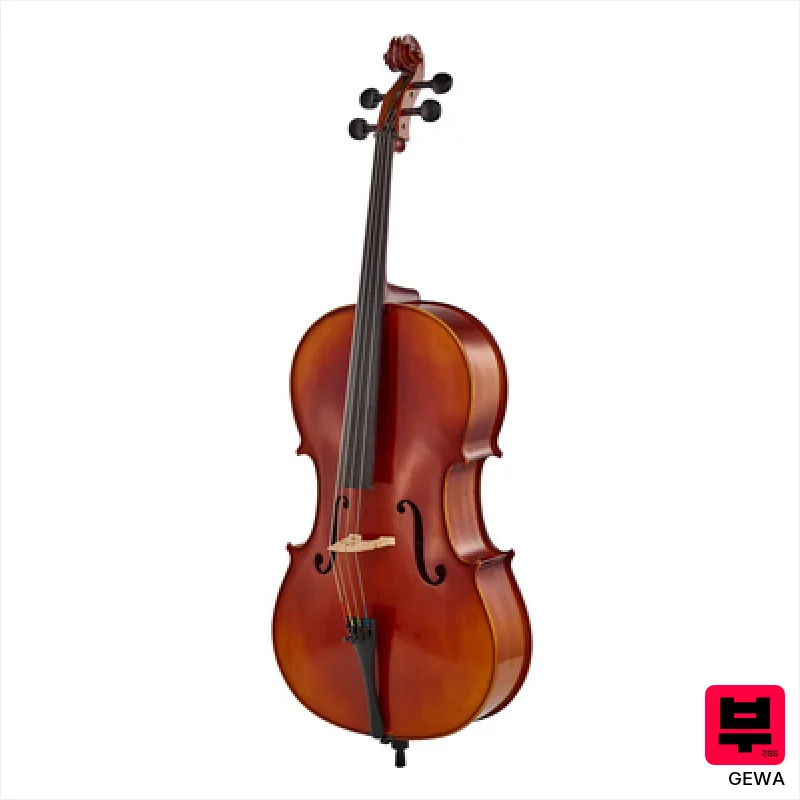
Gewa Allegro VC1 Cello Set 3/4 MB
- • Solid European tonewoods deliver a surprisingly rich, warm tone.
- • Aubert bridge and Wittner tailpiece enhance resonance and tuning stability.
- • Larsen Aurora strings offer a responsive and clear playing experience.
- • Massaranduba bow provides decent projection for a student-level instrument.
- • Massaranduba bow lacks the responsiveness of higher-end pernambuco bows.
- • The brown-amber varnish, while attractive, can be a bit thick and dampen the top’s vibration.
- • 3/4 size may feel cramped for older or taller students.

Gewa Ideale VC2 Cello 3/4
- • Solid European spruce top delivers a surprisingly mature, resonant tone for a student cello.
- • Flamed European maple back and sides contribute to a warm, focused projection.
- • Ebony fingerboard and pegs offer improved response and a more professional feel.
- • Hand-varnished finish enhances the wood's natural acoustic properties and aesthetics.
- • The Aubert bridge, while decent, might be a future upgrade for serious students.
- • 3/4 size is naturally smaller, potentially less comfortable for taller or older children.
- • The natural resin varnish, while beautiful, requires careful maintenance to prevent stickiness.
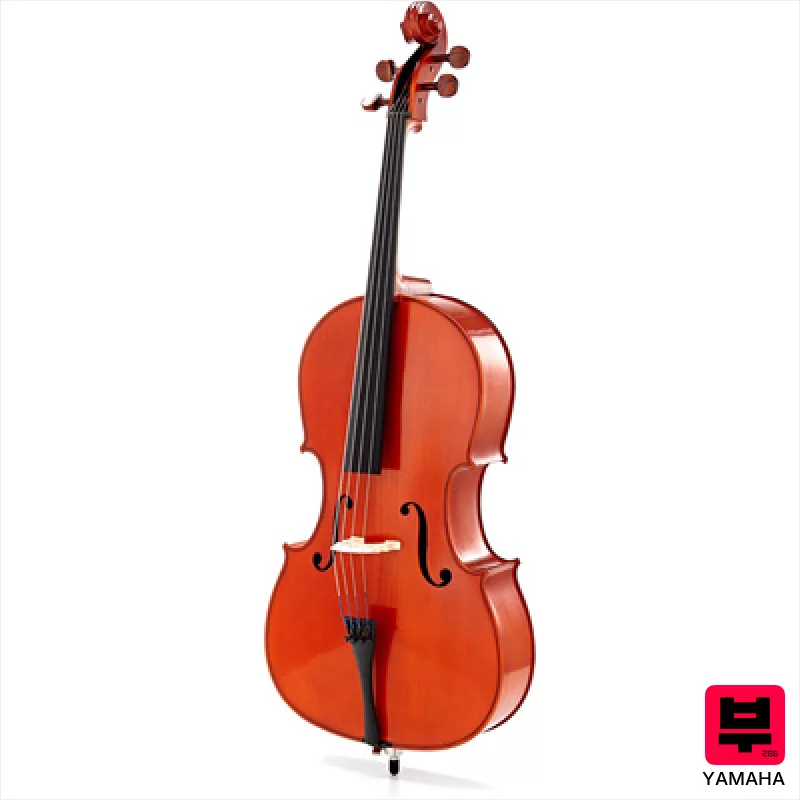
Yamaha VC 5S34 Cello 3/4
- • Solid spruce top delivers a surprisingly warm, resonant tone.
- • Maple back and sides contribute to focused projection and clarity.
- • Ebony fingerboard offers a smooth playing experience, crucial for young players.
- • Included bow and rosin provide a complete, ready-to-play package.
- • The included bow is serviceable but a significant upgrade would benefit tone.
- • 3/4 size may feel cramped for older, larger children or smaller adults.
- • The included case is basic, offering minimal protection for travel.

Gewa Allegro VC1 A Cello 3/4 MB
- • Solid European spruce top delivers a surprisingly resonant, mature tone.
- • Ebony fittings offer excellent response and a refined feel under the fingers.
- • The Massaranduba bow provides a decent starting point for bowing technique.
- • Inlaid purfling adds a touch of elegance, elevating the instrument's aesthetic.
- • The antique varnish, while attractive, can be quite thick and potentially dampen high frequencies.
- • The included bow, while adequate, will likely be an upgrade point for serious students.
- • 3/4 size may feel cramped for taller or rapidly growing young players.
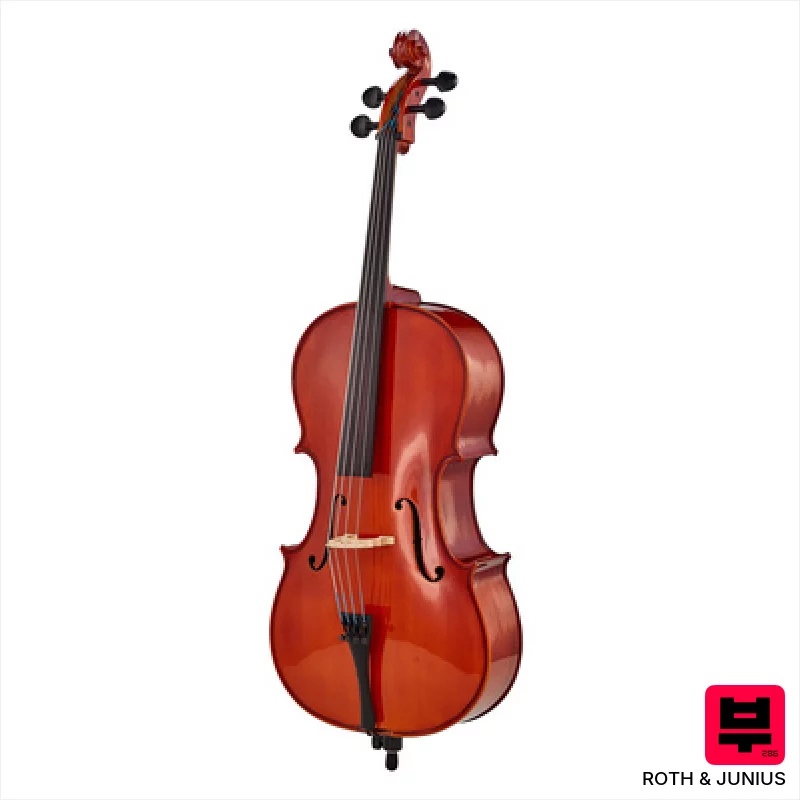
Roth & Junius RJC Cello Set 3/4
- • Solid spruce top delivers a surprisingly warm, resonant tone for the price.
- • Ebony fingerboard and pegs offer improved precision and responsiveness.
- • Jargar Young Talent strings provide a good starting point for developing cellists.
- • German setup ensures a playable and consistent instrument right out of the box.
- • The included bow, while functional, lacks the responsiveness of higher-end models.
- • Solid wood construction means it’s susceptible to temperature and humidity changes.
- • The included bag is basic and offers minimal protection for travel.

Stentor SR1590 Cello Messina 3/4
- • Solid spruce top delivers a surprisingly warm and resonant tone for the price.
- • Handmade construction, finished in England, suggests a higher level of craftsmanship.
- • Pirastro strings offer a good starting point for a pleasing, mature cello sound.
- • Solid maple back and sides contribute to a focused, well-projected tonal character.
- • Shellac varnish, while traditional, can be more delicate and requires careful maintenance.
- • 3/4 size may still be a bit unwieldy for very young or smaller students.
- • Ebony fingerboard, while quality, might require occasional professional leveling.
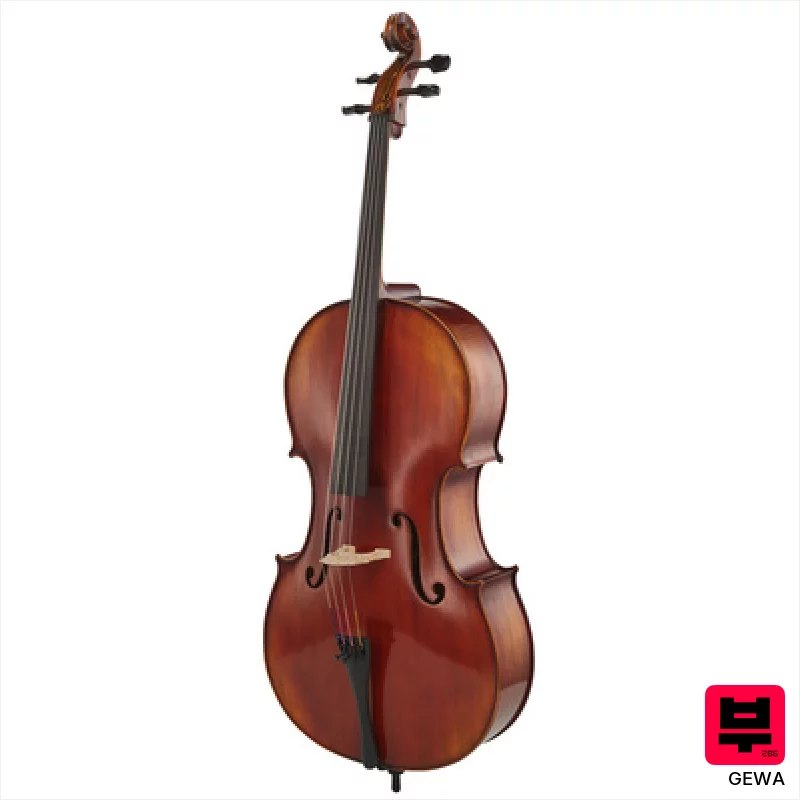
Gewa Maestro 2 Cello Set 3/4 CB
- • European tonewood delivers a warm, resonant, and mature tonal palette.
- • Solid maple back/sides enhance projection and sustain noticeably.
- • Ebony fittings offer excellent response and a refined feel under the fingers.
- • Larsen Aurora strings provide a focused, clear, and vibrant sound.
- • Hand-applied varnish, while beautiful, can exhibit slight color variations.
- • Carbon fiber bow is adequate but a more advanced bow would elevate performance.
- • 3/4 size limits suitability for older or taller students.
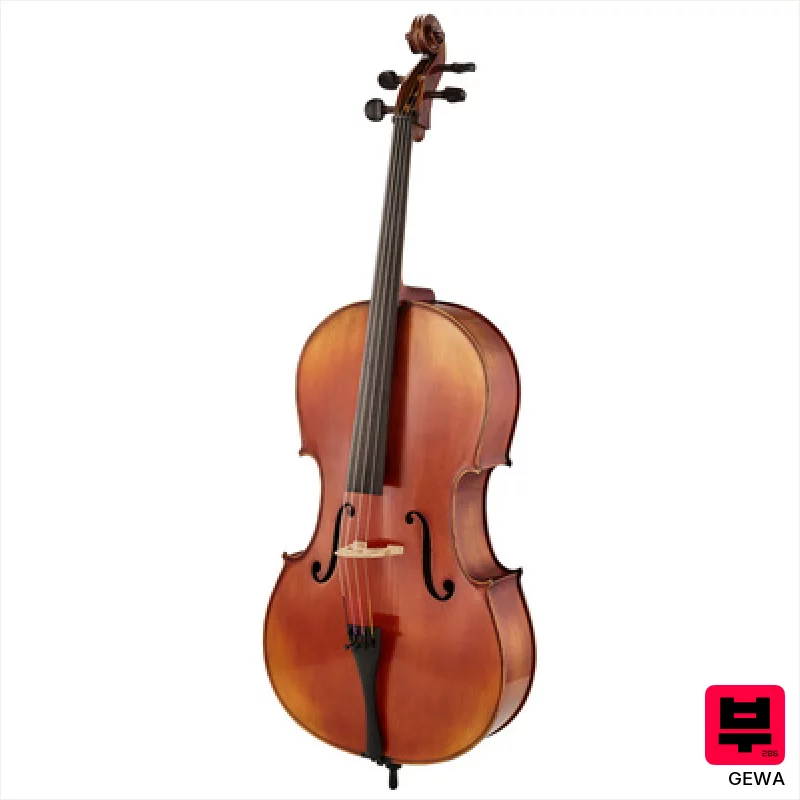
Gewa Allegro VC1 A Cello 3/4
- • European tonewoods offer a surprisingly mature, resonant voice.
- • Ebony fittings contribute to a refined feel and improved response.
- • The antique varnish adds visual appeal and subtly influences tonal character.
- • Larsen Aurora strings provide a focused, clear, and well-balanced sound.
- • The antique varnish finish can exhibit slight color variations, impacting aesthetic consistency.
- • 3/4 size might feel restrictive for taller or more advanced young players.
- • While solid wood, the overall construction leans toward student-grade, limiting ultimate projection.
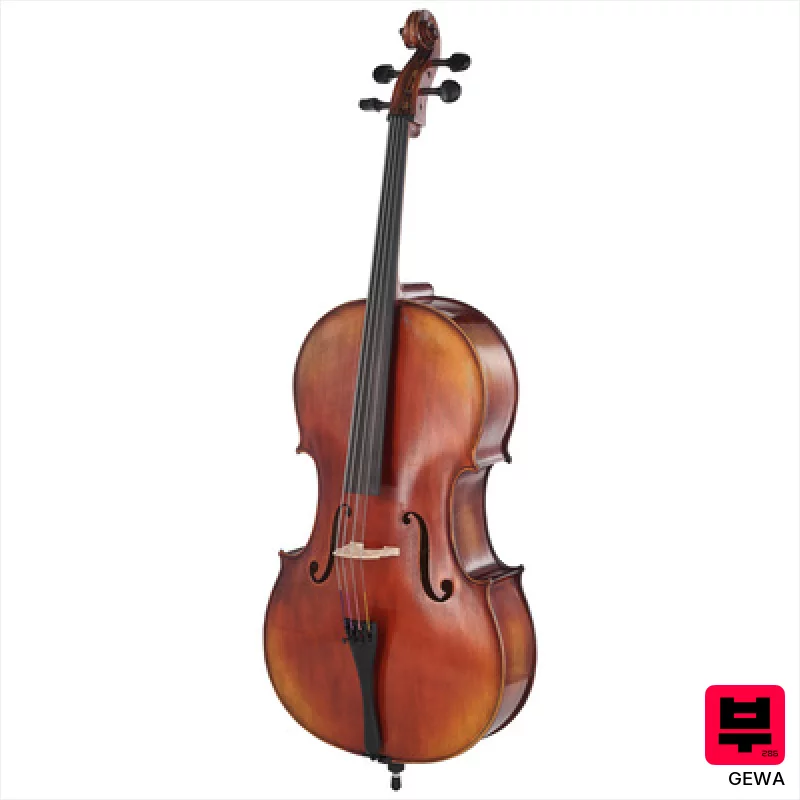
Gewa Allegro VC1 A Cello 3/4 SB
- • European spruce top delivers a surprisingly resonant and clear tone.
- • Solid maple back/sides contribute to a warm, focused projection.
- • Ebony fittings offer improved response and a refined aesthetic.
- • Included Larsen Aurora strings provide a good starting point for quality sound.
- • Antique varnish, while attractive, can be prone to minor cosmetic imperfections.
- • 3/4 size limits suitability for taller or more advanced players.
- • The included bow, while functional, isn't a high-end instrument and may be upgraded.
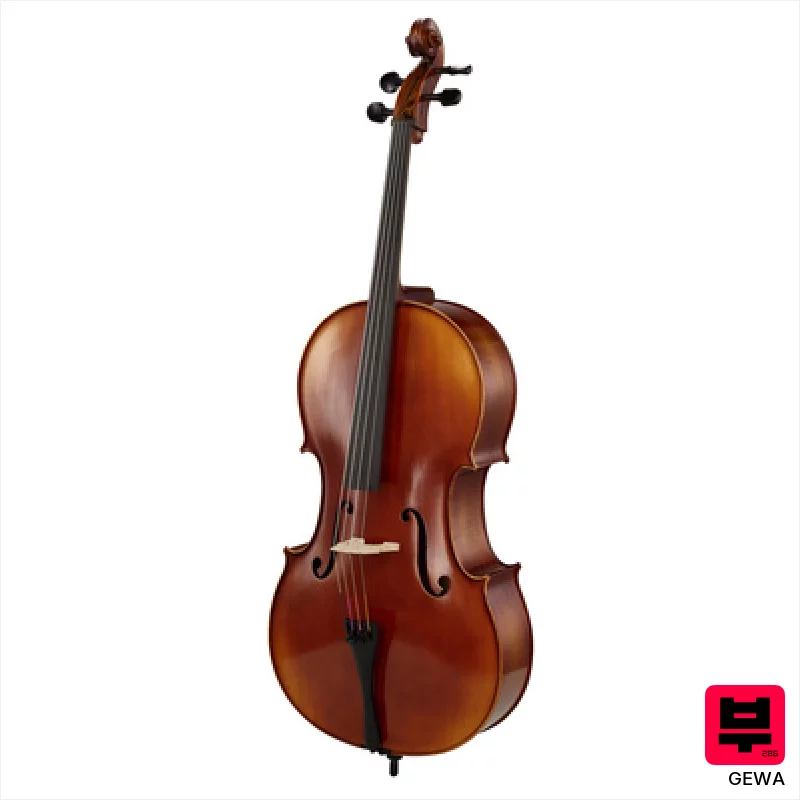
Gewa Allegro VC1 Cello 3/4
- • European spruce top delivers a bright, responsive, and focused tone.
- • Solid maple back and sides contribute to a warm, resonant, and mature sound.
- • Larsen Aurora strings offer a professional-level playing experience right out of the box.
- • Ebony fretboard and pegs provide excellent durability, smooth response, and precise intonation.
- • The brown-amber varnish, while attractive, might be a bit thick for some players’ preferences.
- • 3/4 size is naturally best suited for younger or smaller players, limiting its appeal to adults.
- • While well-made, the included bow is a standard model and may be upgraded later for improved response.
How to Choose the Best 3/4 Cellos
Playability/Setup
A low action is crucial - especially for younger players. A neck that's too thick or a high string height will just turn them off. We're looking for something that's comfortable to hold and doesn't require a wrestling match to get a decent sound.
Tonal Response
Forget about a deep, resonant low end; that's a luxury. We're looking for a cello that has a clear, focused tone across the range, avoiding that muddy, boxy quality that's common on cheaper instruments. A bit of projection is important too - it needs to cut through a string section.
Construction Quality
School cellos take a beating. We're checking for solid wood (top at the very least), decent fittings, and overall build integrity. Sloppy construction translates to more headaches down the line - cracked seams, loose pegs, warped bows.
Durability
Let's be honest, these instruments aren't getting pampered. A robust chinrest, a sturdy tailpiece, and a reliable bridge are all vital. The finish needs to be relatively resilient to scratches and bumps - a thick, glossy finish is a plus.
Versatility
While a cello primarily serves classical music, some versatility is beneficial. Can it handle a pizzicato section? Does it respond well to a slightly different bowing technique? A more responsive instrument opens up possibilities for exploring different musical styles.
Buying Guide
Don't chase the 'best' sounding cello if it's unplayable. A slightly less impressive tone that a student can actually play is far more valuable. Corners get cut on wood quality - often the back and sides are made of laminated wood, which isn't inherently bad but affects the tonal projection. Pay attention to the setup; even a decent cello can sound awful with a bad setup. Spending a little more on a professional setup can make a huge difference.
Our Methodology
We've spent a lot of hours playing these instruments - not just noodling, but running them through scales, arpeggios, and some basic orchestral excerpts. We've A/B'd them against each other, listened for those crucial tonal nuances, and even had some student players give them a spin to see how they feel under the hand. It's about real-world performance, not just what the spec sheet says.

