AudioFu Chart · October 2026
Best 3/4 Cellos for Beginner 2026
The top pick is Gewa Allegro VC1 Cello 3/4 ($953). Gewa Maestro 2 Cello 3/4 leads the high end. Ranked by the AudioFu Index from 19 models across 7 brands, prices checked every night.
Last updated: October 20, 2026
Top 10
Full detail for the 10 highest AudioFu Index scores. Every other model is listed below.
-
- Size3/4 size
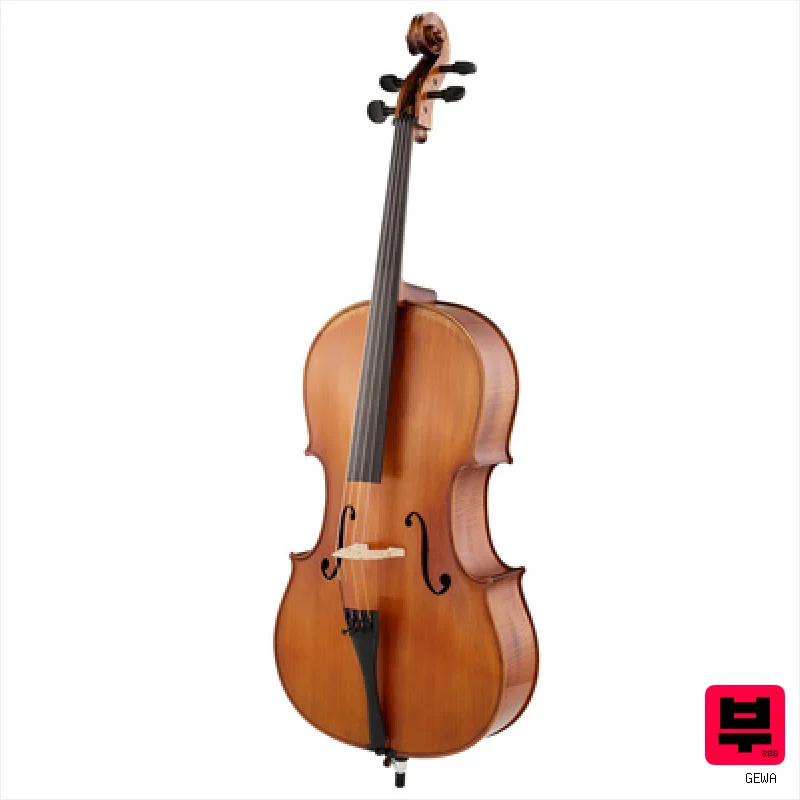
The Gewa Allegro VC1 3/4 is a solid entry-level cello, well-suited for serious young students or smaller adults needing a manageable size. The combination of European tonewoods and Larsen strings provides a surprisingly mature and pleasant sound, offering excellent value for the price and a great foundation for developing technique.
Pros
- European spruce top delivers a bright, responsive, and focused tone.
- Solid maple back and sides contribute to a warm, resonant, and mature sound.
- Larsen Aurora strings offer a professional-level playing experience right out of the box.
Cons
- The brown-amber varnish, while attractive, might be a bit thick for some players’ preferences.
- 3/4 size is naturally best suited for younger or smaller players, limiting its appeal to adults.
57AudioFu
IndexStableno change since Aug 17Aug 17$953 now$953€849 at Thomann · in stockCheck price ↗ -
- Size3/4 size
This Thomann cello set is a solid entry point for young students or those just starting out. The included accessories and decent string set make it a complete package, and the maple neck offers a relatively comfortable playing experience. It's a great way to get started without a huge investment.
Pros
- Jargar Young Talent strings offer a surprisingly good, warm beginner tone.
- Solid maple neck provides decent stability and a playable feel for young hands.
- Composite tailpiece with fine tuners simplifies tuning for less experienced players.
Cons
- Plywood back and sides limit resonance and overall tonal complexity.
- Jujube tuning pegs can be a bit finicky and require careful adjustment.
22AudioFu
IndexStableno change since Aug 17Aug 17$616 now$616€549 at Thomann · in stockCheck price ↗ -
- Size3/4 size
This Gewa Pure Celloset is a solid starting point for young cellists. The solid wood construction gives it a surprisingly mature tone for an entry-level instrument, and the included bag and bow make it a complete package. It's a dependable option for beginners and early intermediate students looking for a well-rounded cello set.
Pros
- Solid spruce top delivers a warm, resonant tone suitable for student development
- Maple back provides good projection and a balanced sonic character
- Nytex cello bag offers excellent protection against bumps and humidity
Cons
- The bow hair, while natural, may require frequent re-rosining for optimal playability
- Solid maple back and sides can make the cello feel slightly heavier for younger players
-
- Size3/4 size
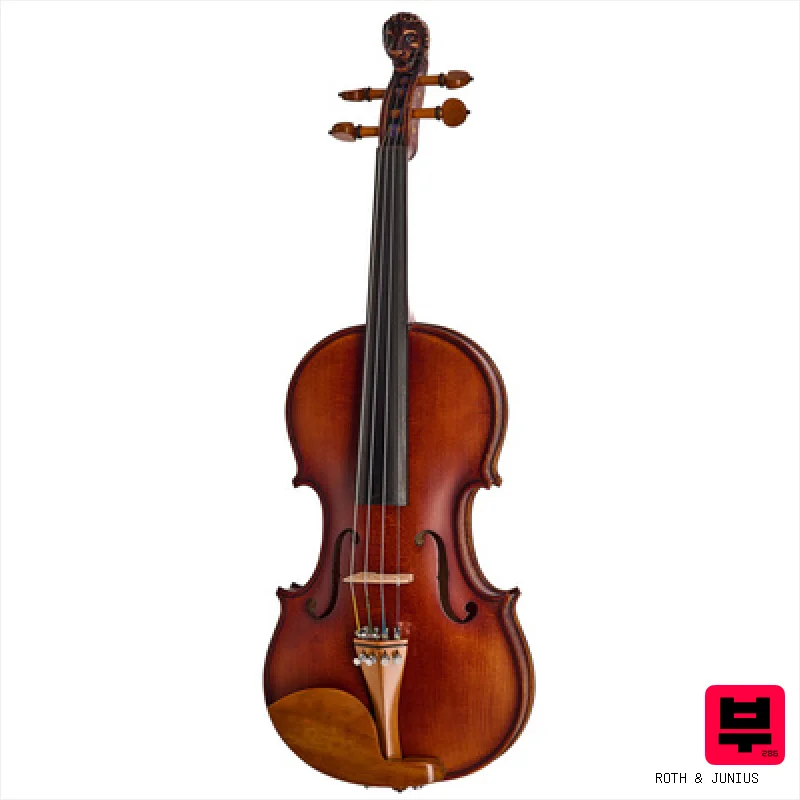
This Roth & Junius RJC is a solid choice for young or beginner cellists needing a full-size experience without the premium price tag. The all-solid wood construction provides a surprisingly mature tone, and the German setup makes it immediately playable. It's a well-rounded package that’s ideal for students progressing beyond a beginner’s instrument.
Pros
- Solid spruce top delivers a surprisingly warm, resonant tone for the price.
- Ebony fingerboard and pegs offer improved precision and responsiveness.
- Jargar Young Talent strings provide a good starting point for developing cellists.
Cons
- The included bow, while functional, lacks the responsiveness of higher-end models.
- Solid wood construction means it’s susceptible to temperature and humidity changes.
22AudioFu
IndexStableno change since Aug 17Aug 17$671 now$671€598 at Thomann · in stockCheck price ↗ -
Alfred Stingl by Höfner AS260 C3/
4 Celloset Not on Reverb yet1 finish at Thomann
- Size3/4 size
This cello set offers a solid spruce top and pretty flamed maple body, making it look and feel professional. It comes with a nice brazilwood bow and a sturdy case for easy transport. It's a good choice for young players who want a sturdy instrument without breaking the bank.
Pros
- Solid Manchurian spruce top ensures strong projection
- Beautifully flamed maple back and sides add visual appeal
- Hand-applied spirit varnish gives a warm, dark gold-brown finish
Cons
- No specific tonal character or sound profile is described
- Lacks details on back and side wood types beyond maple
38AudioFu
IndexStableno change since Aug 17Aug 17$953 now$953€849 at Thomann · in stockCheck price ↗ -
- Size3/4 size
The Hidersine Vivente 3/4 cello is a well-considered package for younger students or those just starting out. The solid spruce top delivers a respectable tone, and the maple back adds a touch of elegance. It’s a solid choice for beginners needing a complete, affordable set.
Pros
- Solid spruce top provides a surprisingly resonant, warm tone.
- Flamed maple back offers visual appeal and contributes to projection.
- Ebony fingerboard facilitates smoother, faster playing for developing technique.
Cons
- The included bow is entry-level; an upgrade will significantly improve tone.
- Silk matte finish can be prone to fingerprints and requires careful cleaning.
22AudioFu
IndexStableno change since Aug 17Aug 17$953 now$953€849 at Thomann · in stockCheck price ↗ -
- Size3/4 size
The Gewa Ideale VC2 is a really solid choice for a young cellist stepping up from a beginner instrument. The all-solid wood construction gives it a surprisingly rich and mature voice, and the ebony fittings feel great under the fingers. It’s a great value for a student looking for a cello with real potential.
Pros
- Solid European spruce top delivers a surprisingly mature, resonant tone for a student cello.
- Flamed European maple back and sides contribute to a warm, focused projection.
- Ebony fingerboard and pegs offer improved response and a more professional feel.
Cons
- The Aubert bridge, while decent, might be a future upgrade for serious students.
- 3/4 size is naturally smaller, potentially less comfortable for taller or older children.
48AudioFu
IndexStableno change since Aug 17Aug 17$1,345 now$1,345€1,198 at Thomann · in stockCheck price ↗ -
- Size3/4 size
The Gewa Maestro 1 3/4 is a solid step up for advancing young cellists or smaller adult players. The European tonewoods deliver a surprisingly mature tone, and the hand-applied varnish gives it a real artisanal feel. It’s a well-built instrument that offers excellent value for the money.
Pros
- European tonewood provides a warm, resonant, and mature tonal foundation.
- Hand-applied varnish enhances responsiveness and allows for nuanced expression.
- Ebony fittings offer excellent durability and a refined aesthetic feel.
Cons
- The hand-applied varnish, while beautiful, can exhibit slight color variation between instruments.
- At this size, it may feel a bit unwieldy for very young or smaller players.
44AudioFu
IndexStableno change since Aug 17Aug 17$1,627 now$1,627€1,449 at Thomann · in stockCheck price ↗ -
- Size3/4 size
This cello uses real European spruce and maple, giving it a strong voice for young players. The hand-varnished finish means each instrument looks a bit different, but it adds character. It fits well for a child's size 3/4 instrument and uses quality hardware like the Milo Stamm bridge.
Pros
- Solid European spruce top for bright tone
- Well flamed European maple back and ribs
- Hand-varnished finish for unique character
Cons
- Hand-varnished finish may have color differences
- No electronic pickups for amplification
44AudioFu
IndexStableno change since Aug 25Aug 25$1,673 now$1,673€1,490 at Thomann · in stockCheck price ↗ -
- Size3/4 size
The Gewa Maestro 2 3/4 is a really solid step up for younger players outgrowing beginner instruments. The solid European woods give it a surprisingly mature tone, and the hand-applied varnish looks gorgeous. It’s a great option for serious students or those who want a cello that sounds and feels like a much more expensive instrument.
Pros
- European tonewood delivers a warm, resonant, and mature tonal character.
- Hand-applied varnish enhances the wood's natural beauty and improves projection.
- Ebony fittings offer excellent durability and a refined aesthetic feel.
Cons
- The antique gold-red-brown finish, while beautiful, can be prone to minor scratches.
- 3/4 size may feel slightly cramped for older or larger children/youth.
44AudioFu
IndexStableno change since Aug 17Aug 17$1,841 now$1,841€1,640 at Thomann · in stockCheck price ↗
All 19 3/4 cellos
Same index, same nightly prices — compact. Colour options of one model share a row. Tap a photo to zoom.
- 11
Alfred Stingl by Höfner AS-185-C 3/4 Cello OutfitAlfred Stingl by Höfner38Stable$1,280€1,140$1,280€1,140Check ↗
- 12
Stentor SR1586 Cello Conservatoire 3/4Stentor38Stable$1,785€1,590$1,785€1,590Check ↗
- 13
Stentor SR1590 Cello Messina 3/4Stentor38Stable$2,795€2,490$2,795€2,490Check ↗
- 14
Stentor SR1591 Cello Elysia 3/4Stentor38Stable$3,020€2,690$3,020€2,690Check ↗
- 15
Yamaha VC 5S34 Cello 3/4Yamaha36Stable$1,380€1,229$1,380€1,229Check ↗
- 16
Gewa Maestro 1 Cello Set 3/4 MBGewa · 2 finishes29Stable$1,728€1,539$1,728€1,539Check ↗
- 17
Gewa Sonata Cello Set 3/4 MBGewa · 2 finishes29Stable$1,785€1,590$1,785€1,590Check ↗
- 18
Gewa Maestro 2 Cello Set 3/4 CBGewa26Stable$1,897€1,690$1,897€1,690Check ↗
- 19
Alfred Stingl by Höfner AS-190-C Cello Set 3/4Alfred Stingl by Höfner23Stable$1,569€1,398$1,569€1,398Check ↗
3/4 Cellos by the numbers
Measured across all 28 models we track, not a sample.
Median $1,380 — half of all 3/4 cellos here cost less.
most common · 28 models
How to choose the best 3/4 cellos
Playability (Action & Neck Profile)
A low action is crucial for beginners - easier to press those strings without straining. The neck profile needs to be comfortable for smaller hands; a thinner, C-shape is generally more forgiving than a thicker D or V.
Tone (Fundamental & Responsiveness)
We're not expecting concert hall sound, but a cello that produces a relatively even tone across the strings is vital. Responsiveness to bowing means the instrument reacts well to dynamics and articulation, which is key for learning good technique.
Construction Quality (Top & Back Wood)
Solid wood tops (usually spruce) vibrate better than laminated ones. The back wood (often maple) contributes to the overall tonal character, but for a beginner, consistent construction is more important than exotic wood choices.
Setup (Bridge & Soundpost)
A properly fitted bridge and soundpost are everything. Many budget cellos come with a sloppy setup that makes them a nightmare to play. Having it checked (or ideally, adjusted) by a luthier is a worthwhile investment.
Durability (Hardware & Finish)
Let's be real, these instruments get handled. Sturdier hardware (tuners, tailpiece) and a resilient finish will withstand the inevitable bumps and scrapes that come with a beginner's journey.
Buying guide
So, your kiddo's showing an interest in the cello? Awesome! Finding a 3/4 size that's actually playable and doesn't sound like a strangled cat is the first hurdle. Forget the flashy finishes and marketing hype - we're after something that'll build good habits and a love for the instrument, not frustration. Let's break down some solid options for beginner cellists.
Don't chase the cheapest option - it almost always bites you in the long run. Look for a cello with a solid spruce top, even if the back and sides are laminated. Prioritize playability over aesthetics; a well-setup instrument that's easy to play will inspire more practice than a pretty one that fights you every step of the way.
Budget for a basic setup by a qualified luthier - it's a non-negotiable.
How the AudioFu Index works
Five measured signals and nothing else — no stars from strangers, no “tested by experts” we didn’t do. The weights are fixed and public. We don’t play these instruments; we measure the market around them.
This chart covers 28 3/4 cellos from the Thomann catalogue. Before you buy, read hands-on reviews and, where you can, play it. Full methodology.
AudioFu earns a commission when you buy through our Thomann links. It never changes the order — the index does.
- Demand40%
How many of this exact model are for sale on Reverb right now — what musicians actually buy and resell.
- Lineup20%
How many finishes Thomann stocks — makers expand the models that sell.
- Price15%
Where the price has moved since we started tracking in August.
- Specs15%
How completely the maker documents it.
- Maker10%
How deep the brand’s range is in this category.
Questions
What's the difference between a 'student' and 'beginner' cello?
Often, it's marketing. 'Student' usually implies slightly better materials or construction, but it doesn't guarantee a good instrument. Focus on playability, not labels.
Can I get away with buying a used cello?
Absolutely, but be cautious. Bring an experienced player or luthier with you to inspect it for cracks, loose seams, or a bad setup. A well-maintained used cello can be a fantastic value.
What about electric cellos? Are those good for beginners?
Electric cellos introduce a whole different set of variables - pickups, amps, effects. Best to start with an acoustic cello to develop proper technique before adding electronics.
How important is the bow?
Extremely important! A cheap, poorly balanced bow will make even a decent cello sound terrible. A good bow is just as crucial as the instrument itself. Don't skimp.
My child is growing fast - should I buy a larger cello now?
Resist the urge! It's better to have a cello that fits comfortably than to force a larger size. A slightly undersized instrument is preferable to a cello that's too big and difficult to manage.