
Best 3/4 Cellos for Developing Cellists 2026
So, your kiddo's showing some serious cello interest? Awesome. But a full-size instrument is a monster for smaller players, so a 3/4 size is the logical next step. Finding one that doesn't sound like a damp cardboard box, though, can be tricky - a lot of student instruments are, frankly, awful. This isn't about fancy pernambuco bows and French varnish; it's about getting a solid foundation for developing technique and a decent tone to boot.
Last updated: July 8, 2026 • Next update: July 15, 2026
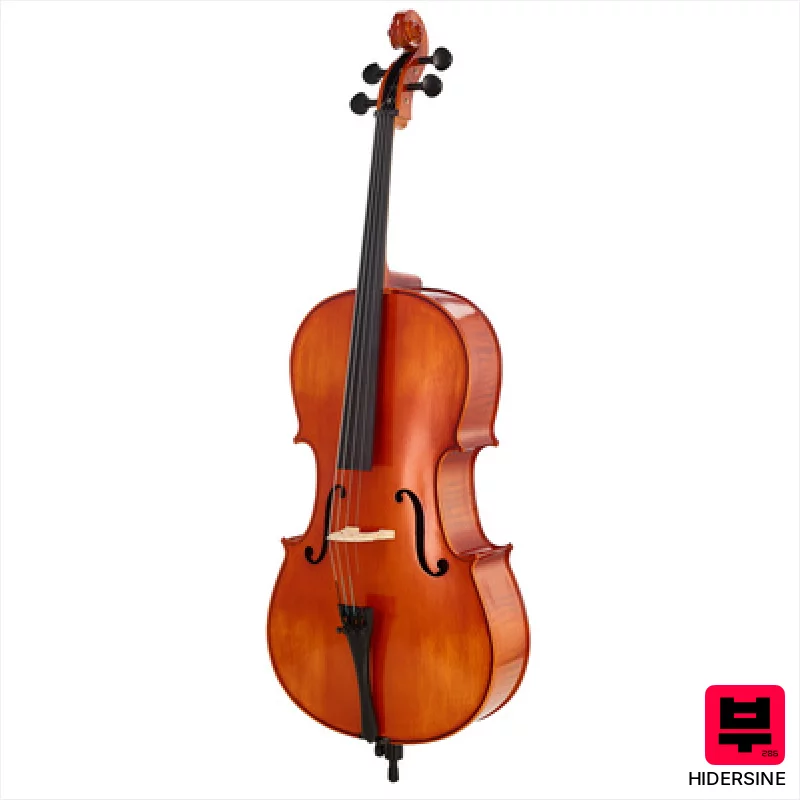
Hidersine Vivente Cello Set 3/4
- • Solid spruce top provides a surprisingly resonant, warm tone.
- • Flamed maple back offers visual appeal and contributes to projection.
- • Ebony fingerboard facilitates smoother, faster playing for developing technique.
- • Included bow, while basic, is functional for initial learning.
- • The included bow is entry-level; an upgrade will significantly improve tone.
- • Silk matte finish can be prone to fingerprints and requires careful cleaning.
- • 3/4 size is restrictive for taller or more advanced students.
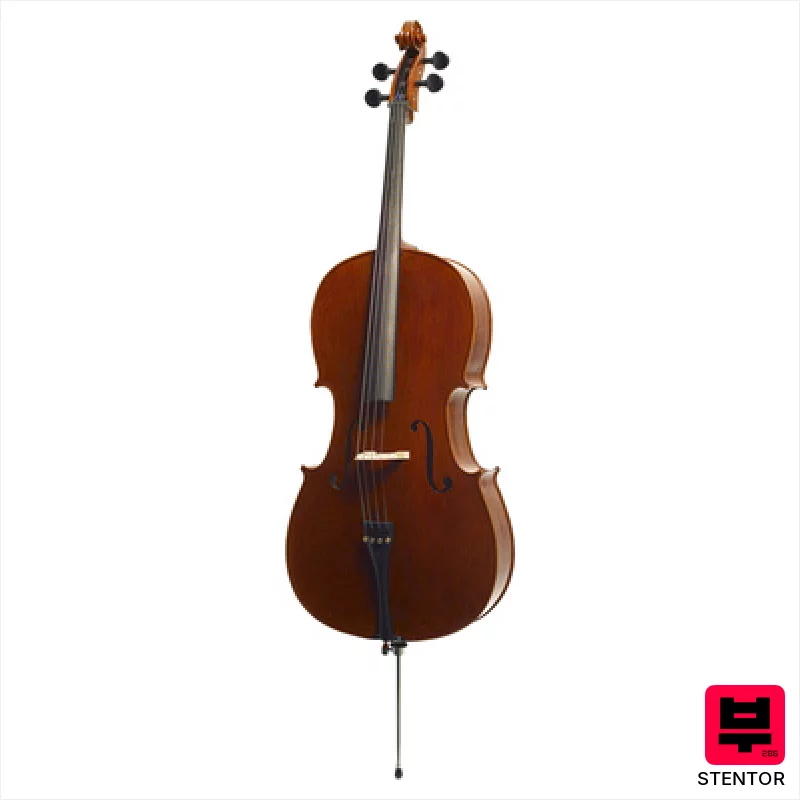
Stentor SR1591 Cello Elysia 3/4
- • Solid wood construction provides a warmer, richer tonal palette.
- • Handmade quality evident in the refined craftsmanship and even finish.
- • Pirastro strings offer a responsive, professional-level playing experience.
- • Ebony fingerboard and pegs contribute to precise intonation and tuning stability.
- • The solid wood construction makes it notably heavier than composite-bodied cellos.
- • Shellac varnish, while traditional, requires more careful maintenance than modern finishes.
- • 3/4 size limits its suitability for older, taller students.
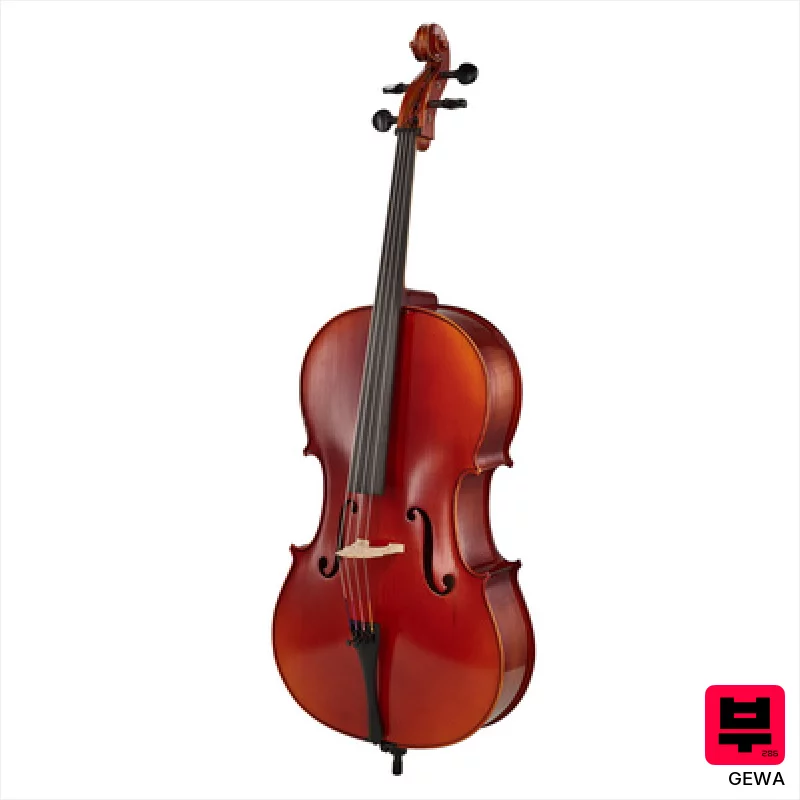
Gewa Ideale VC2 Cello Set 3/4 CB
- • Solid European spruce top delivers a warm, responsive, and projecting tone.
- • Hand-varnished finish enhances the wood's resonance and provides a beautiful aesthetic.
- • Ebony fingerboard and pegs offer a smooth playing experience and reliable tuning stability.
- • Included Larsen Aurora strings provide a surprisingly mature and focused sound for a student cello.
- • The carbon fiber bow, while functional, lacks the nuanced response of a quality pernambuco bow.
- • Solid wood construction means it's slightly heavier than laminate instruments – a consideration for younger players.
- • The inlaid purfling, while attractive, is a relatively basic level of ornamentation for a cello in this price bracket.
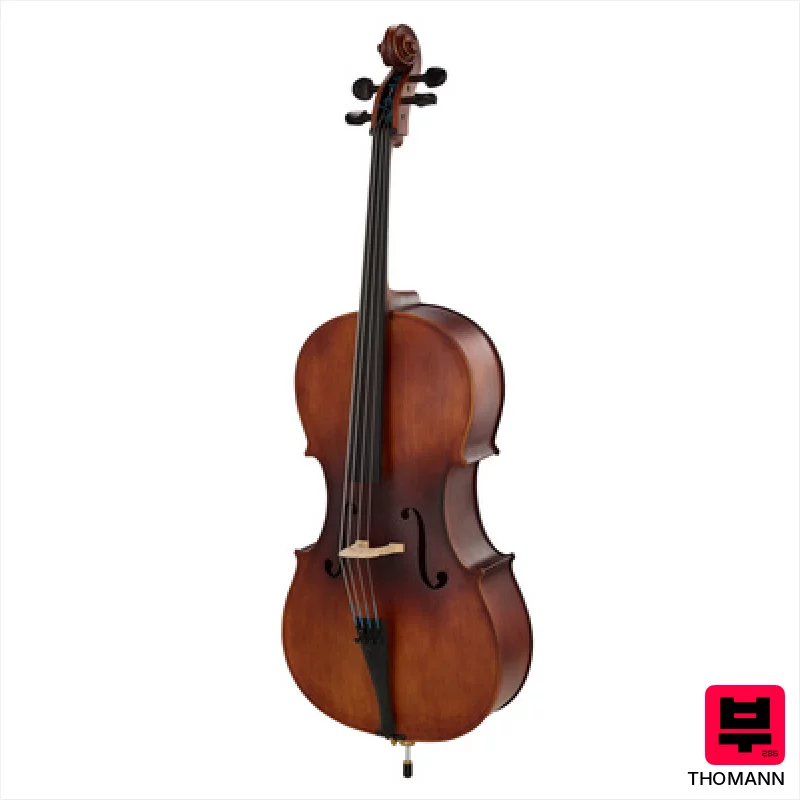
Thomann Classic Cello Set 3/4
- • Jargar Young Talent strings offer a surprisingly good, warm beginner tone.
- • Solid maple neck provides decent stability and a playable feel for young hands.
- • Composite tailpiece with fine tuners simplifies tuning for less experienced players.
- • Complete set with bow and rosin makes it immediately playable and affordable.
- • Plywood back and sides limit resonance and overall tonal complexity.
- • Jujube tuning pegs can be a bit finicky and require careful adjustment.
- • The included bow is basic and will likely need upgrading as skill progresses.
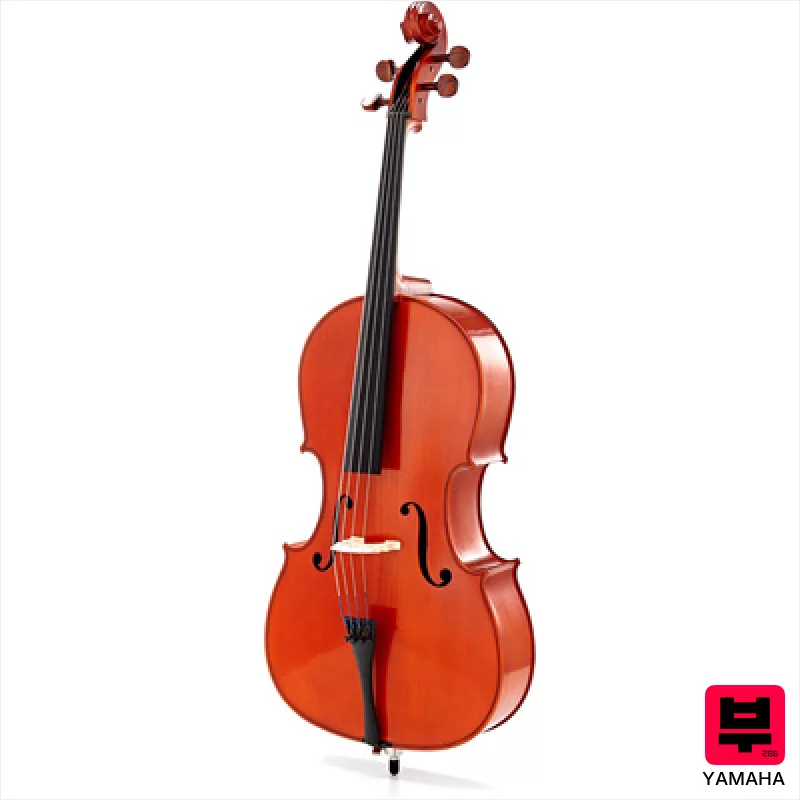
Yamaha VC 5S34 Cello 3/4
- • Solid spruce top delivers a surprisingly warm, resonant tone.
- • Maple back and sides contribute to focused projection and clarity.
- • Ebony fingerboard offers a smooth playing experience, crucial for young players.
- • Included bow and rosin provide a complete, ready-to-play package.
- • The included bow is serviceable but a significant upgrade would benefit tone.
- • 3/4 size may feel cramped for older, larger children or smaller adults.
- • The included case is basic, offering minimal protection for travel.
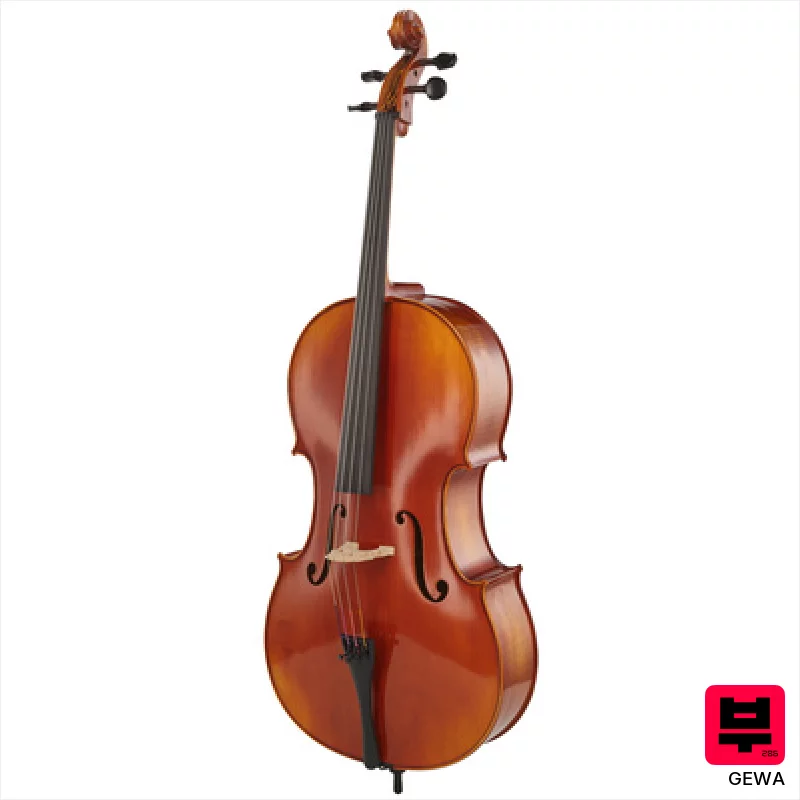
Gewa Maestro 1 Cello Set 3/4 MB
- • Solid European spruce top delivers a warm, resonant, and mature tonal foundation.
- • Flamed European maple back and sides add complexity and projection to the sound.
- • Fine spirit hand varnish enhances tonal responsiveness and aesthetic appeal.
- • Larsen Aurora strings provide excellent clarity and a refined playing experience.
- • Hand-varnished finish means color variation; consistency may not be uniform.
- • 3/4 size limits suitability for taller or more advanced students.
- • Massanduruba bow, while adequate, might be an upgrade point for serious players.
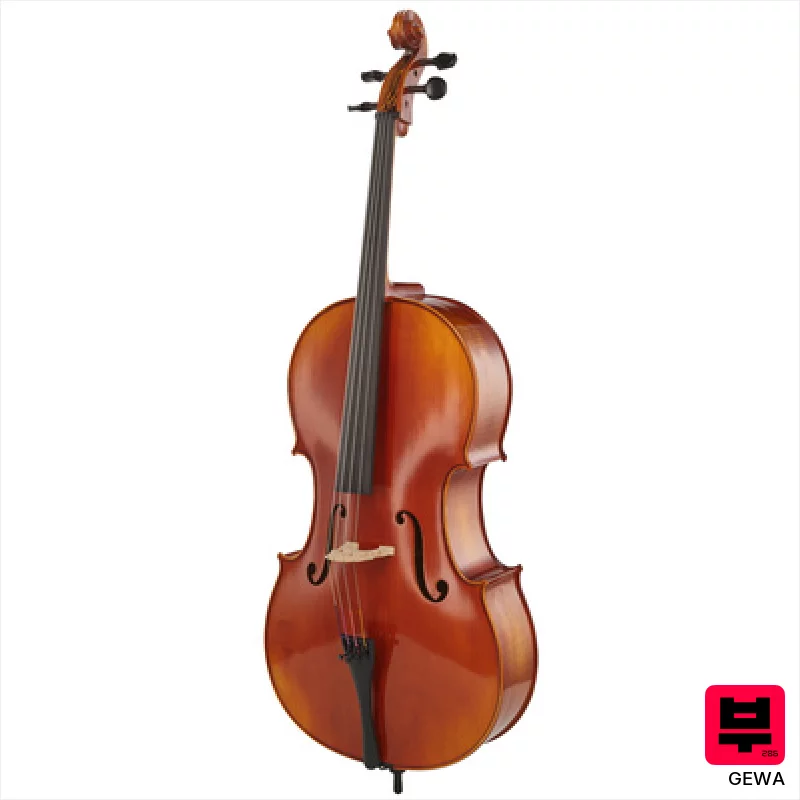
Gewa Maestro 1 Cello 3/4
- • European tonewood provides a warm, resonant, and mature tonal foundation.
- • Hand-applied varnish enhances responsiveness and allows for nuanced expression.
- • Ebony fittings offer excellent durability and a refined aesthetic feel.
- • Aubert bridge contributes to a focused, clear, and projected sound.
- • The hand-applied varnish, while beautiful, can exhibit slight color variation between instruments.
- • At this size, it may feel a bit unwieldy for very young or smaller players.
- • Solid wood construction demands careful humidity control to prevent cracking.

Gewa Maestro 2 Cello 3/4
- • European tonewood delivers a warm, resonant, and mature tonal character.
- • Hand-applied varnish enhances the wood's natural beauty and improves projection.
- • Ebony fittings offer excellent durability and a refined aesthetic feel.
- • Aubert bridge contributes to a focused and responsive playing experience.
- • The antique gold-red-brown finish, while beautiful, can be prone to minor scratches.
- • 3/4 size may feel slightly cramped for older or larger children/youth.
- • Solid wood construction requires more careful humidity control than laminate alternatives.
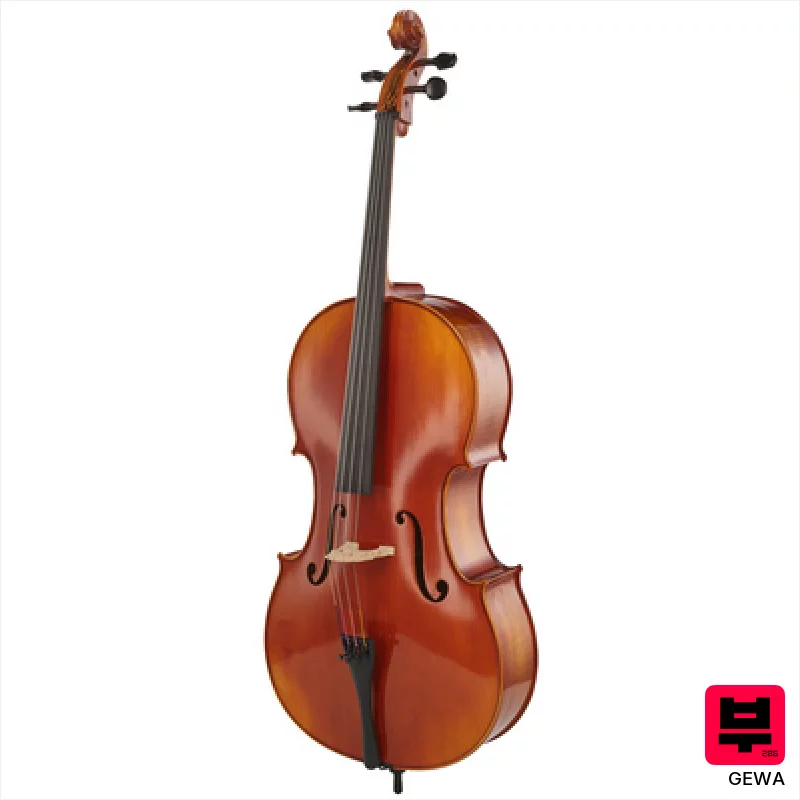
Gewa Maestro 1 Cello Set 3/4 CB
- • European tonewood provides a warm, resonant, and mature tonal character.
- • Solid maple back/sides offer enhanced projection and sustain compared to layered wood.
- • Ebony fittings ensure durability and a smooth, responsive playing experience.
- • Larsen Aurora strings deliver a focused, clear tone suitable for various playing styles.
- • Hand-varnished finish, while beautiful, may exhibit slight inconsistencies in color.
- • 3/4 size limits suitability for older, taller students; check measurements carefully.
- • Included carbon fiber bow is functional, but a higher-quality bow would improve response.

Gewa Allegro VC1 A Cello 3/4 MB
- • Solid European spruce top delivers a surprisingly resonant, mature tone.
- • Ebony fittings offer excellent response and a refined feel under the fingers.
- • The Massaranduba bow provides a decent starting point for bowing technique.
- • Inlaid purfling adds a touch of elegance, elevating the instrument's aesthetic.
- • The antique varnish, while attractive, can be quite thick and potentially dampen high frequencies.
- • The included bow, while adequate, will likely be an upgrade point for serious students.
- • 3/4 size may feel cramped for taller or rapidly growing young players.
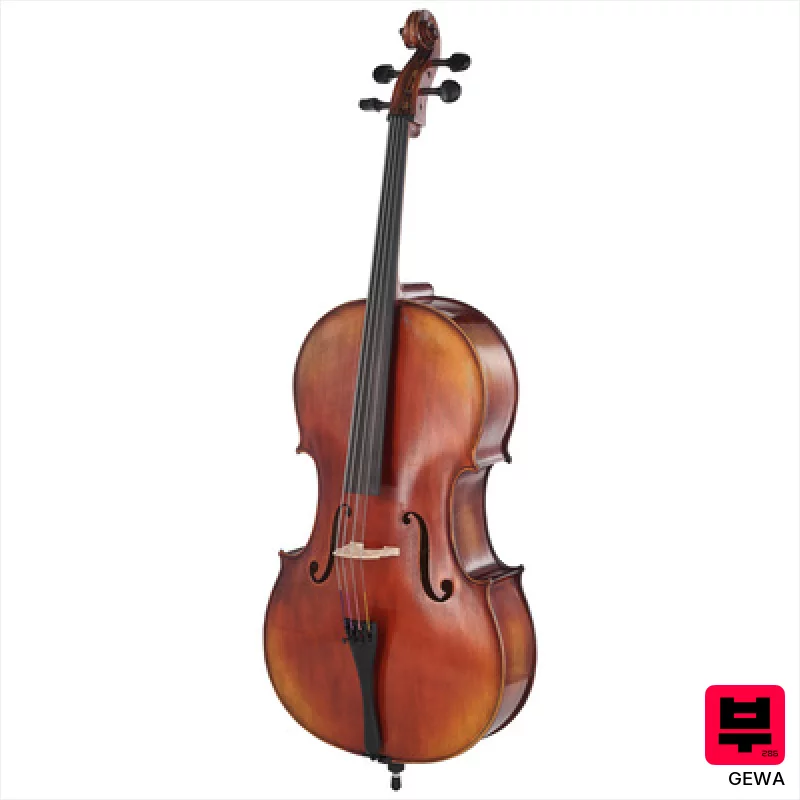
Gewa Allegro VC1 A Cello 3/4 SB
- • European spruce top delivers a surprisingly resonant and clear tone.
- • Solid maple back/sides contribute to a warm, focused projection.
- • Ebony fittings offer improved response and a refined aesthetic.
- • Included Larsen Aurora strings provide a good starting point for quality sound.
- • Antique varnish, while attractive, can be prone to minor cosmetic imperfections.
- • 3/4 size limits suitability for taller or more advanced players.
- • The included bow, while functional, isn't a high-end instrument and may be upgraded.

Stentor SR1590 Cello Messina 3/4
- • Solid spruce top delivers a surprisingly warm and resonant tone for the price.
- • Handmade construction, finished in England, suggests a higher level of craftsmanship.
- • Pirastro strings offer a good starting point for a pleasing, mature cello sound.
- • Solid maple back and sides contribute to a focused, well-projected tonal character.
- • Shellac varnish, while traditional, can be more delicate and requires careful maintenance.
- • 3/4 size may still be a bit unwieldy for very young or smaller students.
- • Ebony fingerboard, while quality, might require occasional professional leveling.

Gewa Ideale VC2 Cello 3/4
- • Solid European spruce top delivers a surprisingly mature, resonant tone for a student cello.
- • Flamed European maple back and sides contribute to a warm, focused projection.
- • Ebony fingerboard and pegs offer improved response and a more professional feel.
- • Hand-varnished finish enhances the wood's natural acoustic properties and aesthetics.
- • The Aubert bridge, while decent, might be a future upgrade for serious students.
- • 3/4 size is naturally smaller, potentially less comfortable for taller or older children.
- • The natural resin varnish, while beautiful, requires careful maintenance to prevent stickiness.
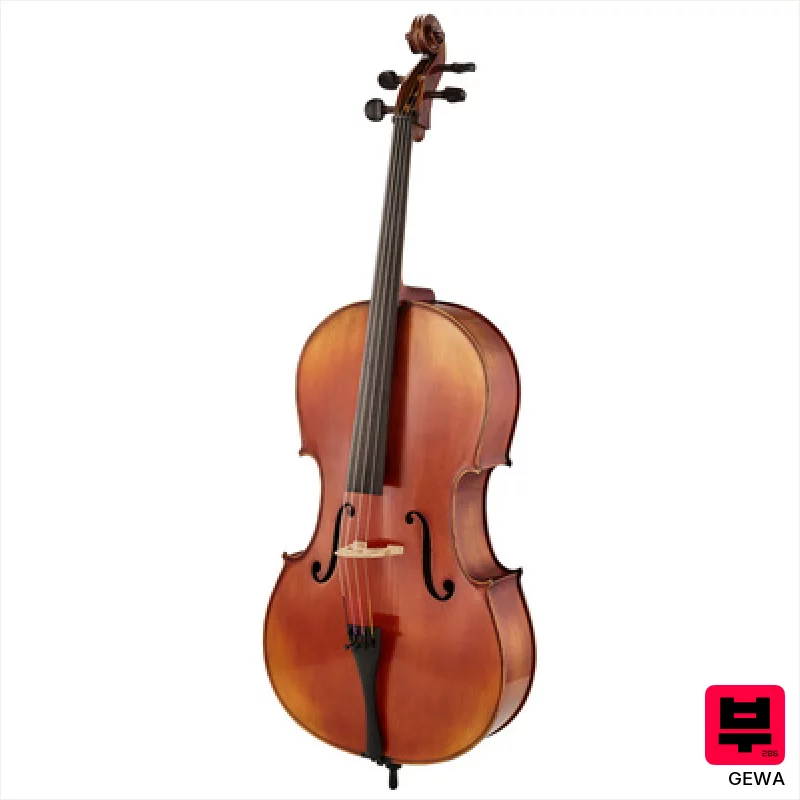
Gewa Allegro VC1 A Cello 3/4
- • European tonewoods offer a surprisingly mature, resonant voice.
- • Ebony fittings contribute to a refined feel and improved response.
- • The antique varnish adds visual appeal and subtly influences tonal character.
- • Larsen Aurora strings provide a focused, clear, and well-balanced sound.
- • The antique varnish finish can exhibit slight color variations, impacting aesthetic consistency.
- • 3/4 size might feel restrictive for taller or more advanced young players.
- • While solid wood, the overall construction leans toward student-grade, limiting ultimate projection.
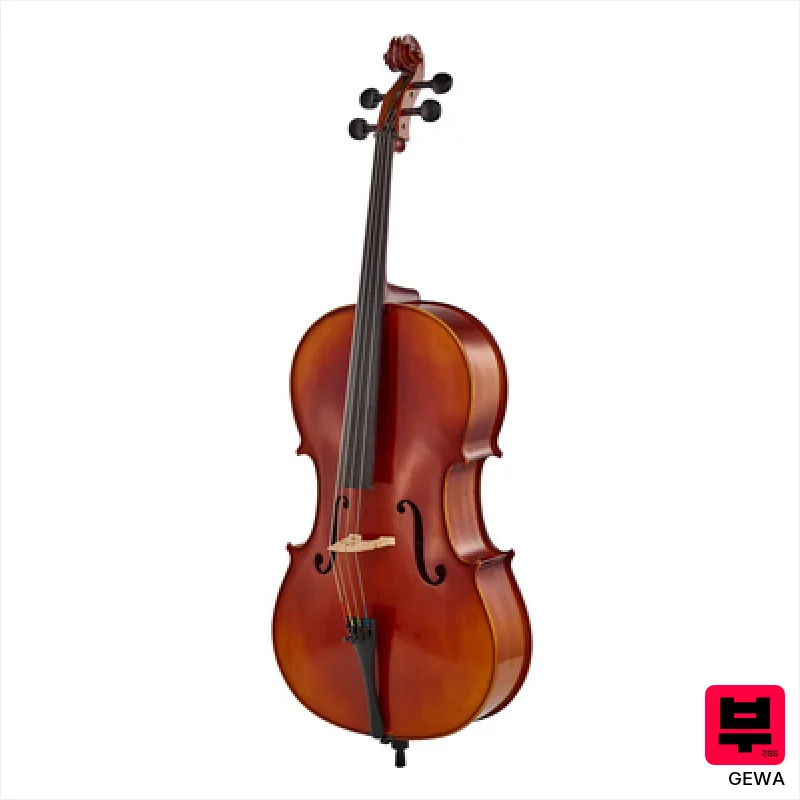
Gewa Allegro VC1 Cello Set 3/4 MB
- • Solid European tonewoods deliver a surprisingly rich, warm tone.
- • Aubert bridge and Wittner tailpiece enhance resonance and tuning stability.
- • Larsen Aurora strings offer a responsive and clear playing experience.
- • Massaranduba bow provides decent projection for a student-level instrument.
- • Massaranduba bow lacks the responsiveness of higher-end pernambuco bows.
- • The brown-amber varnish, while attractive, can be a bit thick and dampen the top’s vibration.
- • 3/4 size may feel cramped for older or taller students.
How to Choose the Best 3/4 Cellos
Tonal Response
A developing cellist needs an instrument that responds well to a lighter touch. We're looking for clarity in the upper register and a usable, though not necessarily booming, low-end - that 'thump' needs to be present without being muddy. A cello that requires a ton of force to produce a decent sound is discouraging.
Action & Neck Profile
High action (the string height above the fingerboard) makes learning harder. A comfortable neck profile - not too thick, not too thin - is vital for smaller hands. A cello that's a pain to play will stifle progress faster than a bad tone.
Construction & Materials
Spruce top and maple back/sides are standard, but the quality of the wood matters. Look for even grain patterns and well-fitted seams. Cheap construction often means a brittle sound and a neck that warps easily. Solid wood tops are almost always preferable to laminated ones, even at this price point.
Intonation
This is huge. A cello with poor intonation will train bad habits. While perfect intonation is impossible, a well-built 3/4 cello should be reasonably in tune across the fingerboard. Listen carefully for notes that are consistently sharp or flat.
Durability
Let's be real, these instruments are getting tossed in backpacks and hauled to lessons. A solid build and a protective finish are essential. A fragile instrument is just a source of stress for everyone.
Buying Guide
Don't chase the cheapest option; you'll almost always regret it. A slightly more expensive instrument from a reputable brand (Stentor, Eastman, Yamaha are good starting points) will likely offer better materials, construction, and a more usable tone. Have the action checked and adjusted by a luthier if possible - even a small adjustment can make a big difference. Remember, a cello is an acoustic instrument, so a little warmth and character is good; avoid anything that sounds overly sterile or 'ice-picky'.
Our Methodology
We didn't just look at specs; we put these cellos in the hands of developing cellists - kids and teens - and had them play everything from scales and etudes to some basic orchestral excerpts. We A/B'd them against more expensive student instruments to gauge relative tonal quality and playability, and listened for that crucial balance of responsiveness and forgiveness. It's about real-world feel, not just manufacturer claims.

