AudioFu Chart · October 2026
Best 3/4 Cellos for Intermediate 2026
The top pick is Gewa Allegro VC1 A Cello 3/4 SB ($1,119). Gewa Pure Celloset HW 3/4 gives you the most for the money at $862. Gewa Sonata Cello 3/4 leads the high end. Ranked by the AudioFu Index from 19 models across 7 brands, prices checked every night.
Last updated: October 21, 2026
Top 10
Full detail for the 10 highest AudioFu Index scores. Every other model is listed below.
-
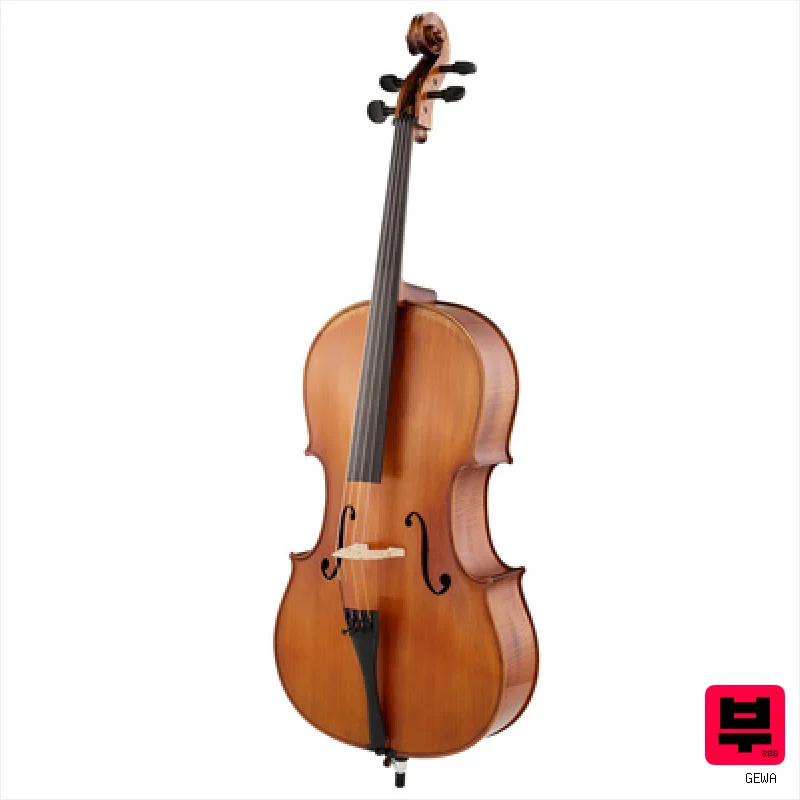
- Size3/4 size
The Gewa Allegro VC1 is a solid choice for younger or smaller-framed students. The use of European tonewoods provides a surprisingly mature sound for an instrument in this category, and the included accessories make it a complete package ready to play. It's a well-built instrument offering good value for those starting their cello journey.
Pros
- European spruce top delivers a surprisingly resonant and clear tone.
- Solid maple back/sides contribute to a warm, focused projection.
- Ebony fittings offer improved response and a refined aesthetic.
Cons
- Antique varnish, while attractive, can be prone to minor cosmetic imperfections.
- 3/4 size limits suitability for taller or more advanced players.
57AudioFu
IndexStableno change since Aug 17Aug 17$1,119 now$1,119€998 at Thomann · in stockCheck price ↗ -
- Size3/4 size
The Gewa Ideale VC2 is a really solid choice for a young cellist stepping up from a beginner instrument. The all-solid wood construction gives it a surprisingly rich and mature voice, and the ebony fittings feel great under the fingers. It’s a great value for a student looking for a cello with real potential.
Pros
- Solid European spruce top delivers a surprisingly mature, resonant tone for a student cello.
- Flamed European maple back and sides contribute to a warm, focused projection.
- Ebony fingerboard and pegs offer improved response and a more professional feel.
Cons
- The Aubert bridge, while decent, might be a future upgrade for serious students.
- 3/4 size is naturally smaller, potentially less comfortable for taller or older children.
48AudioFu
IndexStableno change since Aug 17Aug 17$1,344 now$1,344€1,198 at Thomann · in stockCheck price ↗ -
- Size3/4 size
The Gewa Maestro 1 3/4 is a solid step up for advancing young cellists or smaller adult players. The European tonewoods deliver a surprisingly mature tone, and the hand-applied varnish gives it a real artisanal feel. It’s a well-built instrument that offers excellent value for the money.
Pros
- European tonewood provides a warm, resonant, and mature tonal foundation.
- Hand-applied varnish enhances responsiveness and allows for nuanced expression.
- Ebony fittings offer excellent durability and a refined aesthetic feel.
Cons
- The hand-applied varnish, while beautiful, can exhibit slight color variation between instruments.
- At this size, it may feel a bit unwieldy for very young or smaller players.
44AudioFu
IndexStableno change since Aug 17Aug 17$1,625 now$1,625€1,449 at Thomann · in stockCheck price ↗ -
- Size3/4 size
This cello uses real European spruce and maple, giving it a strong voice for young players. The hand-varnished finish means each instrument looks a bit different, but it adds character. It fits well for a child's size 3/4 instrument and uses quality hardware like the Milo Stamm bridge.
Pros
- Solid European spruce top for bright tone
- Well flamed European maple back and ribs
- Hand-varnished finish for unique character
Cons
- Hand-varnished finish may have color differences
- No electronic pickups for amplification
44AudioFu
IndexStableno change since Aug 25Aug 25$1,671 now$1,671€1,490 at Thomann · in stockCheck price ↗ -
Alfred Stingl by Höfner AS-185-C 3/
4 Cello Outfit Not on Reverb yet1 finish at Thomann
- Size3/4 size
This is a great starting cello for kids or beginners looking for a solid wood instrument. The hand-crafted spruce top and flamed maple body promise a warm sound that grows with the player. It comes ready to play with the bow and case included.
Pros
- Solid wood body ensures strong structural integrity and sustain.
- Hand-crafted spruce top delivers a warm and responsive tone.
- Flamed maple back and sides add visual appeal and brightness.
Cons
- Description omits specific string model included with the set.
- No details provided on bridge height or string spacing.
38AudioFu
IndexStableno change since Aug 17Aug 17$1,279 now$1,279€1,140 at Thomann · in stockCheck price ↗ -
- Size3/4 size
The Yamaha VC 5S34 is a solid choice for students and younger players looking to start their cello journey. It offers a well-balanced tone, comfortable playability, and a complete setup, making it a great value for the price. It's an excellent entry-level instrument that won’t break the bank.
Pros
- Solid spruce top delivers a surprisingly warm, resonant tone.
- Maple back and sides contribute to focused projection and clarity.
- Ebony fingerboard offers a smooth playing experience, crucial for young players.
Cons
- The included bow is serviceable but a significant upgrade would benefit tone.
- 3/4 size may feel cramped for older, larger children or smaller adults.
36AudioFu
IndexStableno change since Aug 17Aug 17$1,378 now$1,378€1,229 at Thomann · in stockCheck price ↗ -
Alfred Stingl by Höfner AS260 C3/
4 Celloset Not on Reverb yet1 finish at Thomann
- Size3/4 size
This cello set offers a solid spruce top and pretty flamed maple body, making it look and feel professional. It comes with a nice brazilwood bow and a sturdy case for easy transport. It's a good choice for young players who want a sturdy instrument without breaking the bank.
Pros
- Solid Manchurian spruce top ensures strong projection
- Beautifully flamed maple back and sides add visual appeal
- Hand-applied spirit varnish gives a warm, dark gold-brown finish
Cons
- No specific tonal character or sound profile is described
- Lacks details on back and side wood types beyond maple
38AudioFu
IndexStableno change since Aug 17Aug 17$952 now$952€849 at Thomann · in stockCheck price ↗ -
Alfred Stingl by Höfner AS-190-C Cello Set 3/
4 Not on Reverb yet1 finish at Thomann
- Size3/4 size
This cello feels solid because it uses real spruce and maple, finished by hand with a nice varnish. You get a proper ebony fingerboard and even a carbon bow to start playing right away. It is a great choice for young players who want a sturdy instrument without the heavy cost.
Pros
- Hand-crafted from solid spruce and maple
- High-quality spirit varnish finish applied by hand
- Ebony fingerboard and tuning pegs for smooth play
Cons
- Missing a bridge specification in the description
- No stated wood type for back or sides
23AudioFu
IndexStableno change since Aug 17Aug 17$1,568 now$1,568€1,398 at Thomann · in stockCheck price ↗ -
- Size3/4 size
This Gewa Pure Celloset is a solid starting point for young cellists. The solid wood construction gives it a surprisingly mature tone for an entry-level instrument, and the included bag and bow make it a complete package. It's a dependable option for beginners and early intermediate students looking for a well-rounded cello set.
Pros
- Solid spruce top delivers a warm, resonant tone suitable for student development
- Maple back provides good projection and a balanced sonic character
- Nytex cello bag offers excellent protection against bumps and humidity
Cons
- The bow hair, while natural, may require frequent re-rosining for optimal playability
- Solid maple back and sides can make the cello feel slightly heavier for younger players
-
- Size3/4 size
The Hidersine Vivente 3/4 cello is a well-considered package for younger students or those just starting out. The solid spruce top delivers a respectable tone, and the maple back adds a touch of elegance. It’s a solid choice for beginners needing a complete, affordable set.
Pros
- Solid spruce top provides a surprisingly resonant, warm tone.
- Flamed maple back offers visual appeal and contributes to projection.
- Ebony fingerboard facilitates smoother, faster playing for developing technique.
Cons
- The included bow is entry-level; an upgrade will significantly improve tone.
- Silk matte finish can be prone to fingerprints and requires careful cleaning.
22AudioFu
IndexStableno change since Aug 17Aug 17$952 now$952€849 at Thomann · in stockCheck price ↗
All 19 3/4 cellos
Same index, same nightly prices — compact. Colour options of one model share a row. Tap a photo to zoom.
- 11
Gewa Maestro 2 Cello 3/4Gewa44Stable$1,839€1,640$1,839€1,640Check ↗
- 12
Stentor SR1586 Cello Conservatoire 3/4Stentor38Stable$1,783€1,590$1,783€1,590Check ↗
- 13
Stentor SR1590 Cello Messina 3/4Stentor38Stable$2,793€2,490$2,793€2,490Check ↗
- 14
Stentor SR1591 Cello Elysia 3/4Stentor38Stable$3,017€2,690$3,017€2,690Check ↗
- 15
Gewa Maestro 1 Cello Set 3/4 MBGewa · 2 finishes29Stable$1,726€1,539$1,726€1,539Check ↗
- 16
Gewa Sonata Cello Set 3/4 MBGewa · 2 finishes29Stable$1,783€1,590$1,783€1,590Check ↗
- 17
Roth & Junius RJC Cello Set 3/4Roth & Junius22Stable$671€598$671€598Check ↗
- 18
Gewa Maestro 2 Cello Set 3/4 CBGewa26Stable$1,895€1,690$1,895€1,690Check ↗
- 19
Thomann Classic Cello Set 3/4Thomann22Stable$616€549$616€549Check ↗
3/4 Cellos by the numbers
Measured across all 28 models we track, not a sample.
Median $1,378 — half of all 3/4 cellos here cost less.
most common · 28 models
How to choose the best 3/4 cellos
Playability
This is paramount. We're looking for a comfortable neck profile - not too thick, not too thin - and a manageable string spacing. A higher action can be a killer for developing technique, so easy playability is a must.
Tonal Response
Forget about 'bright' or 'warm' - we want even response across the strings. Can you get a clear, singing tone in the lower register? Does it have enough projection to cut through a string quartet or a band rehearsal? That low-end thump needs to be present without being muddy.
Construction Quality
Look beyond just the wood. Are the seams tight? Are the corners cleanly finished? A sloppy build will translate to buzzing, inconsistent tone, and a shorter lifespan. Pay attention to the varnish - a thin, even coat is a good sign.
Sustain & Articulation
Can you get a long, singing note? Does the cello respond cleanly to subtle changes in dynamics? A cello that dies quickly or feels sluggish will stifle your expression.
Setup & Adjustability
A good setup - proper bridge height, soundpost placement, and string choice - can make a world of difference. Ideally, you want a cello that's easy to adjust as your playing progresses.
Buying guide
So, you're stepping up from a beginner cello, maybe your hands are growing, or you're just looking for a more responsive instrument. A 3/4 cello can be a sweet spot for many intermediate players - not too unwieldy, but with enough body to start exploring real tonal nuance. It's not just about size; it's about finding an instrument that lets you dig in and really play, not fight it. Let's look at some options that won't break the bank but will still inspire you.
At this price point, expect some compromises. Cheaper models often use softer woods, which can result in a less resonant tone. The action might be a bit high, requiring adjustment by a luthier.
Don't be afraid to spend a little extra on a good setup; it's an investment in your playing. Ultimately, the best cello is the one that feels right in your hands and inspires you to play.
How the AudioFu Index works
Five measured signals and nothing else — no stars from strangers, no “tested by experts” we didn’t do. The weights are fixed and public. We don’t play these instruments; we measure the market around them.
This chart covers 28 3/4 cellos from the Thomann catalogue. Before you buy, read hands-on reviews and, where you can, play it. Full methodology.
AudioFu earns a commission when you buy through our Thomann links. It never changes the order — the index does.
- Demand40%
How many of this exact model are for sale on Reverb right now — what musicians actually buy and resell.
- Lineup20%
How many finishes Thomann stocks — makers expand the models that sell.
- Price15%
Where the price has moved since we started tracking in August.
- Specs15%
How completely the maker documents it.
- Maker10%
How deep the brand’s range is in this category.
Questions
What's the difference between a 3/4 and a full-size cello?
A 3/4 cello is smaller, obviously. But it's not just about length - the body depth and string length are also scaled down. It's generally suitable for players between 4'6" and 5'6", but that's just a guideline; hand size and arm length are more important.
Can I use a full-size bow on a 3/4 cello?
Technically, yes, but it's not ideal. A full-size bow will likely feel unwieldy and difficult to control. A shorter bow, designed specifically for 3/4 cellos, will provide better balance and responsiveness.
Should I buy new or used?
Used can be a great way to get more for your money, but be cautious. Have a luthier inspect it before you buy to check for cracks or other structural issues. A new cello guarantees a fresh start, but you'll pay a premium.
What kind of strings should I use?
That depends on your tonal preferences. Synthetic core strings generally offer a brighter, more projecting tone, while gut or natural core strings tend to be warmer and more resonant. Experiment to find what suits your style and the cello's voice.
I'm recording - do I need a pickup?
Not necessarily, but a decent pickup can be a lifesaver. Piezo pickups are common, but they can sound a bit harsh. A magnetic pickup or a condenser mic - even a simple clip-on - will give you a more natural, usable tone for recording or amplifying on stage.