AudioFu Chart · October 2026
Best 3/4 Cellos for Advanced 2026
The top pick is Gewa Maestro 2 Cello 3/4 ($1,839). Gewa Allegro VC1 Cello 3/4 gives you the most for the money at $952. Stentor SR1591 Cello Elysia 3/4 leads the high end. Ranked by the AudioFu Index from 19 models across 7 brands, prices checked every night.
Last updated: October 21, 2026
Top 10
Full detail for the 10 highest AudioFu Index scores. Every other model is listed below.
-
- Size3/4 size
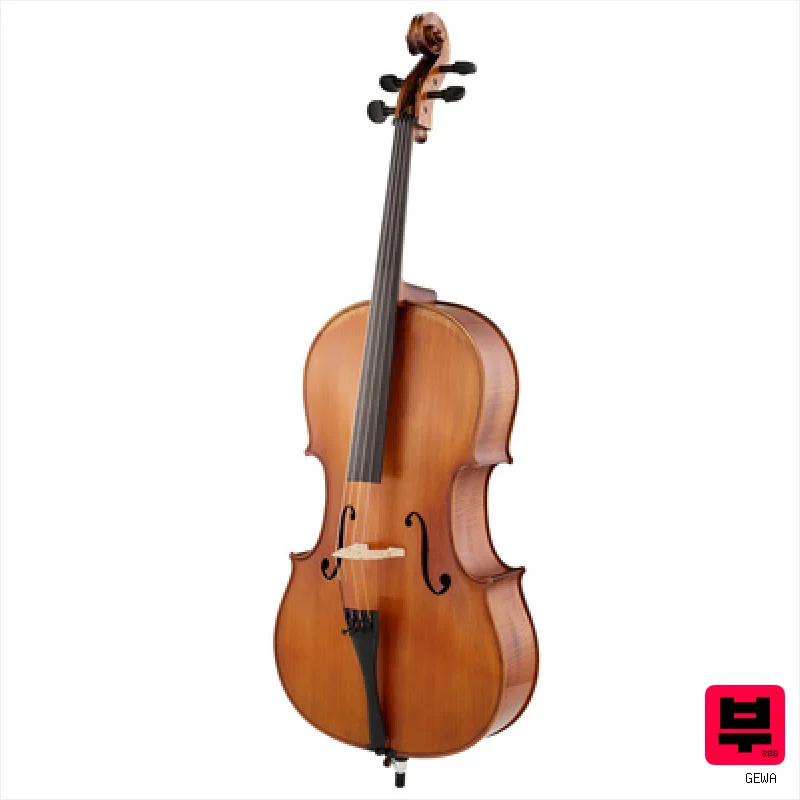
The Gewa Maestro 2 3/4 is a really solid step up for younger players outgrowing beginner instruments. The solid European woods give it a surprisingly mature tone, and the hand-applied varnish looks gorgeous. It’s a great option for serious students or those who want a cello that sounds and feels like a much more expensive instrument.
Pros
- European tonewood delivers a warm, resonant, and mature tonal character.
- Hand-applied varnish enhances the wood's natural beauty and improves projection.
- Ebony fittings offer excellent durability and a refined aesthetic feel.
Cons
- The antique gold-red-brown finish, while beautiful, can be prone to minor scratches.
- 3/4 size may feel slightly cramped for older or larger children/youth.
44AudioFu
IndexStableno change since Aug 17Aug 17$1,839 now$1,839€1,640 at Thomann · in stockCheck price ↗ -
- Size3/4 size
The Stentor Messina 1590 is a really solid choice for a young cellist stepping up from a beginner instrument. It’s a completely solid wood build, which is rare at this level, and the Pirastro strings give it a mature, pleasing tone that won’t sound ‘student-y.’ It’s a well-made instrument that will grow with a student’s skill.
Pros
- Solid spruce top delivers a surprisingly warm and resonant tone for the price.
- Handmade construction, finished in England, suggests a higher level of craftsmanship.
- Pirastro strings offer a good starting point for a pleasing, mature cello sound.
Cons
- Shellac varnish, while traditional, can be more delicate and requires careful maintenance.
- 3/4 size may still be a bit unwieldy for very young or smaller students.
38AudioFu
IndexStableno change since Aug 17Aug 17$2,793 now$2,793€2,490 at Thomann · in stockCheck price ↗ -
- Size3/4 size
The Elysia 3/4 is a significant step up for young cellists ready for a solid wood instrument. It offers a surprisingly mature tone and feel for its class, making it ideal for serious students progressing beyond beginner models. The build quality is impressive, especially considering its price point.
Pros
- Solid wood construction provides a warmer, richer tonal palette.
- Handmade quality evident in the refined craftsmanship and even finish.
- Pirastro strings offer a responsive, professional-level playing experience.
Cons
- The solid wood construction makes it notably heavier than composite-bodied cellos.
- Shellac varnish, while traditional, requires more careful maintenance than modern finishes.
38AudioFu
IndexStableno change since Aug 17Aug 17$3,017 now$3,017€2,690 at Thomann · in stockCheck price ↗ -
- Size3/4 size
This cello uses real solid spruce and maple, giving it a warm, responsive sound perfect for young players. It comes with a gig bag and a carbon bow, making it ready to play right out of the box. Ideal for students in a school or home setting who want a sturdy instrument without extra electronics.
Pros
- Solid European spruce top for bright tone
- Solid European maple back and sides
- Milo Stamm bridge for strong support
Cons
- Heavy carbon bow may feel stiff
- Limited string options beyond factory
29AudioFu
IndexStableno change since Aug 20Aug 20$1,839 now$1,839€1,640 at Thomann · in stockCheck price ↗ -
- Size3/4 size
The Stentor Conservatoire is a great step up for young cellists or those seeking a solid, all-wood instrument. It offers a good balance of quality and affordability, making it a reliable choice for intermediate players developing their technique. The solid construction provides a more mature sound compared to beginner models.
Pros
- Solid wood construction delivers a noticeably richer, warmer tone.
- Ebony fingerboard and pegs offer improved playability and tuning stability.
- Beautifully flamed maple back enhances the cello's aesthetic appeal and resonance.
Cons
- The included bow is serviceable but a significant upgrade would be beneficial for serious students.
- Solid wood construction makes it slightly heavier than some composite alternatives.
38AudioFu
IndexStableno change since Aug 17Aug 17$1,783 now$1,783€1,590 at Thomann · in stockCheck price ↗ -
- Size3/4 size
The Gewa Maestro 2 is a solid choice for a serious young cellist. The combination of European woods and quality fittings results in a surprisingly mature sound for a student instrument. It's a great step up from a beginner cello, offering improved tone and playability for dedicated students.
Pros
- European tonewood delivers a warm, resonant, and mature tonal palette.
- Solid maple back/sides enhance projection and sustain noticeably.
- Ebony fittings offer excellent response and a refined feel under the fingers.
Cons
- Hand-applied varnish, while beautiful, can exhibit slight color variations.
- Carbon fiber bow is adequate but a more advanced bow would elevate performance.
26AudioFu
IndexStableno change since Aug 17Aug 17$1,895 now$1,895€1,690 at Thomann · in stockCheck price ↗ -
- Size3/4 size
This cello uses real European spruce and maple, giving it a strong voice for young players. The hand-varnished finish means each instrument looks a bit different, but it adds character. It fits well for a child's size 3/4 instrument and uses quality hardware like the Milo Stamm bridge.
Pros
- Solid European spruce top for bright tone
- Well flamed European maple back and ribs
- Hand-varnished finish for unique character
Cons
- Hand-varnished finish may have color differences
- No electronic pickups for amplification
44AudioFu
IndexStableno change since Aug 25Aug 25$1,671 now$1,671€1,490 at Thomann · in stockCheck price ↗ -
- Size3/4 size
The Gewa Maestro 1 is a solid choice for young cellists progressing beyond beginner instruments. The European tonewoods give it a surprisingly mature sound for its price range, and the included accessories get them playing right out of the box – a great value for serious students and their families.
Pros
- European tonewood provides a warm, resonant, and mature tonal character.
- Solid maple back/sides offer enhanced projection and sustain compared to layered wood.
- Ebony fittings ensure durability and a smooth, responsive playing experience.
Cons
- Hand-varnished finish, while beautiful, may exhibit slight inconsistencies in color.
- 3/4 size limits suitability for older, taller students; check measurements carefully.
29AudioFu
IndexStableno change since Aug 17Aug 17$1,737 now$1,737€1,549 at Thomann · in stockCheck price ↗ -
- Size3/4 size
The Gewa Allegro VC1 3/4 is a solid entry-level cello, well-suited for serious young students or smaller adults needing a manageable size. The combination of European tonewoods and Larsen strings provides a surprisingly mature and pleasant sound, offering excellent value for the price and a great foundation for developing technique.
Pros
- European spruce top delivers a bright, responsive, and focused tone.
- Solid maple back and sides contribute to a warm, resonant, and mature sound.
- Larsen Aurora strings offer a professional-level playing experience right out of the box.
Cons
- The brown-amber varnish, while attractive, might be a bit thick for some players’ preferences.
- 3/4 size is naturally best suited for younger or smaller players, limiting its appeal to adults.
57AudioFu
IndexStableno change since Aug 17Aug 17$952 now$952€849 at Thomann · in stockCheck price ↗ -
- Size3/4 size
The Gewa Ideale VC2 is a really solid choice for a young cellist stepping up from a beginner instrument. The all-solid wood construction gives it a surprisingly rich and mature voice, and the ebony fittings feel great under the fingers. It’s a great value for a student looking for a cello with real potential.
Pros
- Solid European spruce top delivers a surprisingly mature, resonant tone for a student cello.
- Flamed European maple back and sides contribute to a warm, focused projection.
- Ebony fingerboard and pegs offer improved response and a more professional feel.
Cons
- The Aubert bridge, while decent, might be a future upgrade for serious students.
- 3/4 size is naturally smaller, potentially less comfortable for taller or older children.
48AudioFu
IndexStableno change since Aug 17Aug 17$1,344 now$1,344€1,198 at Thomann · in stockCheck price ↗
All 19 3/4 cellos
Same index, same nightly prices — compact. Colour options of one model share a row. Tap a photo to zoom.
- 11
Gewa Maestro 1 Cello 3/4Gewa44Stable$1,625€1,449$1,625€1,449Check ↗
- 12
Gewa Pure Celloset HW 3/4Gewa42↑ 2.7%$862€769$862€769Check ↗
- 13
Alfred Stingl by Höfner AS260 C3/4 CellosetAlfred Stingl by Höfner38Stable$952€849$952€849Check ↗
- 14
Alfred Stingl by Höfner AS-185-C 3/4 Cello OutfitAlfred Stingl by Höfner38Stable$1,279€1,140$1,279€1,140Check ↗
- 15
Yamaha VC 5S34 Cello 3/4Yamaha36Stable$1,378€1,229$1,378€1,229Check ↗
- 16
Alfred Stingl by Höfner AS-190-C Cello Set 3/4Alfred Stingl by Höfner23Stable$1,568€1,398$1,568€1,398Check ↗
- 17
Thomann Classic Cello Set 3/4Thomann22Stable$616€549$616€549Check ↗
- 18
Roth & Junius RJC Cello Set 3/4Roth & Junius22Stable$671€598$671€598Check ↗
- 19
Hidersine Vivente Cello Set 3/4Hidersine22Stable$952€849$952€849Check ↗
3/4 Cellos by the numbers
Measured across all 28 models we track, not a sample.
Median $1,378 — half of all 3/4 cellos here cost less.
most common · 28 models
How to choose the best 3/4 cellos
Neck Profile & Playability
Advanced players need a neck that's comfortable for extended practice and performance. A slim, even profile is crucial to avoid fatigue and allow for fast passages; a thick, unwieldy neck will just slow you down and make those shifts feel like a wrestling match.
String Response & Articulation
Forget about a muddy, indistinct tone. We're looking for a cello that allows for clear articulation and dynamic range - you need to hear the nuance in your bowing, not just a homogenous drone. The ability to control the 'growl' and subtle harmonic overtones is key.
Low-End Resonance & Projection
A 3/4 cello's biggest challenge is often a lack of low-end authority. We're evaluating how well each model projects in a band setting and whether it can cut through the mix without sounding thin or reedy. That fundamental 'thump' is essential.
Top Wood Quality & Voicing
The spruce top is where the magic happens. Higher-grade spruce generally translates to a more complex and responsive voice. We're listening for a balance between warmth, clarity, and that elusive 'sweet spot' where the instrument sings, not just vibrates.
Setup & Action
A sloppy setup can ruin even the best cello. Low action is desirable for playability, but too low and you'll get buzzing. A proper setup, including bridge adjustment and soundpost placement, makes a massive difference in overall performance.
Buying guide
So, you've outgrown your student-level 3/4 cello but aren't quite ready for a full-size? That's a common crossroads. Finding a 3/4 that doesn't feel like a compromise - one that offers real responsiveness, a decent low-end thump, and the ability to articulate those tricky passages - can be tough. This isn't about 'beginner' instruments; we're looking at 3/4 cellos that'll actually inspire serious playing.
Don't be fooled by fancy finishes or embellishments. A 3/4 cello still has inherent size limitations, so focus on the fundamentals: a comfortable neck, responsive strings, and a decent low-end. You'll often find better value in a well-set-up, simpler instrument than a flashy one that's poorly voiced.
Be prepared to potentially have a luthier do a setup - it's almost always worth the investment.
How the AudioFu Index works
Five measured signals and nothing else — no stars from strangers, no “tested by experts” we didn’t do. The weights are fixed and public. We don’t play these instruments; we measure the market around them.
This chart covers 28 3/4 cellos from the Thomann catalogue. Before you buy, read hands-on reviews and, where you can, play it. Full methodology.
AudioFu earns a commission when you buy through our Thomann links. It never changes the order — the index does.
- Demand40%
How many of this exact model are for sale on Reverb right now — what musicians actually buy and resell.
- Lineup20%
How many finishes Thomann stocks — makers expand the models that sell.
- Price15%
Where the price has moved since we started tracking in August.
- Specs15%
How completely the maker documents it.
- Maker10%
How deep the brand’s range is in this category.
Questions
Are 3/4 cellos truly suitable for advanced players, or are they always a compromise?
They can be, but it's a careful selection. You'll miss out on some of the absolute power and resonance of a full-size, but a well-chosen 3/4 can still offer excellent playability and tonal complexity.
What kind of wood should I be looking for in the top?
Spruce is standard, but look for European or Carpathian Spruce for generally better grain density and tonal response. Avoid anything with overly wide or uneven grain - that's often a sign of lower quality.
I'm concerned about the cello being too small. How do I know if it's the right size for me?
Reach length is the key factor. Have a teacher or experienced player assess your reach to the fingerboard. A 3/4 is generally suitable for players between 4'6" and 5'4", but individual variations exist.
What's the difference between a 'student' 3/4 and one marketed towards advanced players?
Student models often prioritize affordability over tonal quality and playability. Advanced models will have better wood, a more refined neck profile, and generally a higher level of craftsmanship - and a higher price tag to match.
Can I use a full-size bridge on a 3/4 cello?
Technically, yes, but it's generally not recommended. It will likely require significant adjustments and may compromise the cello's overall resonance and structural integrity. Stick with a properly sized bridge.