
To record vocals at home you need five things: a microphone, an audio interface, closed headphones, a stand with a pop filter, and something that stops your room from echoing. Your computer and free recording software do the rest. A solid setup costs about $300; you only need more when the basics are already in place.
The thing most people get wrong is the order. A $1,000 microphone in an empty bedroom records the echo of the walls in high detail. Fix the room first, then upgrade the microphone.
1. A microphone
There are two kinds. Dynamic microphones pick up mostly what's right in front of them, so they forgive a noisy, echoey room. Condenser microphones capture more detail and air, and more of the room with it.
Shure SM58 LC, $129

The standard dynamic vocal microphone, nearly indestructible, with a built-in pop and wind filter. In an untreated room it often sounds better than a cheap condenser. #2 of 73 dynamic microphones.
Warm Audio WA-87jr SE, $223

A large-diaphragm condenser for detailed, airy vocals once the room is under control. It needs phantom power, which any interface below provides. #2 of 214 large diaphragm microphones.
2. An audio interface
Arturia MiniFuse 1 Black, $98
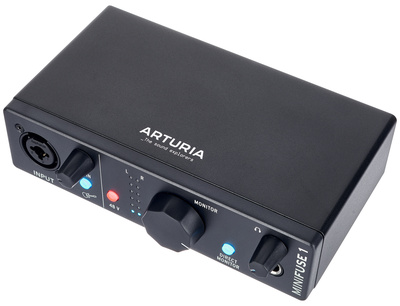
One microphone input with phantom power and a headphone output, over USB-C. It's all a solo singer needs. #3 of 206 USB audio interfaces.
3. Closed headphones
You listen to the backing track while you sing, so the headphones must be closed: open ones leak the track into the microphone.
Audio-Technica ATH-M40X, $120
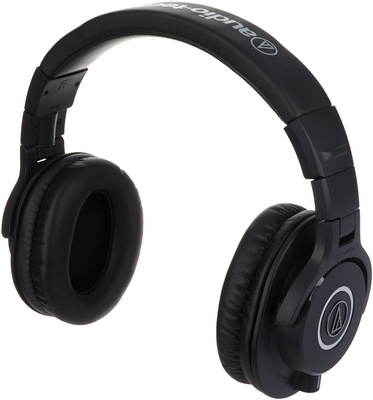
Closed studio headphones with a flat sound that stays comfortable over a long session. #4 of 105 studio headphones.
4. A stand and a pop filter
A microphone stand keeps the mic still at mouth height, and a pop filter, a mesh screen in front of the microphone, stops the bursts of air from "p" and "b" sounds. Both are cheap, and both are essential with a condenser.
5. Something for the room
Hard walls bounce your voice back into the microphone. Record in a room with carpets, curtains and furniture, sing facing an open wardrobe, or put a reflection filter behind the microphone.
SE Electronics RF-X Reflexion Filter, $104

A curved, layered shield that mounts behind the microphone and absorbs the reflections around it. The single biggest upgrade for vocals in a bedroom. #1 of 135 miscellaneous acoustic treatment.
Can I use a USB microphone instead?
Yes, if you only record your voice. A USB microphone has the interface built in.
Audio-Technica AT2020USB-X, $145

A large-diaphragm condenser that plugs straight into a computer over USB, with a headphone output and a mute button. #3 of 214 large diaphragm microphones.
Questions
What is the minimum equipment to record vocals at home?
A microphone, an audio interface and closed headphones, about $300 together: for example the Shure SM58, Arturia MiniFuse 1 and Audio-Technica ATH-M40X.
Is a condenser or dynamic mic better for recording vocals at home?
In an untreated room, a dynamic mic usually sounds cleaner. In a treated room, a condenser captures more detail.
Do I need acoustic treatment to record vocals?
You need to control reflections, but not necessarily with panels: soft furnishings, a closet full of clothes or a reflection filter all work.
How we picked. Every product comes from an AudioFu ranking, scored on demand, price, specs and brand. Prices are Thomann's, converted from euros at the European Central Bank rate and updated every night, as are the ranks.
Share this story

Denis Kataev runs AudioFu. Every night the site records the prices of more than 38,000 instruments and studio tools at Thomann, and he writes about what those numbers show: what got cheaper, what just arrived, and which discounts are real.
All stories by Denis Kataev →


