
A home studio for beginners needs four things: a computer you already own, an audio interface, a microphone and a pair of headphones. Monitors, a MIDI keyboard and room treatment come next. We built the same setup at three budgets, about $300, $750 and $1,500, from the highest-ranked gear in each price band.
Prices below are Thomann's tonight, so the totals move a little from day to day.
What you need for a home studio
- An audio interface connects microphones and instruments to the computer and sounds far better than a computer's headphone jack.
- A microphone for vocals, acoustic instruments and voice-over.
- Headphones for recording, because speakers would bleed into the microphone.
- Studio monitors for mixing, once the budget allows.
- A MIDI keyboard if you make beats or write with virtual instruments.
Recording software is free to start with: most interfaces come with a light version of a DAW.
Home studio setup for about $300
The smallest setup that records vocals and guitar properly.
Arturia MiniFuse 1 Black, $98
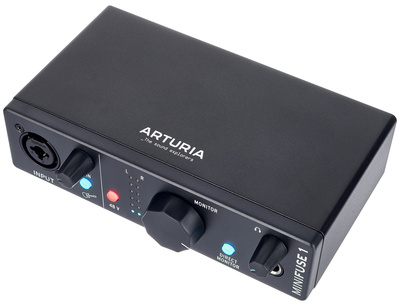
A one-input USB-C interface with a combo jack for a microphone or a guitar and phantom power for condenser mics. One of the highest-ranked interfaces we track under $100: #3 of 206 USB audio interfaces.
Shure SM58 LC, $129

The dynamic vocal microphone on half the stages in the world. In an untreated room it picks up less of the room than a condenser, which is exactly what a beginner needs. #2 of 73 dynamic microphones.
AKG K-240 Studio, $77
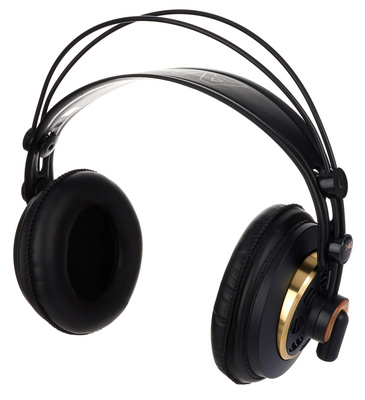
Semi-open studio headphones, comfortable for long sessions, for recording and first mixes. #1 of 105 studio headphones.
Home studio setup for about $750
Two inputs, real monitors and a condenser microphone.
Arturia MiniFuse 2 OTG, $182
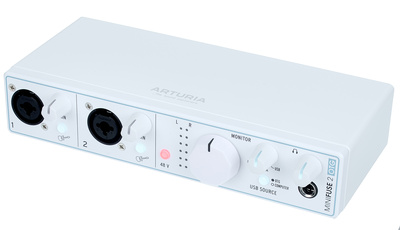
Two inputs, so you can record a singer and a guitar at once, plus a second USB port for a phone or tablet. #1 of 206 USB audio interfaces in our ranking.
Yamaha HS 5, $179
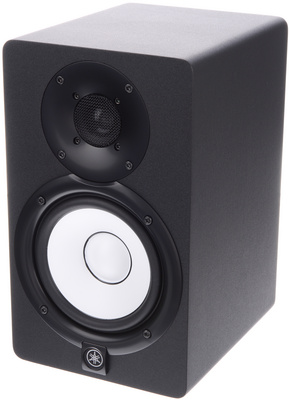
A 5-inch active nearfield monitor, sold individually, so budget for two. The HS series is the most-used monitor in home studios for a reason: it's honest about what's wrong with a mix. #1 of 224 active nearfield monitors.
Warm Audio WA-87jr SE, $223

A large-diaphragm condenser with a fully discrete circuit, for vocals and acoustic guitar with more detail than a dynamic mic. It needs the phantom power the interface provides. #2 of 214 large diaphragm microphones.
Audio-Technica ATH-M40X, $120
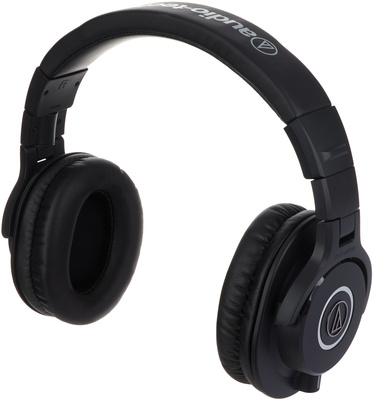
Closed headphones that keep the click track out of the microphone while you record. #4 of 105 studio headphones.
Home studio setup for about $1,500
Four inputs, bigger monitors, a keyboard and something for the room.
Arturia MiniFuse 4 White, $208
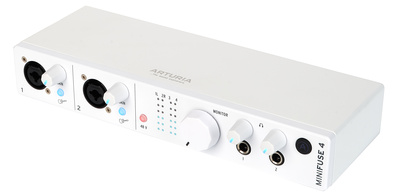
Four inputs for a small band or a drum kit with a few mics, with level meters on the front. #3 of 206 USB audio interfaces.
Yamaha HS 7, $246

The 6.5-inch version of the HS5, with deeper bass, again sold one at a time. #3 of 224 active nearfield monitors.
beyerdynamic DT-990 Pro 250 Ohm, $167
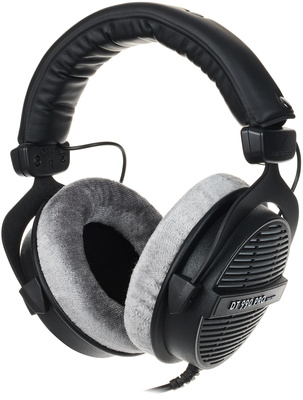
Open-back headphones for mixing, with a wide, natural sound. Use the closed ones for recording. #1 of 105 studio headphones.
Novation FLkey 61, $258

A 61-key MIDI keyboard with 16 pads, built to control FL Studio, for beats and virtual instruments. #2 of 26 master keyboards (up to 61 keys).
SE Electronics RF-X Reflexion Filter, $104

A shield that sits behind the microphone and cuts the room's echo from vocal recordings. The cheapest way to make a bedroom sound less like a bedroom. #1 of 137 miscellaneous acoustic treatment.
Questions
What is the minimum equipment for a home studio?
An audio interface, a microphone and headphones. The MiniFuse 1, Shure SM58 and AKG K-240 above cost about $300 together.
Do I need studio monitors as a beginner?
Not at first. Record and learn on headphones, add monitors when you start mixing seriously. Two Yamaha HS 5 cost about twice the price of one listed above.
Can I use a USB microphone instead of an interface?
Yes, for voice-over and podcasts. But you can't plug a guitar or a second microphone into it, so most musicians start with an interface.
How we picked. Every product comes from an AudioFu ranking, where products are scored on demand, price, specs and brand; we took the highest-ranked models in each price band. Prices are Thomann's, converted from euros at the European Central Bank rate and updated every night, so the setup totals change slightly from day to day.
Share this story

Denis Kataev runs AudioFu. Every night the site records the prices of more than 38,000 instruments and studio tools at Thomann, and he writes about what those numbers show: what got cheaper, what just arrived, and which discounts are real.
All stories by Denis Kataev →