
Best Wireless Microphones with Lapell Microphones for Interview 2026
Alright, so you're doing interviews - docs, podcasts, news, whatever. A wired mic just isn't cutting it anymore, and you need something that moves with your subject without sounding like you're recording through a tin can. Wireless lav mics are the answer, but they're not all created equal. Let's break down what to look for, because a cheap system can sound worse than a bad cable, trust me, I've been there.
Last updated: June 24, 2026 • Next update: July 1, 2026
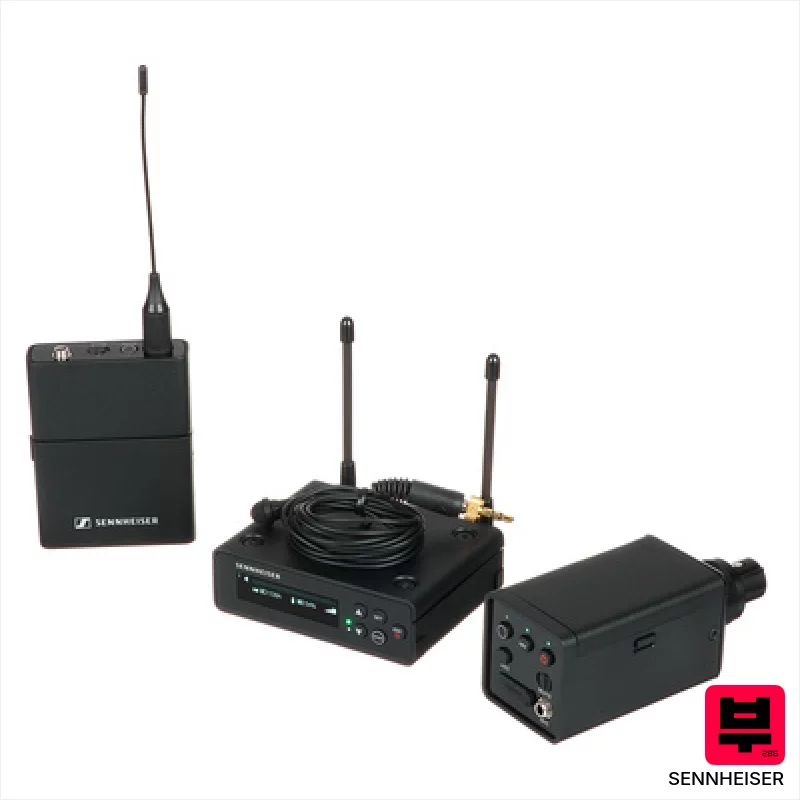
Sennheiser EW-DP ENG SET R1-6
- • Digital clarity offers exceptionally clean audio, minimizing interference common in wireless systems.
- • The ME 2 lavalier delivers a natural, detailed sound with excellent transient response.
- • Smart Assist app simplifies setup and monitoring, especially useful for multi-mic setups.
- • Plug-on transmitter's +48V phantom power supports a wider range of condenser microphones.
- • The receiver, while compact, can feel a little bulky for extended handheld operation.
- • The frequency band R1-6 might require licensing in some regions, limiting flexibility.
- • While versatile, the plug-on design is less ideal for musicians needing a bodypack.
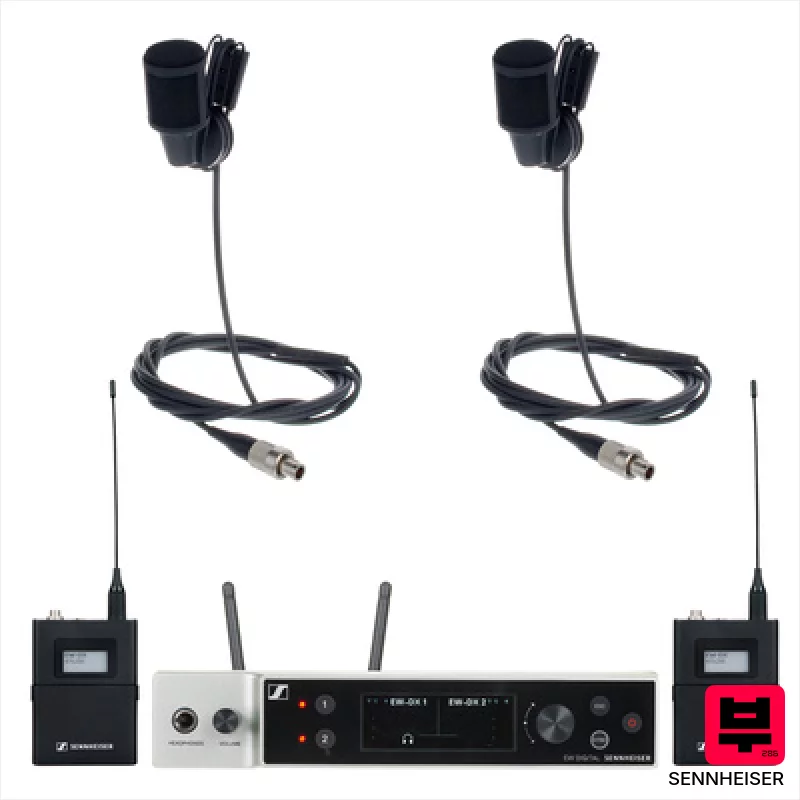
Sennheiser EW-DX 2 Dante MKE40-4 Set Q1-9
- • Rock-solid build quality; feels genuinely robust and dependable.
- • Dante connectivity offers seamless integration with networked audio systems.
- • MKE40-4 lav mics deliver clear, natural vocal reproduction with excellent rejection.
- • SK transmitters are compact and comfortable, with reliable RF performance.
- • Premium-priced, a significant investment for smaller operations.
- • AA battery reliance in transmitters can be inconvenient for extended gigs.
- • Frequency range (470-550MHz) might be restricted in some regions.

Catchbox Plus Hub2D Clip Red Bundle
- • Dual-channel receiver offers flexibility for interviews or multiple speakers.
- • Dante connectivity provides seamless integration into professional audio networks.
- • The integrated range warning system prevents audio dropouts during performances.
- • Robust build quality with a Kensington lock enhances security and durability.
- • The receiver's size and weight (300g) might be cumbersome for some users.
- • Limited channel count restricts use in very crowded RF environments.
- • Euroblock connectors can be less accessible for users unfamiliar with professional audio.

Catchbox Plus Hub2 Clip Red Bundle
- • Robust build quality; feels solid and well-engineered for stage use.
- • Graphical UI simplifies complex settings and troubleshooting.
- • Euroblock connections offer professional-grade audio interfacing options.
- • Integrated range warning system minimizes dropouts during performances.
- • Premium-priced, representing a significant investment for smaller operations.
- • Receiver size and weight can be cumbersome for some performers.
- • Limited channel count restricts use in complex multi-mic setups.
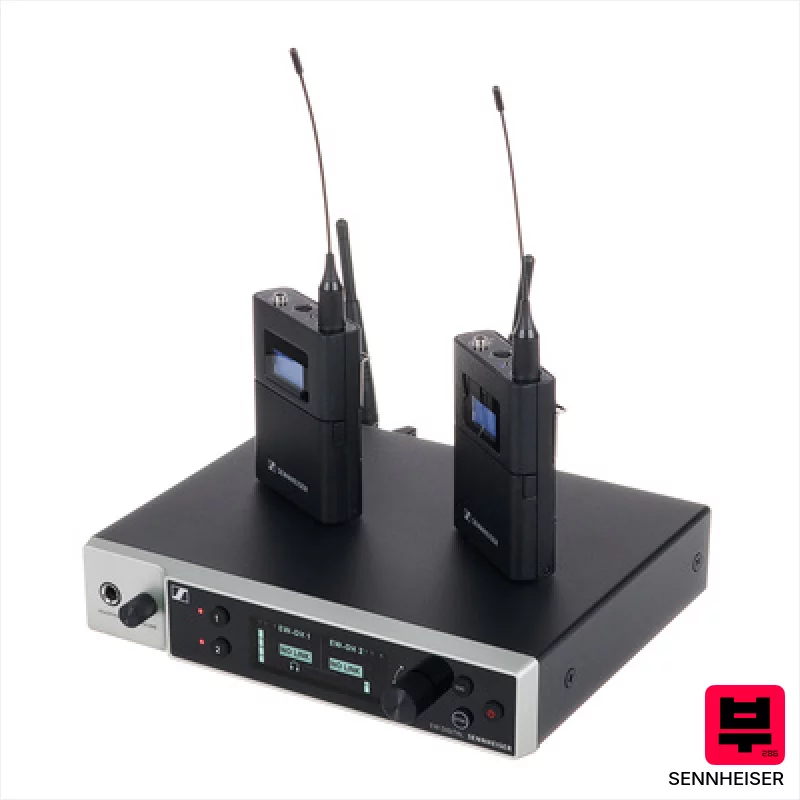
Sennheiser EW-DX MKE2 Set U1/5
- • Rock-solid build quality; feels like a professional broadcast tool.
- • Digital clarity minimizes RF interference – a huge workflow boost.
- • The MKE2 lavs are surprisingly natural-sounding, not tinny.
- • Smart Assist app simplifies complex settings; genuinely useful.
- • Premium-priced, a significant investment for smaller operations.
- • Bodypacks can be a bit bulky for extended wear on performers.
- • Limited frequency agility compared to some higher-end systems.
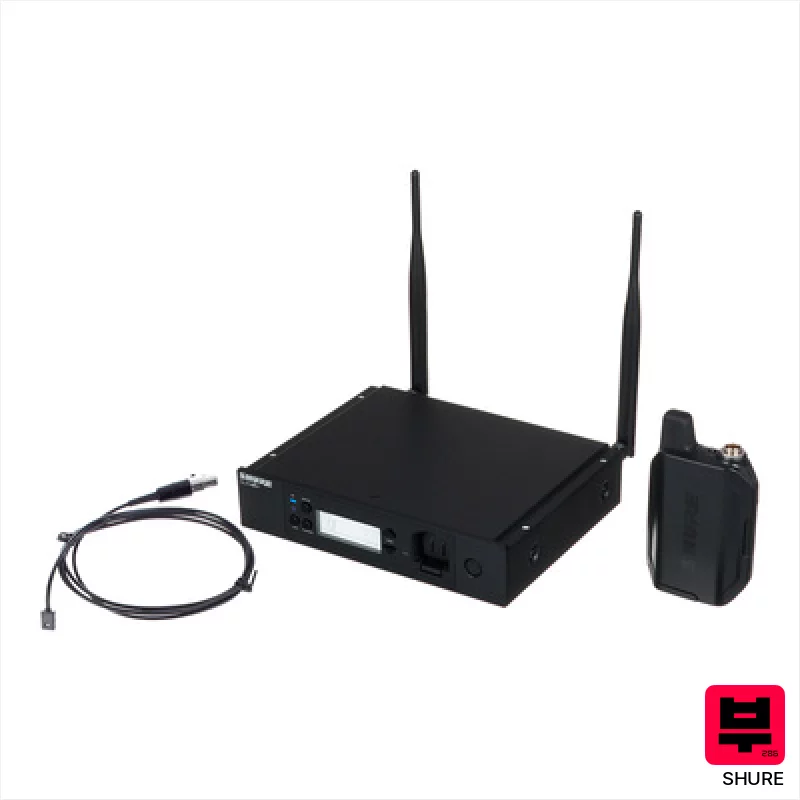
Shure GLXD14R+/93
- • Dual-band operation minimizes interference, a huge reliability boost.
- • Metal transmitter body provides a reassuringly robust feel.
- • WL93 lav mic captures clear, natural vocal tones with good detail.
- • Integrated battery charging is incredibly convenient for presenters.
- • The plastic receiver housing feels a little less premium than the transmitter.
- • Range, while decent, can be affected by dense environments and obstacles.
- • Limited channel options compared to higher-end Shure wireless systems.

Sennheiser EW-DX 2 Dante MKE40-4 Set R1-9
- • Rock-solid build quality; feels immediately durable and professional.
- • Dante connectivity offers seamless integration with networked audio systems.
- • MKE40-4 mics provide clear, natural vocal reproduction with excellent rejection.
- • Receiver’s AES 256 encryption ensures secure and interference-free operation.
- • The receiver is relatively heavy, potentially requiring sturdy mounting solutions.
- • AA battery operation, while convenient, can increase running costs over time.
- • Lapel mic cables can be a potential snag hazard on stage or during movement.
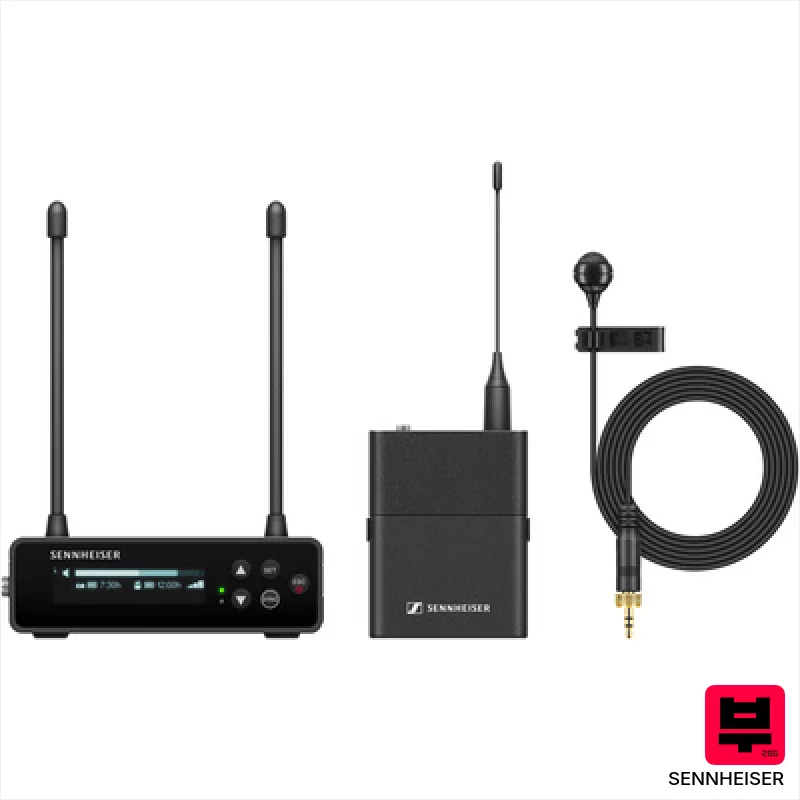
Sennheiser EW-DP ME4 SET R1-6
- • Excellent digital clarity minimizes noise, even in challenging environments.
- • The ME4 lav mic delivers a natural, detailed sound, great for dialogue.
- • Smart Notifications genuinely simplify setup and troubleshooting for less experienced users.
- • Stackable receiver offers scalability for multi-mic productions with ease.
- • The pocket transmitter, while compact, can feel a bit bulky for extended wear.
- • Battery life, while decent, requires mindful management during long shoots.
- • Limited frequency band (R1-6) might restrict channel availability in congested areas.

Sennheiser EW-DP ME2 SET R1-6
- • Excellent dynamic range (134dB) minimizes noise and maximizes clarity.
- • Digital transmission offers clean, interference-free audio performance.
- • Smart Assist app provides intuitive troubleshooting and system monitoring.
- • Compact receiver and transmitter design enhance portability and discreet placement.
- • Battery life, while decent, could be better for extended shoots without charging.
- • The ME2 lavalier, while good, isn't a high-end studio mic.
- • Limited channel count compared to some competing systems.
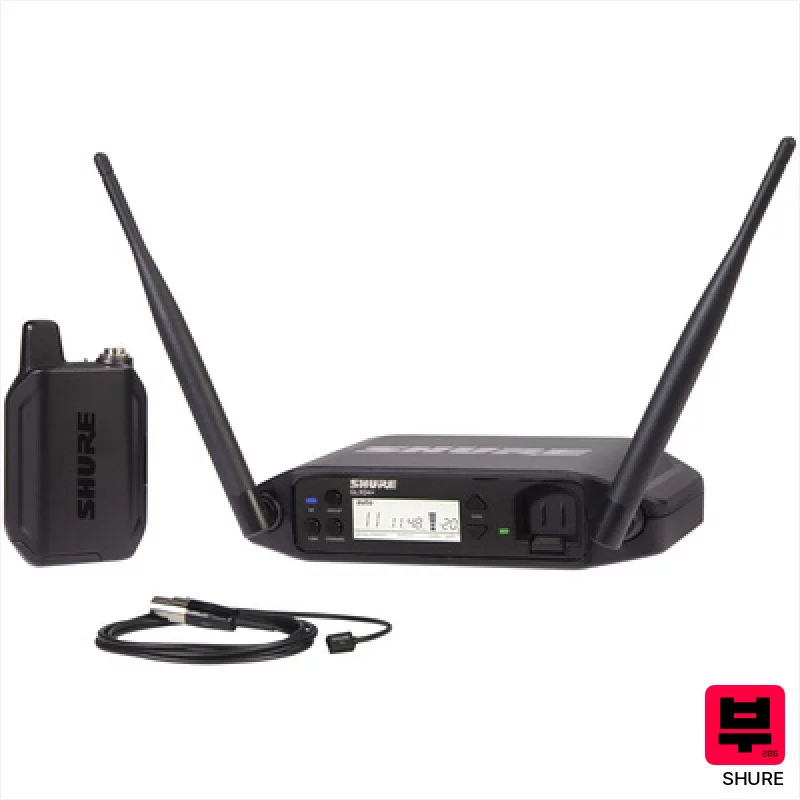
Shure GLXD14+/93
- • Dual-band frequency agility minimizes interference, a huge reliability boost.
- • The WL93 lav mic delivers clear, natural vocal reproduction for presenters.
- • Metal transmitter feels robust and well-built, inspires confidence.
- • Integrated charging is convenient; saves space and simplifies workflow.
- • Receiver's plastic construction feels a bit less premium than the transmitter.
- • Limited channel count compared to higher-end Shure systems; scalability is capped.
- • Fixed antennas restrict placement flexibility for optimal signal reception.
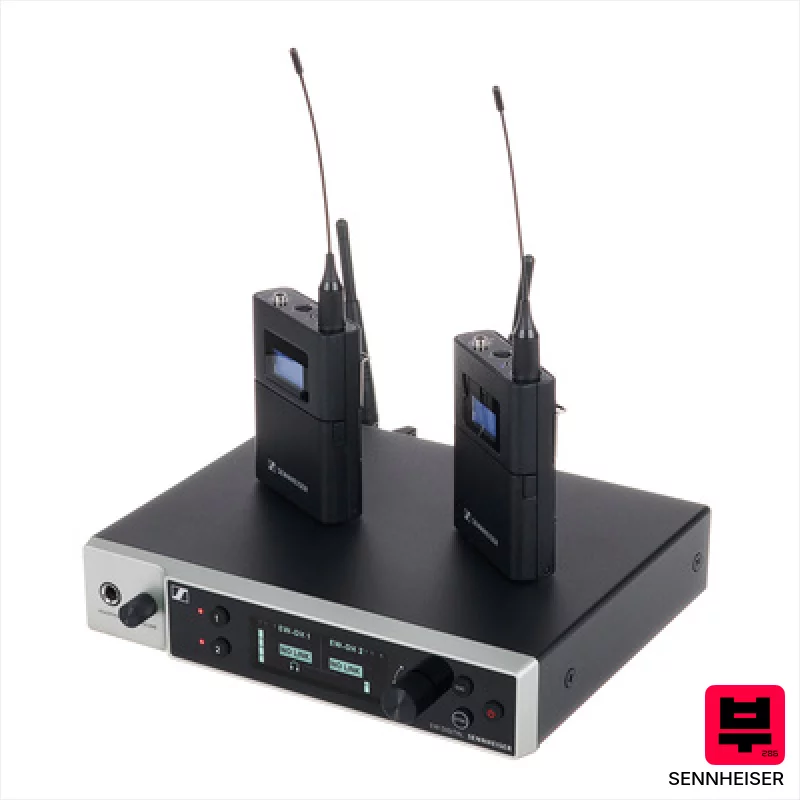
Sennheiser EW-DX MKE2 Set S2-10
- • Rock-solid Sennheiser build quality, feels exceptionally durable.
- • Digital clarity eliminates RF interference common in wireless systems.
- • MKE2 lav mics offer a natural, uncolored vocal reproduction.
- • Smart Assist app simplifies complex system configuration and management.
- • Premium-priced, a significant investment for smaller operations.
- • Bodypack weight might be noticeable during extended wear.
- • Limited frequency agility compared to some competing systems.
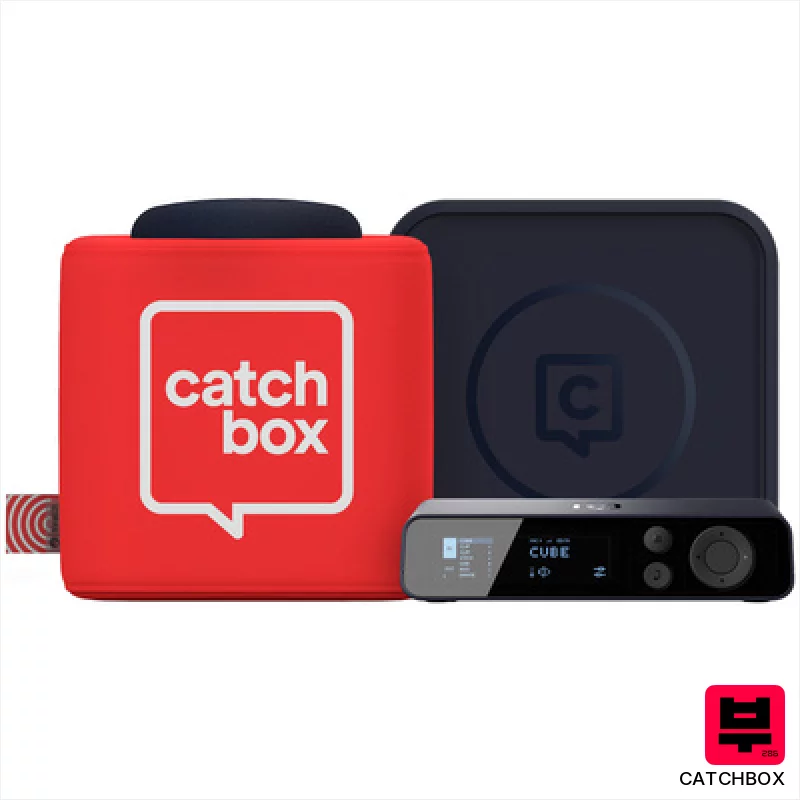
Catchbox Plus Hub4D Cube Red Bundle
- • Dante connectivity provides seamless integration into professional audio networks.
- • The graphical user interface simplifies complex receiver configuration and monitoring.
- • Robust build quality with a Kensington lock offers security and durability for stage use.
- • Stealth Mode minimizes accidental activation and feedback in quiet environments.
- • The receiver's size (184 x 40 x 92 mm) can be bulky for some setups.
- • Euroblock connectors require adapters for standard XLR connections, adding cost/complexity.
- • 1.8/1.9 GHz band might face interference in densely populated areas.
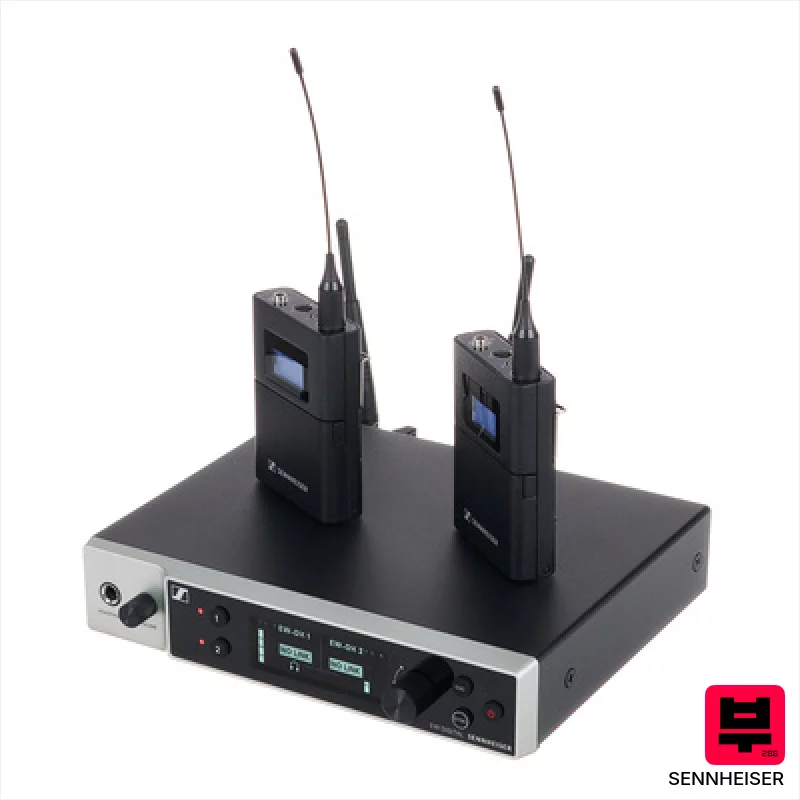
Sennheiser EW-DX MKE2 Set Y1-3
- • Rock-solid build quality; feels like it'll survive a roadie's abuse.
- • Excellent dynamic range minimizes noise even in challenging environments.
- • MKE2 lavaliers offer clear, natural sound reproduction with minimal handling noise.
- • Smart Assist app simplifies complex wireless setup and management.
- • Premium-priced, a significant investment for smaller operations.
- • Frequency band Y1-3 might be restricted in some regions; check local regulations.
- • The pocket transmitters, while compact, can feel a bit bulky on some users.

Catchbox Plus Hub4 Cube Red Bundle
- • Excellent wireless audio quality with minimal latency for dynamic performances.
- • The integrated automixer simplifies complex multi-mic setups significantly.
- • Durable construction with a Kensington lock offers security and portability.
- • Radio synchronization eliminates frequency coordination headaches for reliable operation.
- • The Euroblock connectors require adapters for standard XLR usage, adding cost and complexity.
- • The 100m range is optimistic; real-world performance depends heavily on environment.
- • Premium-priced, limiting accessibility for budget-conscious users or smaller venues.
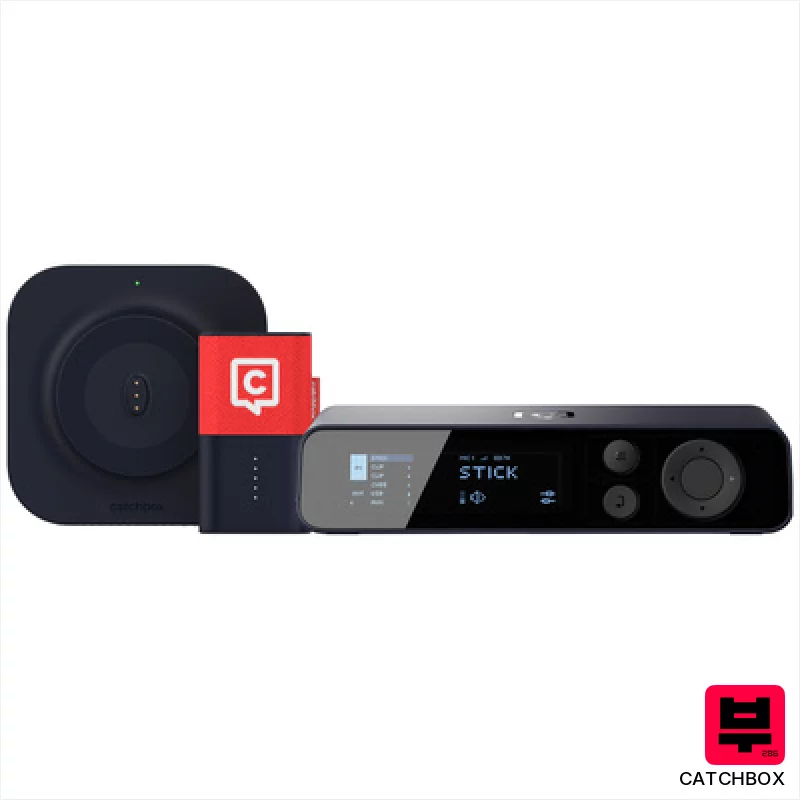
Catchbox Plus Hub4 Clip Red Bundle
- • Robust build quality with a reassuringly solid feel.
- • Integrated automixer simplifies complex audio setups significantly.
- • The graphical user interface is genuinely intuitive and helpful.
- • Excellent range; 100m is achievable in realistic environments.
- • The receiver is relatively bulky compared to some competitors.
- • Euroblock connectors are less common and may require adapters.
- • Stealth mode's effectiveness is reliant on the environment.
How to Choose the Best Wireless Microphones with Lapell Microphones
Frequency Response & Tonal Character
Interview isn't about a hyped-up bass or sparkly highs. You want a natural, balanced response - capturing the nuances of speech without sounding boxy or nasal. A slight warmth in the lower mids can help vocals sit better in a mix, but avoid anything with a harsh upper-midrange that'll make everything sound brittle.
Wireless Range & Reliability
Range is obvious, but more important is consistent signal. Interference is a killer in crowded RF environments. Look for systems with wider bandwidths and robust frequency management. Dropped audio during a crucial moment is a nightmare.
Microphone Capsule Quality
The capsule is the heart of the lav. Cheap capsules sound thin and lack detail. Higher-end capsules often have better off-axis rejection - crucial for minimizing background noise when you're in a less-than-ideal location. It's the difference between a clean recording and a noisy mess.
Build Quality & Durability
These mics are going to get handled, clipped to clothing, and generally abused. A flimsy plastic housing or a poorly constructed capsule will fail quickly. Solid construction and reliable clips are a must, especially if you're gigging regularly.
Ease of Use & Setup
A complicated system is a time-waster. Clear menus, intuitive controls, and easy frequency scanning are huge. You don't want to be fighting with your gear when you're trying to capture a critical interview.
Buying Guide
Don't chase the cheapest option - you'll pay for it in headaches and poor audio. Wireless systems often cut corners on the receiver's dynamic range or the capsule quality. Paying a bit more for a system with a wider frequency range, better build, and a decent capsule will save you time and frustration in the long run. Consider a system with multiple channels if you're interviewing multiple people at once.
Our Methodology
We're not just looking at spec sheets here; we've spent time using these systems in actual interview scenarios - noisy locations, quiet studios, you name it. We've A/B'd them against each other and against high-end wired mics, focusing on how they sound on-axis and off-axis, and how well they handle dynamic vocal performances. It's about real-world performance, not marketing fluff.

