
Best Wireless Microphones with Lapell Microphones Under $800 2026
Alright, so you need a wireless lav mic system but you're not looking to drop a grand. It's a common situation - you want that freedom from cables for vocals, interviews, or even a sneaky mic on a drummer, but your budget's got limits. Let's be real, under $800 you're making compromises, but you can still get a system that'll sound decent and work reliably for gigs, rehearsals, or even recording basic voiceovers. We'll focus on bang-for-the-buck here, not chasing the audiophile dream.
Last updated: April 11, 2026
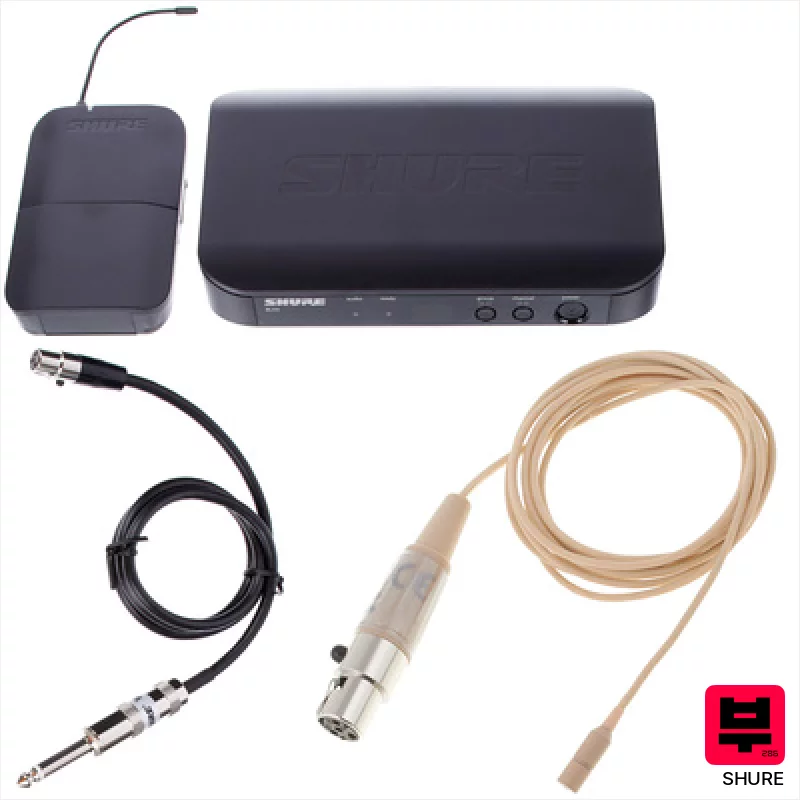
Shure BLX14 T11 BodymiKe Tan Bundle
- • Reliable Shure build quality ensures robust performance on stage.
- • The T11 frequency band offers relatively clear operation in many regions.
- • BodymiKe lav mic captures clear vocals and instruments surprisingly well.
- • Quick-Scan frequency detection simplifies setup and avoids interference.
- • BLX series is aging tech; lacks modern features like digital encryption.
- • Plastic receiver feels less premium compared to Shure’s higher-end offerings.
- • Limited frequency range restricts use in densely populated RF environments.
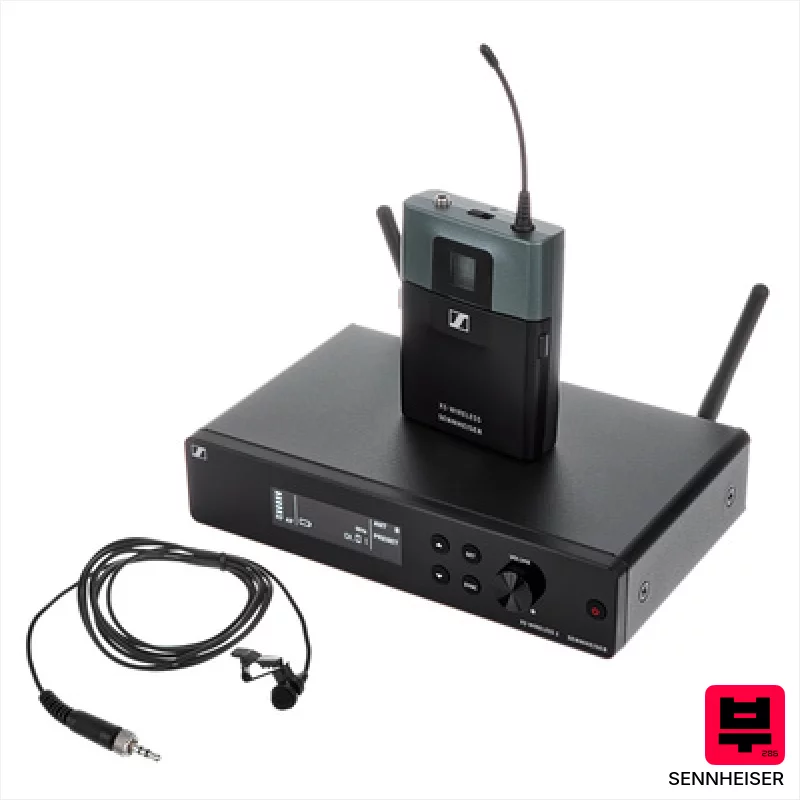
Sennheiser XSW 2-ME2 GB-Band Lapel Set
- • Robust metal receiver housing provides excellent durability for stage use
- • True diversity system minimizes dropouts in challenging RF environments
- • ME2-2 mic offers natural, clear vocal reproduction with good detail
- • Wide 24 MHz bandwidth provides ample channel selection and flexibility
- • Transmitter power is moderate, limiting range in dense RF areas
- • AA battery reliance can be inconvenient for extended performances
- • GB band operation restricts availability in some regions/countries
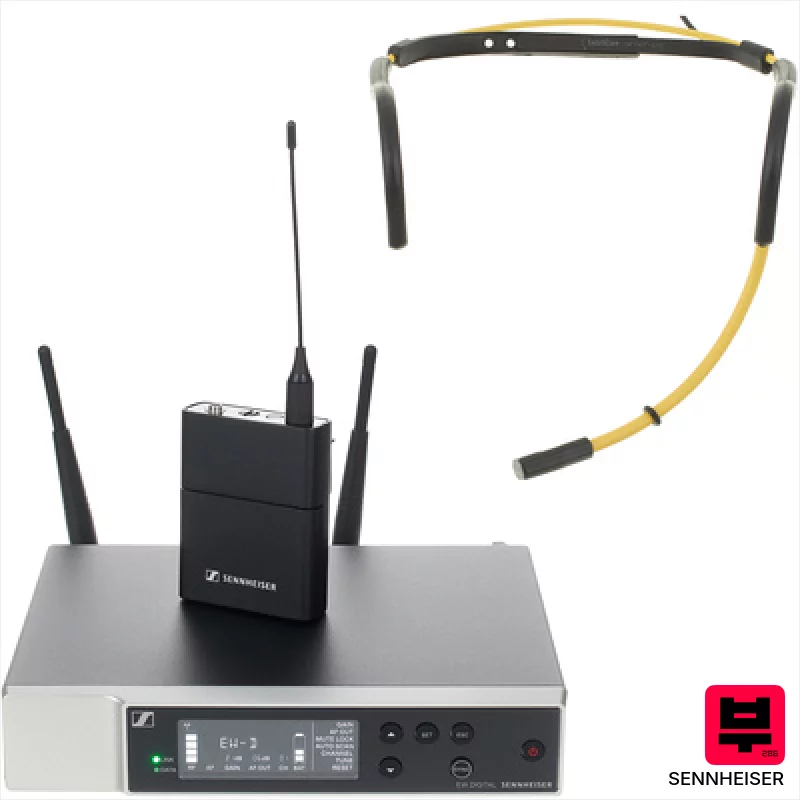
Sennheiser EW-D HT 747 Q1-6 Bundle
- • Rock-solid Sennheiser build quality ensures years of reliable performance
- • Digital transmission minimizes interference, crucial for live stages
- • HT 747 headset is comfortable and secure even during high-energy performance
- • Smart Assist App simplifies complex wireless system management significantly
- • Frequency band limitations may require licensing in certain regions
- • AA battery reliance can be inconvenient for extended gigs
- • The bundled cable isn't the highest quality; consider an upgrade

Sennheiser EW-D HT 747 S1-7 Bundle
- • Rock-solid Sennheiser build quality ensures years of reliable use
- • Digital clarity minimizes interference, crucial for live performance
- • HT 747 headset is lightweight and comfortable for extended wear
- • Smart Assist App simplifies complex wireless system management
- • The AA battery reliance can be inconvenient for long gigs
- • Limited frequency band requires careful channel selection in crowded RF environments
- • Guitar cable not included adds an unexpected expense for users
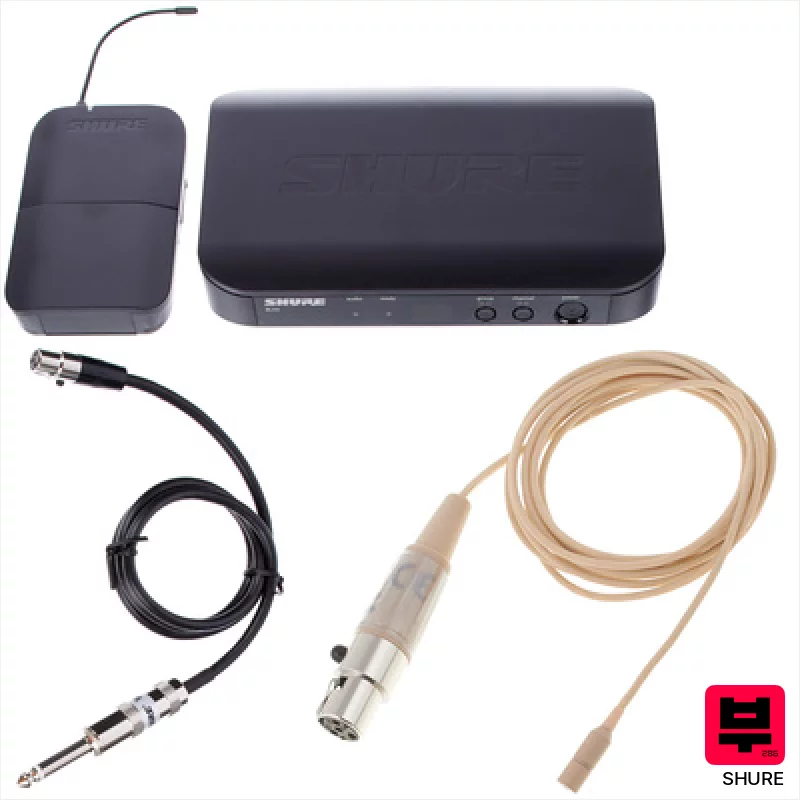
Shure BLX14 S8 BodymiKe Tan Bundle
- • Reliable Shure build quality ensures consistent performance.
- • The PG Guitar Series pickup delivers a warm, focused tone.
- • Quick-Scan frequency detection simplifies setup in crowded RF environments.
- • BodymiKe lavalier mic captures clear vocals and instruments.
- • BLX system is a slightly older technology, lacks modern features.
- • Plastic receiver construction feels less premium than all-metal options.
- • Limited frequency band (S8) can restrict channel availability.
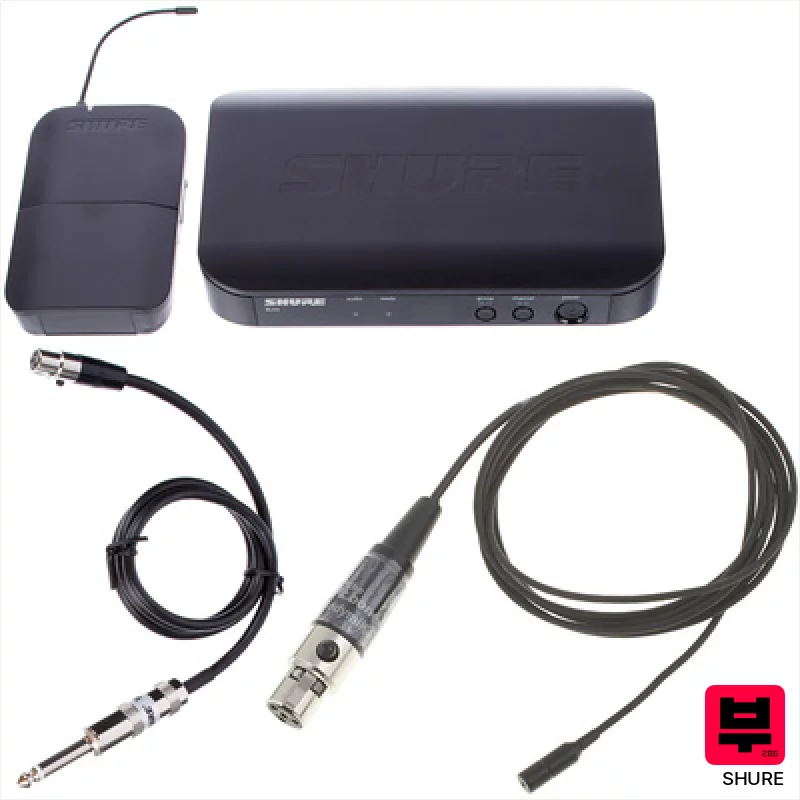
Shure BLX14 T11 BodymiKe bk Bundle
- • Solid Shure build quality inspires confidence and reliability.
- • T11 frequency range offers good clarity and minimal interference.
- • BodymiKe lavalier is surprisingly sensitive, captures vocal nuances.
- • Quick-Scan frequency detection simplifies setup, avoids frustrating dead spots.
- • BLX series is aging tech; lacks modern features like digital encryption.
- • Plastic receiver feels a bit budget-oriented, not as robust as metal.
- • Limited frequency allocation can be problematic in crowded RF environments.
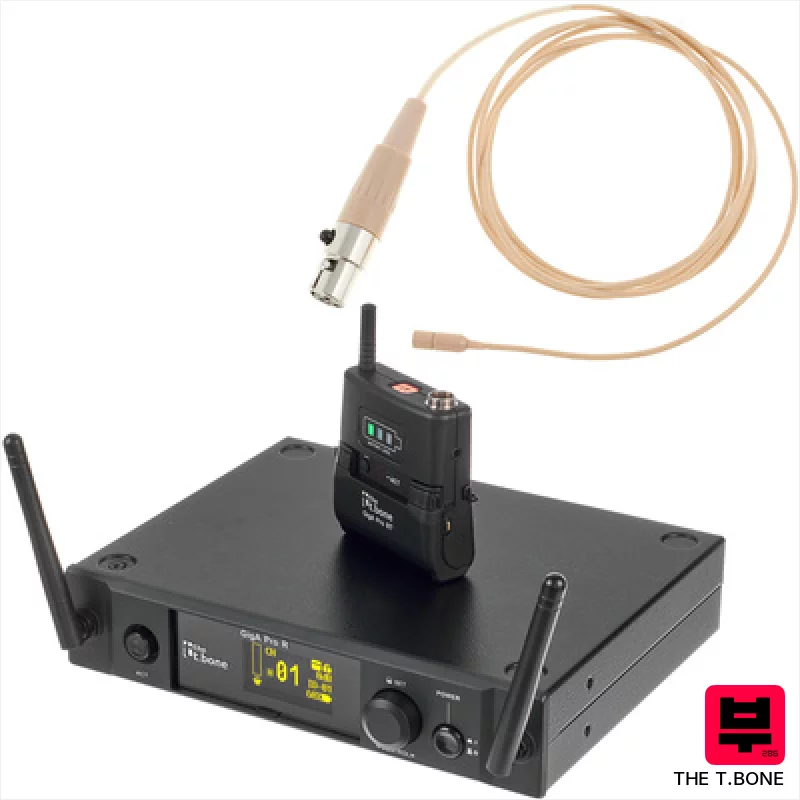
the t.bone GigA Pro Body BodymiKeT Bundle
- • 2.4GHz ISM band avoids common interference sources
- • True diversity receiver minimizes dropouts and signal issues
- • OLED display provides clear battery and frequency information
- • Compact transmitter design is comfortable for extended wear
- • Plastic housing feels less premium compared to metal alternatives
- • Range is line-of-sight; obstacles significantly reduce performance
- • Lack of XLR output limits professional audio interface compatibility
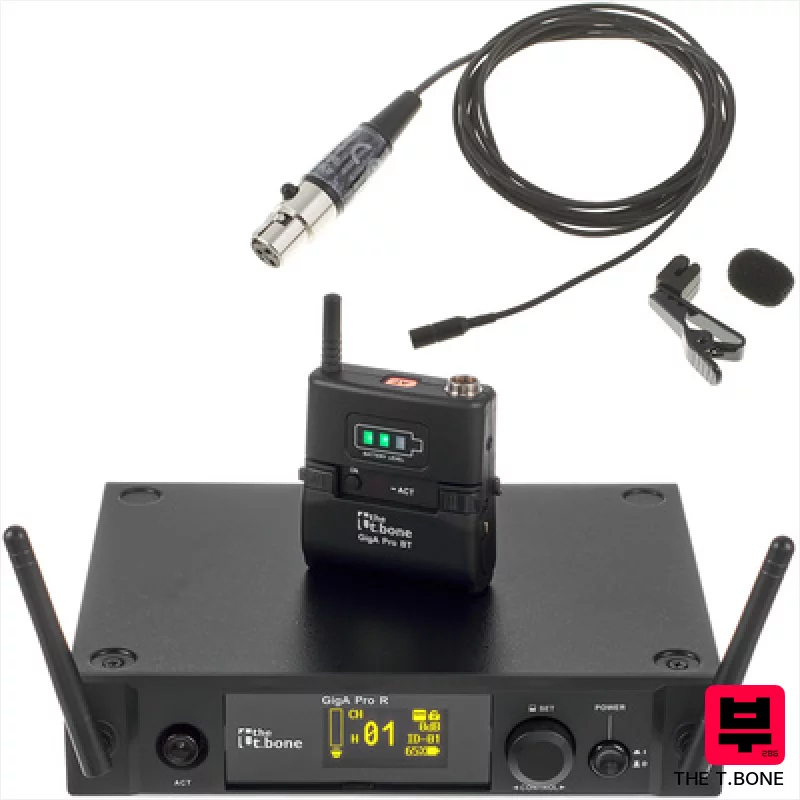
the t.bone GigA Pro Body BodymiKeB Bundle
- • Robust plastic housing provides decent drop protection for stage use
- • 2.4GHz band offers relatively clean wireless operation in most environments
- • ACT sync simplifies frequency coordination with other t.bone systems
- • Integrated battery charger adds convenience and eliminates extra cables
- • Plastic construction feels less premium than metal-bodied competitors
- • 100m range is optimistic; expect reduced performance with obstacles
- • Limited frequency options may cause interference in crowded RF environments
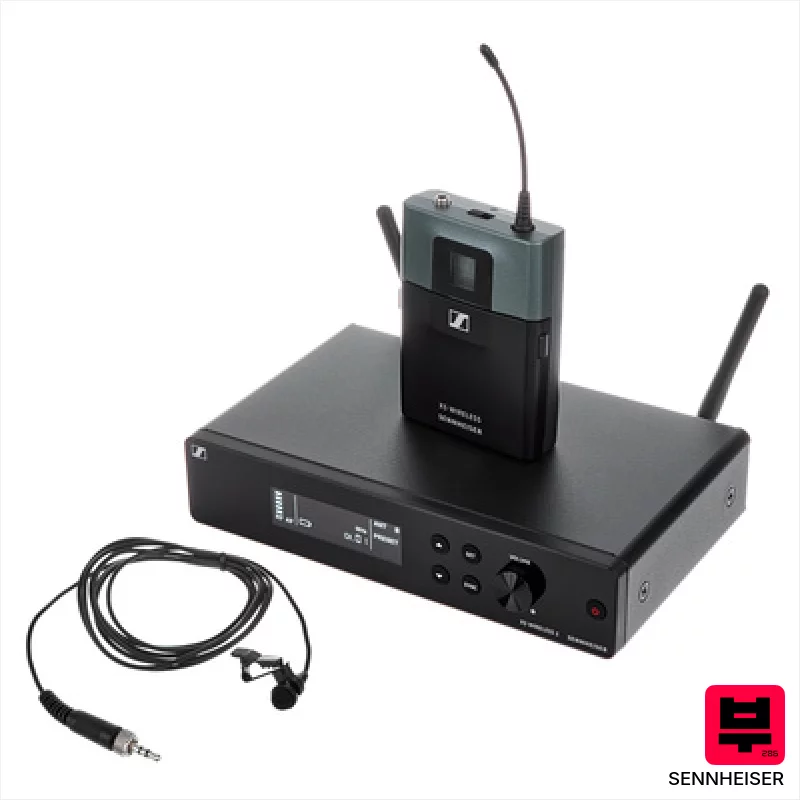
Sennheiser XSW 2-ME2 A-Band Lapel Set
- • Robust metal housing offers excellent durability for stage use
- • True diversity reception minimizes dropouts in challenging RF environments
- • ME2-2 mic delivers clear, natural audio with decent proximity effect
- • Wide 24 MHz bandwidth provides ample channel selection for crowded spaces
- • A-band operation may face interference in densely populated areas
- • Pocket transmitter can feel bulky for extended wear or very small individuals
- • Limited frequency range might require careful frequency coordination in large events
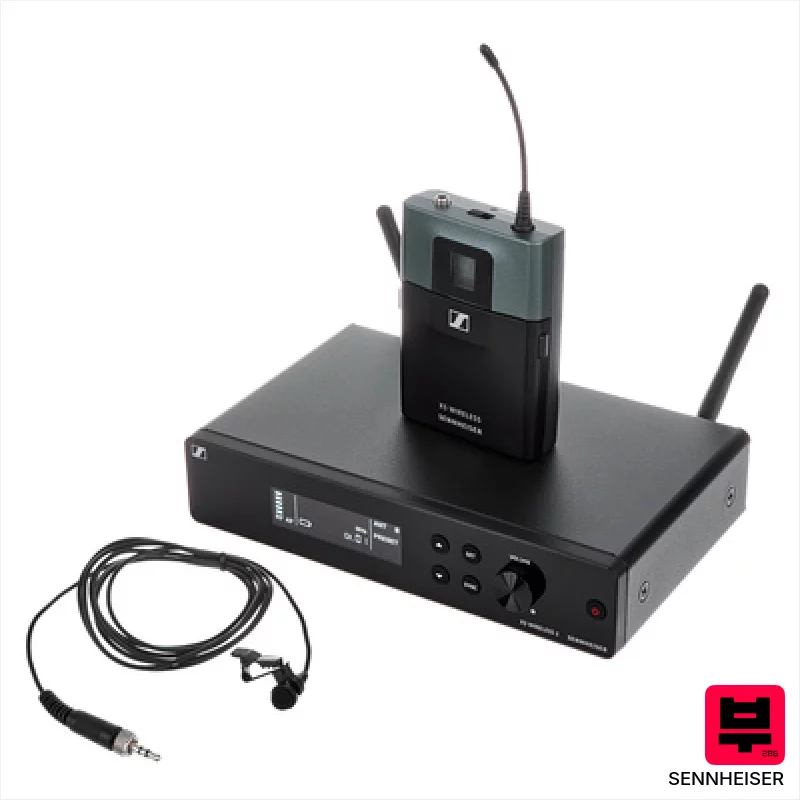
Sennheiser XSW 2-ME2 E-Band Lapel Set
- • Robust metal receiver housing provides excellent durability on stage.
- • ME2-2 mic captures clear, natural vocals with minimal handling noise.
- • E-band frequency range offers cleaner operation, less interference common.
- • Scan function simplifies frequency selection, a real time-saver for gigs.
- • AA battery power is less convenient than rechargeable options for extended use.
- • The ME2-2's omni pattern picks up more ambient noise, requires careful placement.
- • Limited frequency bandwidth compared to wider-range wireless systems.
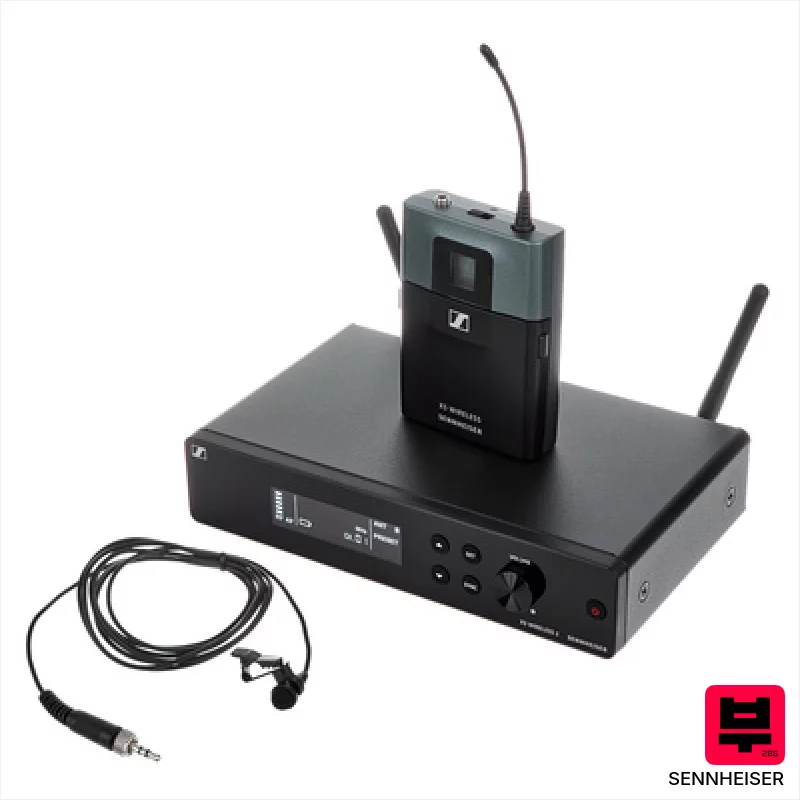
Sennheiser XSW 2-ME2 B-Band Lapel Set
- • Robust metal receiver housing provides excellent durability on stage.
- • True diversity system minimizes dropouts in challenging RF environments.
- • ME2-2 lavalier offers clear, natural audio capture for dialogue and vocals.
- • Wide 24 MHz switching bandwidth offers ample channel selection for flexibility.
- • Limited frequency range restricts usage in congested RF areas.
- • Pocket transmitter's size can be bulky for some users' comfort.
- • AA battery power adds to ongoing operational costs and potential for failure.
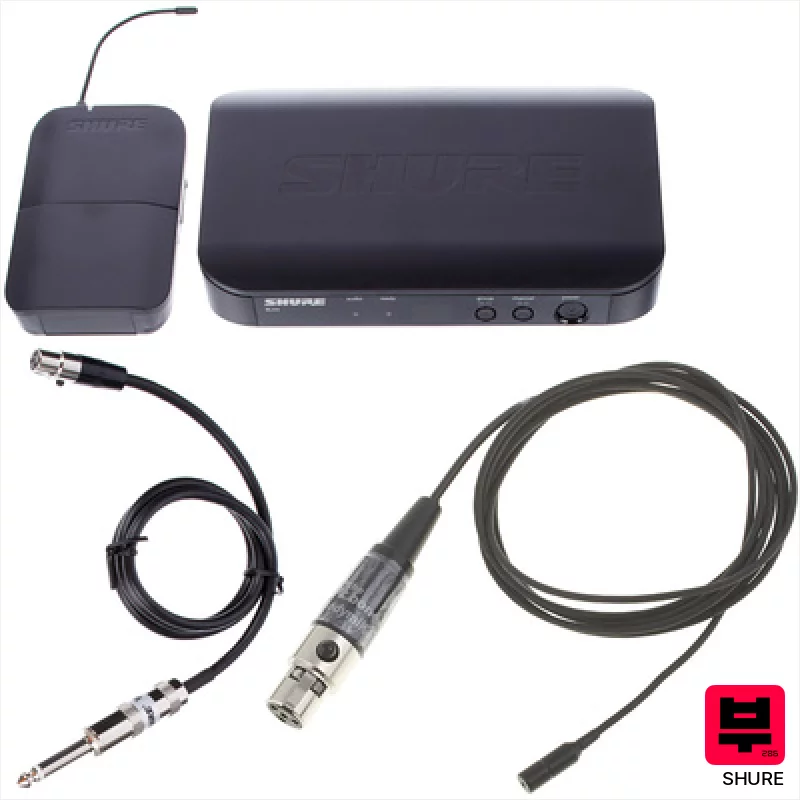
Shure BLX14 S8 BodymiKe bk Bundle
- • Shure reliability ensures consistent, clear audio capture.
- • BLX system's Quick-Scan simplifies frequency coordination in busy environments.
- • BodymiKe lav mic offers surprisingly natural vocal reproduction for its size.
- • Integrated antennae provide decent range without external accessories.
- • BLX series is aging technology; lacks modern features like digital encryption.
- • Plastic receiver feels budget-oriented; doesn't inspire premium confidence.
- • Limited frequency band (S8) can restrict usage in crowded wireless spaces.
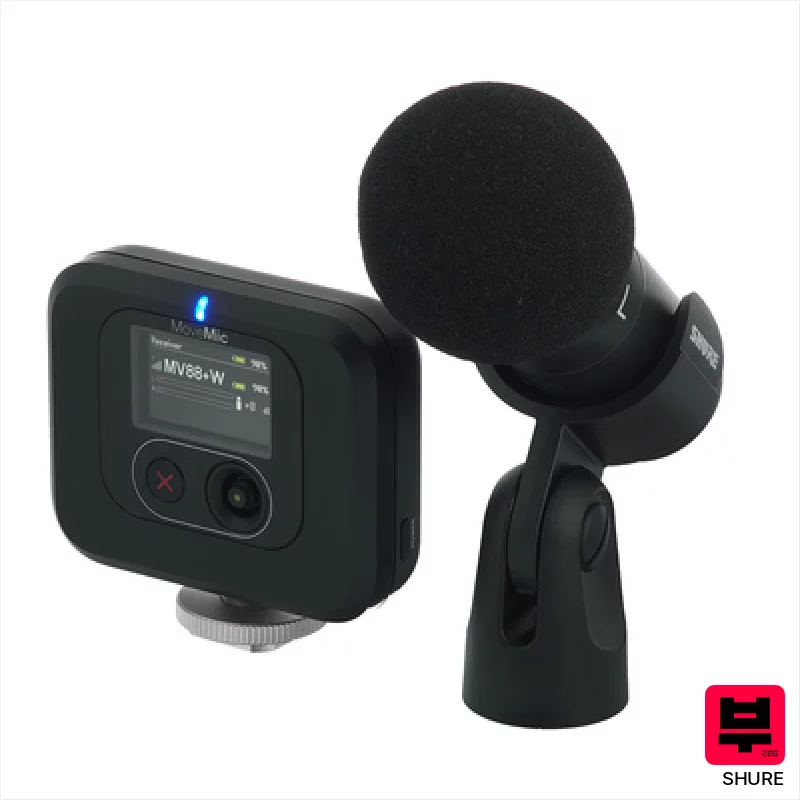
Shure MoveMic 88+ Receiver Kit
- • Excellent Shure build quality; feels robust and well-engineered.
- • Versatile polar patterns offer creative recording flexibility.
- • Camera integration simplifies content creation workflows significantly.
- • 2.4 GHz band offers decent performance in most common environments.
- • Limited frequency band could face interference in densely populated areas.
- • Receiver's compact size might make it feel slightly fragile.
- • Battery life, while adequate, isn't class-leading for wireless systems.

Sennheiser XSW 1-ME2 GB-Band Lapel Set
- • Robust build quality; feels solid and dependable for stage use
- • ME 2-2 mic captures clear, natural vocal tones with good detail
- • Diversity receiver provides excellent signal stability and reduces dropouts
- • Wide 24MHz bandwidth offers ample channel selection for crowded RF environments
- • AA battery power is less convenient than rechargeable options
- • GB band frequency range can be congested in some areas
- • Bodypack's size may be slightly bulky for smaller users
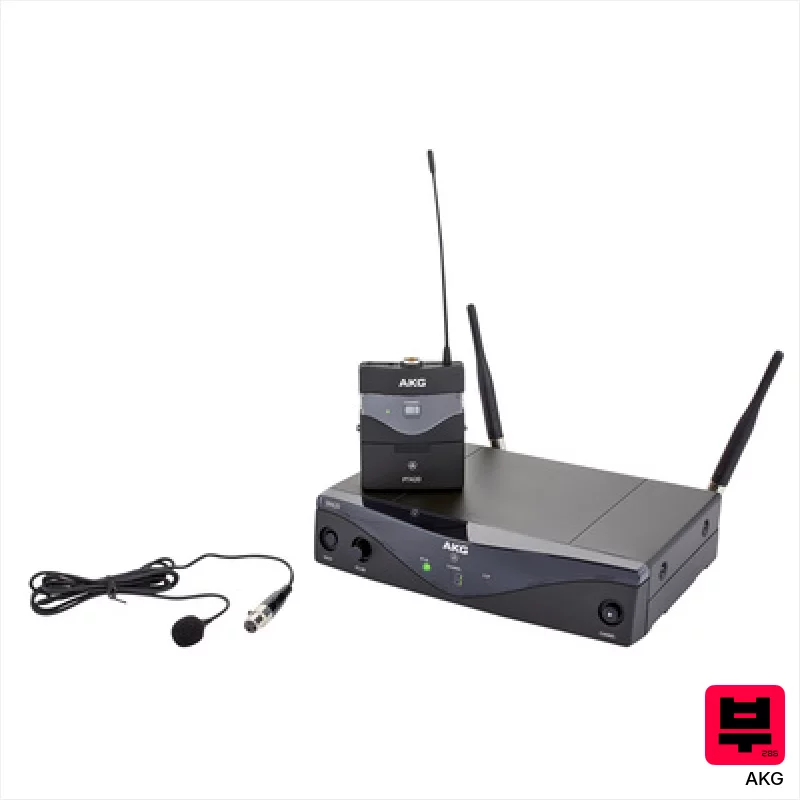
AKG WMS 420 Presenter Set Band A
- • Solid AKG build quality; feels robust and reliable.
- • The C417 lav mic delivers surprisingly clear, natural vocal capture.
- • Antenna diversity provides good signal stability in challenging environments.
- • Compact receiver is easily rack-mountable or tabletop-friendly.
- • A Band frequency limitations may restrict availability in some regions.
- • AA battery power is less convenient than rechargeable options.
- • Limited frequency allocation compared to higher-tier wireless systems.
How to Choose the Best Wireless Microphones with Lapell Microphones
Frequency Response & Clarity
Cheap wireless systems often muddy up the low-mids, losing that vocal articulation. We're looking for something that's reasonably clean, even if it lacks the airiness of a higher-end mic. A slight bump in the upper mids can help cut through a busy mix, but avoid anything that sounds harsh.
Range & Interference
Wireless is only useful if it works. We tested range in crowded environments (think rehearsal spaces with lots of other gear) and looked for systems that can handle some interference without dropping out. Don't expect miracles - walls and other wireless devices are your enemy.
Build Quality & Durability
Gigs are rough. These mics are going to get knocked around, stepped on, and generally abused. We checked for solid construction, decent clips, and overall resilience. Cheap plastic is a red flag.
Latency
A noticeable delay between your voice and the speakers is a deal-breaker for live performance. We tested for latency and looked for systems with minimal delay, especially for vocals that need to be tight with a band.
Battery Life
Nobody wants to change batteries mid-gig. We evaluated battery life under realistic usage conditions (talking, singing, moving around) and considered the convenience of rechargeable options.
Buying Guide
At this price point, you're trading off something. Usually it's build quality, frequency response, or range. Don't expect pristine audio - focus on reliability and usability. Pay attention to the number of selectable frequencies; more is better for avoiding interference. And honestly, a decent wired mic often sounds better, so consider if wireless is truly necessary for your application.
How This List Is Built
We don't play these instruments — we're a catalog, not a review desk, and we'd rather say so than pretend otherwise. This page ranks 15 wireless microphones with lapell microphones from the Thomann catalogue, which is the largest single source of specification data in this category.
Position is computed, not curated. Four signals, in order of weight: how completely the manufacturer documents the instrument (number of published specifications), where it sits in the price range, how specific the model designation is — which filters out generic accessories — and whether a product image exists. The same inputs always produce the same order, so nothing here is shuffled to look fresh.
What this list is good for: narrowing a category down to a shortlist by spec and budget. What it isn't: a substitute for hearing an instrument. Before you buy, read hands-on reviews and, where you can, play it. Full methodology.

