
Best USB/Podcast Microphones for Streaming 2026
So, you're diving into streaming? Awesome. But that headset mic isn't gonna cut it if you want to sound pro. We're not talking about pristine studio vocals here; we're after something that translates well across different internet connections, handles game audio and music without sounding muddy, and still gives you a decent, characterful tone. This list isn't about the most expensive, it's about the best bang for your buck for the streamer who wants to sound good without breaking the bank or needing a PhD in audio engineering.
Last updated: July 22, 2026 • Next update: July 29, 2026
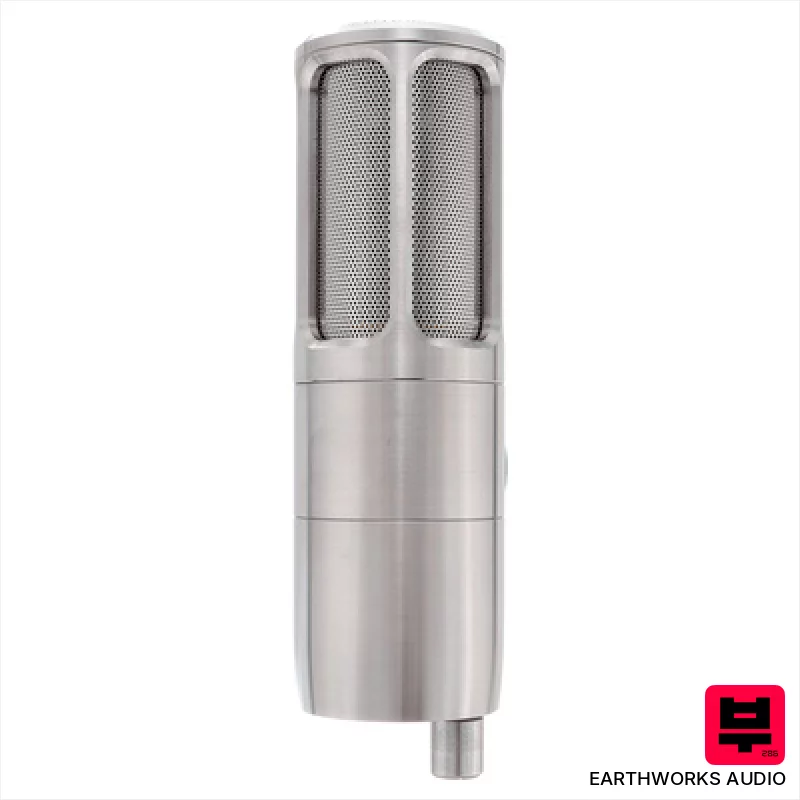
Earthworks Audio ICON
- • Exceptional transient response delivers incredibly detailed audio capture
- • Stainless steel windscreen noticeably reduces plosives and breath noise
- • Cardioid pattern effectively isolates vocals, minimizing room reflections
- • USB-C connection provides clean, low-noise signal with simple plug-and-play operation
- • Limited polar pattern options restrict flexibility for certain recording scenarios
- • Premium-priced for a USB microphone, potentially prohibitive for budget users
- • Sidetone functionality only available on Windows/Linux, a macOS limitation

Austrian Audio MiCreator System Set
- • Excellent audio quality with Austrian Audio's renowned condenser capsule.
- • Satellite expands connectivity for instruments/second mics – clever design.
- • Robust metal housing feels premium and offers customizable aesthetics.
- • Intuitive jog wheel offers precise volume/gain control and monitoring.
- • USB-C only limits compatibility with older computer setups.
- • Satellite adds complexity; simpler setups might be preferable.
- • Cardioid pattern restricts versatility for multi-mic recording scenarios.

Tula Microphones Tula Mic Red
- • Excellent cardioid pickup isolates vocals effectively, minimizing room noise.
- • Integrated recorder offers true portability, ditching the need for a separate interface.
- • Compact size and lightweight design are ideal for on-location recording.
- • Side buttons provide convenient, tactile control over recording functions.
- • Limited frequency response may lack detail for critical audio applications.
- • Single polar pattern restricts flexibility for various recording scenarios.
- • Battery life, while decent, could be shorter for extended sessions.

SE Electronics Neom USB
- • Solid build quality for the price, feels surprisingly robust.
- • Cardioid pattern effectively isolates vocals, minimizing room noise.
- • Integrated shockmount noticeably reduces handling noise and vibrations.
- • On-mic controls offer convenient, real-time adjustments during recording.
- • High-frequency response can be a touch harsh without EQ.
- • Limited connectivity; USB-C to USB-A cable is a bit restrictive.
- • While versatile, lacks the flexibility of XLR mics with phantom power.
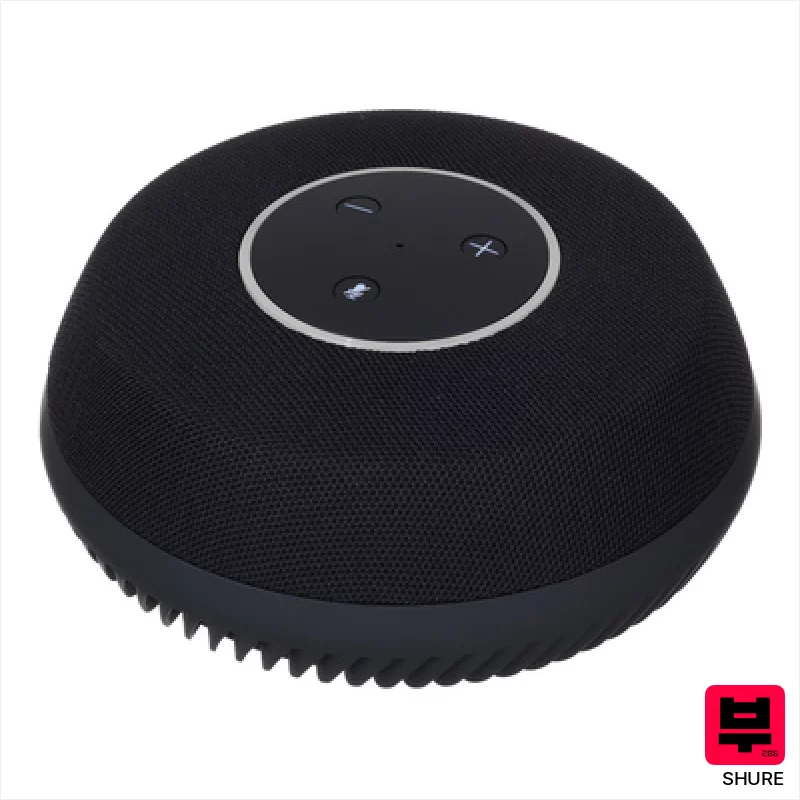
Shure STEM Table Speakerphone
- • Exceptional clarity for remote conferencing, minimizing background noise.
- • Shure's beamforming technology creates focused, natural-sounding audio.
- • Robust build quality; feels substantial and well-engineered.
- • Integrated LED ring provides subtle visual feedback and ambiance.
- • Premium-priced, a significant investment for a table speakerphone.
- • Limited versatility beyond conference calls; not ideal for creative recording.
- • Ethernet connectivity might be restrictive for some user setups.

Tula Microphones Tula Mic Black
- • Excellent cardiod pickup isolates vocals exceptionally well.
- • Integrated recorder offers true mobile flexibility for content creation.
- • Compact size and lightweight design promote portability and ease of use.
- • WAV recording at 48kHz provides professional-grade audio fidelity.
- • Limited frequency response might lack subtle high-end detail for critical applications.
- • The single 3.5mm jack feels a bit cramped for simultaneous lav input and headphone use.
- • Omnidirectional mode can pick up unwanted room ambience easily.
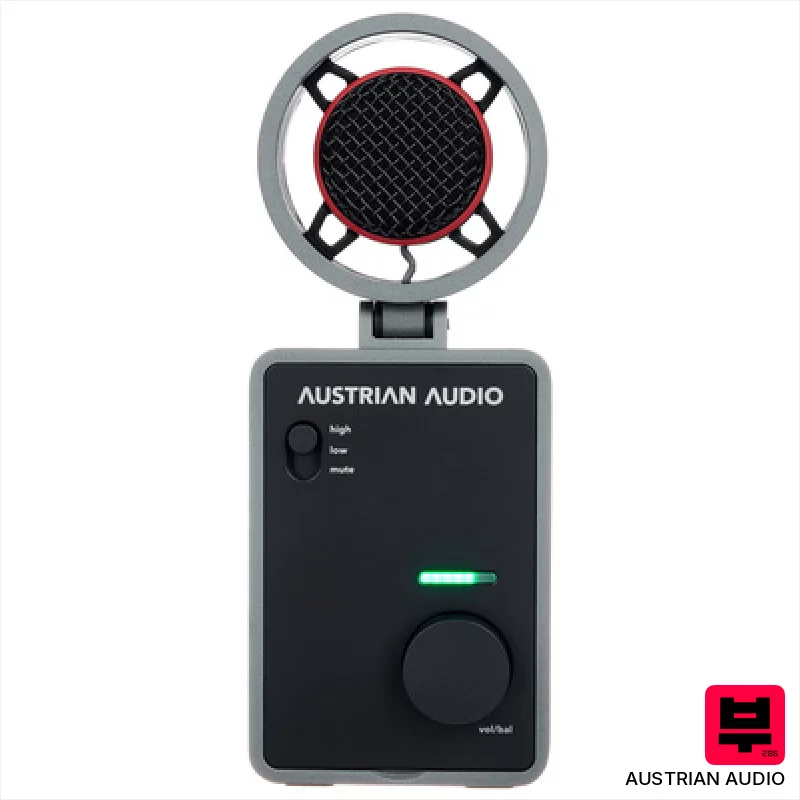
Austrian Audio MiCreator Studio
- • Excellent off-axis rejection minimizes room noise, crucial for untreated spaces.
- • Austrian Audio's signature sound delivers a clean, detailed, and natural vocal tone.
- • The dual headphone outputs are incredibly useful for interviews and collaborations.
- • FlexTilt design allows for precise mic positioning and ergonomic comfort during long sessions.
- • The integrated interface lacks advanced routing options for more complex setups.
- • While versatile, the cardiod pattern isn't ideal for capturing a wider, ambient sound.
- • The all-plastic construction, while lightweight, might not feel as premium as metal alternatives.
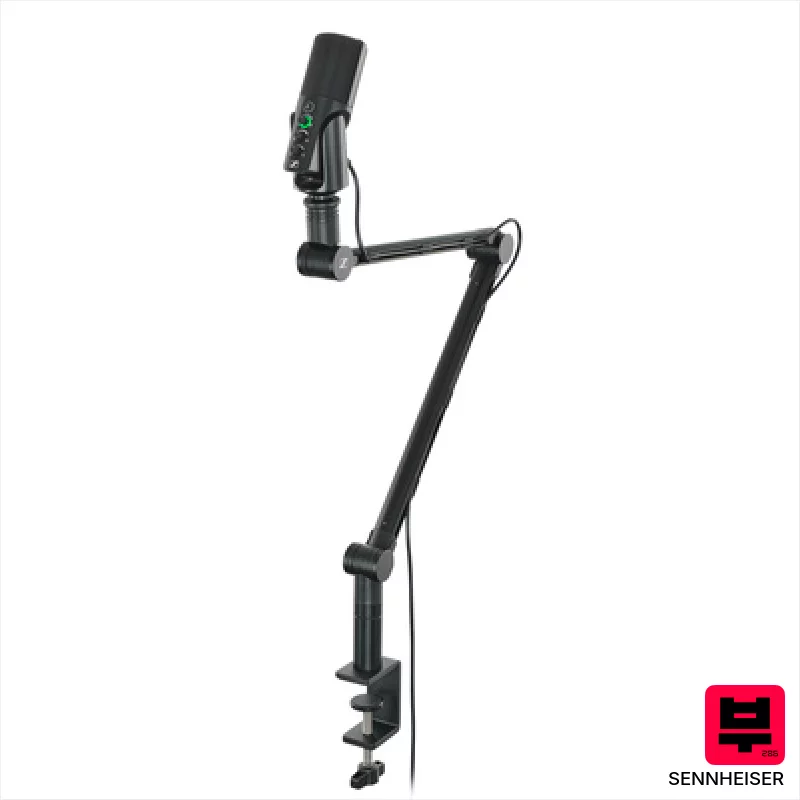
Sennheiser Profile Streaming Set
- • Solid metal build feels premium; noticeably more robust than plastic alternatives.
- • Cardioid capsule delivers focused sound, excellent for minimizing room noise.
- • Boom arm provides stable positioning and adjustable reach for comfortable streaming.
- • Integrated headphone output simplifies monitoring and mixing during recording.
- • USB-C only limits compatibility with older computers without adapters.
- • Frequency response leans slightly bright; might require EQ for warmer vocal tones.
- • Boom arm's clamp could be tighter for truly unstable desks.
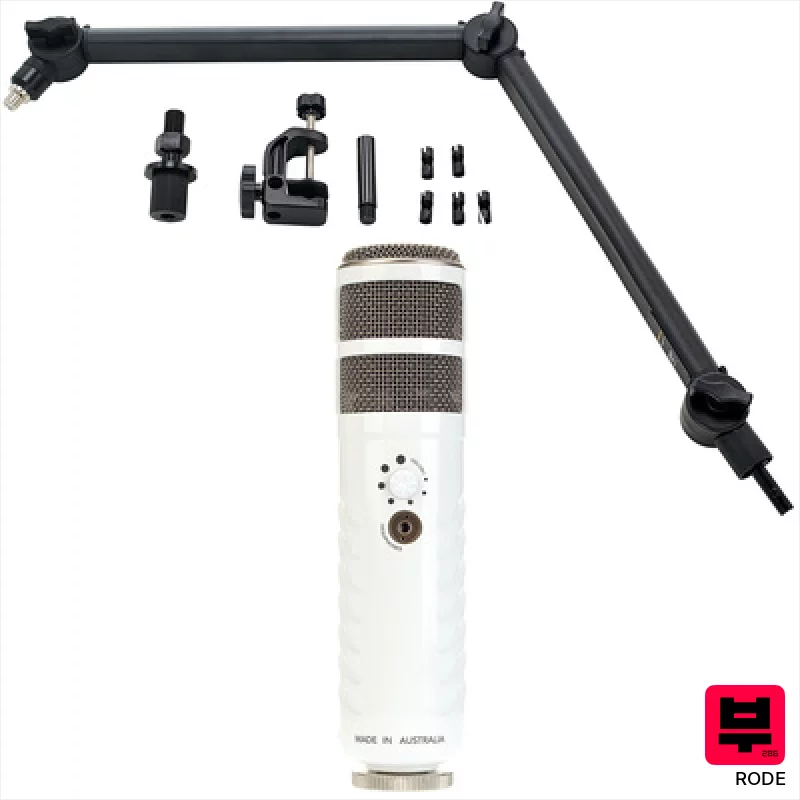
Rode Podcaster Table Bundle
- • Solid aluminum arm provides stable, reliable positioning for the mic.
- • Podcaster mic's dynamic capsule handles loud sources without distortion.
- • Integrated headphone amp allows for zero-latency monitoring – crucial for recording.
- • RM2 mount and robust arm offer a professional, clutter-free setup experience.
- • Limited frequency response; lacks detail in higher frequencies for critical recording.
- • Cardioid pattern isn't ideal for multi-person podcasts or interviews.
- • Podcaster mic's sound signature can be slightly boxy, requiring EQ.

the t.bone MB 7 Beta USB Podcast Bundle
- • The included acoustic absorber significantly reduces room reflections for cleaner recordings.
- • The MB 7 Beta's large diaphragm delivers a surprisingly warm, full-bodied vocal tone.
- • USB connectivity simplifies setup; plug-and-play functionality is genuinely reliable.
- • The absorber's felt fabric construction minimizes unwanted resonances and harshness.
- • The absorber, while effective, is bulky and may not suit smaller recording spaces.
- • While versatile, the mic's dynamic nature isn't ideal for extremely detailed, nuanced vocals.
- • The bundled desk stand is functional, but a sturdier boom arm would enhance usability.

Rode PodMic USB White
- • Excellent speech clarity with a warm, broadcast-ready tone.
- • The ceramic coating provides a premium, durable, and clean aesthetic.
- • Dual connectivity (XLR & USB-C) offers exceptional flexibility for various setups.
- • Integrated DSP provides clean gain and minimizes plosives effectively.
- • The substantial weight (896g) makes it less portable and requires a sturdy stand.
- • Cardioid pattern limits stereo recording possibilities; less versatile for music.
- • While the DSP is good, advanced users may prefer external processing options.
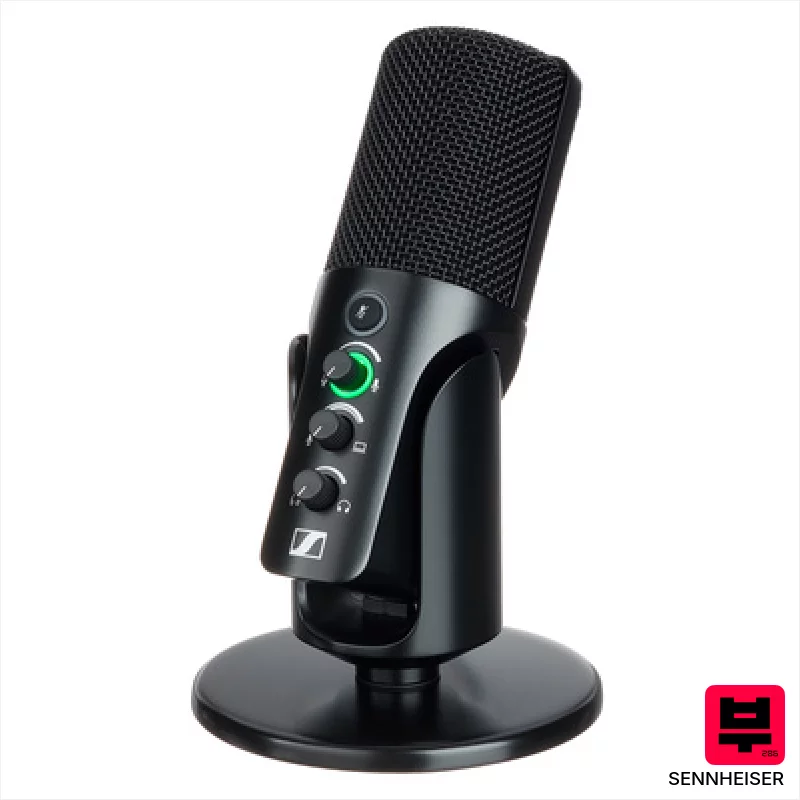
Sennheiser Profile USB-C Mikrofon
- • Solid metal housing feels premium and durable for travel.
- • Cardioid capsule delivers focused audio, minimizing room noise.
- • Intuitive mixing control simplifies balancing mic and computer audio.
- • Adjustable tilt joint offers flexible positioning for comfortable use.
- • Limited frequency response might lack subtle high-end detail for critical recording.
- • USB-C only limits compatibility with older computers without adapters.
- • While compact, the metal construction makes it a bit heavier than some competitors.
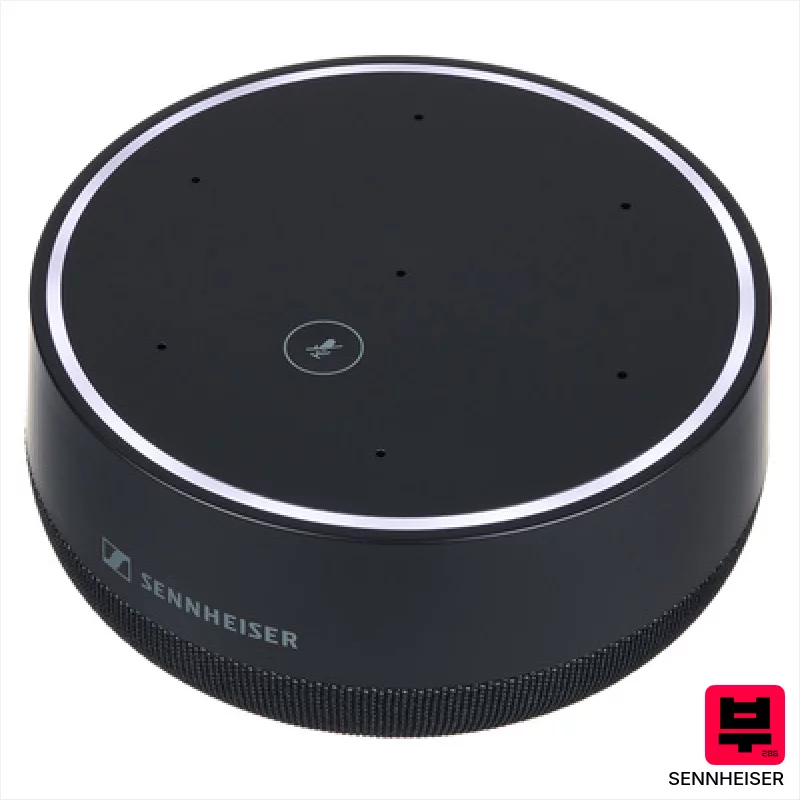
Sennheiser TeamConnect Speaker
- • Excellent speech intelligibility thanks to the beamforming mic array.
- • Dynamic neodymium loudspeaker delivers surprisingly full and clear audio.
- • Microsoft Teams certification ensures seamless integration and Cortana compatibility.
- • Compact size and included power/data box allows for flexible placement.
- • Frequency response leans towards clarity, lacking warmth for some applications.
- • Relatively heavy for a portable speaker; not ideal for frequent travel.
- • Limited control options; primarily designed for meeting room functionality.
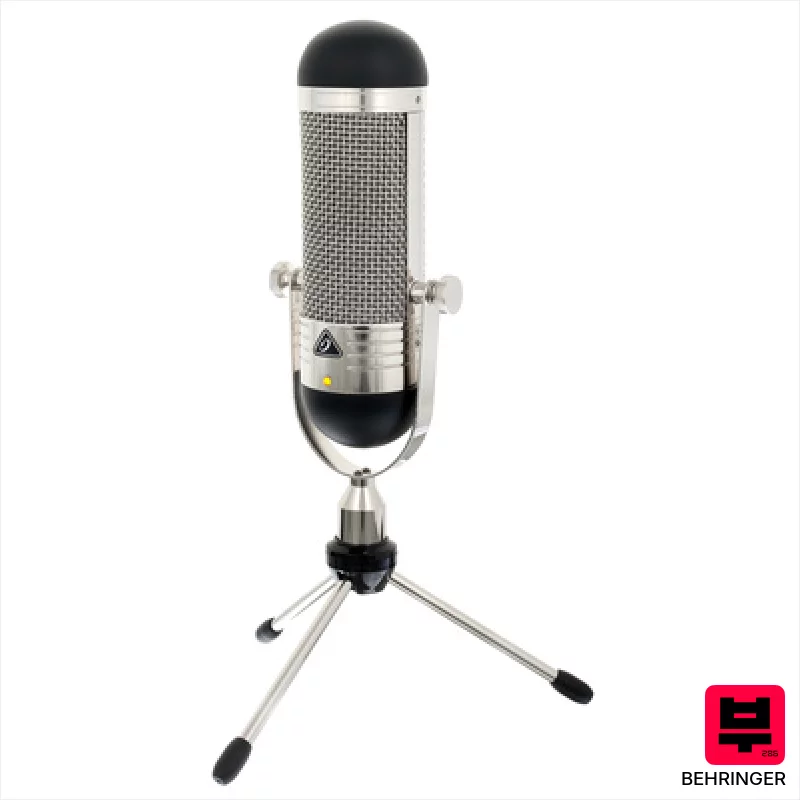
Behringer BVR84
- • Vintage aesthetic is genuinely appealing and adds character to a stream setup.
- • Cardioid pattern effectively minimizes room noise for clearer recordings.
- • Included tripod is surprisingly stable for a budget-friendly microphone.
- • USB connectivity simplifies setup; plug-and-play functionality is a huge plus.
- • Plastic construction feels somewhat flimsy compared to more premium options.
- • Frequency response lacks detail; high-end sparkle and low-end warmth are missing.
- • Limited gain control necessitates careful input level adjustment to avoid clipping.

Rode NT-USB+
- • The Revolution preamp delivers noticeably cleaner gain than the original NT-USB.
- • Gold-plated capsule provides a surprisingly detailed and natural vocal reproduction.
- • Integrated DSP offers genuinely useful compression and noise gate for immediate improvement.
- • USB-C connectivity ensures reliable connection and future-proofs against older USB standards.
- • The all-metal body, while premium, makes it relatively heavy for a desktop mic.
- • Cardioid pattern limits versatility for multi-source recording or room ambience capture.
- • DSP processing, while helpful, might feel restrictive for experienced audio engineers.
How to Choose the Best USB/Podcast Microphones
Tonal Character
Streaming isn't about hyper-clean. We're looking for mics that have a little personality - maybe a slight warmth in the low-mids to help cut through the mix, or a touch of airiness in the highs without getting ice-picky. A mic that's too flat will sound lifeless, a mic that's too bright will fatigue listeners.
Noise Rejection
Let's be honest, your room isn't a vocal booth. A good mic needs decent rejection of background noise - keyboard clicks, fan hum, that weird fridge buzz. Cardioid patterns are generally your friend here, but even those have their limits.
Dynamic Range & Headroom
Sudden game noises, a burst of laughter - you need a mic that can handle it without clipping and distorting. More dynamic range means more headroom, which means less frantic gain adjustments when things get loud.
Latency & Processing
USB mics inherently introduce some latency. We're looking for mics with minimal latency and easy-to-use software for basic processing - compression, EQ, noise gate - without sounding overly processed or artificial.
Build Quality & Durability
You're gonna be bumping this mic on your desk, probably dropping it at some point. Solid construction and a decent shock mount are worth the investment, especially if you plan on gigging or moving your setup around.
Buying Guide
Don't fall for the marketing hype. A lot of these mics are essentially rebranded Chinese designs. Pay attention to the capsule - larger diaphragms generally offer a wider frequency response and more detail, but they're also more sensitive to noise. Spend a little extra for a decent pop filter and a shock mount - they make a huge difference in the overall sound, and they're way cheaper than a replacement mic. Ultimately, the best mic is the one that sounds best to you in your specific environment.
Our Methodology
We've spent the last few months putting these mics through the wringer - not just reading spec sheets, but actually using them. We ran them through live streaming setups, layered them with game audio, even tried recording some quick acoustic guitar parts to see how they handle different sources. Our A/B comparisons were against industry-standard studio mics, just to see how close we could get without needing an audio interface and phantom power.

