
Best Behringer USB/Podcast Microphones 2026
Look, you're on a budget, you need a decent mic for podcasting, streaming, or tracking vocals at home - and you've stumbled onto Behringer. They've got a reputation for aggressive pricing, but are their USB mics actually usable? We're going to break down the current lineup, what they do well, where they fall short, and whether they're a legit option for your needs, no BS.
Last updated: April 11, 2026
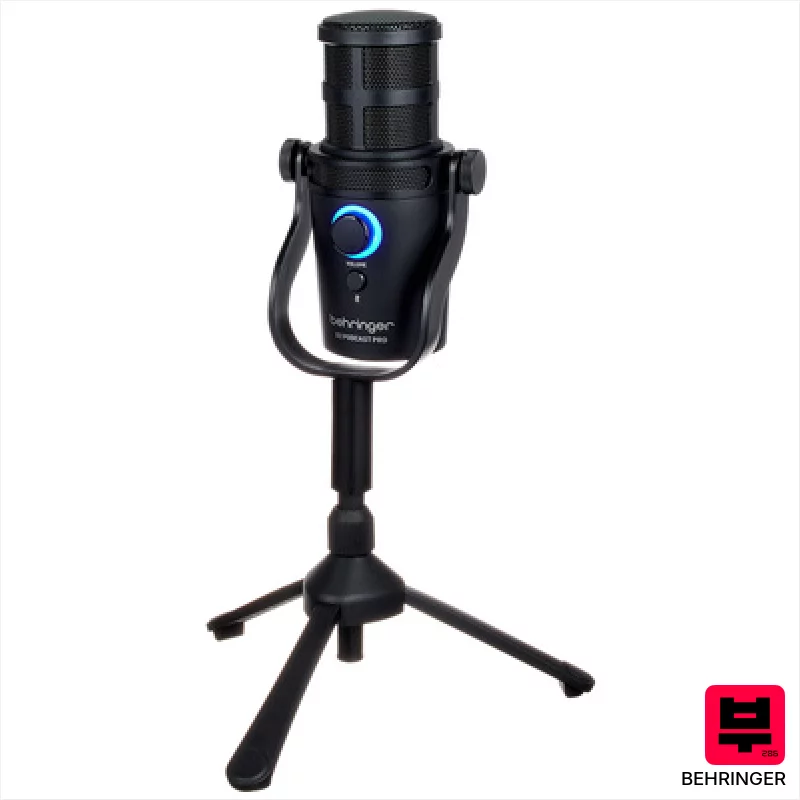
Behringer D2 Podcast Pro
- • Surprisingly robust metal construction for the price point.
- • Smooth, vocal-friendly frequency response minimizes harshness.
- • The included accessories (mount, pop filter) are genuinely useful.
- • USB-C connectivity offers modern convenience and reliable power.
- • Dynamic mic requires a decent preamp for optimal gain and warmth.
- • Polar pattern is fixed – lacks versatility for multiple recording scenarios.
- • Foam pop filter is basic; a higher-quality one improves results.
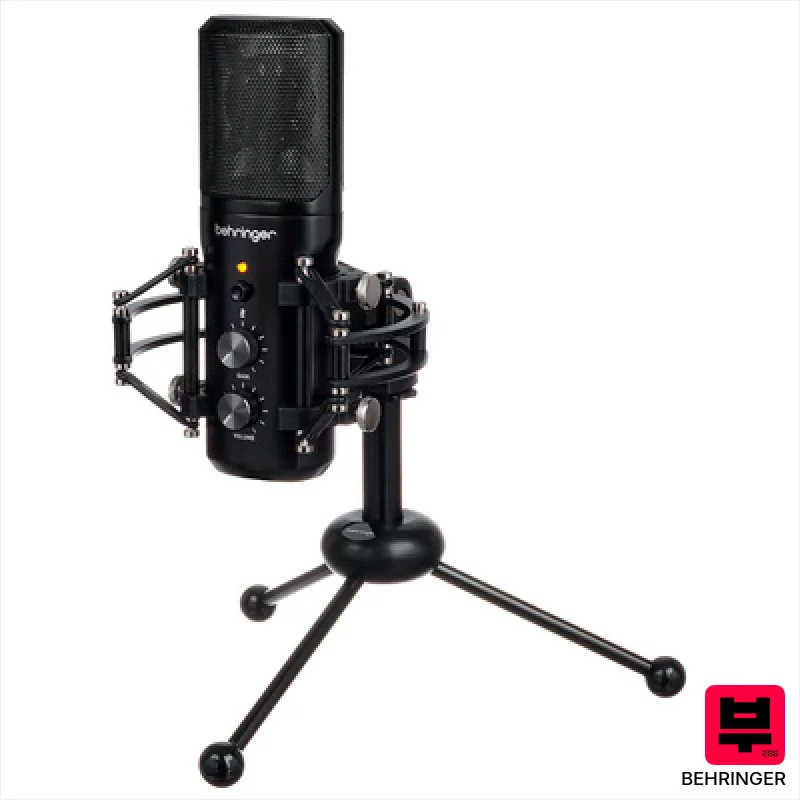
Behringer BU200
- • Surprisingly clean self-noise for the price point; usable for quieter vocals.
- • Supercardioid pattern effectively rejects room noise and bleed.
- • USB-C connection offers reliable power and digital signal transfer.
- • Included accessories – stand, cable, and bag – add considerable value.
- • Plastic build feels somewhat flimsy, lacks the robustness of higher-end mics.
- • Limited frequency response; lacks the extended highs for detailed acoustic instruments.
- • S/N ratio could be better; noticeable hiss with gain pushed high.

Behringer BV44
- • Surprisingly decent sound for the price; captures vocals with reasonable clarity.
- • The included tripod is functional, offering a basic recording setup right out of the box.
- • Vintage aesthetic is genuinely appealing and provides a distinct visual identity.
- • Simple plug-and-play USB connectivity eliminates complicated audio interfaces.
- • Plastic build feels noticeably cheap and lacks long-term durability.
- • Cardioid pattern offers limited flexibility for different recording scenarios.
- • Frequency response lacks detail, sounding somewhat muffled and lacking high-end sparkle.
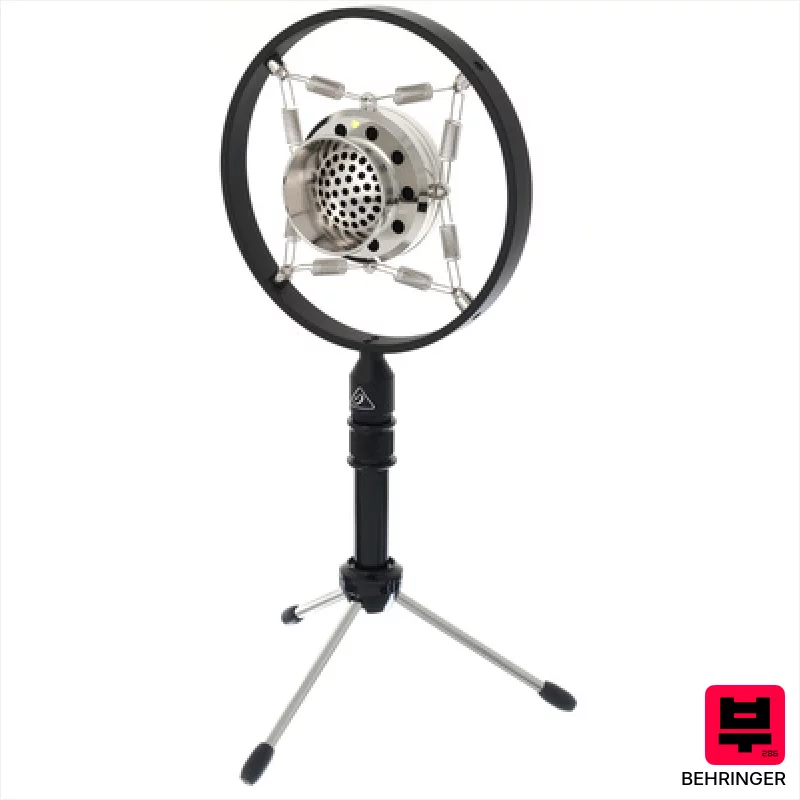
Behringer BV635
- • Vintage aesthetic offers unique visual appeal for streaming setups.
- • Cardioid pattern effectively isolates vocals, minimizing room noise.
- • Included tripod provides a stable, ready-to-use recording platform.
- • Surprisingly decent frequency response for its price point; usable low-mids.
- • Plastic construction feels noticeably lightweight and somewhat flimsy.
- • Capsule lacks the sonic refinement of higher-end condenser microphones.
- • Limited control options; gain adjustment is rudimentary and basic.
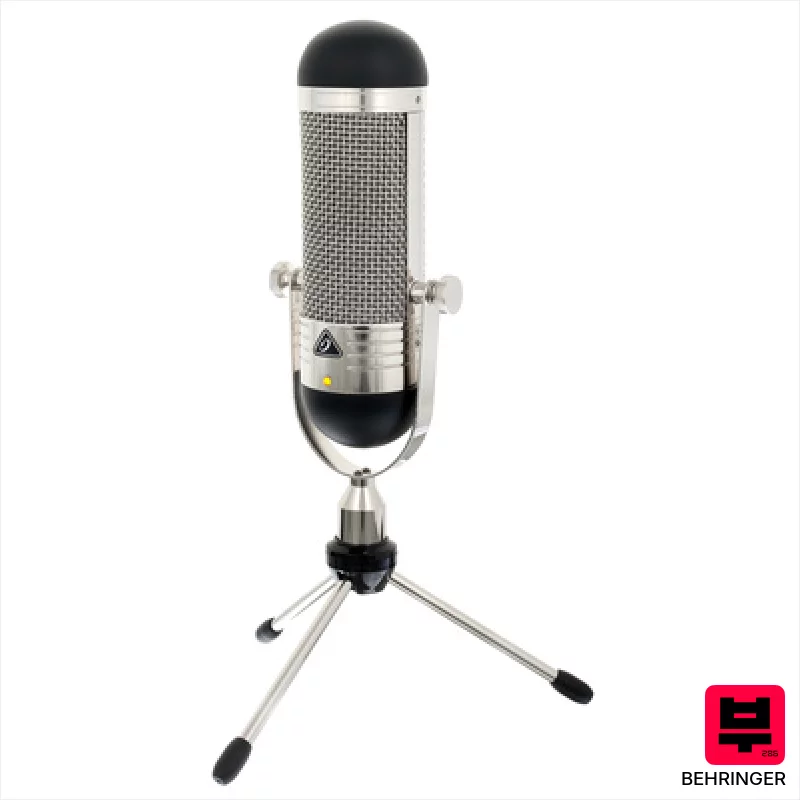
Behringer BVR84
- • Vintage aesthetic is genuinely appealing and adds character to a stream setup.
- • Cardioid pattern effectively minimizes room noise for clearer recordings.
- • Included tripod is surprisingly stable for a budget-friendly microphone.
- • USB connectivity simplifies setup; plug-and-play functionality is a huge plus.
- • Plastic construction feels somewhat flimsy compared to more premium options.
- • Frequency response lacks detail; high-end sparkle and low-end warmth are missing.
- • Limited gain control necessitates careful input level adjustment to avoid clipping.

Behringer BV-Bomb
- • Surprisingly decent cardioid response for vocal isolation in untreated rooms.
- • Aesthetically pleasing vintage design; a fun conversation starter for streaming.
- • Included tripod is functional, providing a stable base for tabletop use.
- • USB connectivity simplifies setup; plug-and-play for most computers.
- • Plastic build feels noticeably cheap; lacks the robustness of higher-end mics.
- • Limited frequency response; lacks detail and nuance for critical recording.
- • Cardioid pattern only; restricts versatility for multiple sound sources.
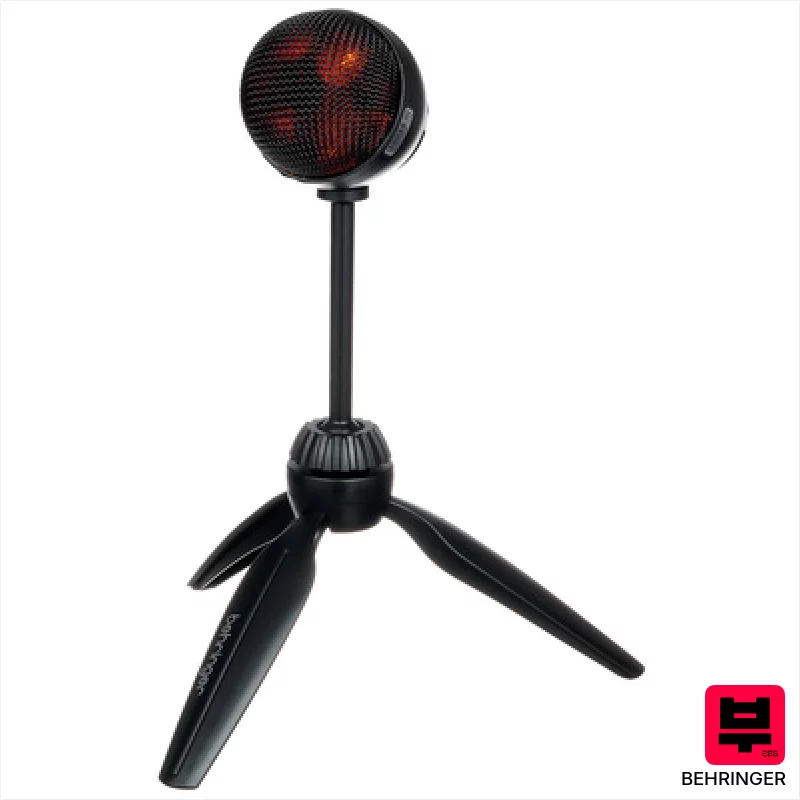
Behringer BU5
- • Surprisingly clean cardioid response for the price point
- • Solid, if basic, plastic build feels more substantial than expected
- • USB-C connectivity is a welcome modern touch
- • Headphone output allows for direct monitoring, avoiding latency
- • Capsule's limited frequency response lacks nuance for critical recording
- • Plastic stand is flimsy and not ideal for serious desk setups
- • Noise floor is noticeable in quieter environments, requiring careful gain staging
USB/Podcast Microphones by the numbers
Measured across all 40 models in this category, so «wide», «short» or «expensive» mean something you can check.
How to Choose the Best USB/Podcast Microphones
Tone
Behringer mics generally aim for a fairly neutral response, but often with a slight emphasis in the upper mids - which can be good for cutting through a mix, but also harsh if not handled carefully. Expect a bit less low-end thump than some mics, but that's not always a bad thing.
Build Quality
Let's be real, you're not getting boutique quality here. The plastic construction feels a little flimsy, and the desk stands are usually pretty basic. But for the price, it's surprisingly resilient to gigging - just be gentle.
USB Implementation
Behringer's USB implementation is generally solid. Latency is reasonable, and they tend to be plug-and-play with most DAWs and streaming platforms. No weird driver headaches typically.
Polar Pattern
Most of their podcast mics are cardioid, which is what you want for isolating your voice and reducing room noise. However, the off-axis response can be a bit uneven - meaning background noise can creep in if you're not mindful of your mic placement.
Value
This is the big one. Behringer consistently delivers a surprising amount of performance for the money. They aren't going to replace a Neumann, but they're a serious contender for budget-conscious creators.
Buying Guide
Don't expect miracles. These mics are built to a price point, so there will be compromises. The biggest trade-off is often in the build - treat them with care, and don't expect a rock-solid feel. If you need a mic that's going to survive a lot of abuse, spend a bit more. But if you're primarily recording in a quiet room, or streaming, and need a functional mic without breaking the bank, Behringer is worth a serious look.
How This List Is Built
We don't play these instruments — we're a catalog, not a review desk, and we'd rather say so than pretend otherwise. This page covers 7 of 40 usb/podcast microphones from the Thomann catalogue, which is the largest single source of specification data in this category: 7 in detail, the rest listed with their specifications.
Position is computed, not curated. We parse the manufacturer's own description into actual values — nut width, scale, fret count, fingerboard radius, size, alloy — and rank on them: how many specifications a model has published, how many of them are measurable numbers, and how precisely it meets this page's criterion. A product image adds a little. Price is not a ranking signal: it tells you nothing about whether a neck fits your hand. The same inputs always produce the same order, so nothing here is shuffled to look fresh.
What this list is good for: narrowing a category down to a shortlist by spec and budget. What it isn't: a substitute for hearing an instrument. Before you buy, read hands-on reviews and, where you can, play it. Full methodology.

