
Best Tube Guitar Heads for Studio Recording 2026
So, you're looking for a tube head to track with? Forget the 'best' overall-that's a whole different conversation. Studio recording demands something different than a loud, gig-ready amp. We're talking about nuanced tone, responsiveness to subtle picking dynamics, and the ability to dial in everything from pristine cleans to controlled, usable overdrive without sounding like a brick wall. Let's cut through the hype and look at some tube heads that actually work well in a tracking environment.
Last updated: July 8, 2026 • Next update: July 15, 2026
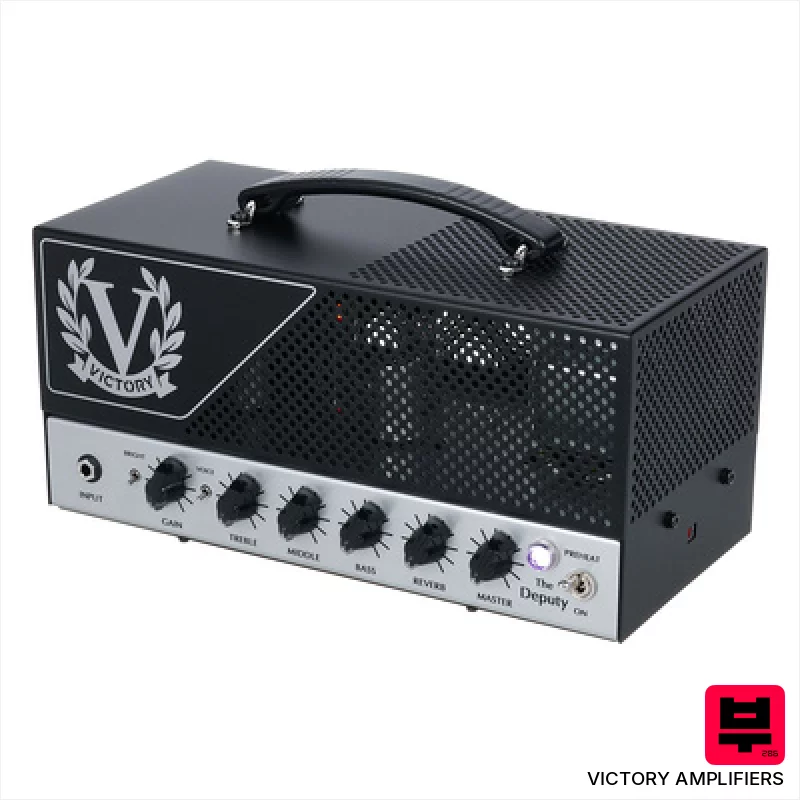
Victory Amplifiers The Deputy Lunch Box Head
- • Pete Honore's voicing delivers authentic British amp tones.
- • EL86 power tubes provide a dynamic, responsive feel.
- • Compact Lunchbox design offers portability without compromise.
- • Excellent reverb circuit adds warmth and spaciousness to the sound.
- • Single channel limits versatility for players needing multiple tones.
- • 25 watts may be insufficient for very loud stage environments.
- • EL86 tubes are more expensive to replace than common alternatives.
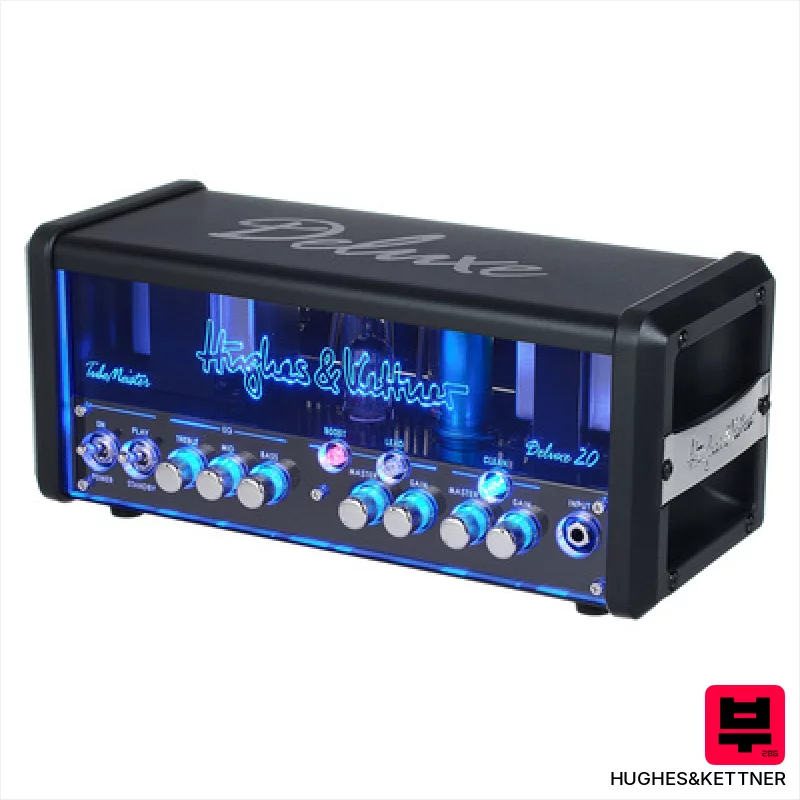
Hughes&Kettner TubeMeister Deluxe 20 240V/UK
- • All-tube design delivers authentic, responsive tube warmth and dynamic feel.
- • Red Box AE DI output provides surprisingly good amp-in-a-box recording capabilities.
- • Power Soak feature allows for cranked tube tones at manageable volumes.
- • Compact size and lightweight design (5kg) makes it highly portable and gig-friendly.
- • 20 watts might be limiting for louder gigs or band practice scenarios.
- • Limited EQ controls (3-band) offer less tonal shaping flexibility than some competitors.
- • UK 240V model requires a voltage converter for use in North America.
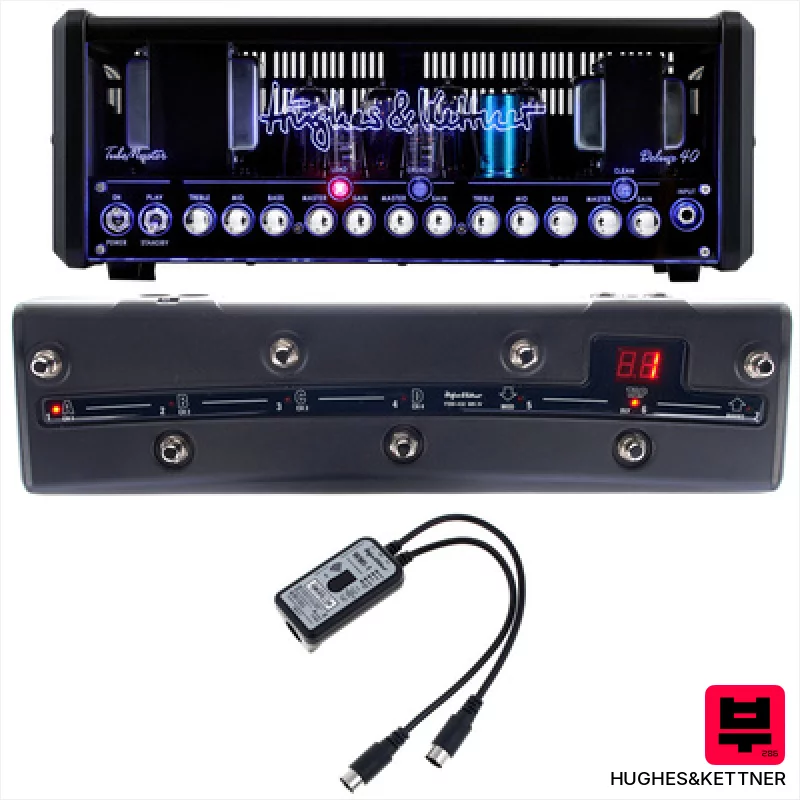
Hughes&Kettner TubeMeister Deluxe 40 Bundle
- • All-tube design delivers authentic, responsive tube warmth and dynamics.
- • The Power Soak offers incredible versatility for bedroom to stage volumes.
- • Red Box AE provides a genuinely usable DI for recording or live sound.
- • TSC ensures consistent tone and protects power tubes from damage.
- • 8kg head is relatively heavy, a consideration for gigging musicians.
- • Limited EQ control compared to some other amps in its class.
- • The clean channel, while good, might lack the sparkling clarity some players desire.
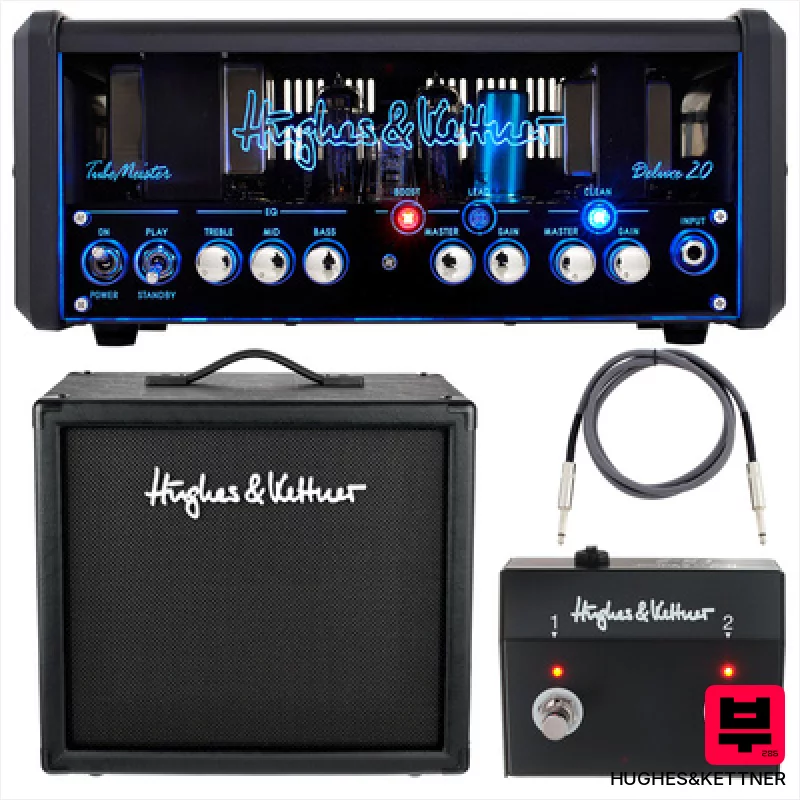
Hughes&Kettner TubeMeister Deluxe 20 Bundle
- • Excellent clean tones with surprising dynamic response.
- • The Red Box AE DI output is genuinely usable for recording and live sound.
- • EL84 power tubes deliver a classic British amp chime and warmth.
- • The 112 box provides a surprisingly full and resonant sound for a compact setup.
- • The 20-watt power rating is limiting for very loud stage environments.
- • EQ can be a bit basic for highly complex tonal sculpting.
- • The steel foot switch feels a little flimsy compared to the amp head’s build.
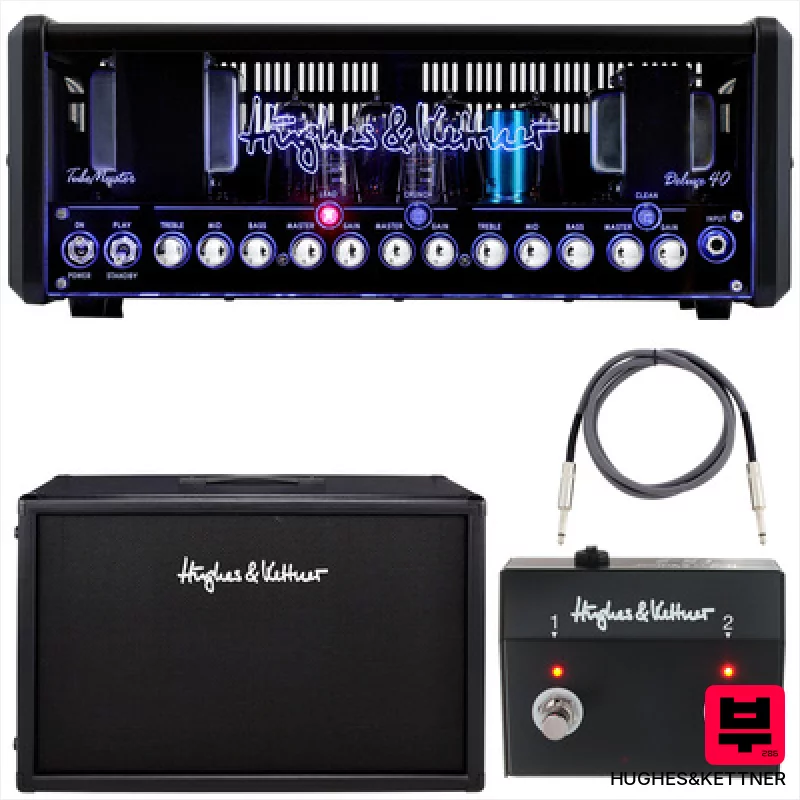
Hughes&Kettner TubeMeister Deluxe 40 Bundle
- • All-tube construction delivers authentic, responsive tube saturation.
- • Red Box AE DI provides excellent, usable amp-in-a-box recording capabilities.
- • Multiple power settings offer versatility for home use and small gigs.
- • The TSC system protects power tubes, extending their lifespan significantly.
- • The 40W output is limiting for larger stage environments without an external cabinet.
- • EQ can be somewhat basic compared to more complex amp modeling solutions.
- • The included bag is a nice touch, but a more robust road case would be preferable.
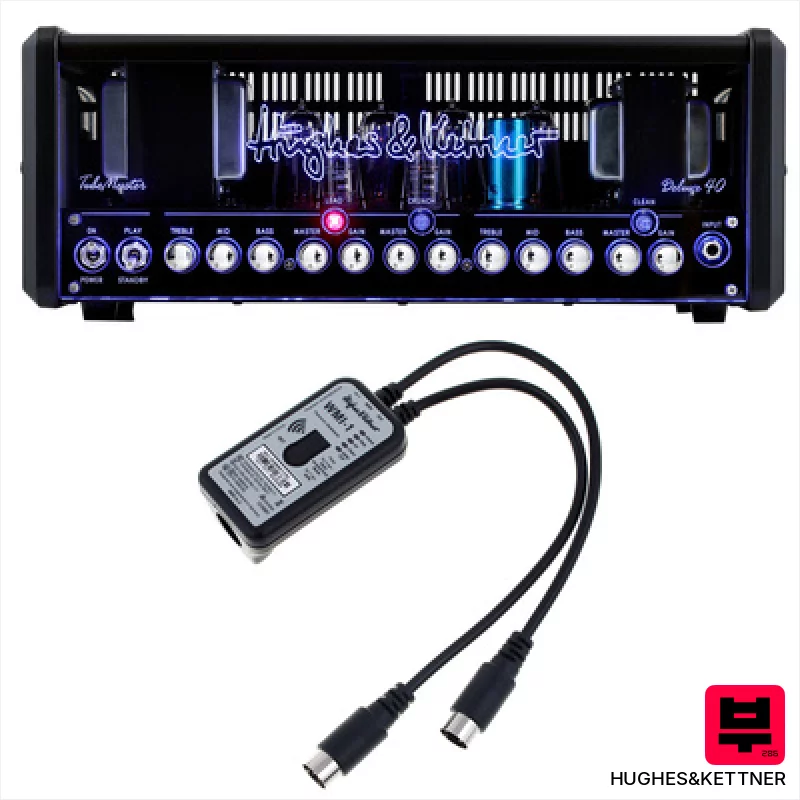
Hughes&Kettner TubeMeister Deluxe 40 Bundle
- • Excellent clean channel with shimmering, glassy high-end clarity.
- • The EL84 power tubes deliver a warm, harmonically rich overdrive.
- • Red Box AE output provides surprisingly usable DI signal for recording or live.
- • The power soaking feature allows for bedroom-friendly volumes without sacrificing tone.
- • EL84 tubes require periodic replacement, adding to long-term ownership costs.
- • Limited tonal flexibility compared to more complex multi-channel amps.
- • The included bag feels a bit flimsy and doesn't offer robust protection.

Hughes&Kettner Triamp Mark 3 Bundle
- • Exceptional tube flexibility via TSC allows tailored sonic profiles.
- • Six distinct channels cover a vast range of high-gain tones.
- • RED BOX AE provides a remarkably usable DI output for recording.
- • Solid build quality; clearly designed for gigging and studio work.
- • The sheer number of options can be overwhelming for less experienced users.
- • High-end pricing places it out of reach for many players.
- • Weight makes portability a challenge – this is a serious head.
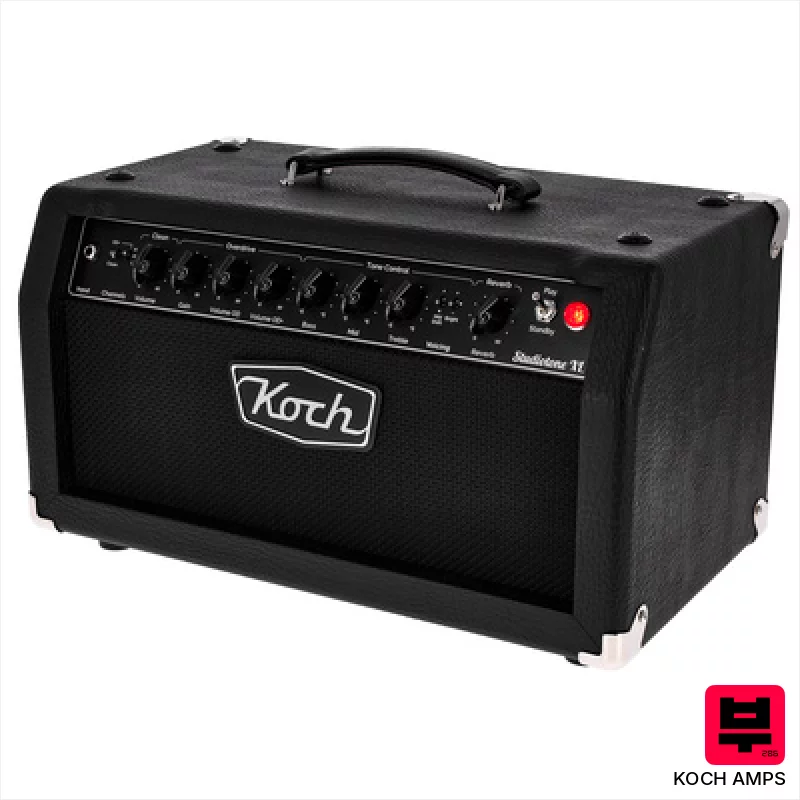
Koch Amps Studiotone XL Head
- • EL84 power section delivers a uniquely creamy, responsive breakup.
- • The 3-channel design offers surprising versatility for a compact head.
- • Passive tone controls provide a very musical, interactive EQ shaping.
- • Solid Tolex covering and robust construction suggest lasting durability.
- • Limited headroom in the higher gain channels can be restrictive for some.
- • The lack of a master volume on each channel makes dialing in low volumes tricky.
- • While versatile, it's not a 'do-everything' amp; excels in classic rock/blues.
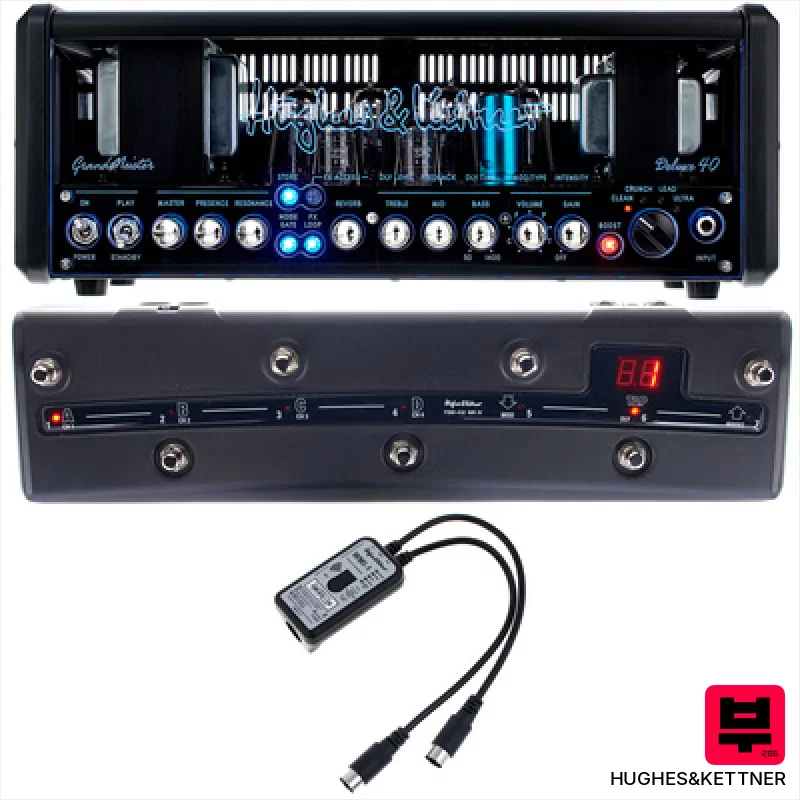
Hughes&Kettner GrandMeister Deluxe 40 Bundle
- • Smart rotary control offers unparalleled preset recall and flexibility for gigging musicians.
- • The Power-Soak feature provides incredible dynamic range from bedroom volume to stage-ready.
- • Deluxe Tone technology delivers a wide range of amp tones inspired by Hughes & Kettner’s Triamp series.
- • Built-in Red Box AE DI provides excellent speaker simulation for direct recording or live sound.
- • The all-tube design contributes to a significant weight, making portability a challenge.
- • While versatile, the clean channel might lack the pristine clarity some players prefer.
- • The complex menu system, while powerful, has a learning curve for less tech-savvy users.
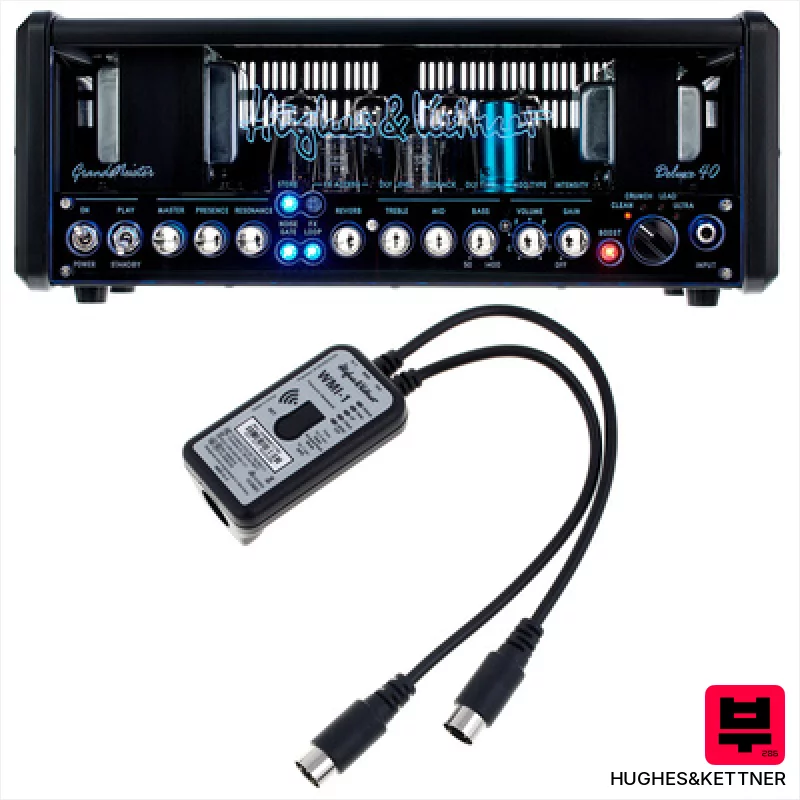
Hughes&Kettner GrandMeister Deluxe 40 Bundle
- • Smart rotary control simplifies complex tone sculpting and preset management.
- • The Power-Soak feature offers incredible versatility for bedroom to stage volume.
- • EL84 power tubes deliver a classic British amp tone with chime and grit.
- • Red Box AE DI provides a surprisingly authentic speaker-simulated direct output.
- • The 40W output might be limiting for very loud stage environments.
- • The digital interface, while powerful, can feel less intuitive than purely analog amps.
- • The bundled effects, while decent, aren't going to replace dedicated pedals.
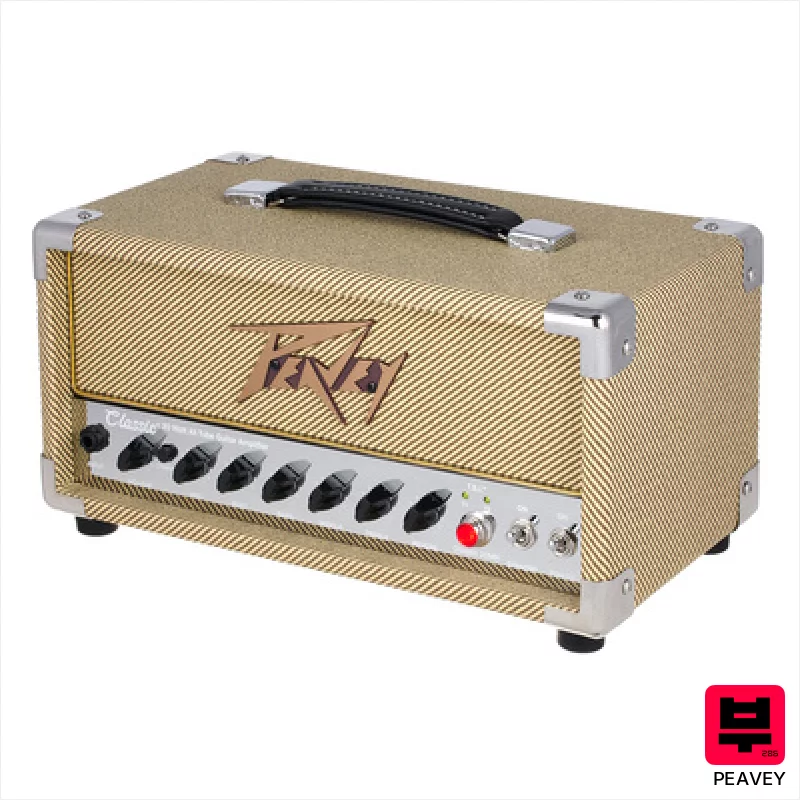
Peavey Classic 20 MH TW
- • Excellent clean headroom for a 20W amp, surprising punch.
- • The EL84 power tubes deliver a classic British chime.
- • Versatile FX loop allows for external pedalboard integration.
- • Built-in reverb is usable and adds a nice touch to the tone.
- • EQ is basic – lacks mid-frequency control for nuanced shaping.
- • Tweed finish can be prone to wear and tear with heavy use.
- • MSDI output's speaker simulation isn't a replacement for a proper cab.
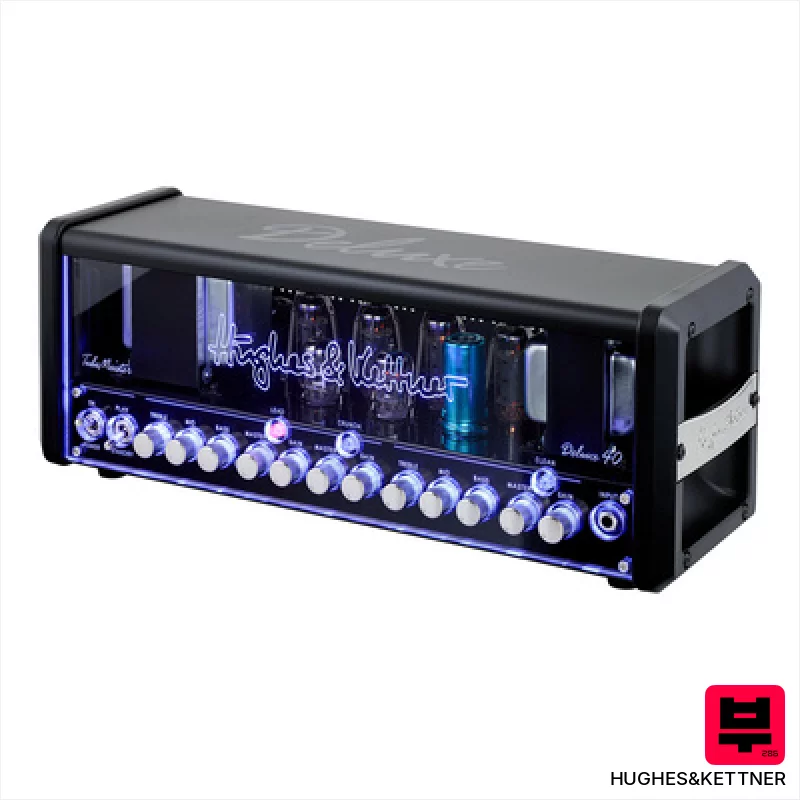
Hughes&Kettner TubeMeister Deluxe 40 240V/UK
- • All-tube construction delivers authentic, responsive tube warmth and dynamics.
- • The Red Box AE DI output is genuinely excellent for recording or live use.
- • Versatile power soaking allows for bedroom-friendly volume with full tube tone.
- • Three channels offer a wide range of tones from clean to searing lead.
- • The 40-watt output might feel limiting for larger stage environments.
- • The EQ, while classic, lacks more modern tonal shaping options.
- • The compact size, while convenient, can make it feel a little less robust.

Victory Amplifiers V30 The Jack MKII Compa Bundle
- • The 'Compa' bundle adds significant tonal flexibility with its dedicated crunch mode.
- • Victory's signature EL34-inspired tone delivers a warm, harmonically rich overdrive.
- • The inclusion of the 'Nomod' function allows for precise bass response shaping.
- • 4x 12AX7 preamp tubes provide ample headroom and dynamic response.
- • At 42 watts, it might be too loud for quieter recording environments without attenuation.
- • The 6L6 power tubes, while excellent, lean towards a cleaner sound than some prefer.
- • The compact size means fewer internal components compared to larger Victory heads.
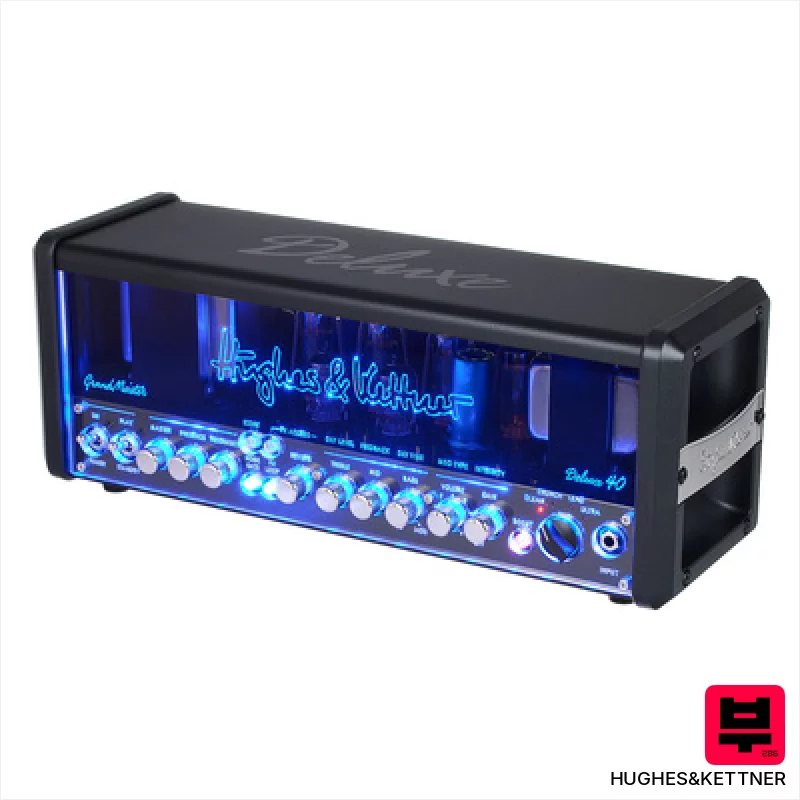
Hughes&Kettner GrandMeister Deluxe 40 240V/UK
- • Exceptional clean headroom with surprising clarity for its size.
- • The Smart Rotary effect is genuinely usable and sounds fantastic.
- • Tube-Safety-Control (TSC) protects tubes from overdriving during practice.
- • Red Box AE provides excellent DI recording capabilities for stage or studio.
- • The passive EQ can be limiting for players wanting extreme tonal shaping.
- • The 7.7kg weight makes it less portable than some smaller amp heads.
- • Limited headroom in the high-gain channels compared to larger, pricier amps.
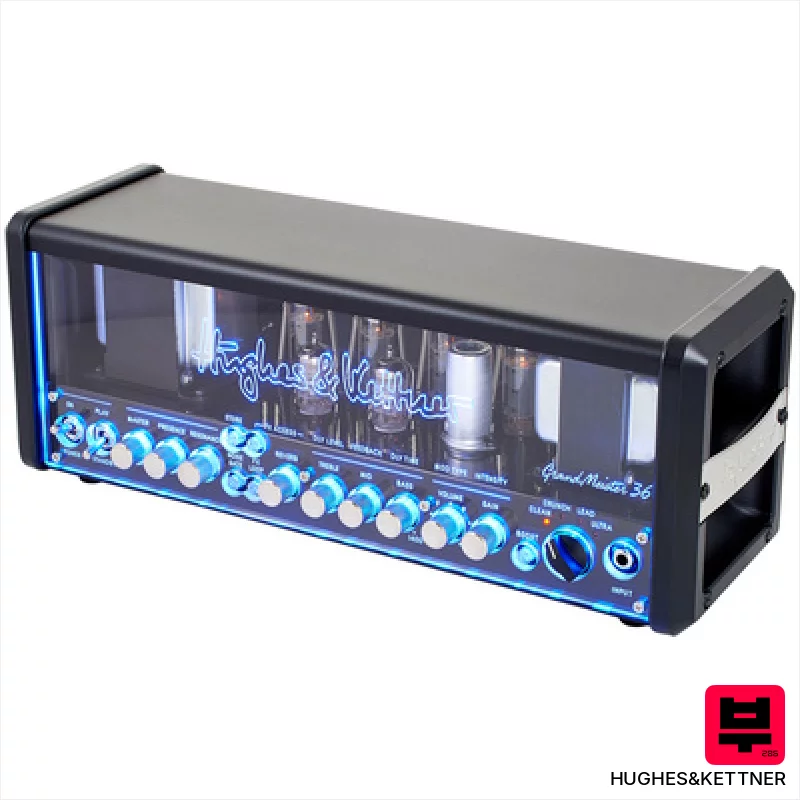
Hughes&Kettner GrandMeister 36 Head 240V/UK
- • All-tube construction delivers a responsive, dynamic, and authentic British amp tone.
- • The Smart Rotary Control offers incredibly intuitive and precise tone shaping.
- • Switchable power attenuation allows for cranked amp sounds at manageable volumes.
- • The Red Box Out provides a direct, mic'd amp signal for recording and live use.
- • The compact size might compromise some headroom at higher volumes with certain speaker setups.
- • The digital effects, while usable, aren't on par with dedicated stompboxes.
- • The MIDI implementation, while present, requires some learning to fully exploit.
How to Choose the Best Tube Guitar Heads
Clean Dynamic Range
A killer clean platform is crucial. You need headroom to work with, and that clean needs to react to your picking attack-a whisper of a note should be audible, a hard strum should have some grit. No one wants a lifeless, compressed clean.
Overdrive Character
Studio overdrive isn't about ear-splitting distortion. It's about usable, controllable grit that adds character without masking your playing. Think creamy breakup, not ice-pick distortion-something that blends well with amp sims or pedals.
Low-End Response
That low-end thump is vital for a full, balanced recording, especially when miking. A tight, well-defined low end sits better in a mix and avoids muddying up the track. Too much boominess is a mixing nightmare.
Microphone Friendliness
Some amps just sound better through a mic. This isn't just about tone-it's about how the amp's transient response and harmonic content translate to a microphone. A complex, responsive amp will offer more to work with during mixing.
Noise Floor
Studio recording demands silence. A noisy amp is a pain to deal with, requiring excessive noise reduction that can suck the life out of your tone. A low noise floor is a must, especially when using sensitive studio mics.
Buying Guide
Don't fall for the 'more wattage is always better' trap. Lower wattage heads (15-30 watts) are often more manageable in a studio setting, offering a better chance of usable breakup at lower volumes. Watch out for cheap clones-they often cut corners on component quality, leading to noisy, unreliable performance. Paying more usually gets you better power transformer, better tubes, and more attention to detail in the circuit design-and that translates to a better recording.
Our Methodology
We're not basing this list on spec sheets. We've spent years A/B'ing amps in tracking sessions - comparing them to IRs, mic'ing them in various rooms, and obsessing over the smallest tonal shifts. It's about how the amp responds to a pick, how it interacts with plugins, and whether it gives you the flexibility to shape a sound in the box. Real-world performance, that's what we care about.

