
Best Tube Guitar Heads for Beginner 2026
So, you're thinking about jumping into the world of tube amps? Awesome! It's a big step up from modeling or solid-state, but it can be overwhelming. Let's be honest, a lot of beginner advice is geared towards experienced players. This list focuses on tube heads that won't leave you drowning in features you don't need or fighting with a cranky amp that needs constant babysitting - amps that'll actually let you learn to play.
Last updated: September 28, 2026
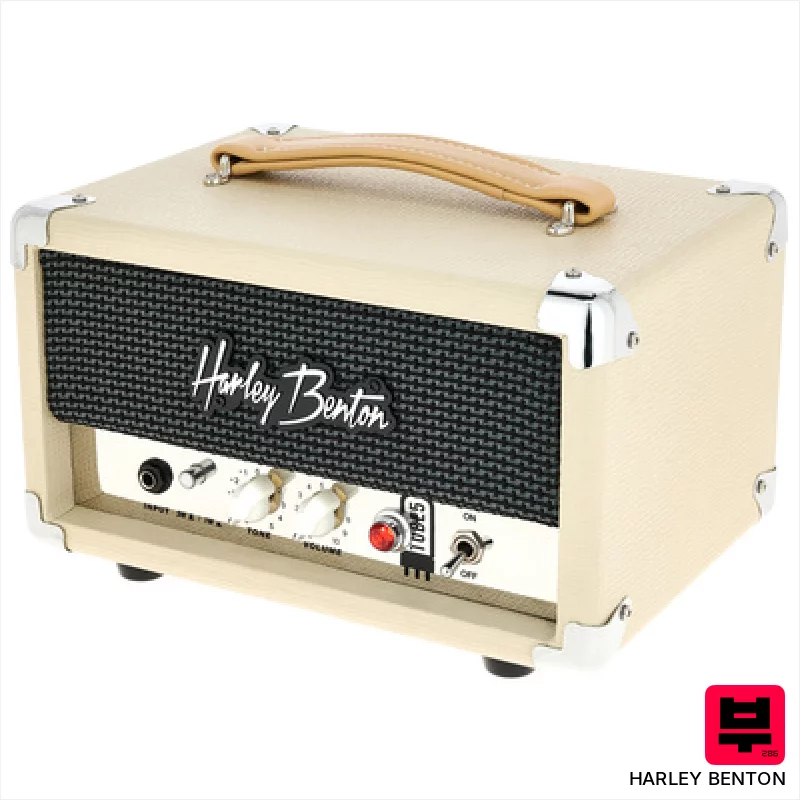
Harley Benton TUBE5 Head
- • Surprisingly warm and responsive Class-A tone for the price point.
- • The ECC83 preamp tube delivers a usable gain range for bluesy grit.
- • 6V6 power tube provides a classic American amp voicing – smooth and chimey.
- • Compact and lightweight Tolex-covered enclosure is easily transportable.
- • Limited single channel design restricts versatility for modern or complex tones.
- • Construction feels somewhat basic; expect some minor panel gaps and tolerances.
- • 5W output can be low for louder environments, even with the attenuator.
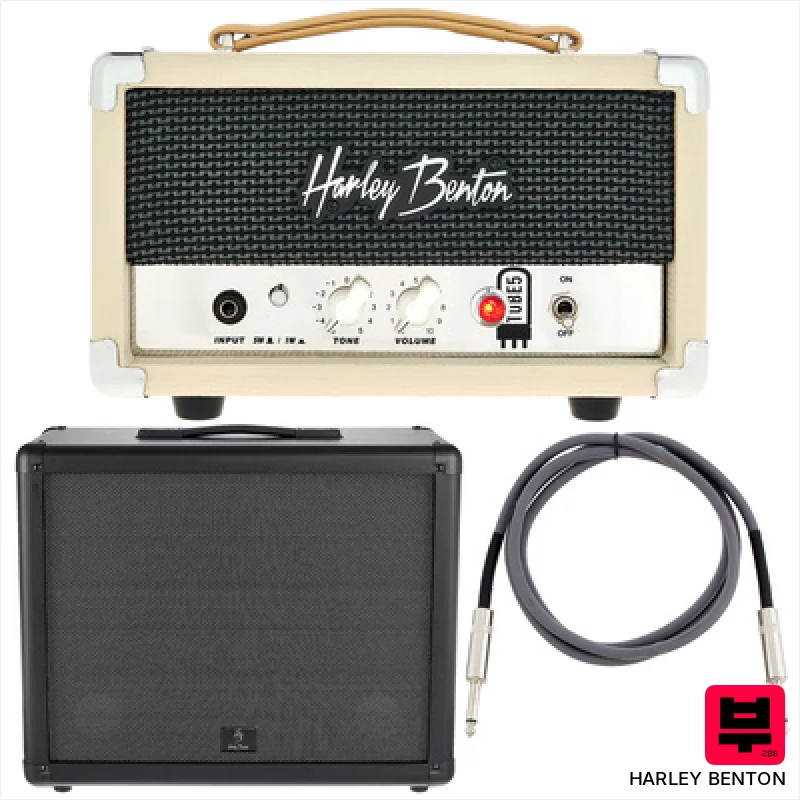
Harley Benton TUBE5 & G112
- • Class-A design delivers a surprisingly warm, responsive, and dynamic tube tone.
- • The 6V6 power tube provides a classic American amp voicing – sweet highs and punchy mids.
- • The included G112 cabinet offers a decent 12” speaker for a full-bodied sound.
- • Power attenuator allows for cranked amp tones at manageable volumes; great for apartments.
- • Single channel limits versatility; lacks modern amp features like reverb or EQ shaping.
- • MDF cabinet, while functional, isn't as robust or acoustically resonant as a solid wood enclosure.
- • The ECC83 preamp tube can be noisy at higher gain settings – characteristic of simpler designs.
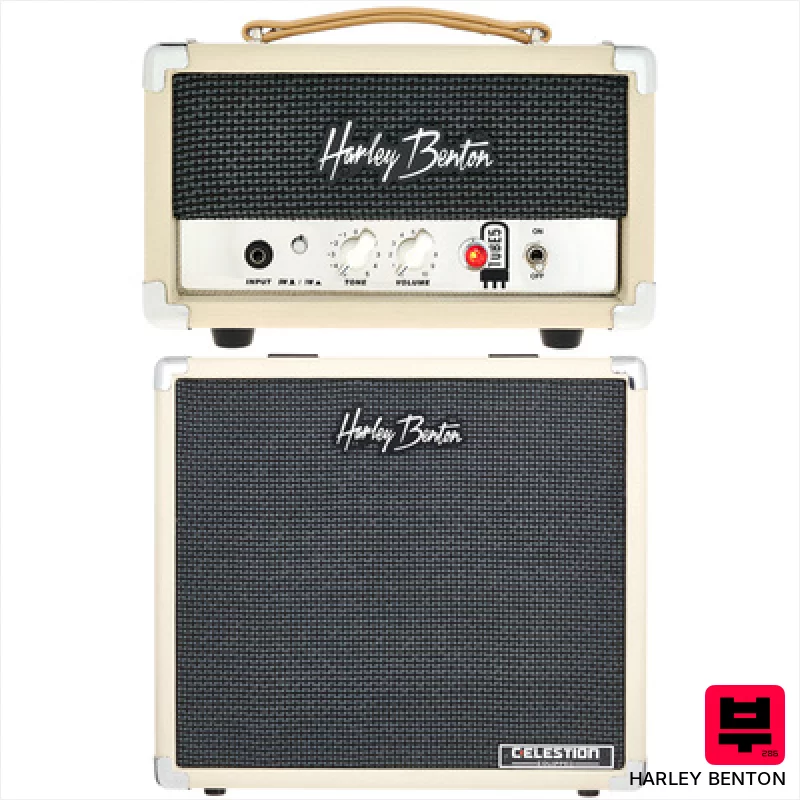
Harley Benton TUBE5 Head Bundle
- • Excellent value for a tube amp with Celestion speaker.
- • The 6V6 power tube delivers a warm, classic American tone.
- • Compact size and attenuator make it versatile for practice and small gigs.
- • Tolex covering provides a durable and vintage-inspired aesthetic.
- • Limited single-channel design restricts tonal flexibility for complex genres.
- • 6V6 tube requires periodic replacement, adding to long-term costs.
- • 10” speaker lacks the low-end extension of larger cabinets.
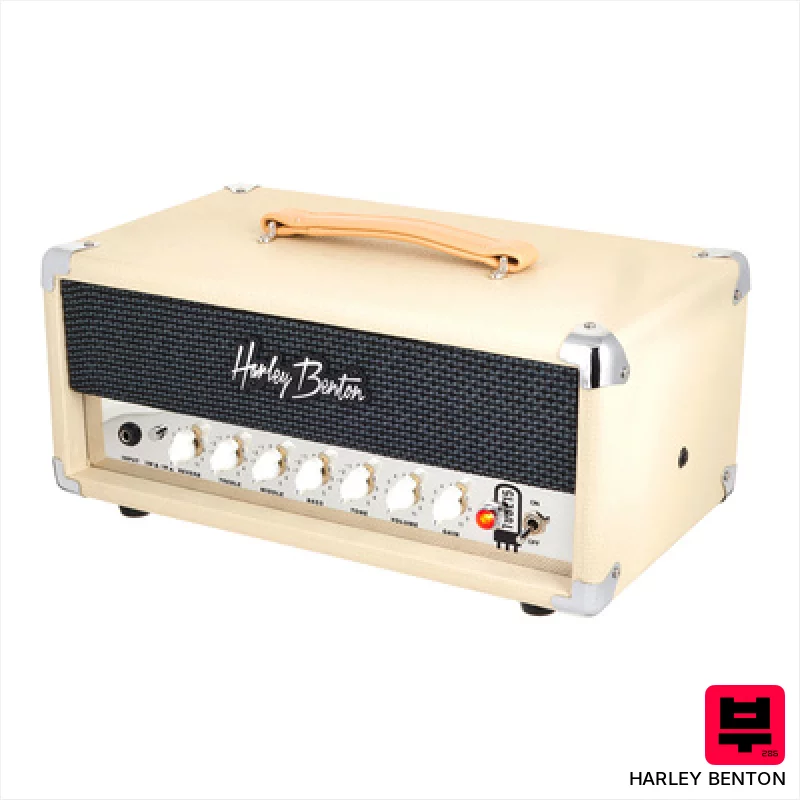
Harley Benton TUBE15 Head
- • ECC83 preamp tubes deliver a surprisingly warm and responsive gain character.
- • EL84 power tubes provide classic British amp chime and natural tube saturation.
- • The power attenuator offers versatility for bedroom volume or stage use.
- • Solid build quality for the price point; feels surprisingly robust for its size.
- • Limited single-channel design restricts tonal flexibility for more complex playing.
- • Reverb is basic and may not satisfy players seeking high-end reverb quality.
- • The smaller speaker output jacks feel somewhat flimsy compared to higher-end amps.
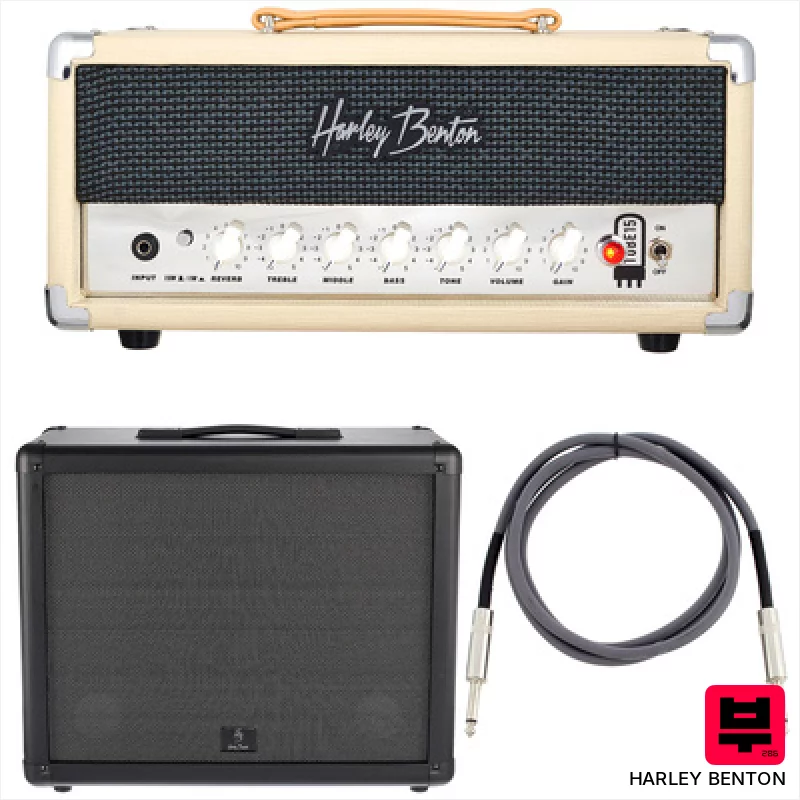
Harley Benton TUBE15 & G112
- • The ECC83 preamp tubes deliver a surprisingly warm and responsive gain stage.
- • EL84 power tubes provide a classic British amp tone, great for rock and blues.
- • The G112 cabinet's MDF construction offers decent resonance for the price point.
- • The power attenuator lets you crank the tube gain at lower volumes for bedroom practice.
- • MDF cabinet lacks the premium feel and acoustic properties of solid wood alternatives.
- • Limited single channel design restricts tonal flexibility for more complex playing styles.
- • While versatile, the amp's character leans heavily towards a specific British sound.
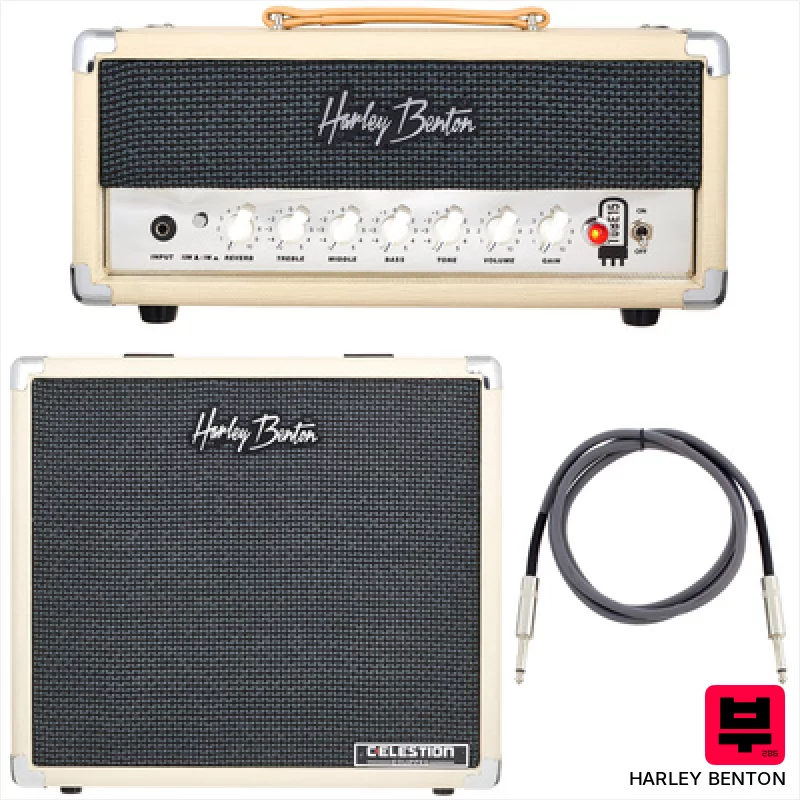
Harley Benton TUBE15 Head Bundle
- • The ECC83 preamp tubes deliver a surprisingly warm and articulate clean platform.
- • The Celestion Tube10 speaker provides a decent, balanced tone, avoiding excessive muddiness.
- • The 1W attenuation is genuinely useful for bedroom practice without sacrificing tube saturation.
- • The MDF cabinet construction feels surprisingly sturdy for a budget-friendly amplifier.
- • The single channel design limits tonal flexibility; it's a gain-only affair.
- • The reverb, while present, is fairly basic and lacks depth or shimmer.
- • The EL84 power tubes, while good, might lack the outright headroom of higher-wattage options.
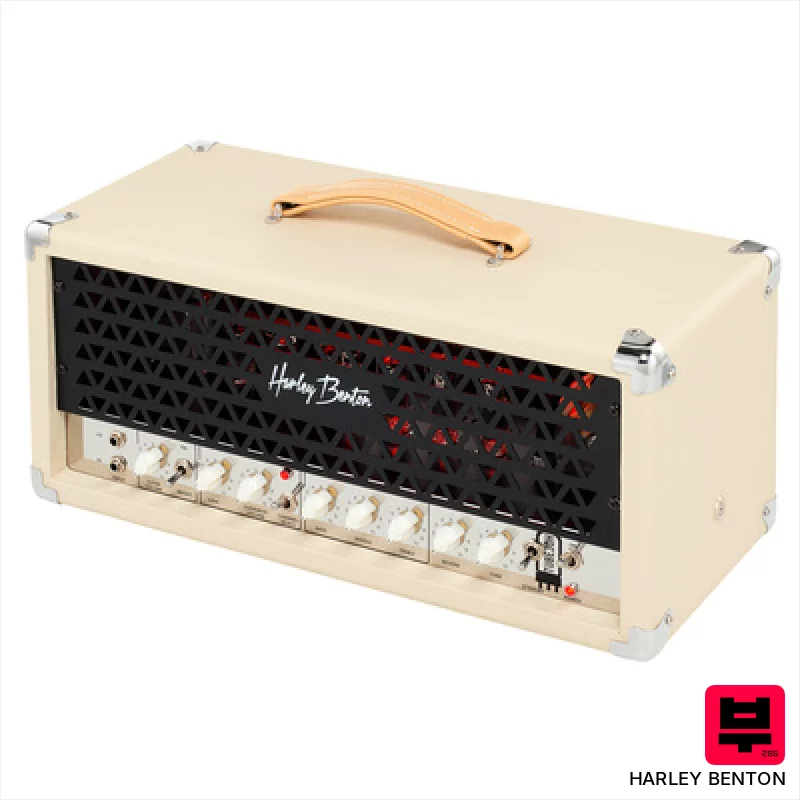
Harley Benton TUBE30 Head
- • ECC83/12AX7 preamp tubes deliver a warm, responsive clean channel.
- • EL84 power tubes provide a classic British amp chime and grit.
- • The dual channel design offers flexibility from clean to crunchy overdrive.
- • Solid build quality for the price point; feels surprisingly robust.
- • Reverb is serviceable but lacks depth and nuanced control.
- • Limited EQ options; may require external shaping for tonal versatility.
- • 30 watts can feel underpowered for larger venues or band practice.
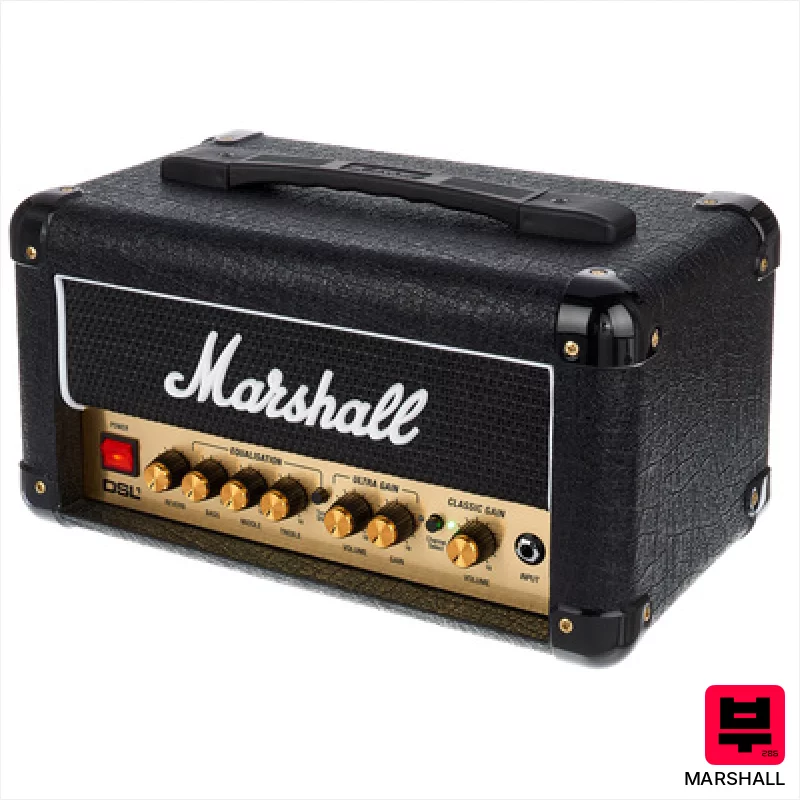
Marshall DSL1HR
- • Authentic Marshall tone at a surprisingly affordable price point
- • Low-wattage versatility for home practice and small gigs
- • Dual channels offer clean and high-gain sounds, easily switchable
- • Tone Shift provides a welcome boost in midrange character
- • Limited headroom; cleans quickly when pushed hard
- • Small size means less internal resonance compared to larger Marshall heads
- • FX loop is serviceable, but not ideal for complex pedal setups
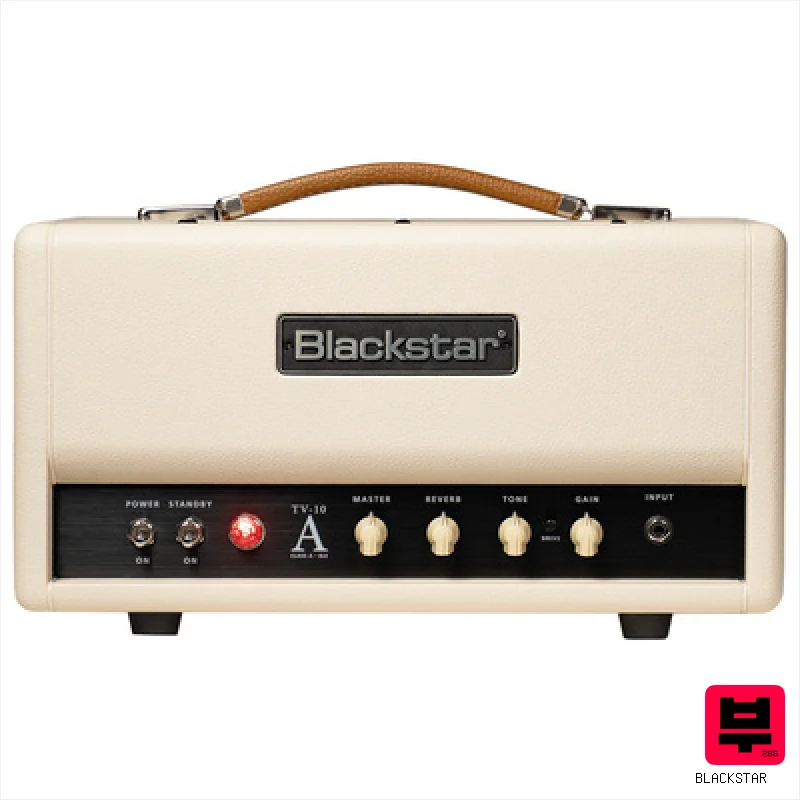
Blackstar TV-10 A 6L6
- • Uses powerful 6L6 power tubes for big, loud sound
- • Includes a dedicated effects loop for clean pedals
- • Comes with a foot switch for easy on-the-fly control
- • Compact size fits easily under a stage or practice stand
- • Only one channel means no tone shaping variety
- • Reverb is the sole built-in effect with no EQ
- • Single preamp tube limits gain control flexibility
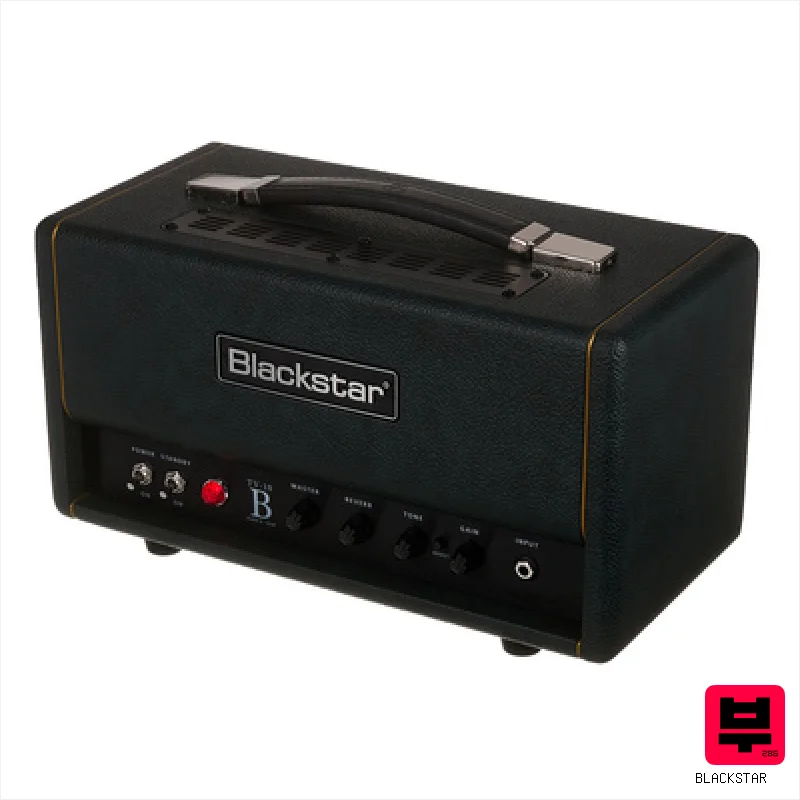
Blackstar TV-10 B EL34
- • Runs on a single EL34 power tube for classic crunch
- • Includes a dedicated FS-4S foot switch for easy control
- • Offers built-in reverb and an effects loop for pedals
- • Compact 10-watt design fits easily on any stage
- • Only one channel limits tone shaping options
- • Single preamp tube reduces dynamic range compared to dual setups
- • No listed speaker cabinet means you must buy one separately
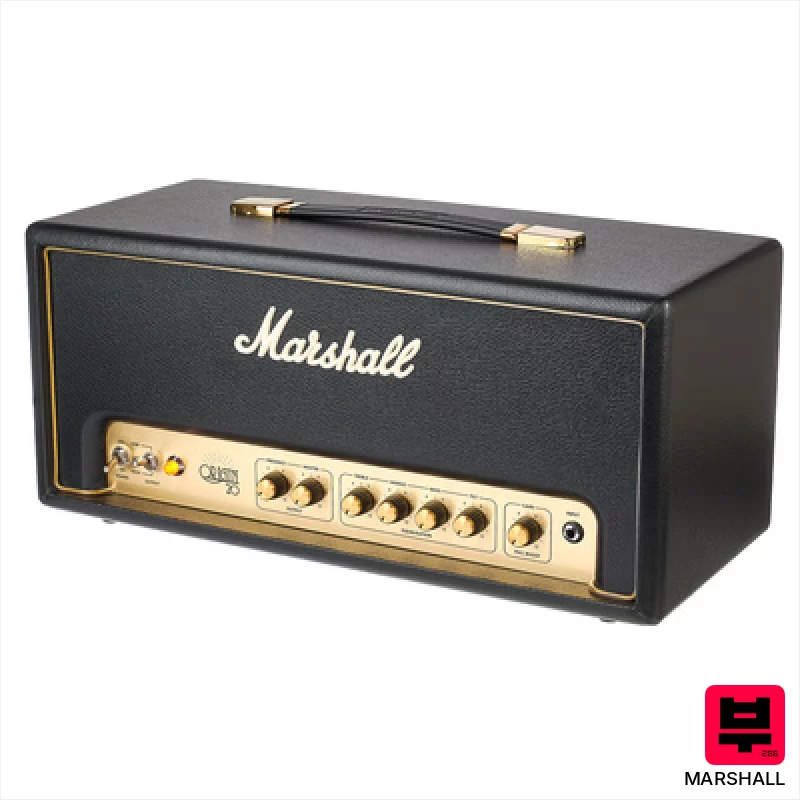
Marshall Origin 20H Head
- • EL34 power tubes deliver classic Marshall crunch and sustain
- • Tilt control offers nuanced voicing blending Normal and High Treble
- • Gain boost provides a satisfying, immediate overdrive character
- • Compact size and switchable wattage make it stage and home-friendly
- • Single channel limits versatility compared to multi-channel amps
- • Series effects loop can color tone if not carefully managed
- • Limited headroom; struggles with very high-volume, clean settings
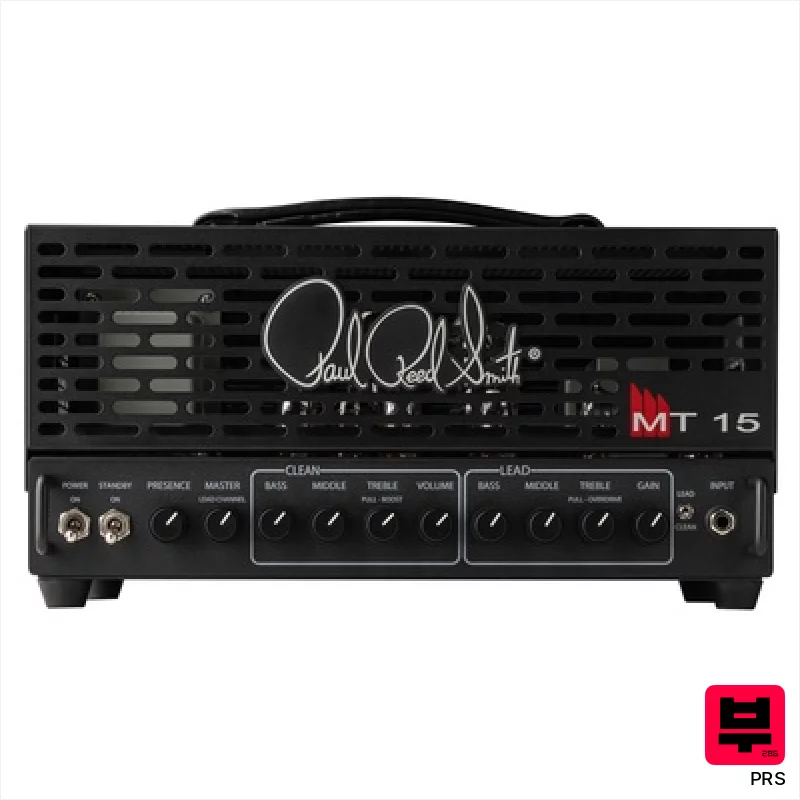
PRS MT 15 Amp V2
- • Excellent clean channel clarity with surprising dynamic range.
- • Tremonti signature high-gain channel delivers aggressive, modern rock tones.
- • JJ 5881 power tubes provide a robust, slightly compressed sound.
- • Footswitch and cover included add immediate usability and protection.
- • Limited clean headroom; best suited for lower volume scenarios.
- • Relatively heavy for a 15-watt head, portability can be an issue.
- • EQ isn't as flexible as some competitors, limiting tonal sculpting.
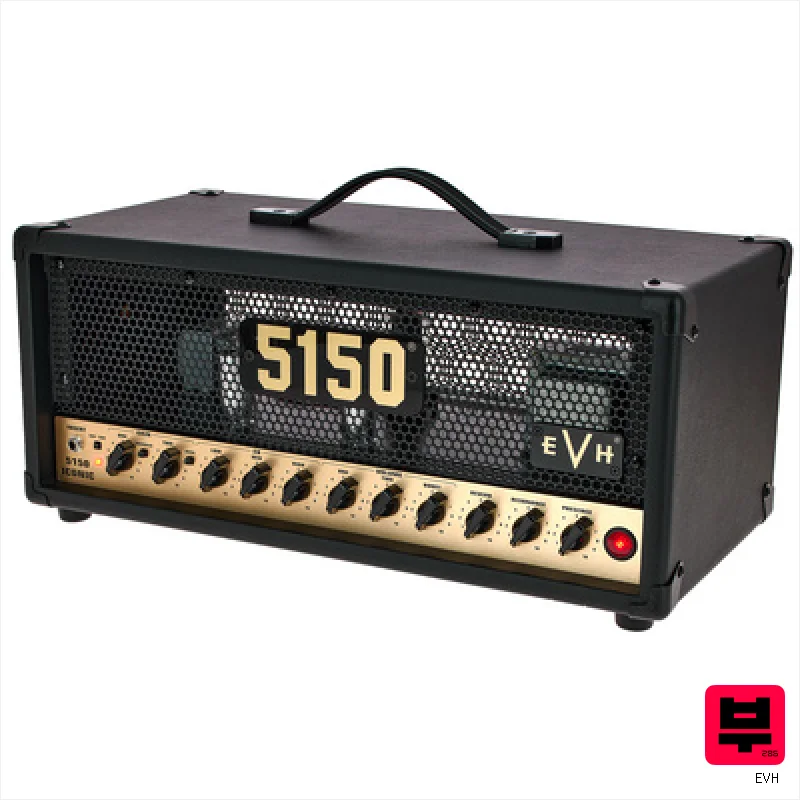
Evh 5150 Iconic 15W EL34 Top
- • Classic 15-watt power perfect for bedroom or practice rooms.
- • Built with reliable ECC83S preamp and EL34 power tubes.
- • Two distinct channels with dedicated gain and burn controls.
- • Includes built-in reverb and a dedicated effect loop output.
- • Heavy at 8 kg, making it hard to move around.
- • Only one power tube allows no speaker parallel output.
- • Lacks built-in distortion pedals requiring external effects.
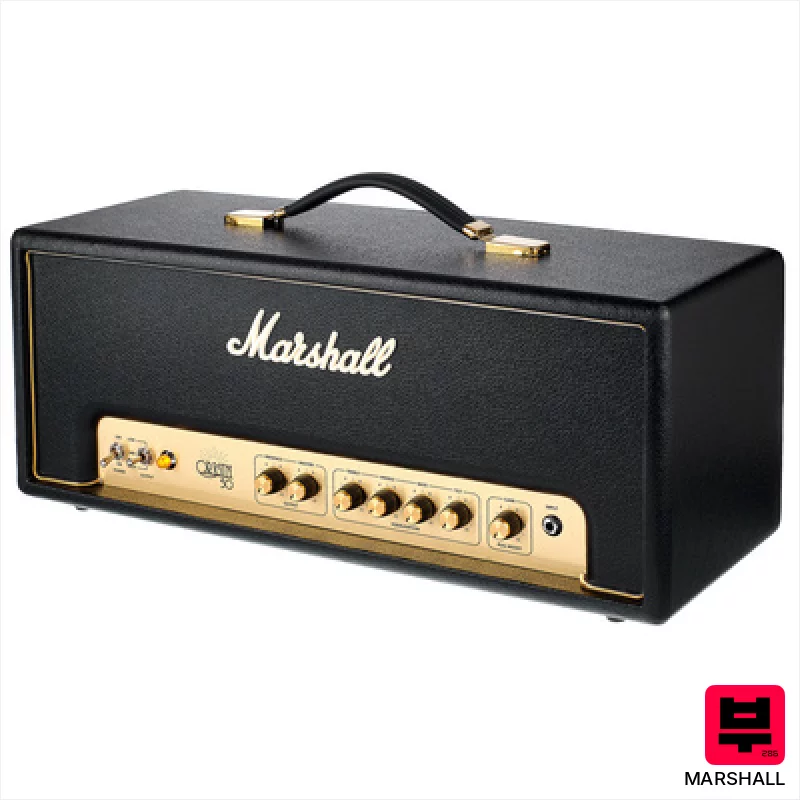
Marshall Origin 50H Head
- • EL34 power tubes deliver classic Marshall crunch and sustain
- • Tilt control provides a wide range of tonal colors, surprisingly versatile
- • Gain boost adds a welcome layer of aggression for lead work
- • Compact head design makes it manageable for smaller stages or studios
- • Single channel limits tonal sculpting compared to multi-channel amps
- • Limited clean headroom; excels in overdrive territory
- • Effects loop is serviceable, but not high-end studio quality
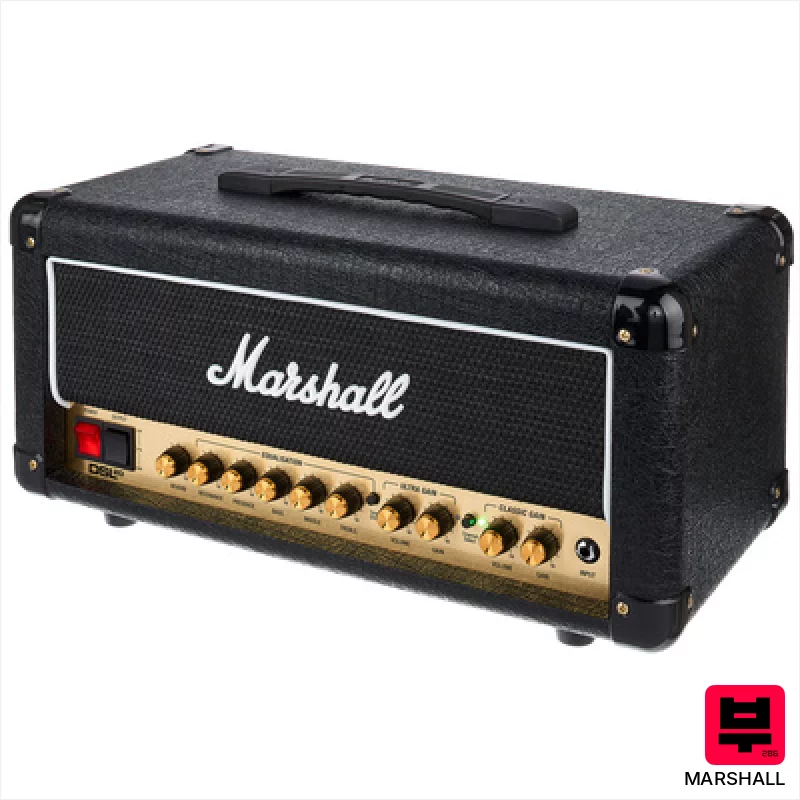
Marshall DSL20HR
- • Authentic Marshall crunch with EL34 power section delivers a classic tone
- • Versatile dual channels cover clean to high-gain rock sounds effectively
- • Tone Shift switch adds a welcome mid-range boost for a vintage Marshall flavor
- • Compact size and 20W power make it stage- and home-friendly
- • EL34 tubes require more frequent replacement compared to other types
- • Serial effects loop limits flexibility for complex signal chains
- • The combo version is preferable for most, the head requires a separate speaker cab
Every tube guitar heads that matches
209 models match this page. The 15 above are covered in detail; the rest are listed here with their published specifications.
Tube Guitar Heads by the numbers
Measured across all 209 models in this category, so «wide», «short» or «expensive» mean something you can check.
How to Choose the Best Tube Guitar Heads
Playability
A beginner needs an amp that responds to their touch - that means a forgiving breakup, good dynamic range, and a feel that encourages experimentation. No need for an amp that's mic'd and pre-EQ'd for a stadium before you can get a decent clean tone.
Feature Set
Less is more. Too many knobs and switches can be paralyzing. We're looking for straightforward controls - gain, EQ, master volume - that allow you to focus on your playing, not deciphering a complex menu system.
Learning Curve
Some amps are just plain fussy. They demand a certain technique or a perfectly dialed-in setup to sound even remotely decent. We've prioritized amps that are relatively easy to get a good sound out of right away.
Headroom & Volume Control
It's tough to learn dynamics when your amp is either always clipping or whisper-quiet. Good master volume control is key for bedroom practice and rehearsal situations, but also allows for controlled breakup at gig volumes.
Reliability & Maintenance
Tube amps require maintenance. We've considered ease of access for tube replacement and general build quality - a beginner shouldn't be fighting with their amp before they've even learned a few chords.
Buying Guide
Don't chase the 'vintage' dream right away. Entry-level tube heads often cut corners - lower-grade tubes, simpler power supplies - but they can still deliver a significant tonal improvement over solid-state. Look for a reputable brand with decent support, and be prepared for the cost of occasional tube replacement (it's part of the deal). A good quality power transformer and solid build will go a long way in the long run.
How This List Is Built
We don't play these instruments — we're a catalog, not a review desk, and we'd rather say so than pretend otherwise. This page covers 209 tube guitar heads from the Thomann catalogue, which is the largest single source of specification data in this category: 15 in detail, the rest listed with their specifications.
Position is computed, not curated. We parse the manufacturer's own description into actual values — nut width, scale, fret count, fingerboard radius, size, alloy — and rank on them: how many specifications a model has published, how many of them are measurable numbers, and how precisely it meets this page's criterion. A product image adds a little. Price is not a ranking signal: it tells you nothing about whether a neck fits your hand. The same inputs always produce the same order, so nothing here is shuffled to look fresh.
What this list is good for: narrowing a category down to a shortlist by spec and budget. What it isn't: a substitute for hearing an instrument. Before you buy, read hands-on reviews and, where you can, play it. Full methodology.

