
Best Palmer Studio Monitor Controllers 2026
Alright, so you're serious about your monitoring, huh? That's smart. Palmer isn't the first name everyone throws around in the monitor controller game, but if you're looking for a no-nonsense, rock-solid piece of gear built for serious work, you owe it a look. These aren't flashy, but they're built to withstand years of studio abuse and late-night mixing sessions - and they'll let you hear your mixes accurately.
Last updated: September 7, 2026
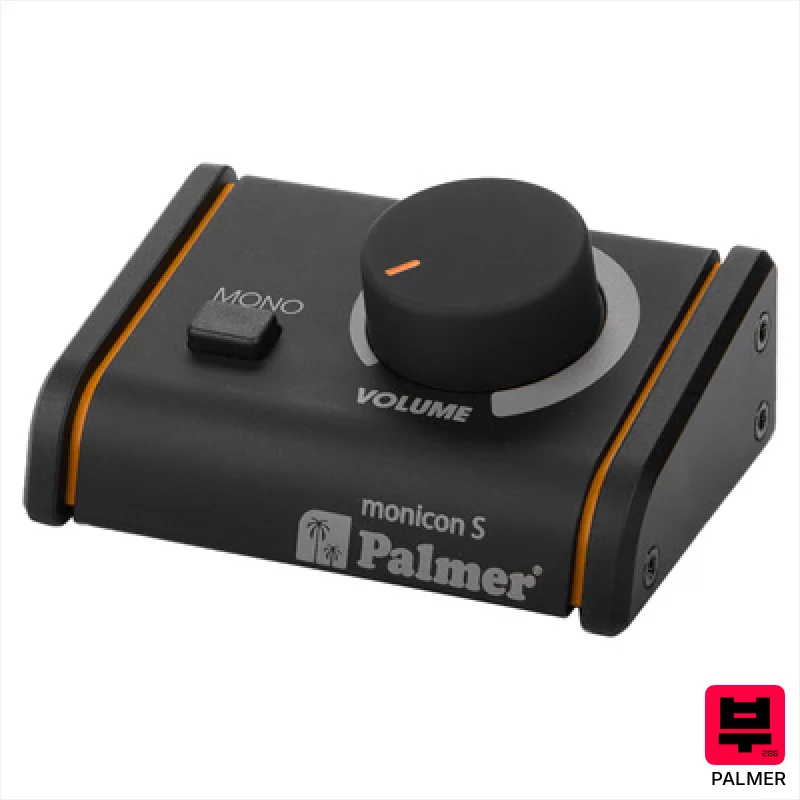
Palmer Monicon S G2
- • Extremely compact size allows for tight studio spaces and portable setups.
- • Solid, robust housing provides a degree of protection and feels well-built for the price.
- • Simple mono switch is invaluable for quickly checking mix compatibility.
- • Passive design avoids coloration, offering a transparent signal path.
- • Single stereo RCA input severely limits source options and flexibility.
- • RCA connections only restrict compatibility with modern digital audio interfaces.
- • Passive nature requires a power amplifier, adding to the overall system cost.
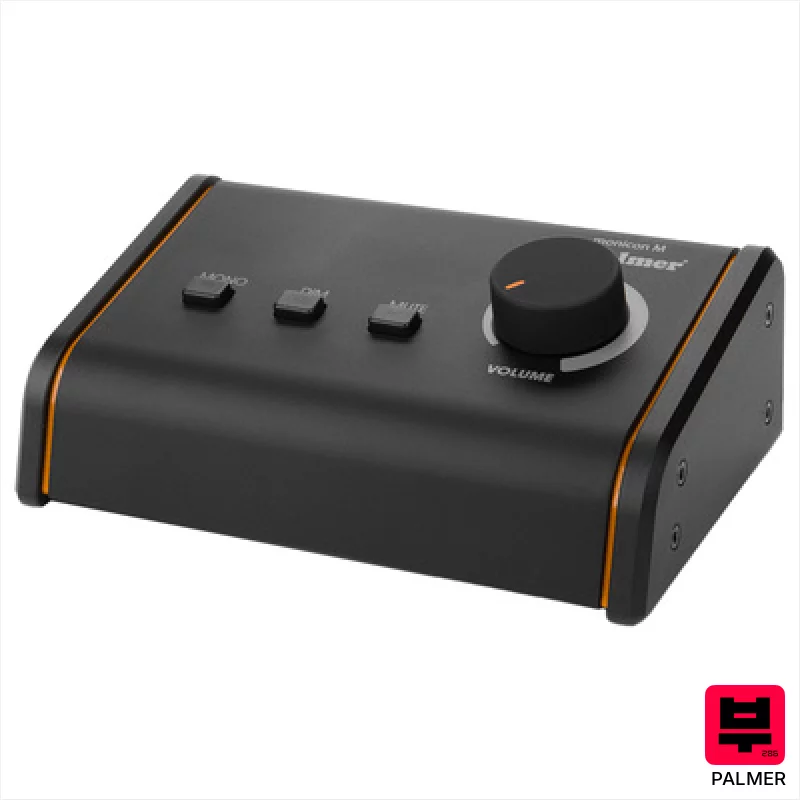
Palmer Monicon M G2
- • Solid, compact metal housing provides surprising rigidity and durability.
- • Balanced XLR outputs ensure clean signal transfer to your recording interface or power amp.
- • Mono summing switch is crucial for accurate translation across playback systems.
- • The 3.5mm inputs offer flexibility for connecting laptops or portable devices.
- • Passive design requires an external power amplifier; adds to overall system cost.
- • Limited input options restrict its use in more complex studio setups.
- • Lacks advanced features like speaker memory presets or impedance matching.
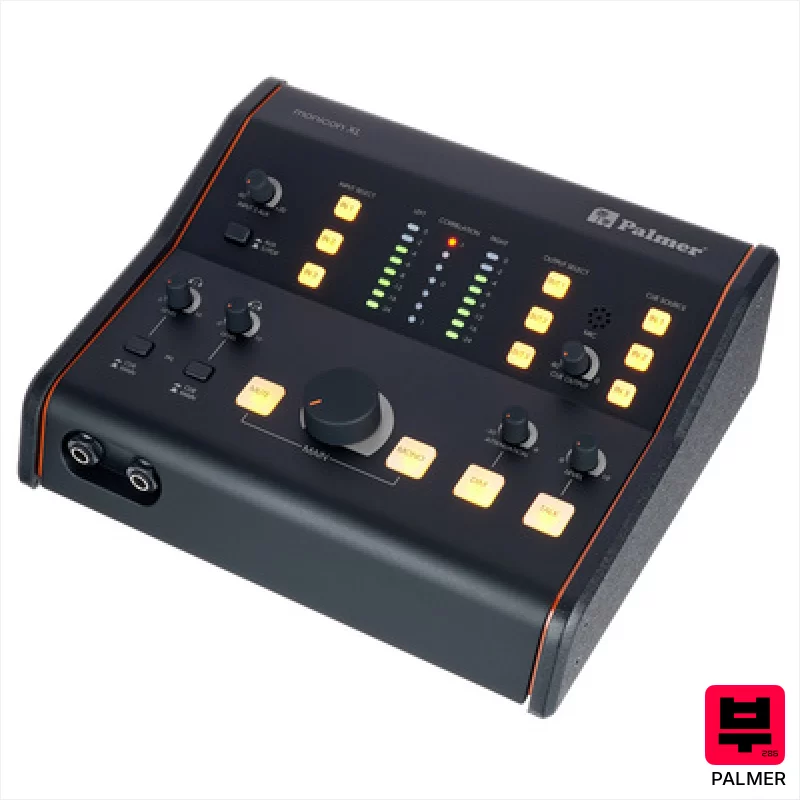
Palmer Monicon XL
- • Solid build quality; feels substantial for its size.
- • Flexible routing options for diverse studio setups.
- • Integrated talkback simplifies communication during tracking.
- • Correlation meter aids in stereo image assessment and mix balance.
- • RCA input feels a bit flimsy compared to TRS connections.
- • Limited headroom on the talkback mic for loud vocalists.
- • Dim function could be more granular and refined.

Palmer Monicon L G2
- • Solid, robust metal housing feels built to last for years of studio use
- • Flexible active/passive switching caters to a wide range of monitor setups
- • The adjustable headphone output is genuinely useful for critical listening
- • Clean signal path; minimal coloration ensures accurate monitoring
- • AUX input level adjustment could benefit from finer granularity
- • Limited input options; lacks dedicated phono or AES/EBU connectivity
- • Mono summing isn't as comprehensive as some higher-end controllers
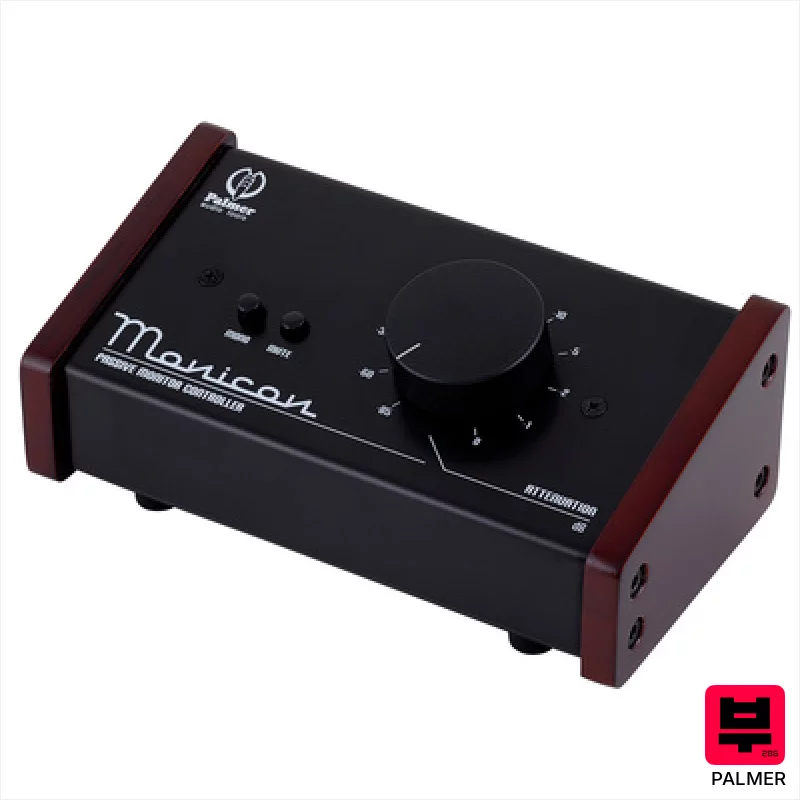
Palmer Monicon
- • Solid metal housing provides excellent durability and shielding
- • Real wood edges elevate the aesthetic and feel premium
- • Simple, clean layout makes routing signals straightforward
- • Mono summing is a genuinely useful feature for critical mixing
- • Passive design requires an external power amplifier, adding to the cost
- • Limited input options restrict versatility for complex setups
- • Small size might feel cramped for users with lots of cabling
Studio Monitor Controllers by the numbers
Measured across all 65 models in this category, so «wide», «short» or «expensive» mean something you can check.
How to Choose the Best Studio Monitor Controllers
Build Quality
Palmer's heritage is in pro audio power distribution. You can feel it. These controllers are built like tanks, with robust metal chassis and solid-feeling knobs - the kind of stuff that survives gigging and constant use. No plastic-y feel here.
Routing Flexibility
While not as feature-laden as some competitors, Palmer's routing is straightforward and reliable. You get what you need - multiple inputs and outputs, speaker selection, dimming - all without getting bogged down in menus. That's a win for workflow.
Sonic Transparency
These aren't going to color your sound. Palmer controllers are designed to be as transparent as possible, letting your monitors do the talking. You want to hear the nuances of your mix, not the controller adding a subtle (or not-so-subtle) EQ curve.
Headroom and Noise Floor
Palmer's clean power delivery ensures plenty of headroom and a virtually silent noise floor. This is crucial for critical listening - you don't want to be fighting background hiss when you're trying to make subtle adjustments.
Ease of Use
The layout is logical and intuitive. Even under pressure - say, during a band rehearsal or a tight mixing deadline - you can quickly navigate the controls without fumbling. It's a simple, functional design that just works.
Buying Guide
Palmer controllers aren't the cheapest option, but you're paying for that German engineering and build quality. Don't expect a ton of bells and whistles; they prioritize reliability and accuracy over flashy features. If you're a hobbyist working in a quiet space, a basic model might suffice, but if you're tracking bands or mixing professionally, invest in a model with more inputs and outputs. It's a long-term investment - this thing will probably outlast your monitors.
How This List Is Built
We don't play these instruments — we're a catalog, not a review desk, and we'd rather say so than pretend otherwise. This page covers 5 of 65 studio monitor controllers from the Thomann catalogue, which is the largest single source of specification data in this category: 5 in detail, the rest listed with their specifications.
Position is computed, not curated. We parse the manufacturer's own description into actual values — nut width, scale, fret count, fingerboard radius, size, alloy — and rank on them: how many specifications a model has published, how many of them are measurable numbers, and how precisely it meets this page's criterion. A product image adds a little. Price is not a ranking signal: it tells you nothing about whether a neck fits your hand. The same inputs always produce the same order, so nothing here is shuffled to look fresh.
What this list is good for: narrowing a category down to a shortlist by spec and budget. What it isn't: a substitute for hearing an instrument. Before you buy, read hands-on reviews and, where you can, play it. Full methodology.

