
Best Studio Monitor Controllers for Critical Listening 2026
Let's be honest, your monitors are only as good as the controller feeding them. You can drop serious coin on Adam SMR27s or Genelecs, but if you're running them through a cheap plastic box, you're missing crucial details. A good monitor controller isn't just about switching speakers; it's about maintaining signal integrity, offering accurate level matching, and giving you the sonic transparency you need to make critical mixing and mastering decisions. We're talking about hearing everything - the subtle phase issues, the muddy low-mids, the harsh transients - so you can fix them.
Last updated: July 22, 2026 • Next update: July 29, 2026
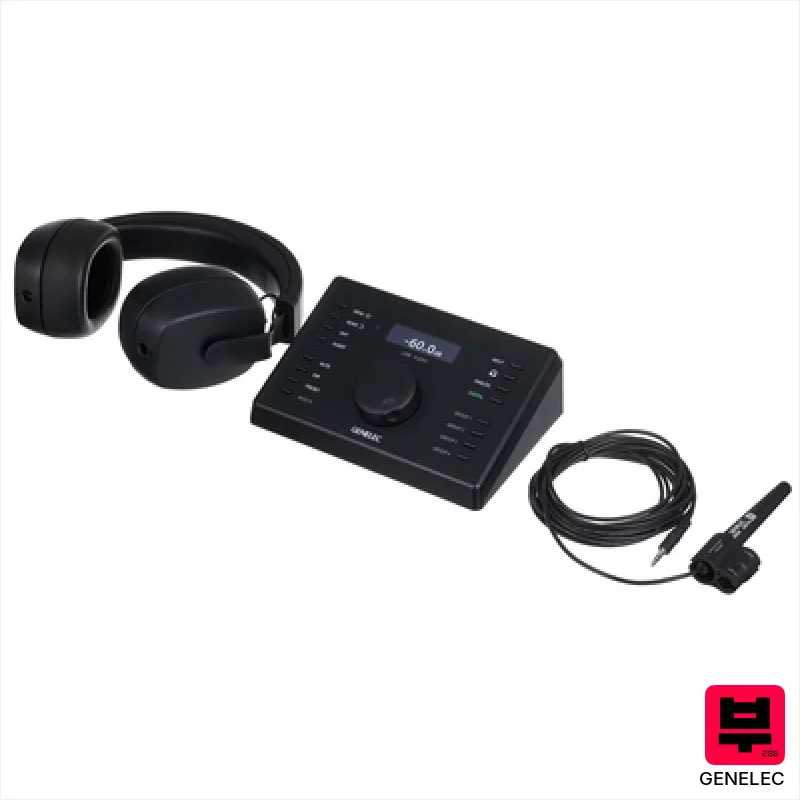
Genelec Unio PRM
- • 9320A offers precise, tactile control over GLM software parameters.
- • 550A headphones deliver exceptionally accurate and detailed binaural monitoring.
- • Measurement microphone facilitates room calibration and accurate level matching.
- • Aural ID integration provides personalized HRTF profiles for immersive listening.
- • High-end price point puts it out of reach for many home recording setups.
- • Reliance on Genelec’s GLM software limits flexibility with other monitoring systems.
- • Aural ID profiles require separate purchase, adding to the overall investment.
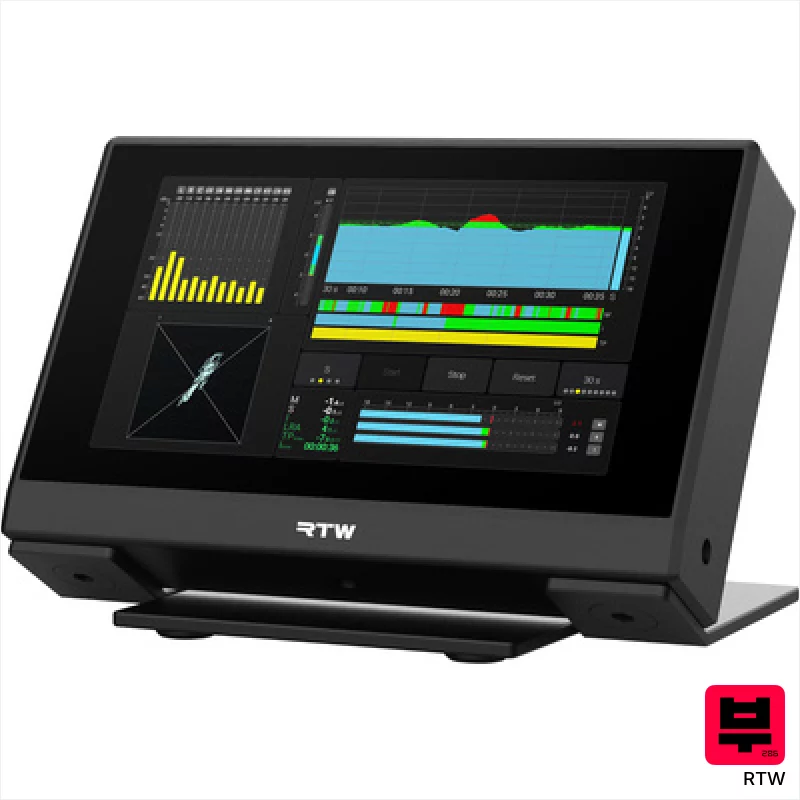
RTW TouchMonitor 5 Dante
- • Exceptional Dante integration simplifies complex networked audio workflows.
- • Comprehensive metering suite provides deep insight into audio compliance.
- • Compact form factor and PoE power offer flexible placement options.
- • Bright, responsive touchscreen delivers clear, easily readable data.
- • Premium-priced, a significant investment for smaller studios or freelancers.
- • Dante dependency limits use outside of networked audio environments.
- • Limited physical controls might require more screen interaction.
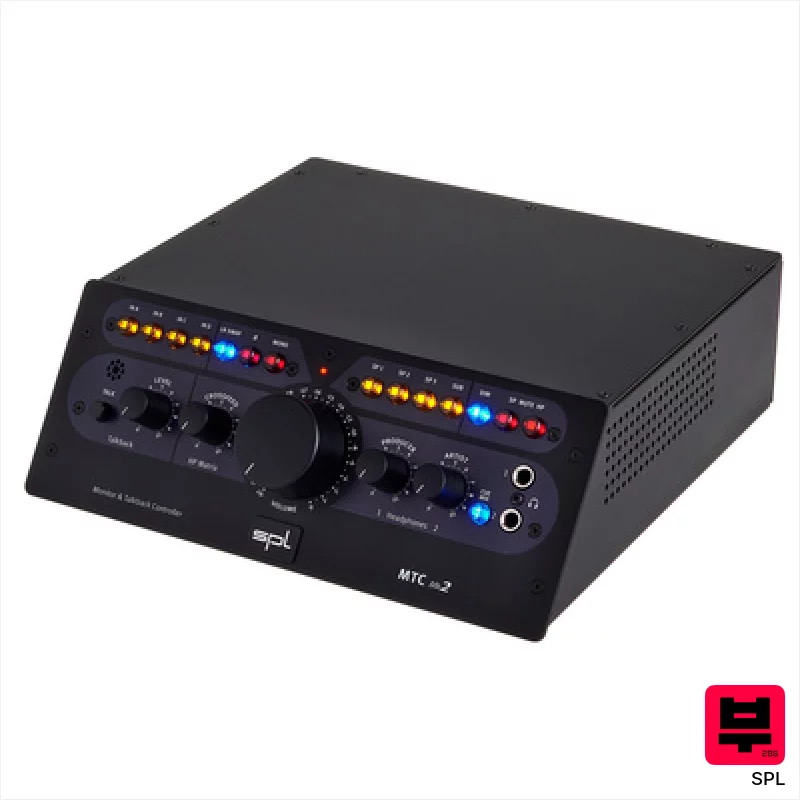
SPL MTC MK2
- • Excellent Phonitor matrix offers pristine signal routing flexibility.
- • Discrete headphone amps deliver exceptionally clean, powerful headphone playback.
- • Robust, all-metal chassis feels incredibly solid and well-built.
- • Comprehensive monitoring modes provide valuable critical listening tools.
- • Premium-priced, a significant investment for smaller studios.
- • Limited cinch (RCA) input – primarily geared toward balanced setups.
- • Relatively compact footprint, might feel cramped in very crowded control rooms.
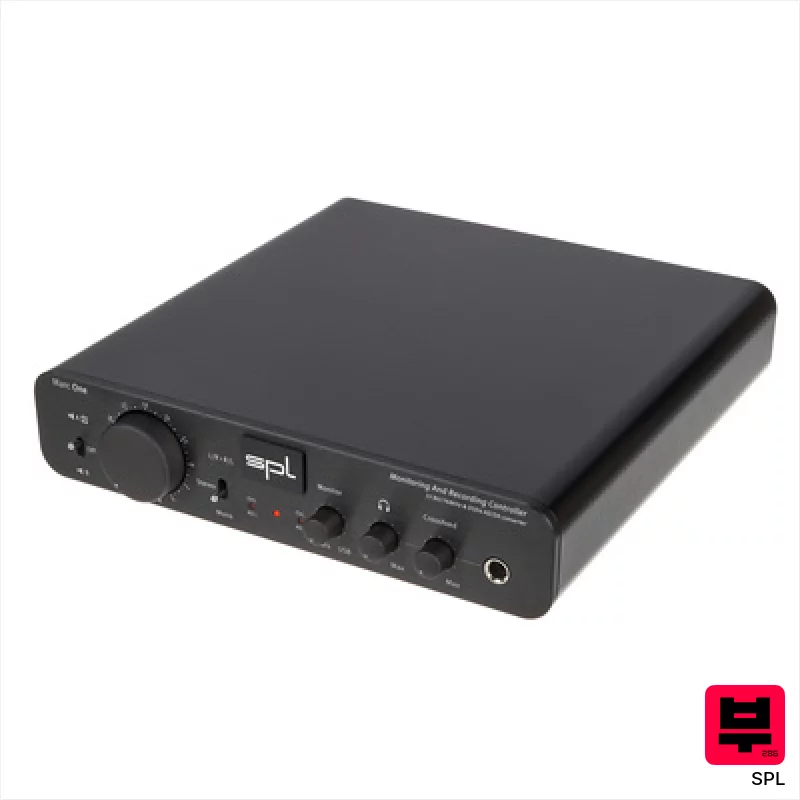
SPL Marc One
- • Solid build quality; feels exceptionally robust for its size.
- • Excellent AD/DA conversion provides pristine audio clarity.
- • Crossfeed function adds a surprisingly realistic and immersive listening experience.
- • Flexible monitoring modes cater to diverse mixing and mastering needs.
- • Limited input options restrict versatility for complex setups.
- • Price point positions it as a premium investment for serious users.
- • Subwoofer output lacks dedicated level control.

Lake People MC 100
- • Exceptional build quality with robust metal chassis and tight tolerances.
- • X-FEED feature convincingly simulates various speaker systems for mixing.
- • 384 kHz/32-bit USB-C conversion offers pristine audio fidelity.
- • Flexible trim adjustments per output allow precise monitor calibration.
- • Premium-priced, putting it out of reach for budget-conscious studios.
- • Limited routing options compared to more complex, higher-end controllers.
- • Physical footprint, while not huge, might be restrictive in very tight spaces.
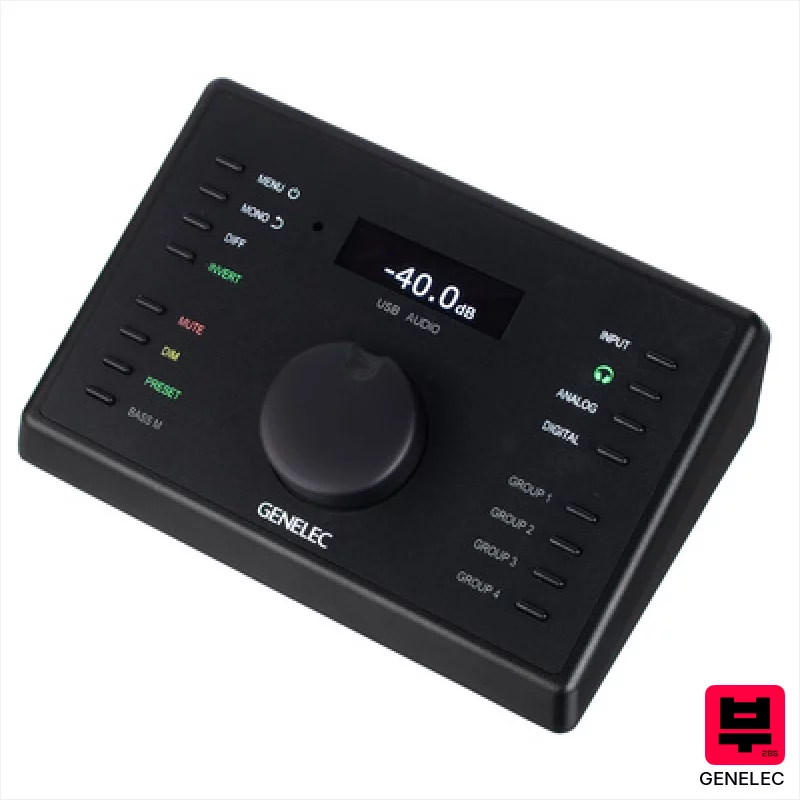
Genelec 9320A Reference Controller
- • Rock-solid build quality; feels like it's machined from a single block.
- • GLM integration streamlines speaker calibration significantly.
- • EBU R128 compliance ensures broadcast-ready loudness levels.
- • Compact size maximizes desk space without sacrificing functionality.
- • Limited input/output options compared to more versatile controllers.
- • Aural ID functionality requires separate purchase, adding to overall cost.
- • Lacks direct talkback functionality, a common need in many studios.

Heritage Audio RAM 1000
- • Excellent build quality with robust metal chassis and solid feel.
- • The 24-position stepped attenuator provides precise level adjustments.
- • Flexible input options accommodate both +4dBu and +10dBV signals.
- • Bluetooth connectivity offers convenient streaming for reference tracks.
- • Lack of talkback functionality limits collaborative workflow.
- • Power supply not included, adding to the overall investment.
- • Limited routing options compared to higher-end monitor controllers.
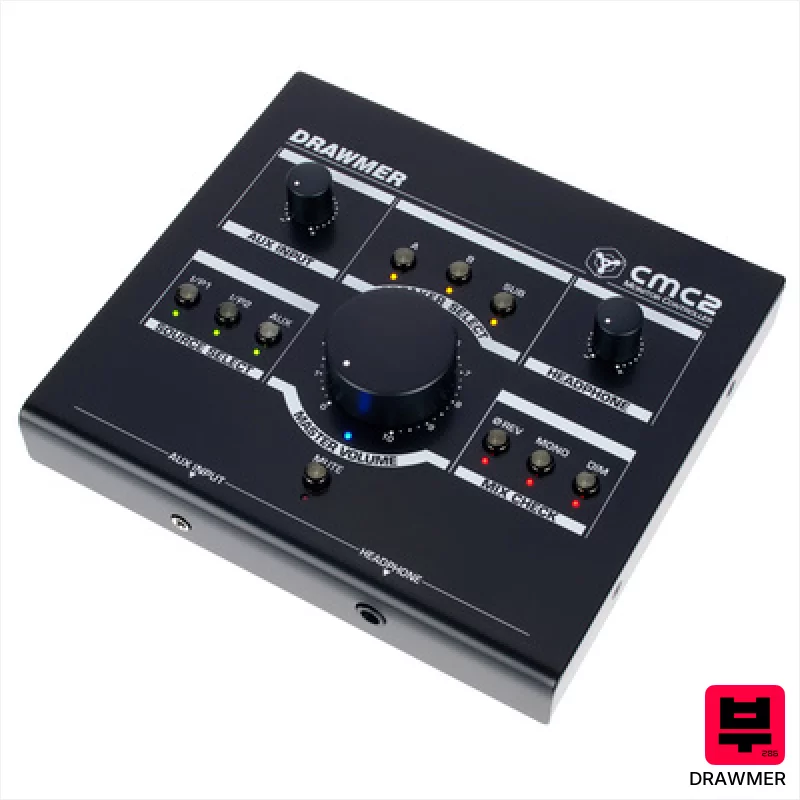
Drawmer CMC2
- • Silent operation is a huge boon for noise-sensitive environments
- • Compact size fits easily on crowded desks or racks
- • Solid build quality; feels robust despite its small footprint
- • Subwoofer time relay prevents speaker damage during transitions
- • Limited routing options compared to higher-end controllers
- • 21 dBu input level might require gain staging adjustments
- • Aux input lacks dedicated EQ or processing capabilities
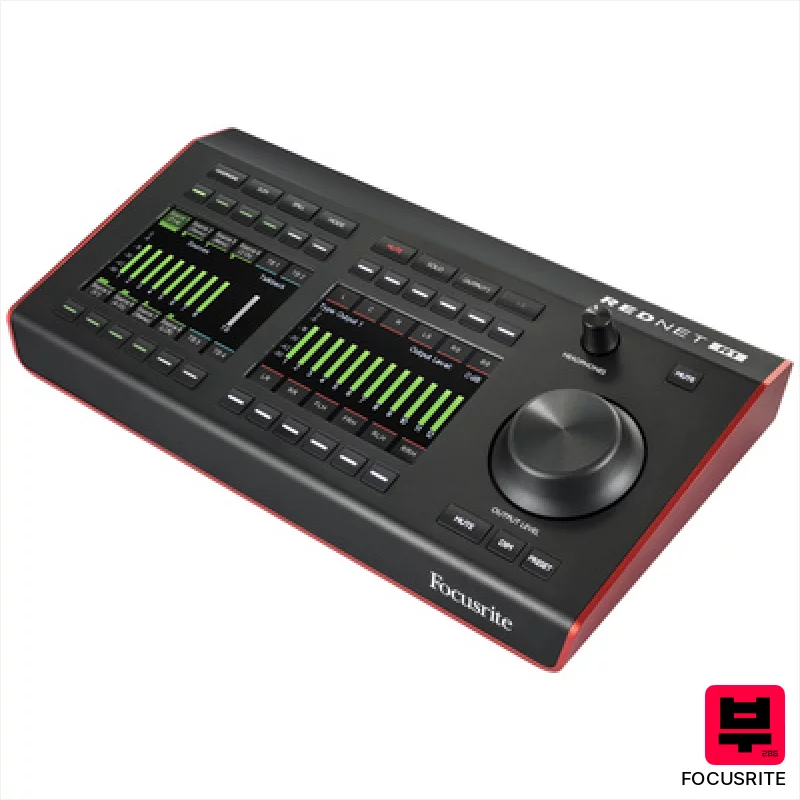
Focusrite RedNet R1
- • Seamless Dante integration simplifies complex studio routing.
- • Intuitive LCD displays offer clear visual feedback on settings.
- • Flexible monitor configurations support immersive audio workflows.
- • Built-in talkback mic reduces clutter and streamlines communication.
- • Price point places it outside the reach of smaller home studios.
- • Dante dependency requires existing network infrastructure.
- • Limited physical controls could benefit from more tactile feedback.

Heritage Audio Baby RAM
- • Superb 0.1dB attenuation steps ensure precise level matching.
- • Passive design avoids coloration, preserving monitor accuracy.
- • Robust metal enclosure provides excellent shielding and durability.
- • Compact footprint ideal for smaller, space-conscious studios.
- • Limited input options; only line-level connections are supported.
- • Lack of digital input restricts compatibility with modern interfaces.
- • No headphone output; requires separate headphone amplifier.

Radial Engineering Studio-Q
- • Robust metal chassis provides excellent durability for studio use
- • Integrated mic is surprisingly decent for quick talkback needs
- • Simple, intuitive layout minimizes learning curve and workflow disruption
- • Compact size (12.4 x 9.2 x 5.1 cm) saves valuable desk space
- • Limited routing options compared to more complex monitor controllers
- • Internal microphone quality isn’t suitable for critical vocal recording
- • Lacks advanced features like source recall or parametric EQ

Mackie Big Knob Studio+
- • Excellent source routing flexibility for complex setups
- • Solid build quality; feels robust for studio use
- • Built-in USB interface is genuinely useful for quick tracking
- • Cue mix functionality is surprisingly effective for vocalists
- • USB interface lacks advanced routing options found in dedicated interfaces
- • Talkback mic quality is adequate, not professional-grade
- • Limited headroom at higher volumes; can introduce noise

Dangerous Music D-Box+
- • Exceptional L/R sync eliminates frustrating phase issues in critical listening.
- • Robust, milled aluminum enclosure exudes professional build quality and shielding.
- • Flexible routing options handle complex setups with ease and precision.
- • Integrated talkback simplifies communication during recording sessions.
- • Premium-priced, a significant investment for smaller studios.
- • Size and weight make portability impractical; it's a desktop fixture.
- • Bluetooth audio quality isn't a replacement for high-resolution connections.
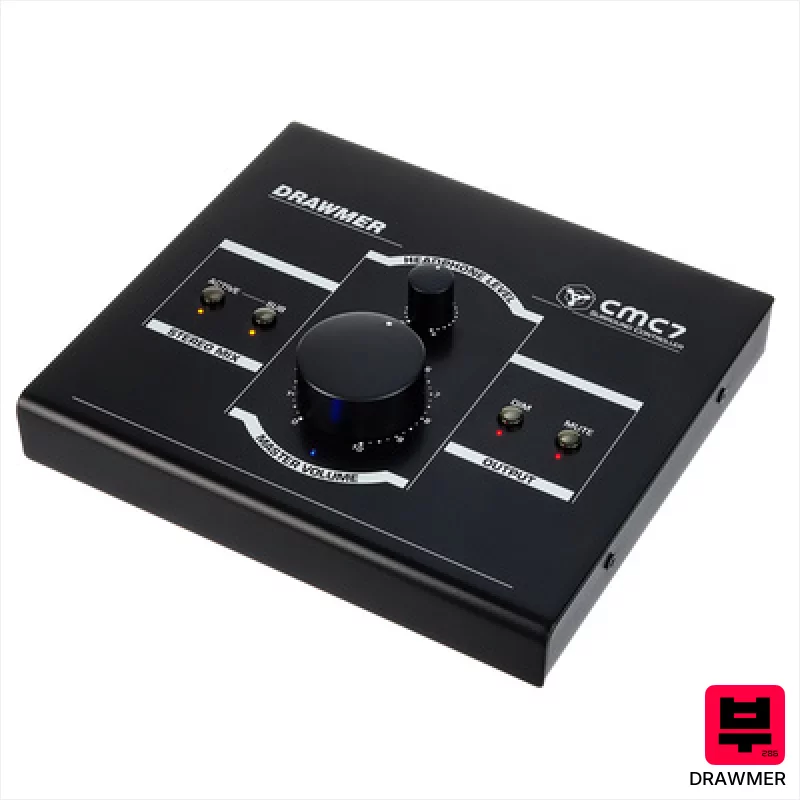
Drawmer CMC7
- • Exceptional transparency preserves subtle sonic details flawlessly.
- • Low-noise circuit design ensures pristine monitoring, even at low levels.
- • Flexible Tascam assignment provides versatile routing options.
- • Compact form factor (168mm deep) suits tight studio spaces.
- • DB-25 connectors require specialized cabling, increasing setup complexity.
- • Limited feature set compared to more modern, feature-rich controllers.
- • Lacks advanced metering options like peak hold or FFT analysis.
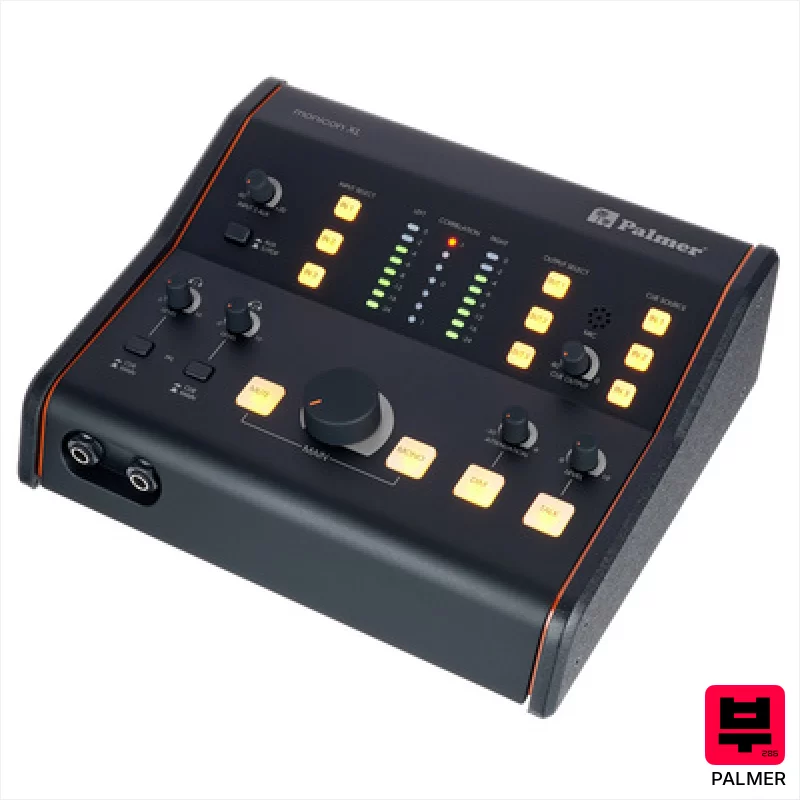
Palmer Monicon XL
- • Solid build quality; feels substantial for its size.
- • Flexible routing options for diverse studio setups.
- • Integrated talkback simplifies communication during tracking.
- • Correlation meter aids in stereo image assessment and mix balance.
- • RCA input feels a bit flimsy compared to TRS connections.
- • Limited headroom on the talkback mic for loud vocalists.
- • Dim function could be more granular and refined.
How to Choose the Best Studio Monitor Controllers
Transparency
This is paramount. A controller shouldn't add anything to the signal - no unexpected warmth, harshness, or filtering. We're looking for a neutral signal path that lets your monitors do their job. A slight roll-off in the highs is a dealbreaker.
Level Matching
Accurate level matching between speakers is absolutely critical for making informed decisions. Even a slight mismatch can skew your perception of the mix. Look for controllers with precise attenuation controls or trim adjustments.
Routing Flexibility
Beyond simple A/B/C speaker switching, consider features like aux sends, headphone outputs with dedicated level control (essential for late-night tracking), and the ability to easily route different inputs to different outputs.
Build Quality & Features
Let's be real, a flimsy plastic box isn't going to last through a tour. Solid construction, reliable potentiometers (no scratchy knobs!), and thoughtful features like mono/stereo switches and polarity reversal are all pluses.
Headroom & Dynamic Range
A controller working hard to handle a weak signal will introduce noise. Sufficient headroom ensures clean signal processing, especially when dealing with hot drum busses or complex synth patches. You want to hear the music, not the controller's limitations.
Buying Guide
Don't fall for the marketing hype. A lot of cheaper controllers cut corners on component quality, which manifests as audible noise or inaccurate level matching. Paying more usually gets you better pots, a more transparent signal path, and more routing options. If you're serious about critical listening, consider a unit with balanced inputs and outputs - that's a sign of a more professional design. And remember, a controller is only as good as your room - treat that first!
Our Methodology
We don't just look at spec sheets here. We put these controllers through the wringer: A/B comparisons with reference systems, critical listening tests with a range of music genres (from acoustic to electronic), and real-world use in both treated and untreated rooms. We're listening for sonic coloration, level matching accuracy, and how well the controller handles different input and output scenarios - the stuff that matters when you're actually trying to get a mix to translate.

