
Best Special Wireless Systems Under $200 2026
Alright, so you need wireless but your budget's looking tighter than a vintage Tele's neck pocket? It's a common situation. Getting decent wireless under $200 means making smart choices and understanding what you're not getting - don't expect Shure Axient performance. We're focusing on systems that'll get you freedom on stage or in the rehearsal room without totally blowing your gig money.
Last updated: April 11, 2026
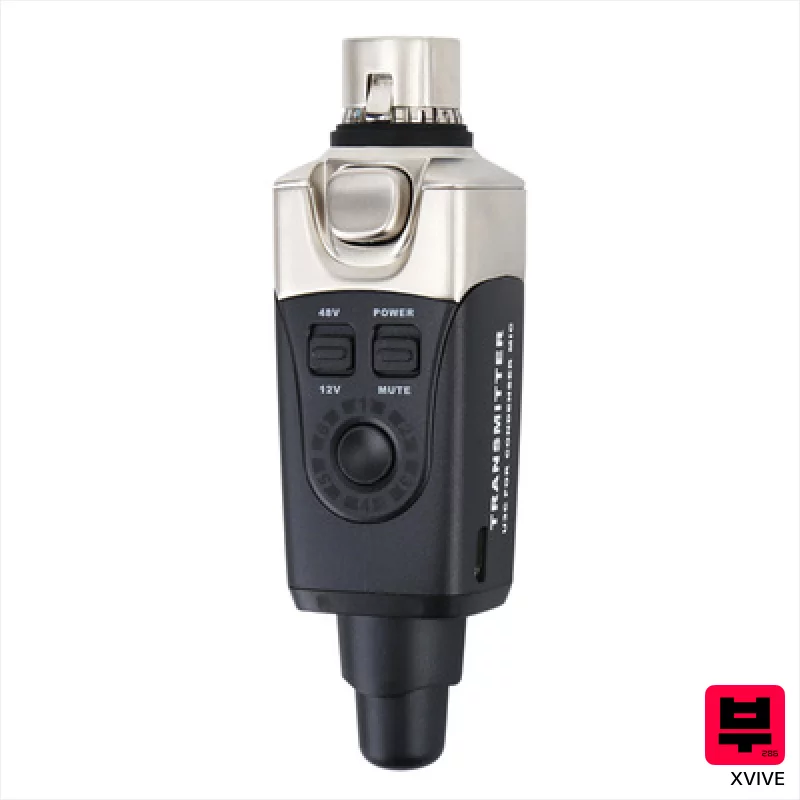
XVive U3C Microphone Wireless System
- • Robust ABS housing feels surprisingly durable for the price point.
- • Integrated phantom power expands mic compatibility significantly.
- • Low 5ms latency is genuinely usable for live performance.
- • Mic/line switch adds versatility for DJs and small PA setups.
- • ABS housing, while durable, lacks the premium feel of metal alternatives.
- • 90ft range is optimistic; expect reduced performance with interference.
- • Battery life, while adequate, isn't class-leading for wireless systems.

XVive U6 Compact Wireless Mic Syst.
- • Compact size makes it incredibly portable for on-location work.
- • 24-bit/48kHz resolution delivers surprisingly clean audio for the price.
- • Simple channel selection avoids complex setup headaches.
- • Integrated mic eliminates the need for separate mic attachment.
- • Build quality feels noticeably budget-focused; plastic construction is a compromise.
- • Limited channel selection restricts use in crowded RF environments.
- • Omnidirectional mic picks up significant room ambiance; less ideal for noisy spaces.
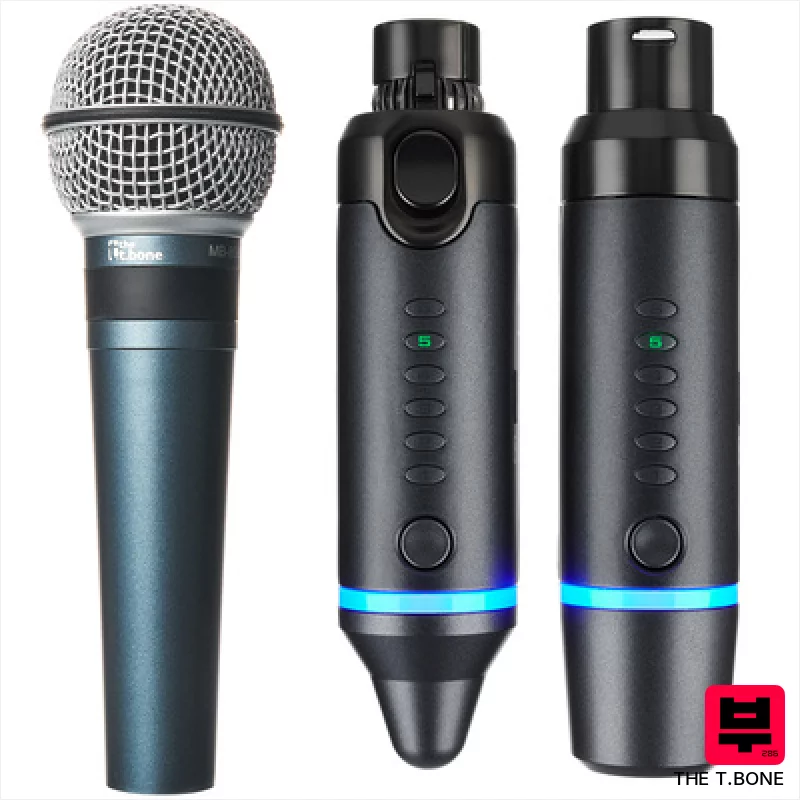
the t.bone free2b / MB85 Beta Bundle
- • Compact plug-on design simplifies dynamic mic wireless integration.
- • 2.4GHz operation offers globally license-free convenience.
- • 7-hour battery life is adequate for most performance scenarios.
- • Auto-pairing simplifies setup and eliminates complex channel selection.
- • Limited range (30m) may restrict movement on larger stages.
- • Single frequency band offers less flexibility than multi-band systems.
- • Construction feels noticeably lightweight, suggesting budget materials.
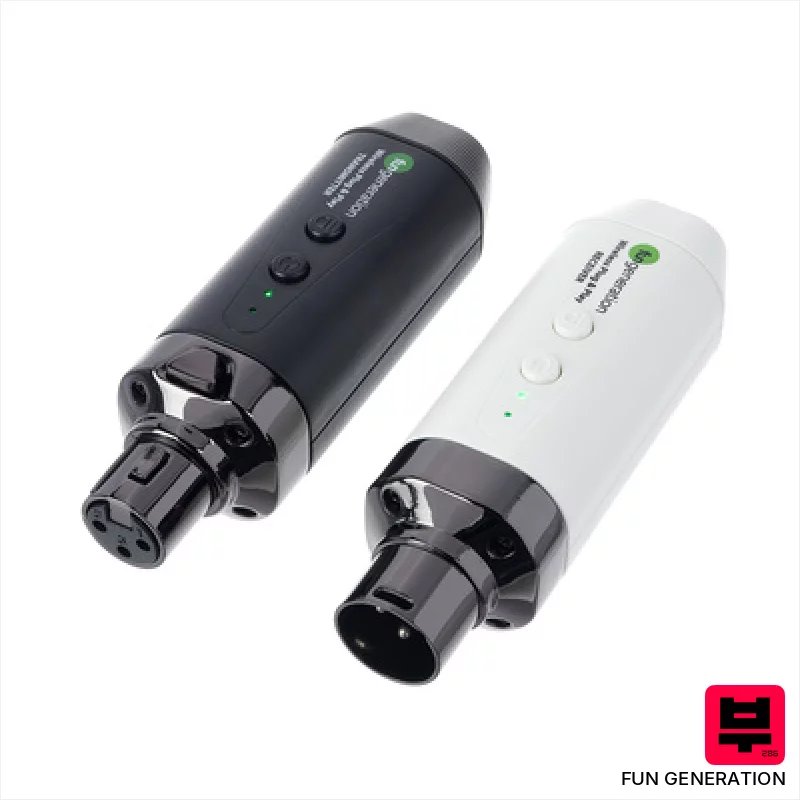
Fun Generation Wireless Plug & Play
- • Compact and lightweight design eases portability and setup
- • XLR connectivity offers compatibility with professional audio gear
- • Predefined frequencies simplify operation, ideal for quick deployments
- • Reasonable battery life supports extended use between charges
- • Limited frequency selection restricts use in crowded RF environments
- • Short range may be problematic for larger venues or stages
- • Small battery capacity necessitates frequent charging for demanding use

the t.bone free2b
- • Plug-and-play simplicity eliminates setup headaches for beginners
- • 2.4 GHz band offers reliable license-free operation globally
- • Compact size and lightweight design are ideal for mobile use
- • Integrated battery avoids external power hassles, great for live gigs
- • Build quality feels plasticky, not as robust as higher-end systems
- • Limited channel selection may cause interference in crowded wireless environments
- • XLR to 3.5mm adapter feels a bit flimsy and could be a point of failure

DAP-Audio COM-ART
- • Compact and lightweight for discreet stage use
- • 16 channels offer decent flexibility for basic setups
- • Simple operation minimizes setup time and complexity
- • Affordable entry point into wireless microphone systems
- • 50m range is limited, prone to interference in crowded RF environments
- • Reliance on AA batteries impacts portability and runtime
- • Basic build quality; likely plastic construction, less durable

XVive XPS Power Supply 12V
- • Compact size minimizes cable clutter and stage footprint.
- • Switched-mode design ensures stable voltage delivery, protecting sensitive electronics.
- • Universal input voltage (100-240V) simplifies international travel and use.
- • Robust barrel connector provides a secure and reliable power connection.
- • EU plug requires an adapter for North American or UK use.
- • Limited to powering devices requiring 12V DC at 2A.
- • Plastic housing feels somewhat basic compared to premium power supplies.
How to Choose the Best Special Wireless Systems
Frequency Range
Most budget systems operate in the 2.4GHz or unlicensed UHF bands. 2.4GHz is susceptible to interference from Wi-Fi and Bluetooth, so UHF is generally preferable if your venue has clear space. Check local regulations!
Dynamic Range & Noise Floor
This is where you'll notice the biggest compromises at this price point. Expect a noticeable increase in hiss compared to higher-end systems. Dynamic range will be limited, meaning quieter vocals might get lost in the noise.
Build Quality & Durability
Plastic housings are the norm. These aren't built to withstand a drum kit tumble, so treat them with respect. The transmitters' battery life will also be shorter than more expensive options.
Latency
Wireless systems introduce latency, and budget ones tend to have more. A slight delay can mess with your timing, especially for wind instruments or fast vocal runs. Test this thoroughly before a gig.
Microphone Capsule Quality
Don't expect a Neumann capsule. The included mics are usually serviceable, but the tonal character will be generic - likely a slightly boxy, mid-forward sound. Upgrading the mic is often the best bang for your buck.
Buying Guide
At this price, you're trading off something. It's usually a combination of frequency clarity, dynamic range, and build quality. Don't expect pristine audio - look for a system that minimizes noise and offers decent feedback rejection. If you're primarily using it for spoken word or backing vocals, you can be more forgiving, but for lead vocals or instruments needing articulation, careful testing is crucial. Consider a system with a receiver that allows for frequency scanning - it'll help you find a clearer channel.
How This List Is Built
We don't play these instruments — we're a catalog, not a review desk, and we'd rather say so than pretend otherwise. This page ranks 7 special wireless systems from the Thomann catalogue, which is the largest single source of specification data in this category.
Position is computed, not curated. Four signals, in order of weight: how completely the manufacturer documents the instrument (number of published specifications), where it sits in the price range, how specific the model designation is — which filters out generic accessories — and whether a product image exists. The same inputs always produce the same order, so nothing here is shuffled to look fresh.
What this list is good for: narrowing a category down to a shortlist by spec and budget. What it isn't: a substitute for hearing an instrument. Before you buy, read hands-on reviews and, where you can, play it. Full methodology.

