
Best Special Wireless Systems for Professional Broadcast 2026
So, you're stepping up your broadcast game and ditching the spaghetti of XLR cables? Smart move. But 'wireless' isn't just 'wireless' - you need a system built for the demands of broadcast, not a cheap guitar wireless you picked up on clearance. We're talking consistent signal, low noise, and a frequency range that won't have you fighting interference from every other device in the studio or on location.
Last updated: July 22, 2026 • Next update: July 29, 2026

Sennheiser EW-DP EK SKP R1-6 Bundle
- • Digital clarity minimizes noise, crucial for video production.
- • Smart Assist app simplifies complex wireless system management.
- • Receiver's stackable design offers scalable audio solutions.
- • Lockable connectors ensure reliable signal integrity on set.
- • Limited frequency bandwidth compared to broader systems.
- • Transmitter power might be restrictive for very long distances.
- • The bundled battery life is decent, but could be longer.
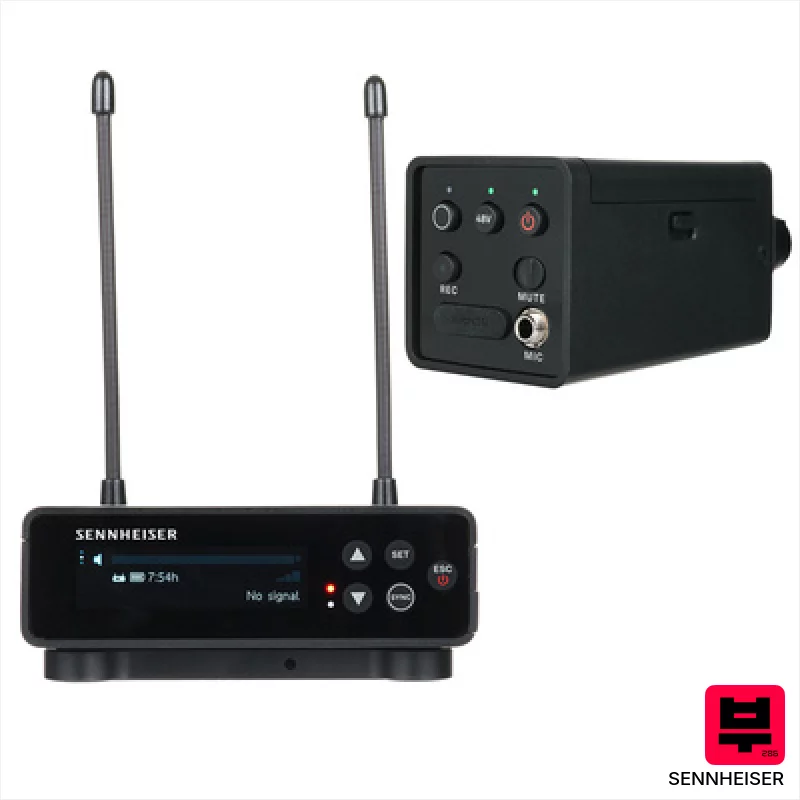
Sennheiser EW-DP EK SKP U1/5 Bundle
- • Digital clarity delivers exceptionally clean, low-noise audio performance.
- • Smart Assist app streamlines setup and troubleshooting, a real time-saver.
- • Receiver's stackable design allows for expansion and more complex setups.
- • Robust build quality ensures reliability in demanding video production environments.
- • The compact receiver size might feel a little cramped for some users.
- • Limited frequency bandwidth compared to broader systems – potential interference risk.
- • Price point positions it as a premium investment for serious professionals.

Sennheiser EW-DP EK SKP Q1-6 Bundle
- • Digital clarity minimizes interference, crucial for noisy environments.
- • Smart Assist app simplifies complex wireless setups significantly.
- • Receiver stacking expands channel capacity for multiple performers.
- • Lockable connectors prevent accidental disconnections mid-performance.
- • The 470-526 MHz band may be restricted in some regions.
- • 10mW transmitter power limits range; not ideal for large venues.
- • The weight (140g) might be noticeable for extended handheld use.
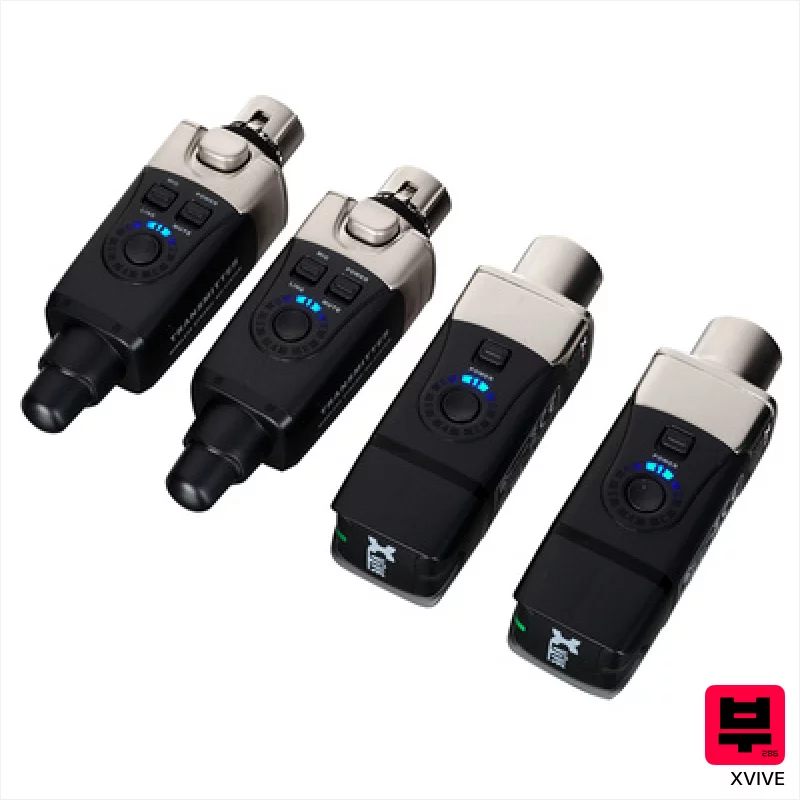
XVive U3D Dual Wireless for PA/DJ
- • Excellent 2.4GHz digital clarity, avoiding common RF interference.
- • Rugged ABS housing offers good protection for live performance use.
- • Low latency (<5ms) ensures tight synchronization for DJs and vocalists.
- • Integrated rechargeable battery simplifies setup and eliminates external power needs.
- • The ABS housing, while durable, lacks the premium feel of metal alternatives.
- • Limited channel selection (6) might restrict use in densely populated RF environments.
- • The 27m range is realistic but can be significantly impacted by obstacles.
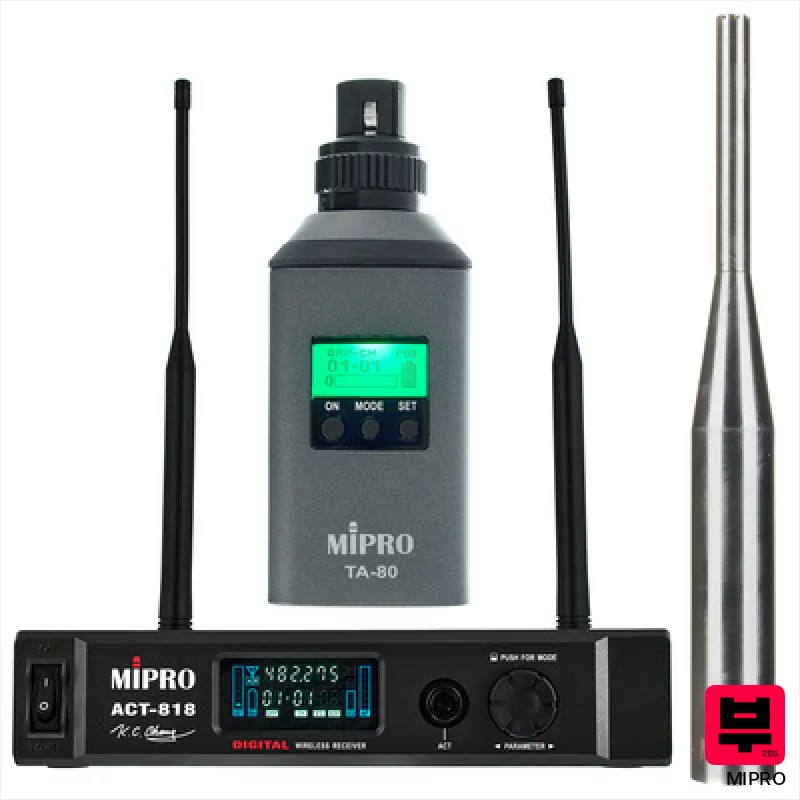
Mipro ACT-800 Measurement Set 5UA
- • Excellent frequency agility with 72 MHz bandwidth minimizes interference.
- • ACT-Sync simplifies channel coordination, a boon for multi-mic setups.
- • Robust build quality; the lockable XLR feels solid and dependable.
- • Versatile power options accommodate both dynamic and condenser mics.
- • The 165g weight can be fatiguing during extended handheld use.
- • Limited frequency range compared to wider UHF systems.
- • Premium-priced, making it a significant investment for smaller operations.

Sennheiser ME36/MZFS EW-D Stand Set Q1-6
- • Digital transmission offers rock-solid reliability and low latency.
- • MZFS 80 stand's Nextel surface minimizes feedback onstage.
- • XLR and 3.5mm inputs provide versatile microphone connectivity.
- • Phantom power support expands microphone compatibility significantly.
- • AA battery power is inconvenient for extended performances.
- • Frequency range (470-526 MHz) may face licensing restrictions in some areas.
- • The system's complexity might be daunting for absolute beginners.

Mipro ACT-800 MM-100 Quad Set 5UA
- • Exceptional 72MHz bandwidth offers unmatched channel flexibility.
- • ACT automatic channel targeting simplifies setup in crowded RF environments.
- • AES/EBU digital output caters to professional recording setups.
- • Robust build quality with rack ears and a solid 2.6kg weight.
- • Premium-priced, representing a significant investment for most users.
- • Limited frequency range compared to some competing systems.
- • Size and weight make it less ideal for portable or mobile applications.

Mipro ACT-800 TA80 Quad Set 5UA
- • Exceptional dynamic range (115 dBA) minimizes noise floor significantly.
- • ACT Automatic Channel Targeting simplifies setup in congested RF environments.
- • AES/EBU digital output provides pristine, professional-grade signal transfer.
- • Robust build quality and rack-mountable design ensures road-worthiness.
- • Premium-priced, making it inaccessible for many smaller operations.
- • The large receiver unit (420x44x230mm) demands significant rack space.
- • Limited channel compatibility outside the specified 482-554 MHz range.
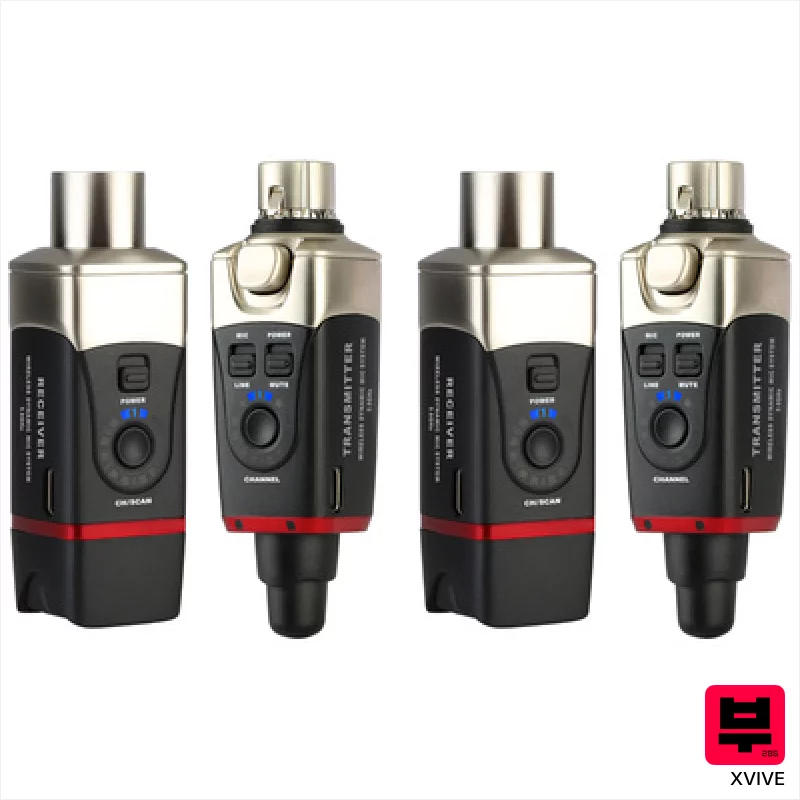
XVive U35D Dual Wireless System
- • Excellent dynamic range ensures clean, clear audio even in loud environments.
- • 5.8 GHz band minimizes interference compared to congested 2.4 GHz systems.
- • Battery-free operation simplifies setup and eliminates external power needs.
- • Dual receiver flexibility allows for unique stage configurations and redundancy.
- • 30m range can be limiting for larger venues or complex stage layouts.
- • Lack of XLR outputs on the transmitters restricts connection options.
- • Plastic construction, while lightweight, may feel less robust than metal alternatives.

the t.bone free2b
- • Plug-and-play simplicity eliminates setup headaches for beginners
- • 2.4 GHz band offers reliable license-free operation globally
- • Compact size and lightweight design are ideal for mobile use
- • Integrated battery avoids external power hassles, great for live gigs
- • Build quality feels plasticky, not as robust as higher-end systems
- • Limited channel selection may cause interference in crowded wireless environments
- • XLR to 3.5mm adapter feels a bit flimsy and could be a point of failure
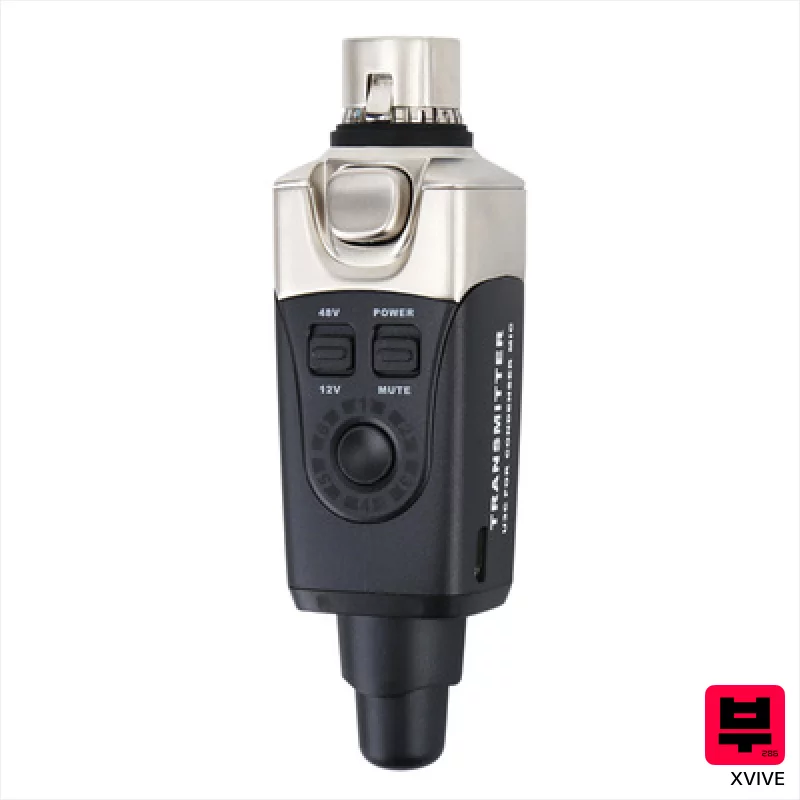
XVive U3C Microphone Wireless System
- • Robust ABS housing feels surprisingly durable for the price point.
- • Integrated phantom power expands mic compatibility significantly.
- • Low 5ms latency is genuinely usable for live performance.
- • Mic/line switch adds versatility for DJs and small PA setups.
- • ABS housing, while durable, lacks the premium feel of metal alternatives.
- • 90ft range is optimistic; expect reduced performance with interference.
- • Battery life, while adequate, isn't class-leading for wireless systems.

XVive U3 Microphone Wireless System
- • Battery-free operation is incredibly convenient for stage and studio
- • Robust ABS housing feels surprisingly durable for the price point
- • 24-bit/48kHz conversion delivers clean, detailed audio reproduction
- • Mic/Line switch adds versatility for DJs and PA applications
- • 90 ft range is optimistic; expect less with interference
- • ABS housing, while durable, lacks premium feel of metal alternatives
- • Limited channel selection might be restrictive for crowded RF environments
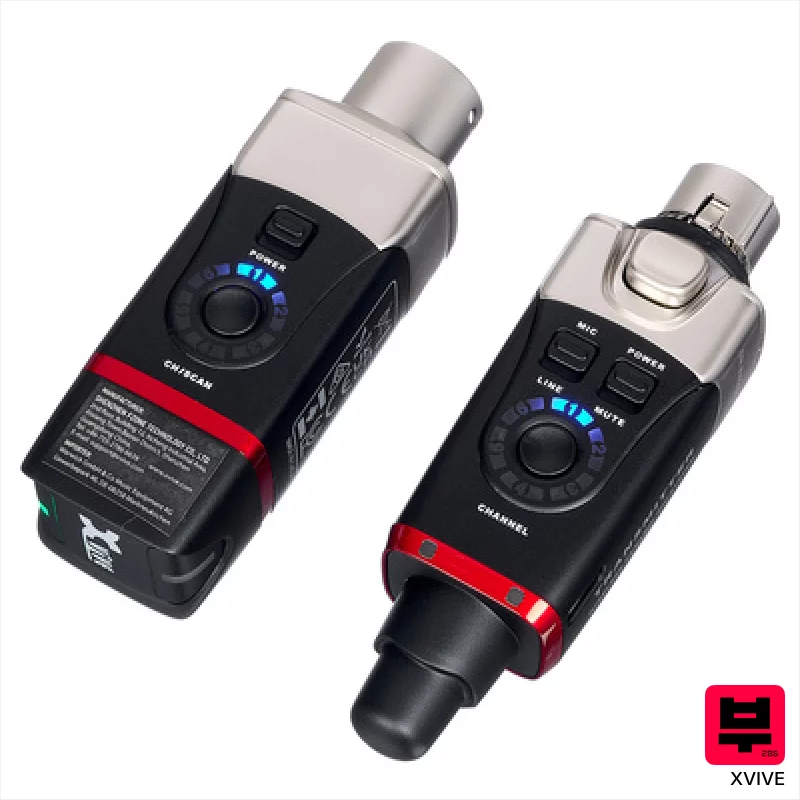
XVive U35 Microphone Wireless System
- • Battery-free operation simplifies setup and eliminates power hassles.
- • Robust ABS housing suggests durability for gigging environments.
- • Low latency (<5ms) ensures a transparent, responsive performance.
- • Versatile Mic/Line switch expands usage beyond vocal mics.
- • Limited channel count (6) might pose issues in crowded RF environments.
- • 30m range is decent, but susceptible to interference in urban settings.
- • ABS housing, while durable, lacks the premium feel of metal.

XVive U35C Mic. Wireless System
- • Robust ABS housing offers excellent durability for stage use
- • 5.8 GHz band avoids common interference, ensuring reliable signal
- • Integrated phantom power simplifies use with condenser mics
- • Low latency (<5ms) is crucial for real-time performance
- • ABS housing, while durable, lacks the premium feel of metal options
- • 30m range is good, but can be reduced significantly by obstacles
- • Limited channel selection (6) might be restrictive for larger bands

XVive U3C Microphone Wireless System
- • Robust ABS housing provides excellent durability for stage use
- • 2.4 GHz frequency avoids common interference issues
- • Integrated phantom power supports a wide range of condenser mics
- • Low latency (<5ms) ensures a transparent, natural sound
- • 20m range is limiting for larger venues or outdoor use
- • Battery life, while decent, may require mid-show charging for extended performances
- • ABS housing, while durable, lacks the premium feel of metal alternatives
How to Choose the Best Special Wireless Systems
Frequency Range & Bandwidth
Broadcast needs stability. Look for systems with wide bandwidth (at least 20MHz) and a frequency range that's clean and doesn't overlap with common broadcast signals. Narrow bandwidth means less tonal flexibility and a higher chance of clipping.
Dynamic Range & Noise Floor
This is critical. You want a system that can handle a whisper and a shout without introducing hiss or distortion. A low noise floor is non-negotiable for clean, professional audio - especially when you're mic'ing a sensitive interview subject.
Latency
Broadcast doesn't tolerate lag. Even a few milliseconds of latency can throw off timing and make things feel unnatural. High-end systems use digital transmission with very low latency, but cheaper options can introduce noticeable delays.
Interference Rejection
The broadcast world is a noisy place. Systems with robust interference rejection (using things like digital hybrid technology or advanced filtering) are essential to avoid dropouts and unwanted artifacts. Don't underestimate this - a flaky signal is a career killer.
Microphone Compatibility & Preamps
Some systems come with built-in preamps that can color your sound. If you have favorite mics you want to use, make sure the system is compatible and doesn't drastically alter their tonal character. A neutral preamp is ideal, letting your mic's voicing shine through.
Buying Guide
Don't cheap out here. A basic guitar wireless will leave you frustrated with dropouts and a muddy sound. The upfront investment in a proper broadcast system pays off in reliability and audio quality. Watch out for systems that advertise 'broadcast quality' but use compressed audio - you're sacrificing headroom and dynamic range. If you're doing serious work, prioritize a system with a dedicated receiver and multiple channels for flexibility.
Our Methodology
We don't just look at spec sheets here. We've spent countless hours putting these systems through the wringer - live tracking sessions, remote broadcasts, even just trying to see how they hold up in a crowded radio studio. Our evaluations are based on real-world performance: how they sound, how reliable they are, and how much of a headache they are to set up and use.

