
Best Roland Special Models 2026
Alright, so you're looking into a Roland Special model accordion? Smart move. Roland's Special models aren't your grandpa's Hohner - they're a different beast altogether, built for players who need a reliable, modern instrument that can handle everything from a Parisian bistro to a stadium gig. We're talking about a blend of traditional feel with serious electronic flexibility, something a lot of other brands just don't nail.
Last updated: April 11, 2026
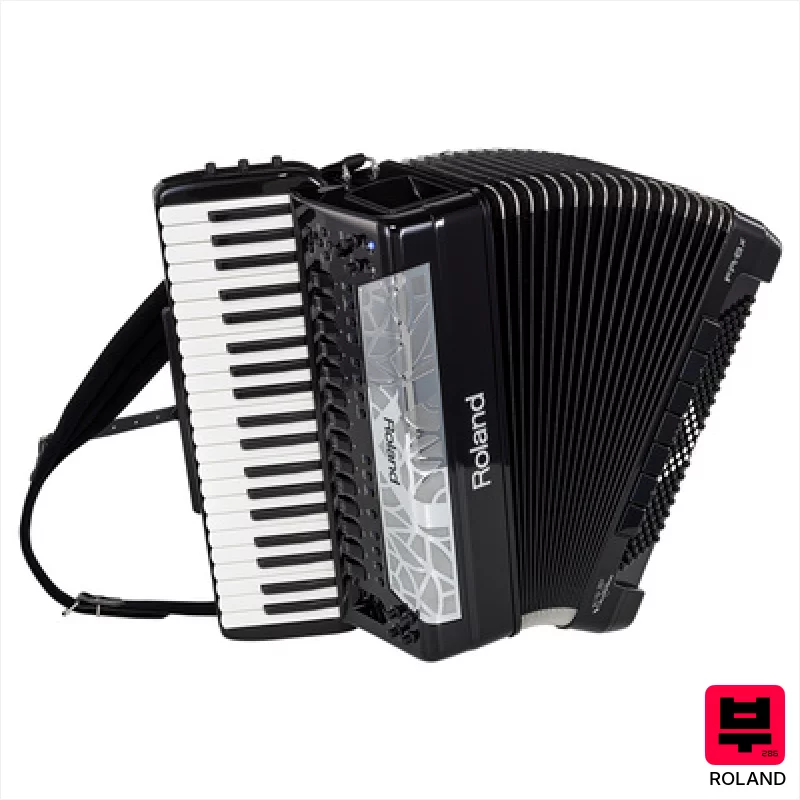
Roland FR-8 X BK
- • Exceptional key and bass response thanks to velocity and aftertouch.
- • The internal organ drawbars add serious tonal flexibility.
- • Robust build quality; feels like a professional instrument.
- • The USB recording capabilities streamline workflow significantly.
- • The weight makes it less portable for casual gigging.
- • The sheer number of sounds can be overwhelming for beginners.
- • The price point puts it out of reach for many aspiring players.

Roland FR-4 XB BK
- • Flagship FR-8X sound module delivers exceptional sonic realism and versatility.
- • Pre-installed Balkan and Dallape expansions broaden tonal palette significantly.
- • Bellows Resistance Regulator allows for nuanced performance control and feel.
- • Compact design and integrated amplification make it stage-ready and portable.
- • The button layout, while standard, requires significant adaptation for traditional players.
- • The plastic housing, while lightweight, lacks the premium feel of a traditional accordion.
- • Limited polyphony compared to some digital instruments can impact complex arrangements.
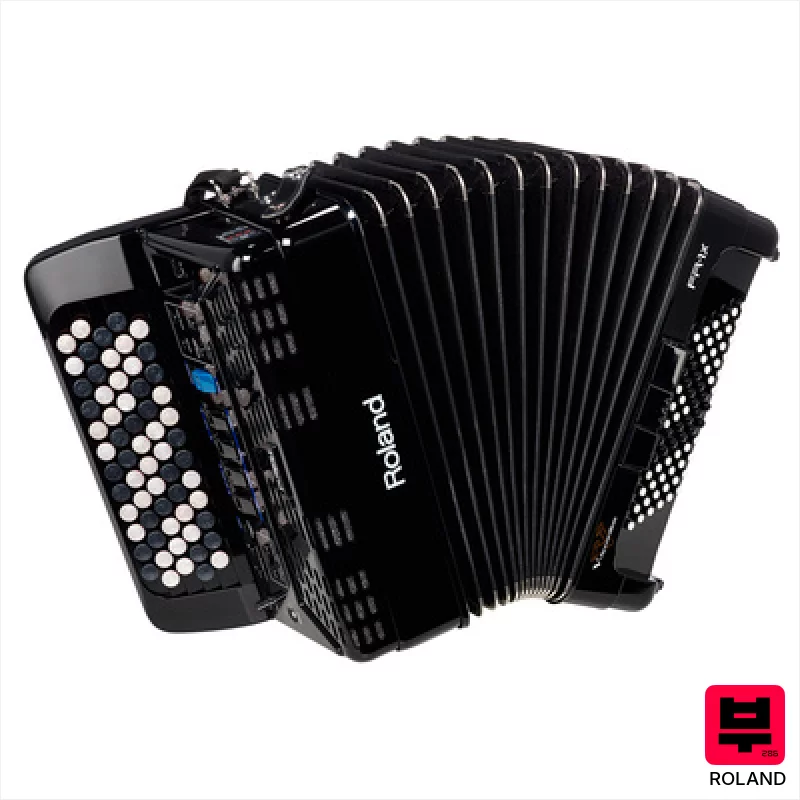
Roland FR-1XB BK
- • Built-in MP3/Wave player simplifies practice and performance scenarios.
- • The digital nature may not satisfy purists seeking authentic acoustic feel.
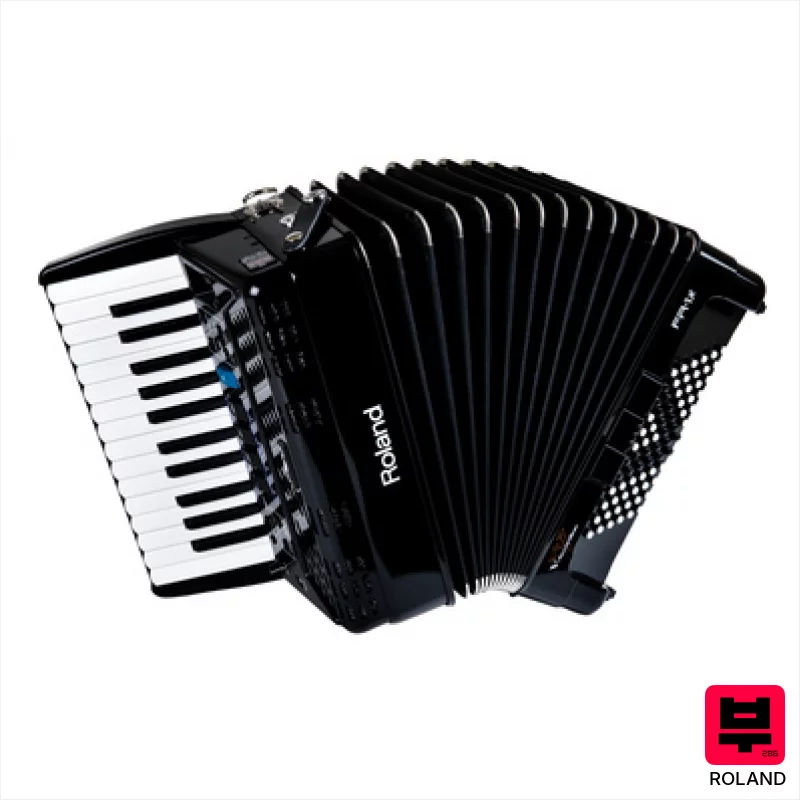
Roland FR-1X BK
- • Excellent velocity sensitivity enhances expressive playing across treble and bass.
- • Roland’s digital modeling convincingly replicates traditional accordion timbres.
- • Comprehensive onboard sounds offer versatility beyond standard accordion tones.
- • Compact and relatively lightweight for a digital accordion; easily portable.
- • The plastic construction, while lightweight, lacks the premium feel of a traditional bellows accordion.
- • Limited physical controls can make complex sound editing less intuitive.
- • The built-in speakers, while adequate, won't satisfy stage performance needs.
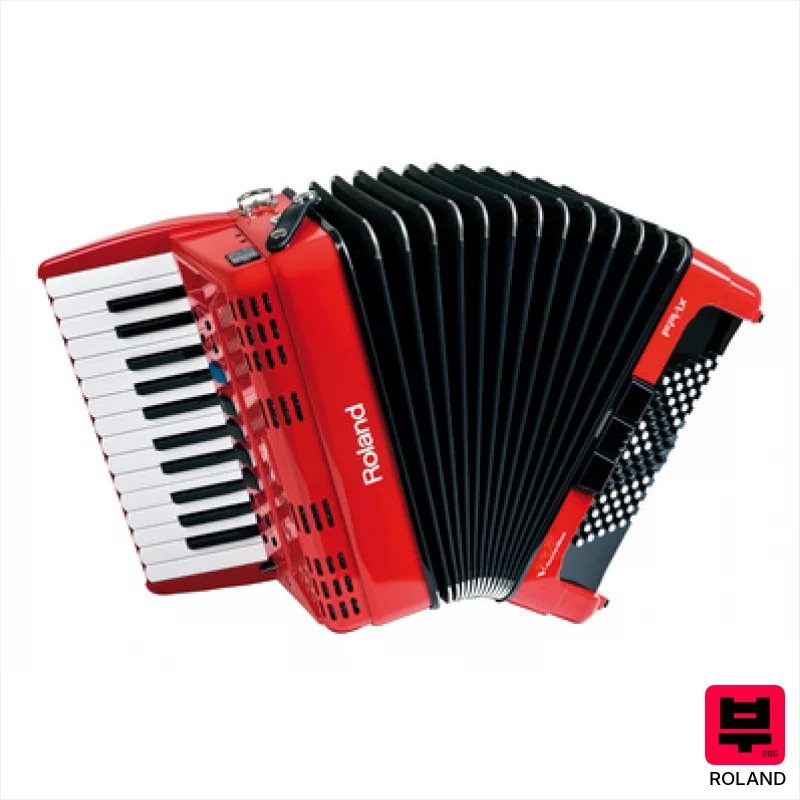
Roland FR-1X R
- • Excellent velocity sensitivity across both treble and bass sections.
- • Roland’s modeling accurately captures accordion nuances, surprisingly convincing.
- • The integrated MP3/Wave player offers convenient backing track functionality.
- • Compact and relatively lightweight for a digital accordion, aiding portability.
- • The red finish, while striking, might not appeal to all traditionalists.
- • The 72 bass buttons offer a limited range compared to full-sized accordions.
- • While versatile, the sound leans toward a modern digital aesthetic, lacking true vintage warmth.
How to Choose the Best Special Models
Tone Voicing
Roland's secret sauce is their digital modeling. It's not trying to perfectly replicate a vintage reed sound (though some do a pretty good job), but rather to offer a wider palette of tones - a warmer, rounder bass, a more articulate treble, or even something more synthetic for modern genres. It's about expanding possibilities, not just copying the past.
Key Action & Bellows Response
The key action on Roland Specials is generally smoother and lighter than many traditional accordions, which some find easier on the fingers during long gigs. The bellows response is consistent; you get predictable pressure and volume control, which is a huge help in a live band setting where dynamics are everything.
Bass Registers & Flexibility
Roland's bass systems are often more versatile than you'll find on a comparable traditional accordion. You're looking at multiple registers - not just a standard bass, but sometimes a free bass, a Stradella bass, and even custom register combinations. This gives you a lot of options for different musical styles.
Build Quality & Durability
Roland accordions are generally built to a high standard, with robust internal components and a decent exterior finish. However, the plastic parts on some models (especially the older ones) can be a weak point; they're not as resistant to wear and tear as the wood or metal you'd find on a high-end Italian instrument.
Connectivity & Features
This is where Roland really shines. You get MIDI connectivity, USB audio output, and often a range of effects - reverb, chorus, EQ. It's a complete performance package that integrates seamlessly with recording setups and live sound systems. It's a huge advantage for modern players.
Buying Guide
Look, Roland Special models are a solid investment, but there are trade-offs. The earlier models (like the FR-160) can be fantastic bargains, but the plastic parts might show their age. Spending a bit more for a newer model (like the FR-260) usually gets you improved internal components and a more robust build. Don't chase the 'vintage' sound - embrace the Roland character; it's about versatility and reliability, not perfect replication.
How This List Is Built
We don't play these instruments — we're a catalog, not a review desk, and we'd rather say so than pretend otherwise. This page ranks 5 special models from the Thomann catalogue, which is the largest single source of specification data in this category.
Position is computed, not curated. Four signals, in order of weight: how completely the manufacturer documents the instrument (number of published specifications), where it sits in the price range, how specific the model designation is — which filters out generic accessories — and whether a product image exists. The same inputs always produce the same order, so nothing here is shuffled to look fresh.
What this list is good for: narrowing a category down to a shortlist by spec and budget. What it isn't: a substitute for hearing an instrument. Before you buy, read hands-on reviews and, where you can, play it. Full methodology.

