
Best Special Models for Fusion 2026
So, you're chasing that fusion vibe - Zawinul, Corea, Schneider - and you're thinking about a special model accordion? Smart. Forget the polka tunes; we're talking about needing a responsive action, a wide tonal palette, and the headroom to cut through a tight, complex band. It's a different beast than your grandma's squeezebox, and choosing the right model is crucial to actually sounding like you know what you're doing.
Last updated: May 20, 2026 • Next update: May 27, 2026
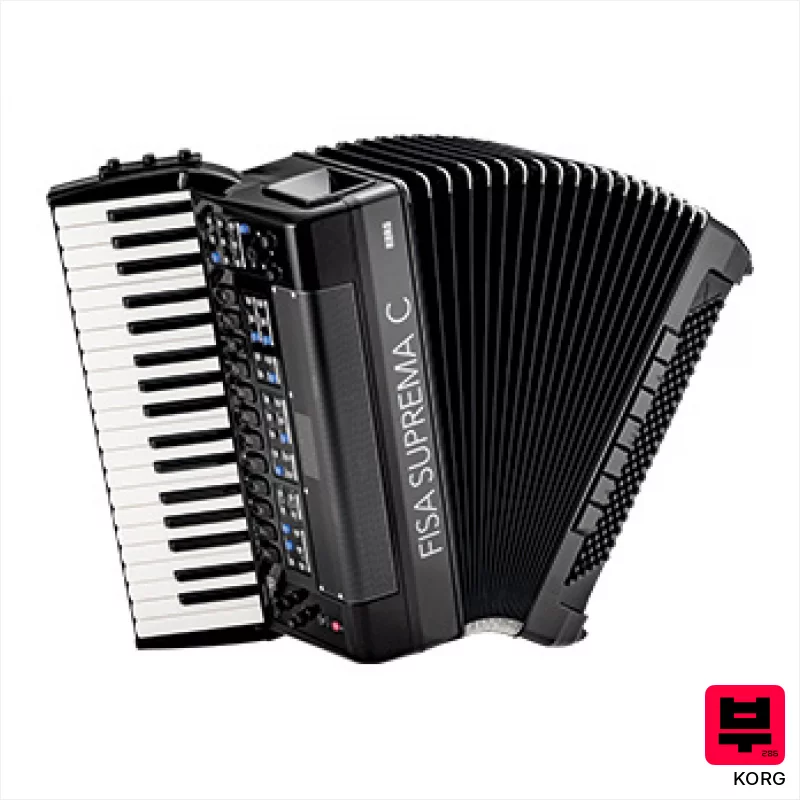
Korg FISA SUPREMA C PMBK
- • Exceptional acoustic accordion models capture nuanced regional playing styles.
- • Velocity-sensitive keys and aftertouch offer expressive, dynamic control.
- • Extensive sound library provides versatility beyond traditional accordion sounds.
- • Solid build quality with a comfortable, responsive action for extended playing.
- • The sheer number of features can be overwhelming for less experienced players.
- • Premium-priced, representing a significant investment for most musicians.
- • Size and weight make it less portable than smaller, traditional accordions.
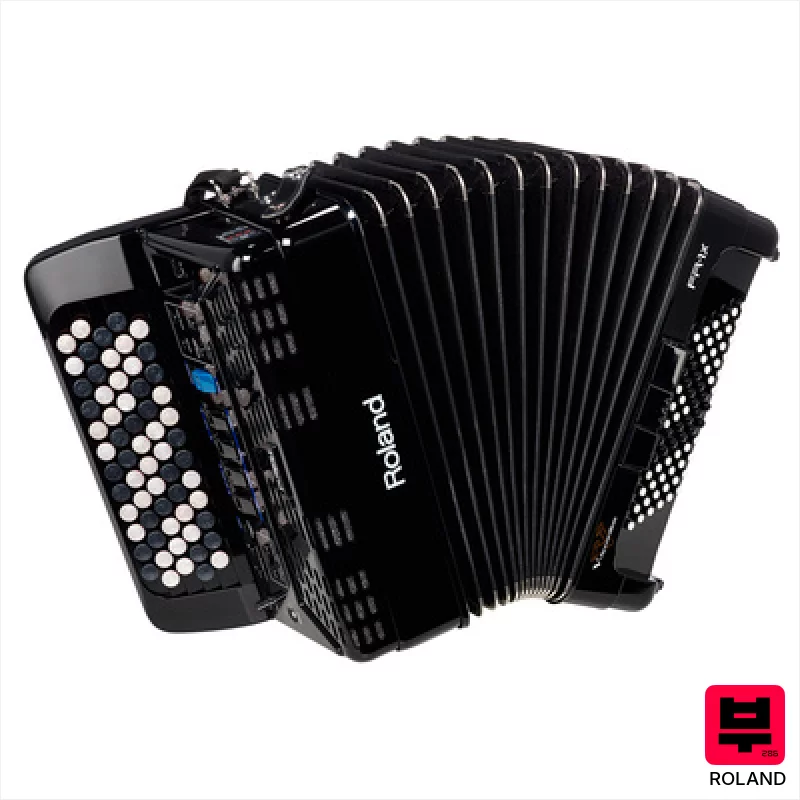
Roland FR-1XB BK
- • Built-in MP3/Wave player simplifies practice and performance scenarios.
- • The digital nature may not satisfy purists seeking authentic acoustic feel.
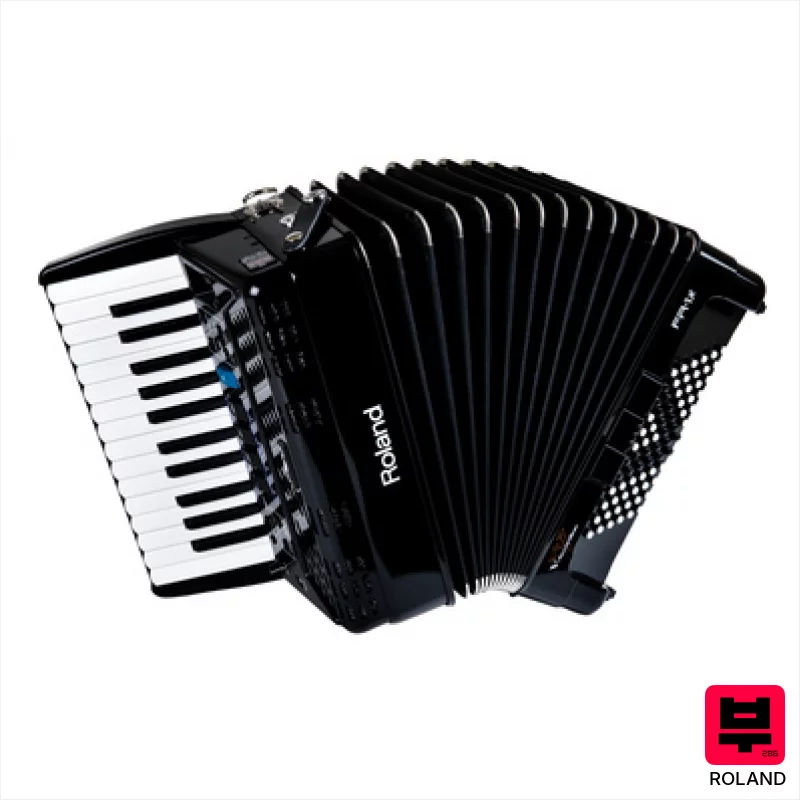
Roland FR-1X BK
- • Excellent velocity sensitivity enhances expressive playing across treble and bass.
- • Roland’s digital modeling convincingly replicates traditional accordion timbres.
- • Comprehensive onboard sounds offer versatility beyond standard accordion tones.
- • Compact and relatively lightweight for a digital accordion; easily portable.
- • The plastic construction, while lightweight, lacks the premium feel of a traditional bellows accordion.
- • Limited physical controls can make complex sound editing less intuitive.
- • The built-in speakers, while adequate, won't satisfy stage performance needs.

Roland FR-4 XB BK
- • Flagship FR-8X sound module delivers exceptional sonic realism and versatility.
- • Pre-installed Balkan and Dallape expansions broaden tonal palette significantly.
- • Bellows Resistance Regulator allows for nuanced performance control and feel.
- • Compact design and integrated amplification make it stage-ready and portable.
- • The button layout, while standard, requires significant adaptation for traditional players.
- • The plastic housing, while lightweight, lacks the premium feel of a traditional accordion.
- • Limited polyphony compared to some digital instruments can impact complex arrangements.
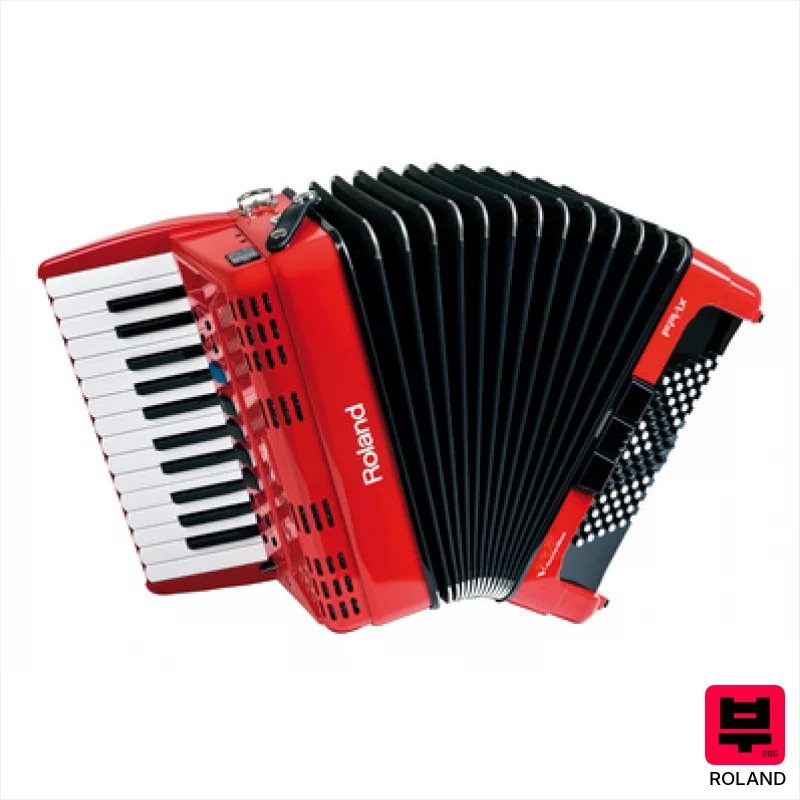
Roland FR-1X R
- • Excellent velocity sensitivity across both treble and bass sections.
- • Roland’s modeling accurately captures accordion nuances, surprisingly convincing.
- • The integrated MP3/Wave player offers convenient backing track functionality.
- • Compact and relatively lightweight for a digital accordion, aiding portability.
- • The red finish, while striking, might not appeal to all traditionalists.
- • The 72 bass buttons offer a limited range compared to full-sized accordions.
- • While versatile, the sound leans toward a modern digital aesthetic, lacking true vintage warmth.
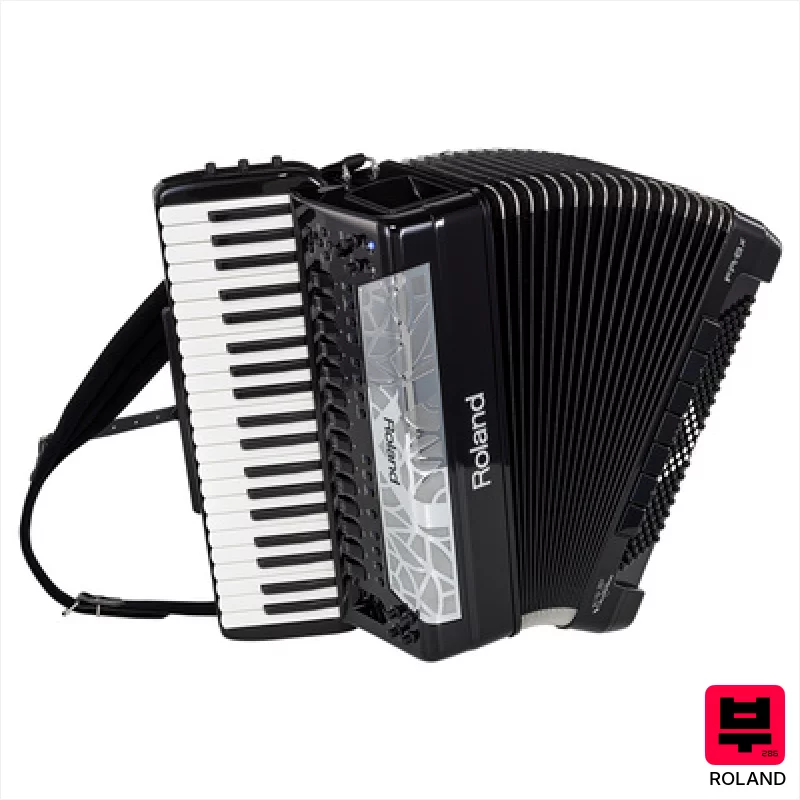
Roland FR-8 X BK
- • Exceptional key and bass response thanks to velocity and aftertouch.
- • The internal organ drawbars add serious tonal flexibility.
- • Robust build quality; feels like a professional instrument.
- • The USB recording capabilities streamline workflow significantly.
- • The weight makes it less portable for casual gigging.
- • The sheer number of sounds can be overwhelming for beginners.
- • The price point puts it out of reach for many aspiring players.
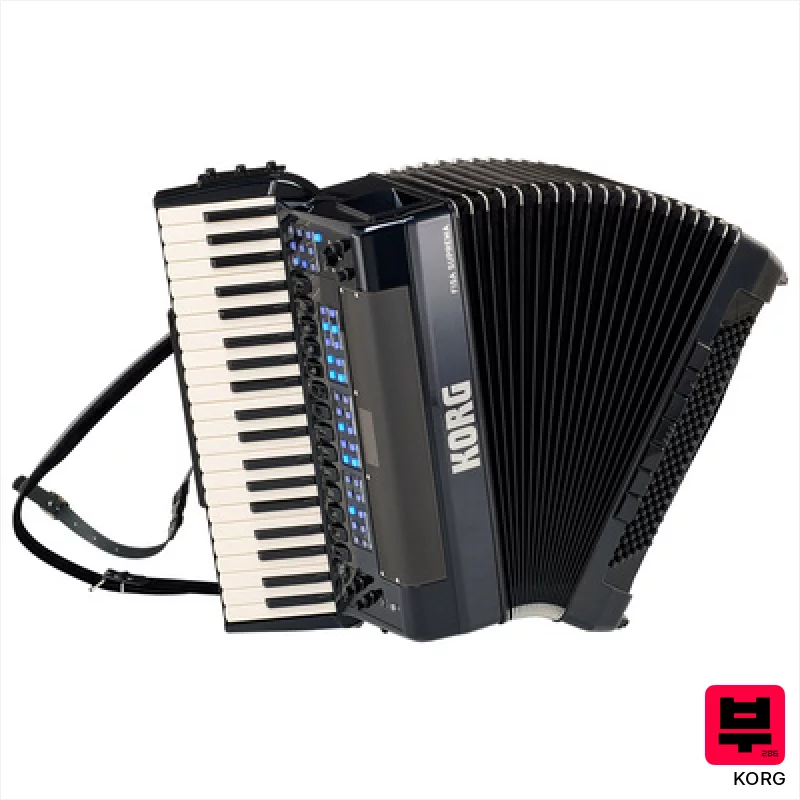
Korg FISA SUPREMA PMBK
- • Exceptional acoustic modeling replicates vintage accordion nuances convincingly.
- • Extensive sound library offers incredible versatility beyond traditional accordion sounds.
- • Ribbon controller adds expressive possibilities for bass lines and effects.
- • Robust build quality suggests longevity and professional-grade durability.
- • Premium-priced, limiting accessibility for many aspiring accordionists.
- • Digital nature might not fully satisfy purists seeking purely mechanical feel.
- • Size and weight will be a factor for gigging or travel.
How to Choose the Best Special Models
Bass Response
Fusion demands a solid low-end thump to lock in with the bass and drums. A weak bass section gets lost instantly, so look for a model with a robust reed block and well-voiced bass registers - no flimsy cardboard here.
Treble Voicing
That fat midrange honk is your friend. Too bright and ice-picky, and you're just fighting for space. Too dark and muddy, and you're just adding clutter. A good fusion accordion needs clarity across the registers, with a warm, even response.
Dynamic Range
Fusion is all about nuance and expression. You need an accordion that responds to your touch - subtle swells, percussive attacks, and everything in between. Limited dynamic range means you're stuck with a one-dimensional sound.
Key/Register Flexibility
You'll be doing a lot of switching between keys and registers on the fly. A well-designed system with quick, reliable switching is essential for improvising and navigating complex chord changes.
Action and Ergonomics
A stiff, unresponsive action will kill your fluidity. Comfort is also key; you're going to be sweating and squeezing for hours. Consider the weight, neck profile, and bellows feel - it's a personal thing.
Buying Guide
Don't get lured in by flashy aesthetics. These are instruments built for performance, so prioritize the feel and sound over fancy trim. Older Hohner Special models (Diplomat, Marine Band Endura) are often a great value, but be prepared for potential maintenance - reeds need voicing, and bellows can leak. Paying extra for a newer model usually means better reed voicing and more consistent build quality, but it's still a commitment - accordions are complex machines.
Our Methodology
We're not just looking at spec sheets here. We've spent countless hours playing these accordions, A/B'ing them against each other, and putting them through the wringer - live gigs, studio sessions, and everything in between. We're evaluating them based on how they feel and how they sound in a real-world musical context, not just how they look on paper.

