
Best Special Models 2026
So, you're looking at a Special Model accordion? Smart move. These aren't your grandpa's dusty box - they're instruments built with specific performance goals in mind, often featuring unique reed configurations, custom basses, or refined mechanics. But 'Special' doesn't automatically mean 'better,' it just means 'different.' Let's break down what you need to know before dropping serious cash.
Last updated: April 11, 2026
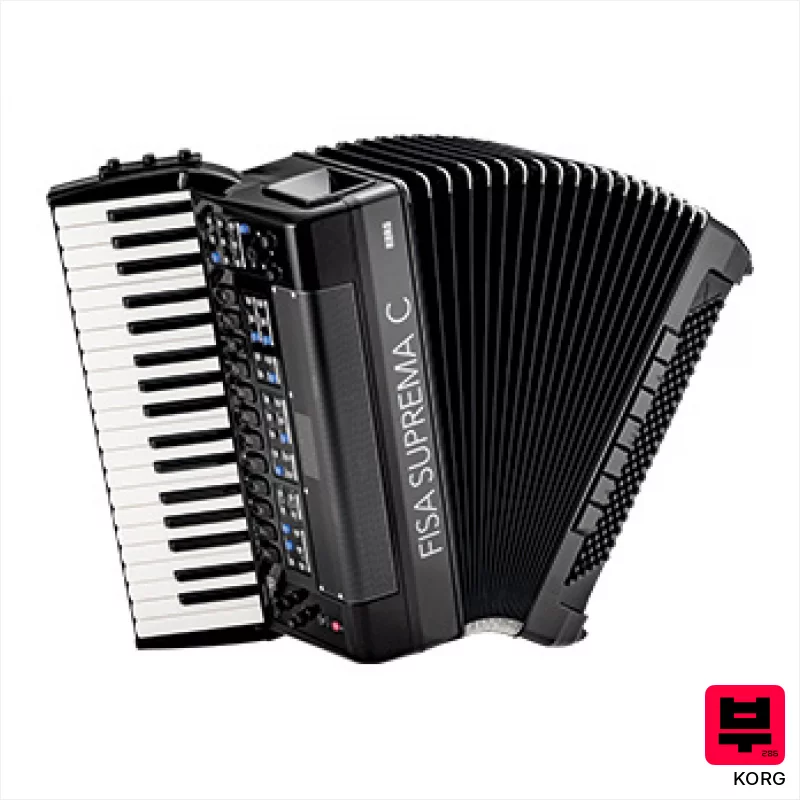
Korg FISA SUPREMA C PMBK
- • Exceptional acoustic accordion models capture nuanced regional playing styles.
- • Velocity-sensitive keys and aftertouch offer expressive, dynamic control.
- • Extensive sound library provides versatility beyond traditional accordion sounds.
- • Solid build quality with a comfortable, responsive action for extended playing.
- • The sheer number of features can be overwhelming for less experienced players.
- • Premium-priced, representing a significant investment for most musicians.
- • Size and weight make it less portable than smaller, traditional accordions.
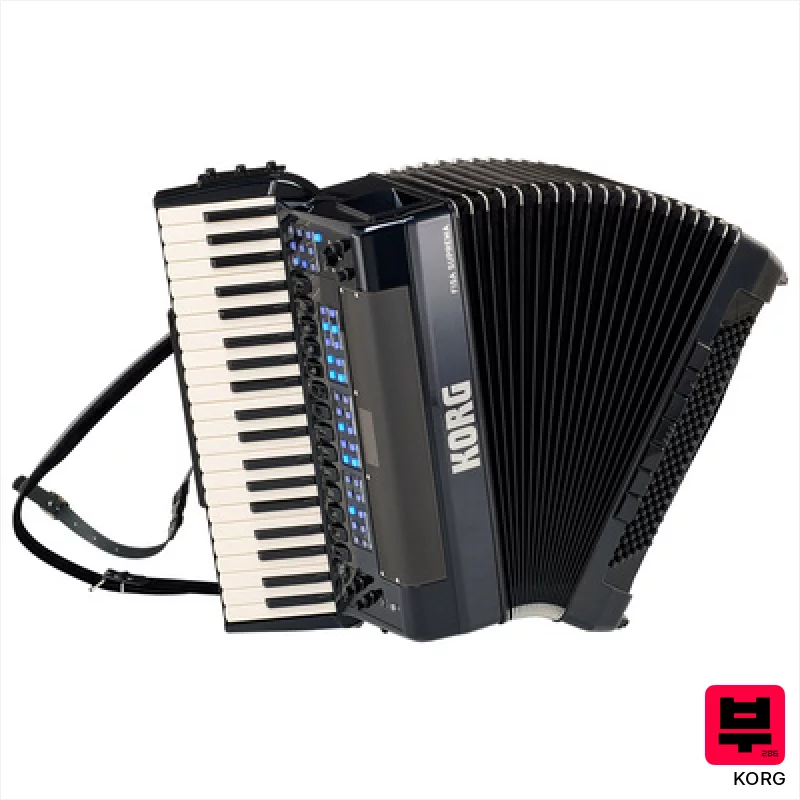
Korg FISA SUPREMA PMBK
- • Exceptional acoustic modeling replicates vintage accordion nuances convincingly.
- • Extensive sound library offers incredible versatility beyond traditional accordion sounds.
- • Ribbon controller adds expressive possibilities for bass lines and effects.
- • Robust build quality suggests longevity and professional-grade durability.
- • Premium-priced, limiting accessibility for many aspiring accordionists.
- • Digital nature might not fully satisfy purists seeking purely mechanical feel.
- • Size and weight will be a factor for gigging or travel.
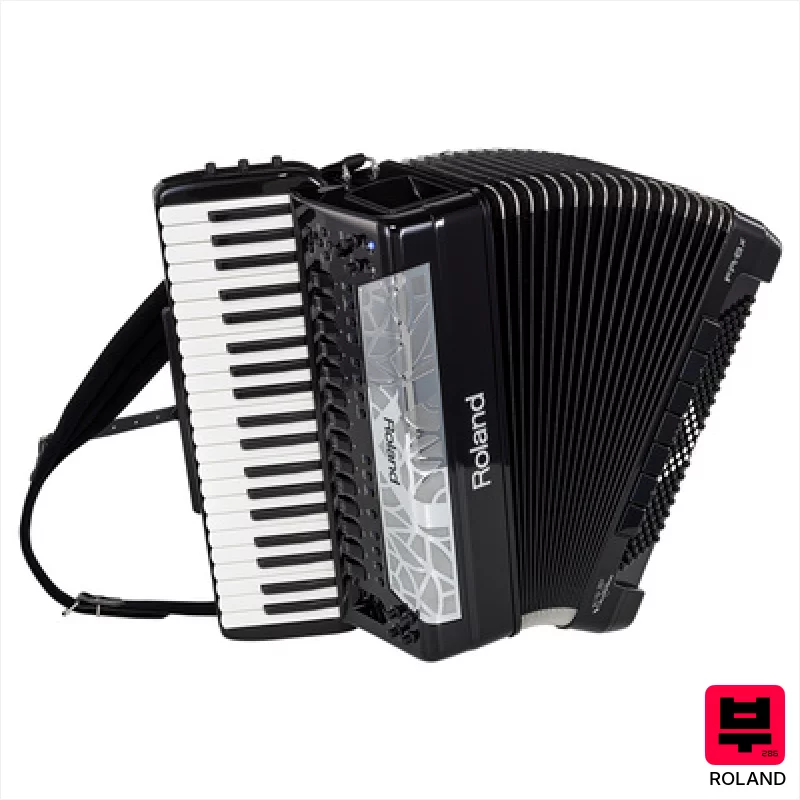
Roland FR-8 X BK
- • Exceptional key and bass response thanks to velocity and aftertouch.
- • The internal organ drawbars add serious tonal flexibility.
- • Robust build quality; feels like a professional instrument.
- • The USB recording capabilities streamline workflow significantly.
- • The weight makes it less portable for casual gigging.
- • The sheer number of sounds can be overwhelming for beginners.
- • The price point puts it out of reach for many aspiring players.

Roland FR-4 XB BK
- • Flagship FR-8X sound module delivers exceptional sonic realism and versatility.
- • Pre-installed Balkan and Dallape expansions broaden tonal palette significantly.
- • Bellows Resistance Regulator allows for nuanced performance control and feel.
- • Compact design and integrated amplification make it stage-ready and portable.
- • The button layout, while standard, requires significant adaptation for traditional players.
- • The plastic housing, while lightweight, lacks the premium feel of a traditional accordion.
- • Limited polyphony compared to some digital instruments can impact complex arrangements.
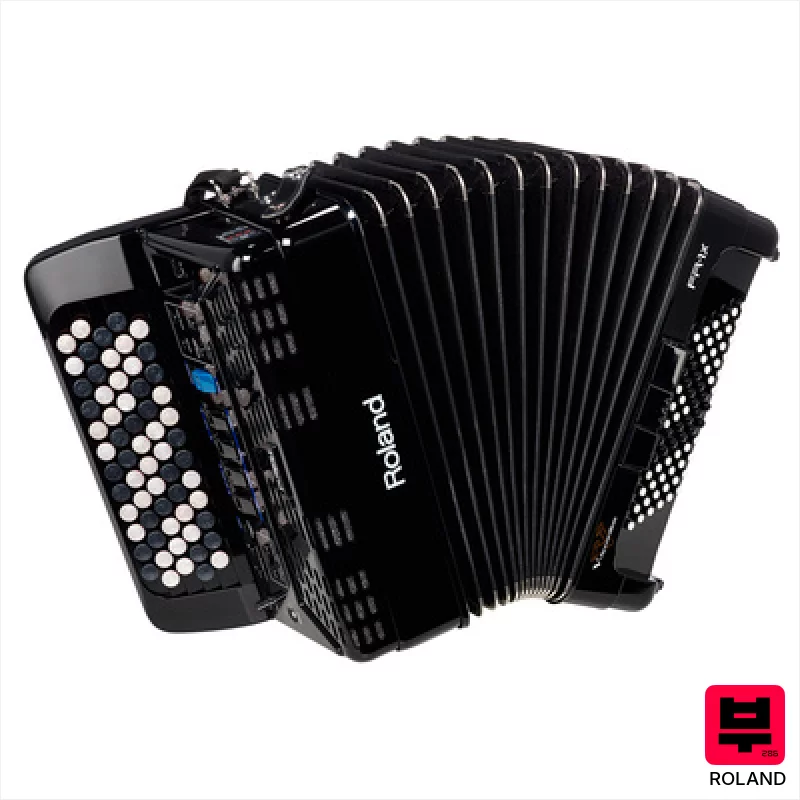
Roland FR-1XB BK
- • Built-in MP3/Wave player simplifies practice and performance scenarios.
- • The digital nature may not satisfy purists seeking authentic acoustic feel.
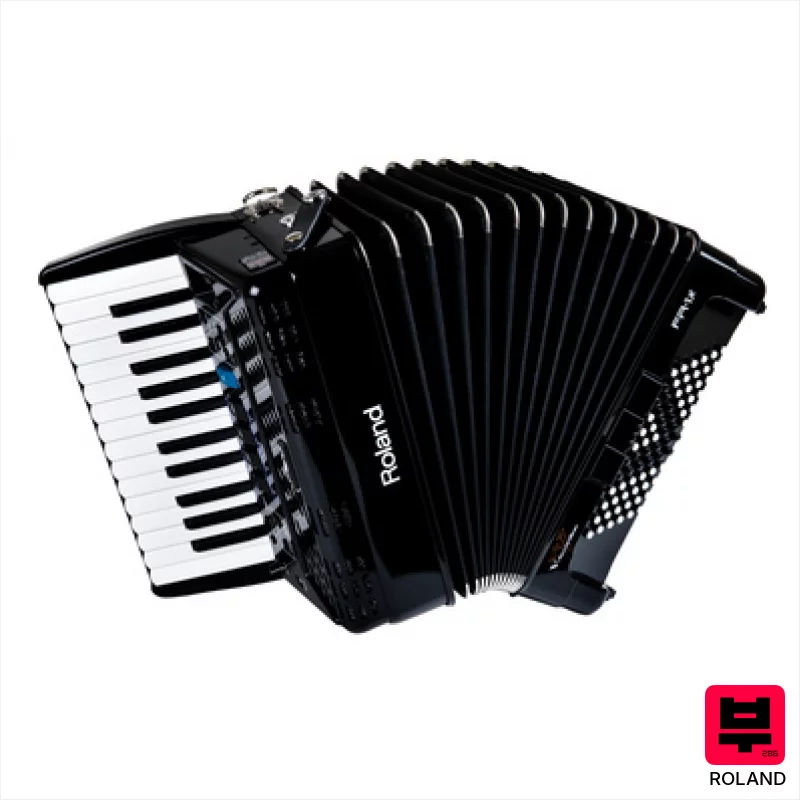
Roland FR-1X BK
- • Excellent velocity sensitivity enhances expressive playing across treble and bass.
- • Roland’s digital modeling convincingly replicates traditional accordion timbres.
- • Comprehensive onboard sounds offer versatility beyond standard accordion tones.
- • Compact and relatively lightweight for a digital accordion; easily portable.
- • The plastic construction, while lightweight, lacks the premium feel of a traditional bellows accordion.
- • Limited physical controls can make complex sound editing less intuitive.
- • The built-in speakers, while adequate, won't satisfy stage performance needs.
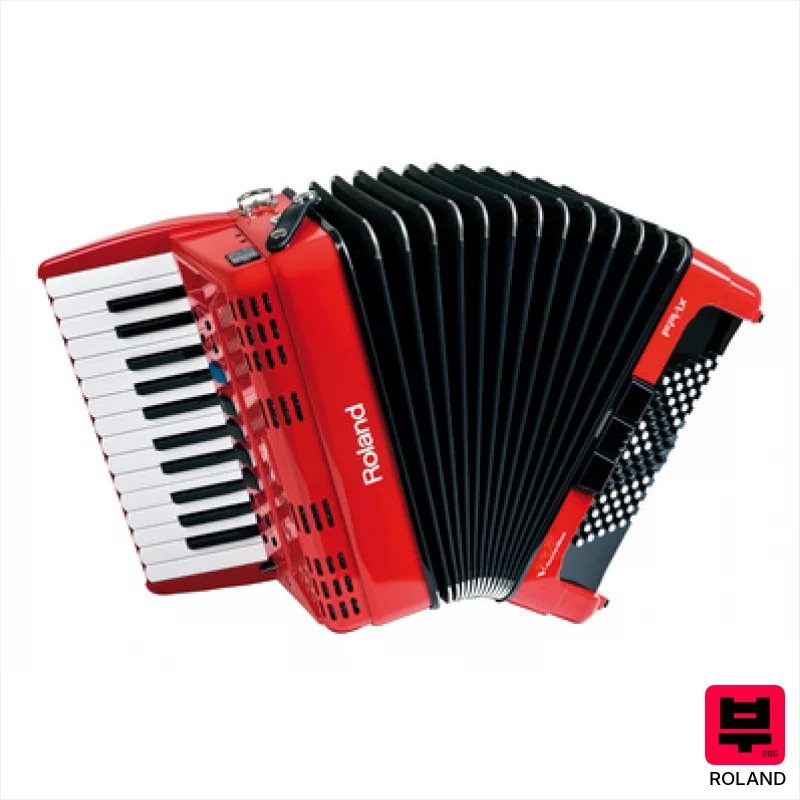
Roland FR-1X R
- • Excellent velocity sensitivity across both treble and bass sections.
- • Roland’s modeling accurately captures accordion nuances, surprisingly convincing.
- • The integrated MP3/Wave player offers convenient backing track functionality.
- • Compact and relatively lightweight for a digital accordion, aiding portability.
- • The red finish, while striking, might not appeal to all traditionalists.
- • The 72 bass buttons offer a limited range compared to full-sized accordions.
- • While versatile, the sound leans toward a modern digital aesthetic, lacking true vintage warmth.
How to Choose the Best Special Models
Reed Configuration
This is the big one. A 'Special' might have a wider range of registers, altered voicing for a specific genre (think Cajun, classical, or jazz), or even unusual reed combinations for unique textures. Listen carefully for that fat midrange honk or a sparkly top end - and make sure it works for what you play.
Bass System
Many Special Models feature enhanced bass systems, either through more powerful reeds, a wider bass range, or improved airflow. This is crucial for cutting through a band mix and providing that satisfying low-end thump, especially if you're playing with drums and bass guitar.
Mechanical Action & Key/Button Response
The feel is everything. A Special Model should have a smoother, more responsive action than a basic model. Look for consistent key and button travel, minimal slop, and a generally more refined mechanical feel - it'll improve your articulation and dynamics.
Bellows and Airflow
Improved bellows design and airflow can dramatically impact volume and responsiveness. A well-designed bellows will feel lighter and more consistent, allowing for greater dynamic control and a more expressive performance. Cheaper corners often get cut here, leading to inconsistent airflow and a 'stuffy' feel.
Build Quality & Materials
While not always a guarantee, Special Models often benefit from slightly higher-grade materials and construction. This translates to better long-term durability, improved tuning stability, and a generally more refined instrument. Pay close attention to the leatherwork and overall finish - those are telltale signs of quality.
Buying Guide
Don't get blinded by the 'Special' label. Many manufacturers use it to justify a price bump without substantial improvements. Test drive extensively - bring your own reeds if possible to compare. Be wary of overly complex reed configurations; sometimes simplicity is better. Ultimately, the best Special Model is the one that feels and sounds right for your style and budget.
How This List Is Built
We don't play these instruments — we're a catalog, not a review desk, and we'd rather say so than pretend otherwise. This page ranks 7 special models from the Thomann catalogue, which is the largest single source of specification data in this category.
Position is computed, not curated. Four signals, in order of weight: how completely the manufacturer documents the instrument (number of published specifications), where it sits in the price range, how specific the model designation is — which filters out generic accessories — and whether a product image exists. The same inputs always produce the same order, so nothing here is shuffled to look fresh.
What this list is good for: narrowing a category down to a shortlist by spec and budget. What it isn't: a substitute for hearing an instrument. Before you buy, read hands-on reviews and, where you can, play it. Full methodology.

